
Wednesday, 10/21/2026
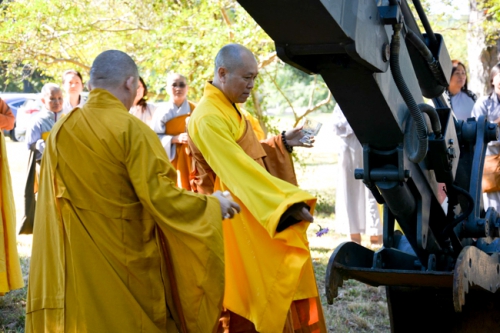
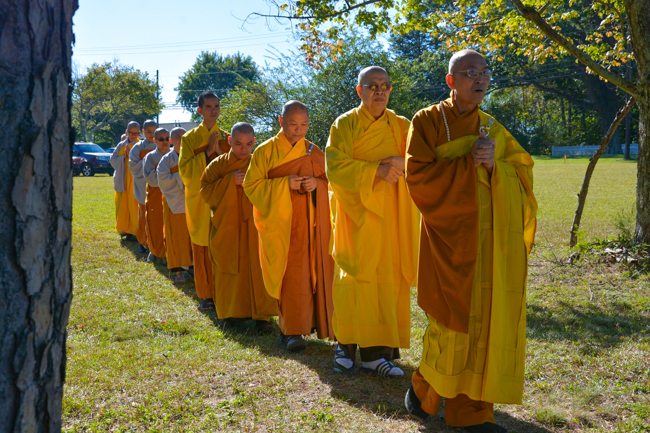
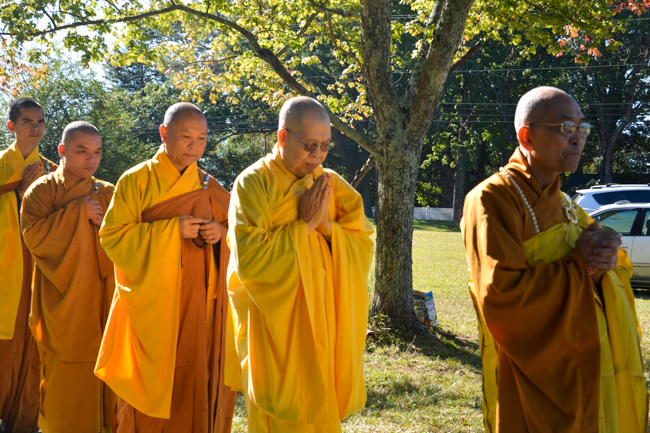
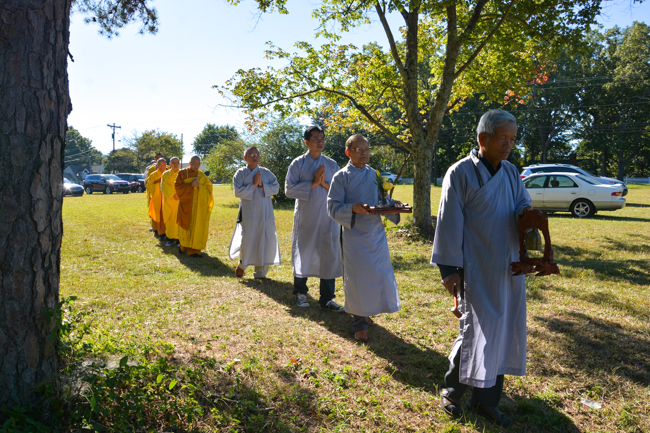
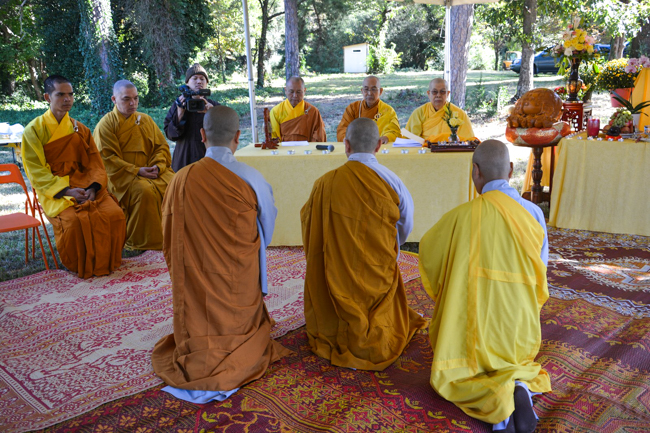
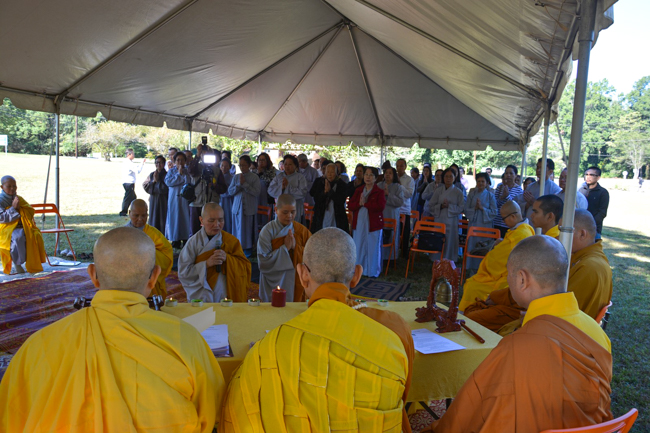
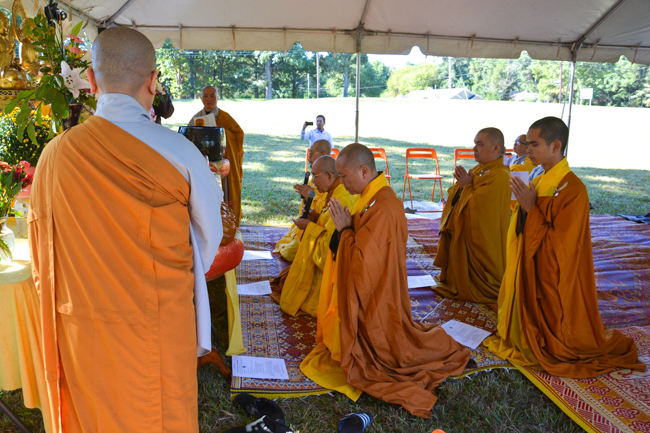
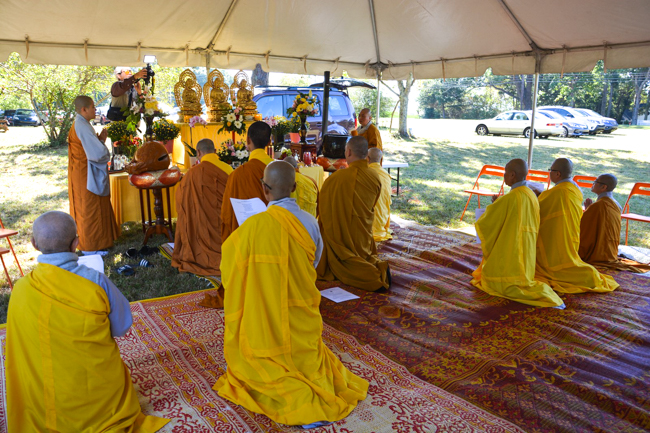
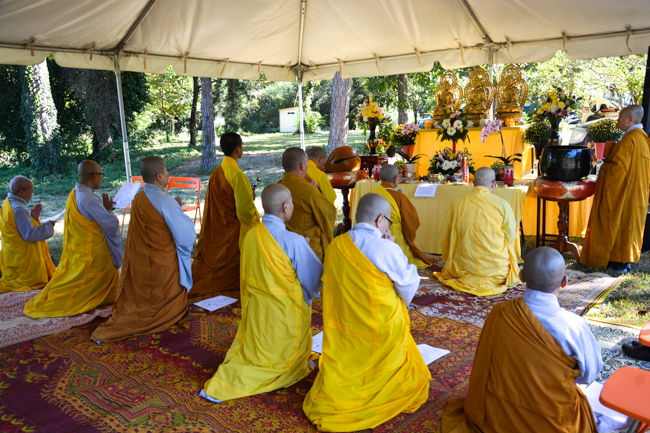
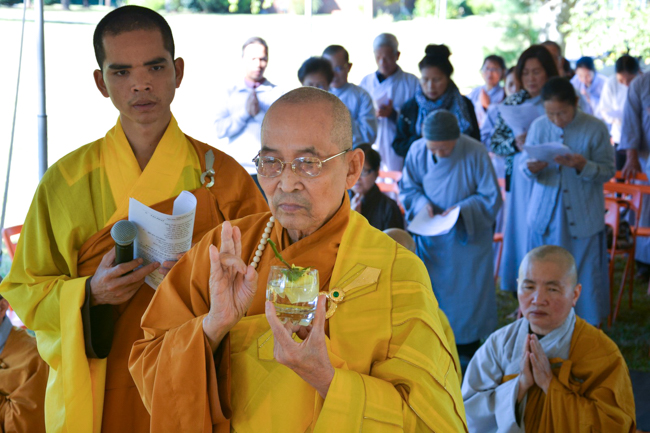
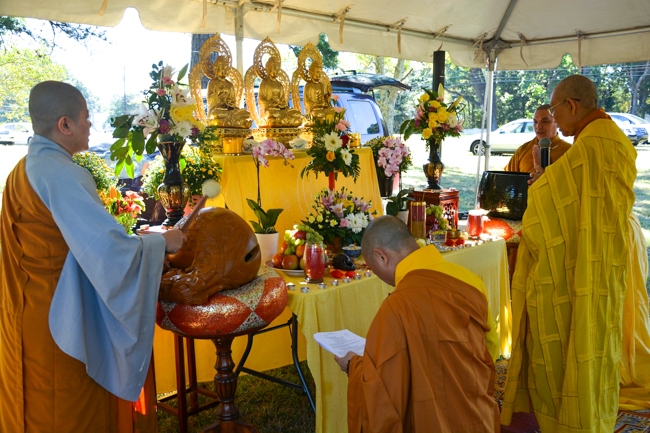
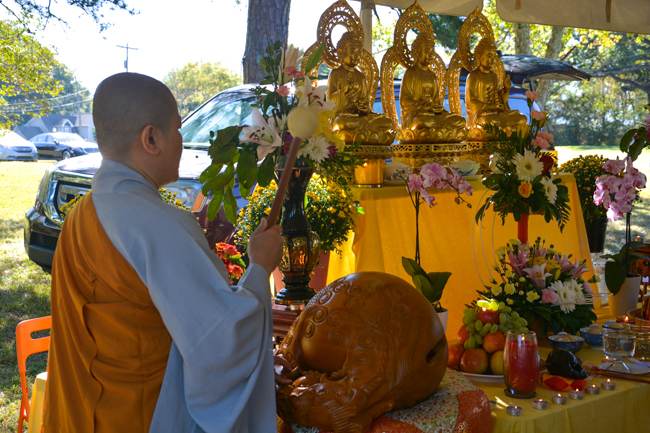
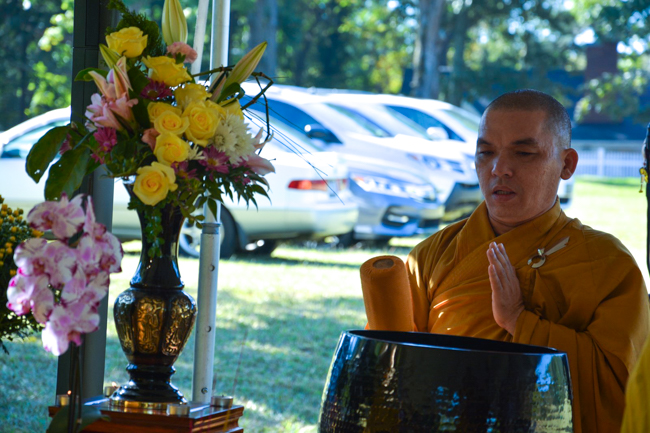
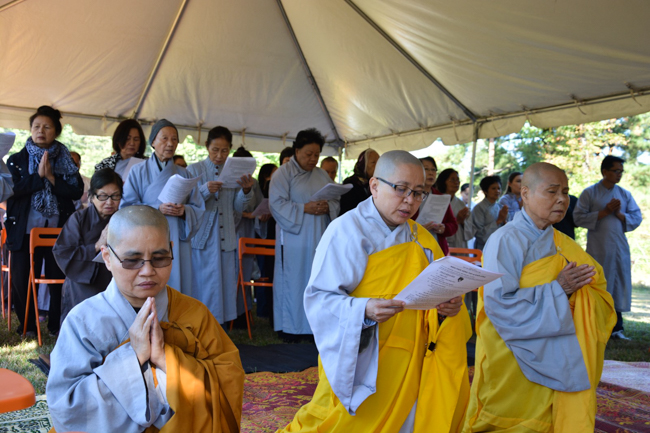
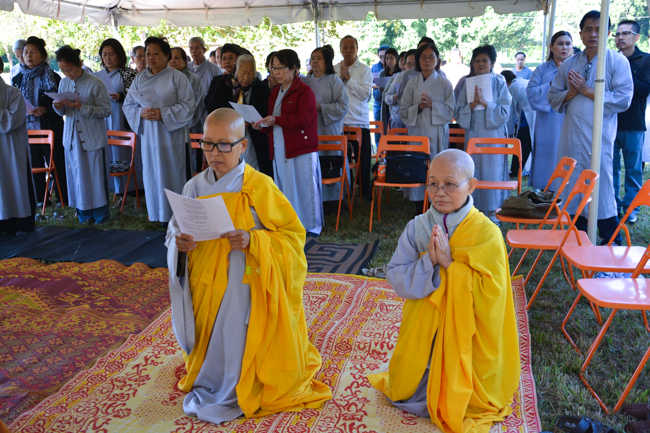
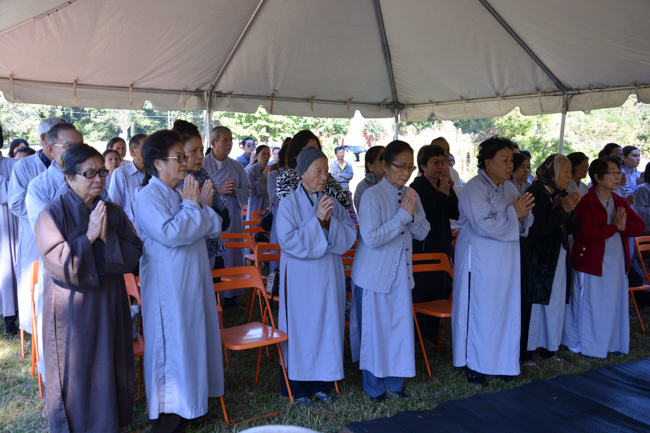
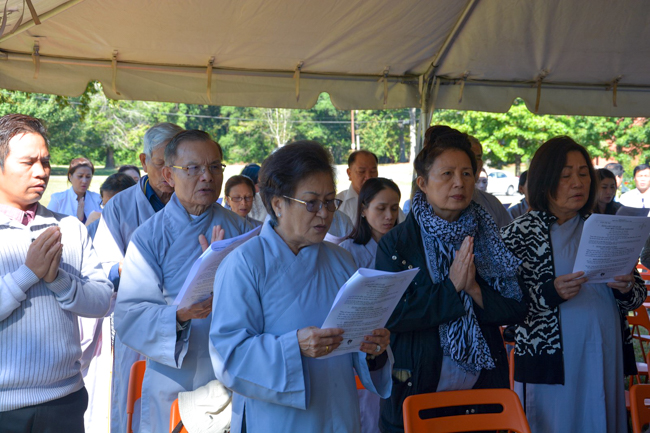
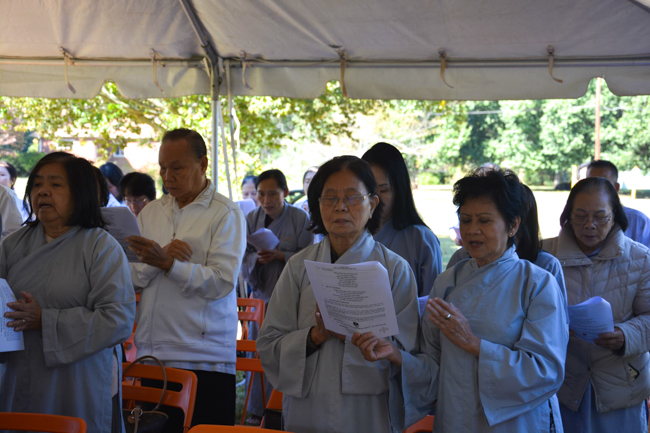
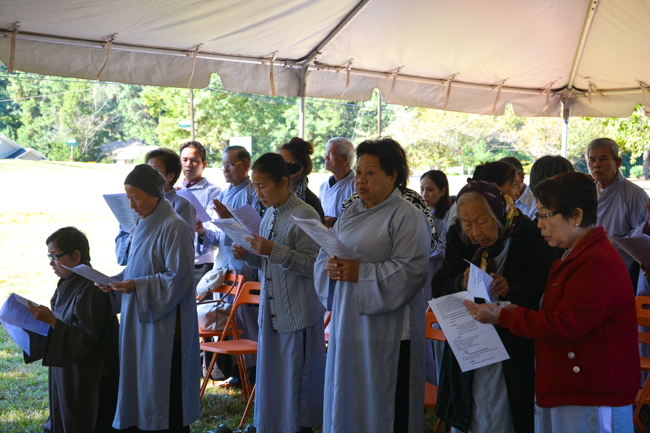
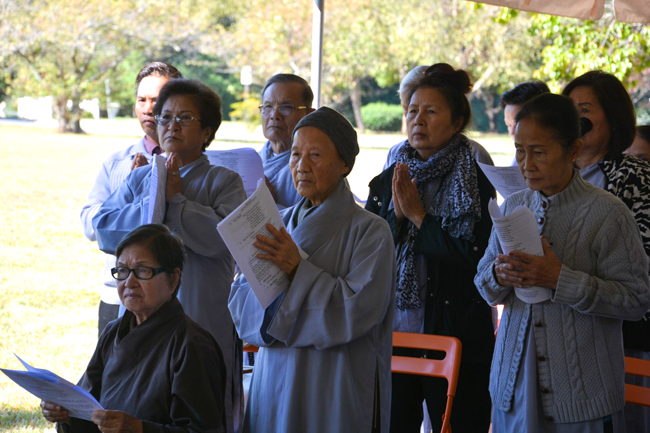
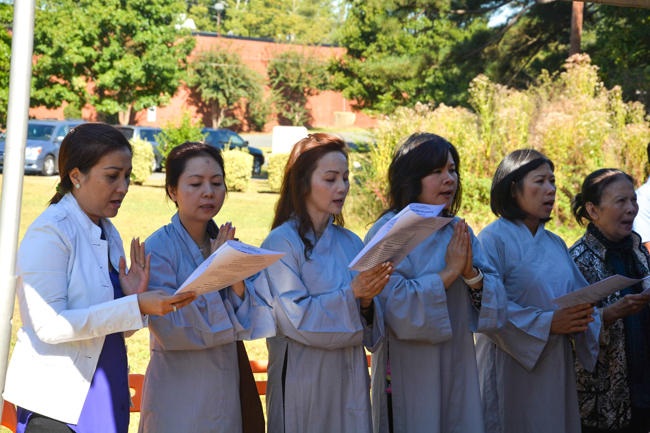
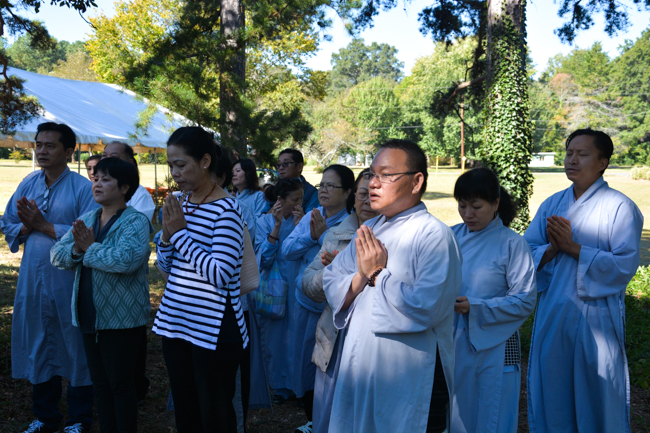
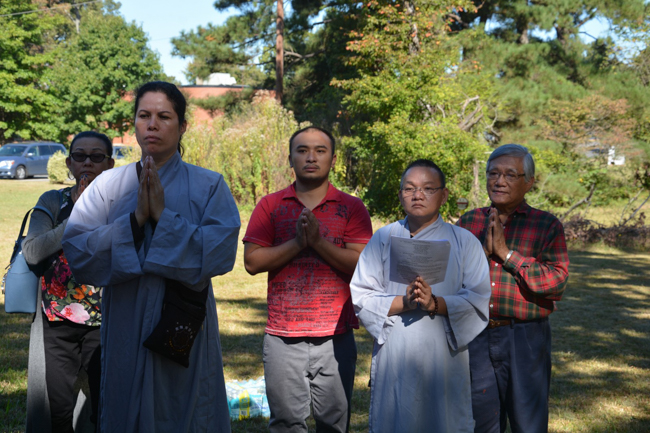
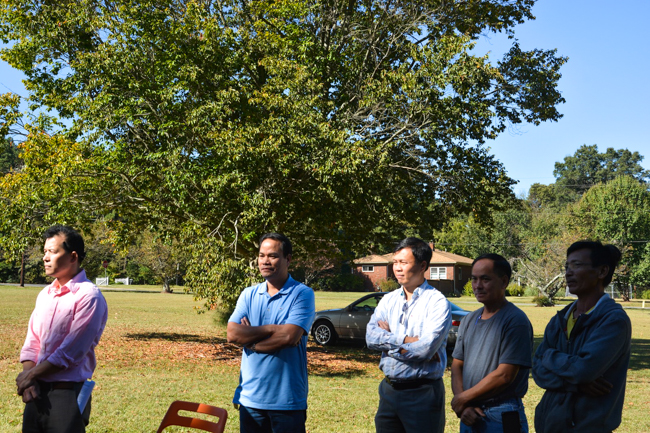
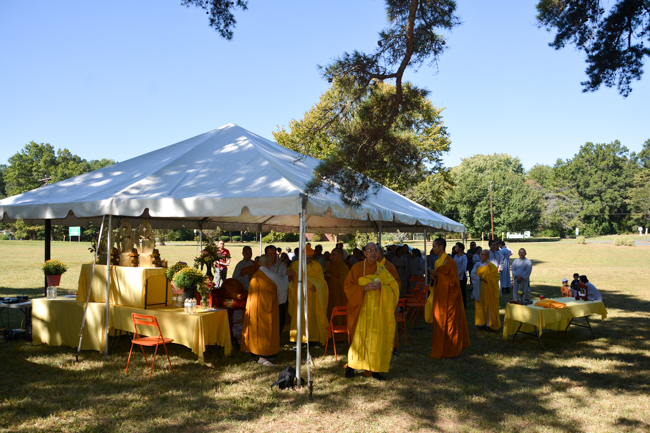
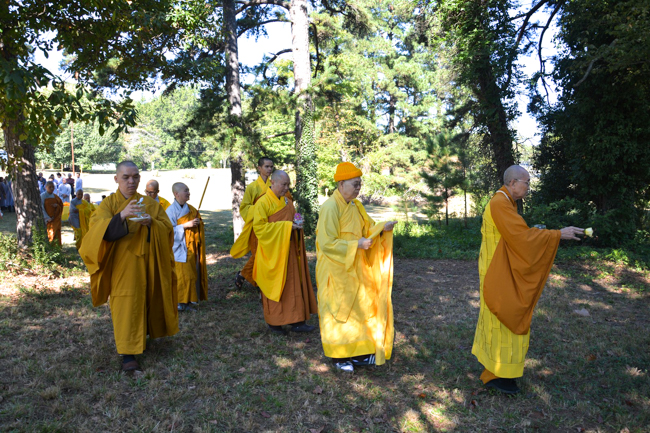
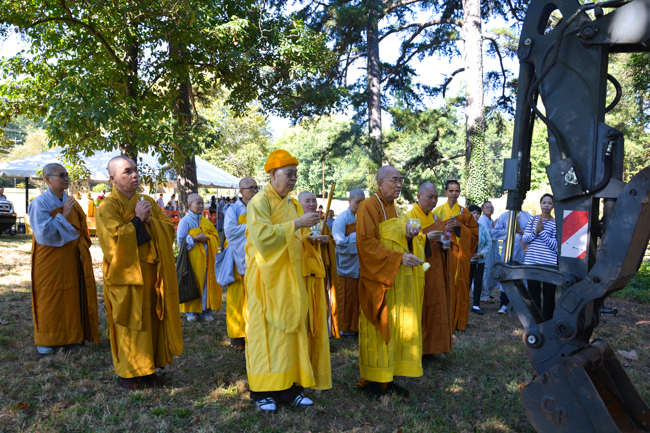
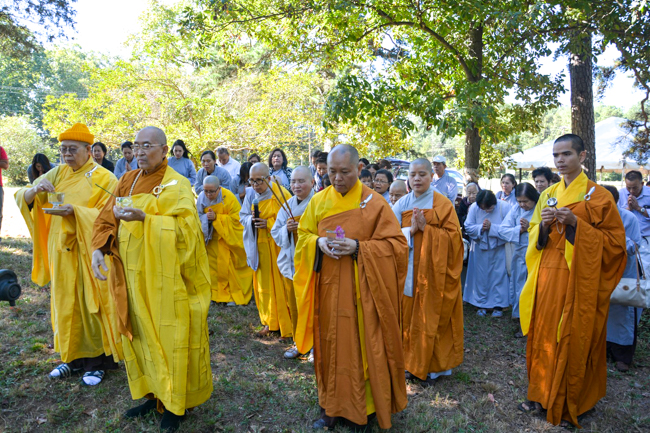
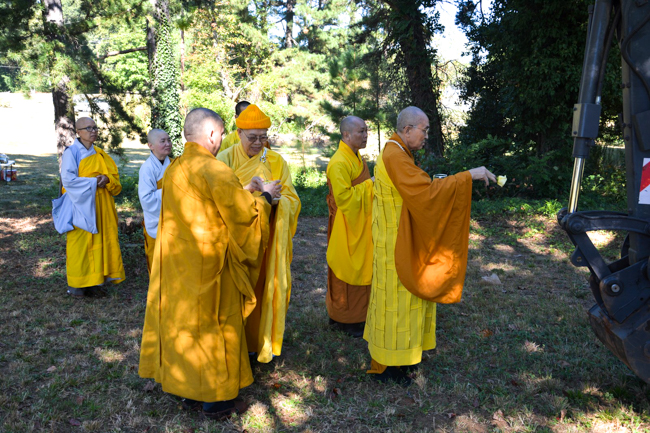
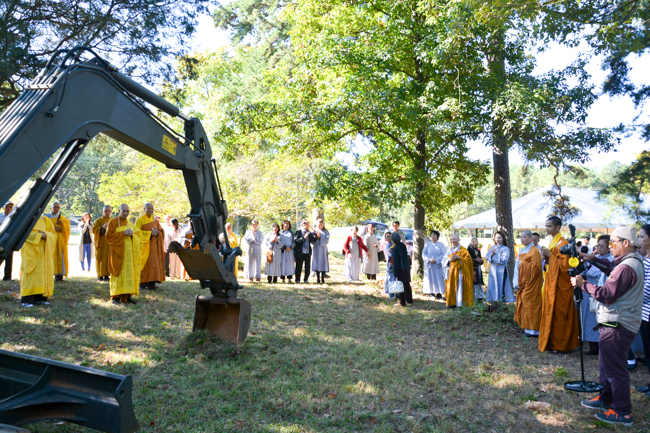
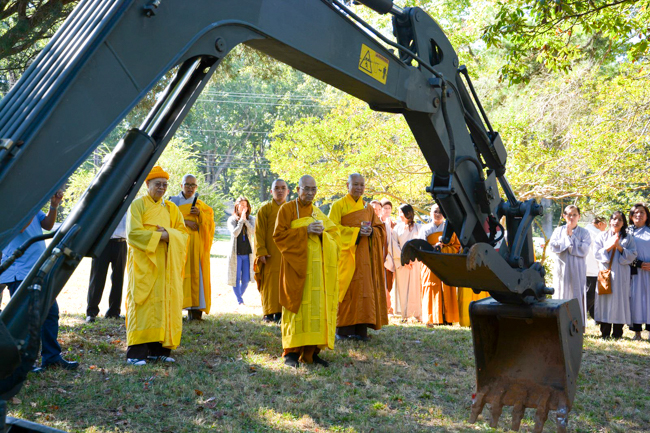
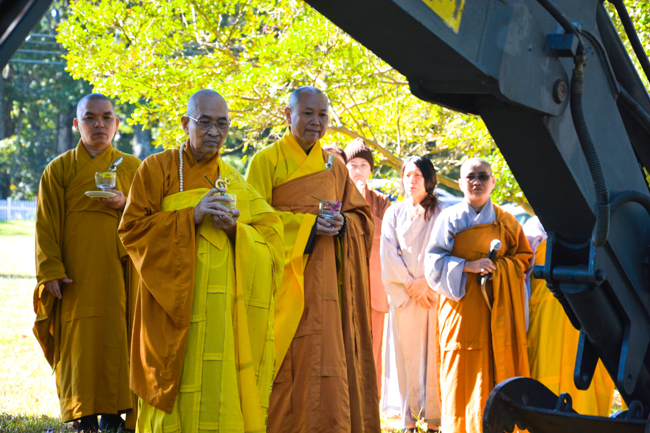
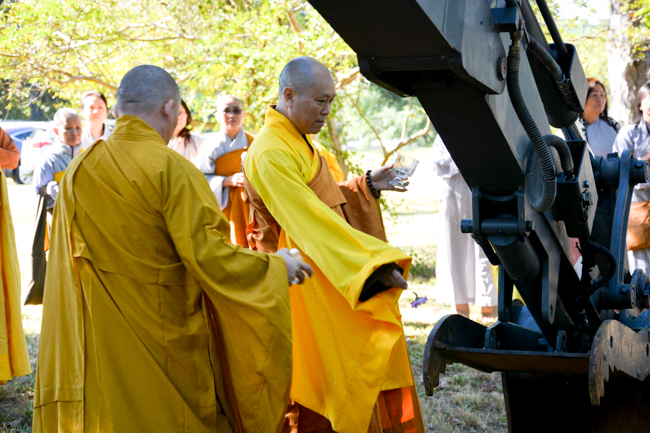
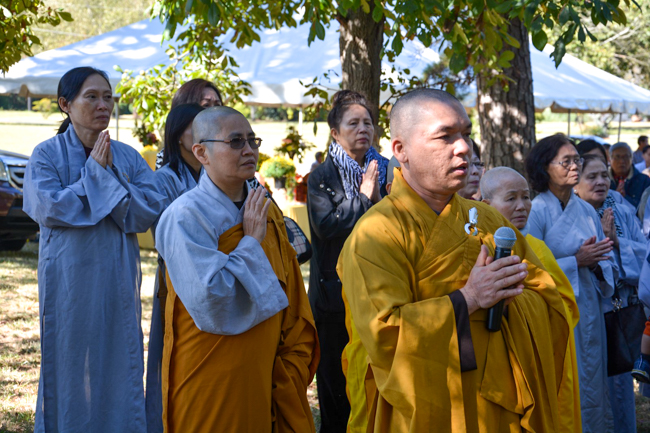
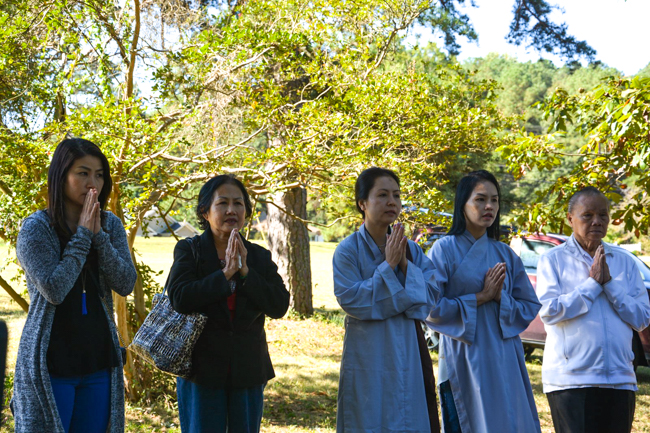
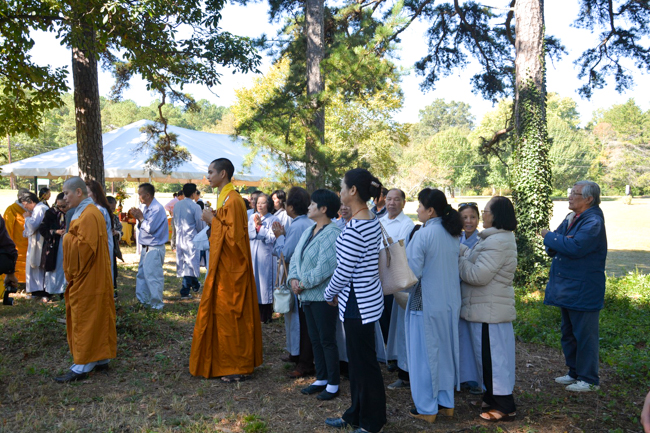
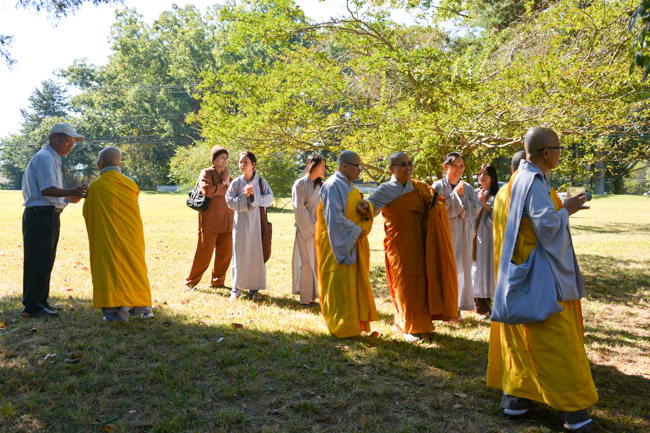
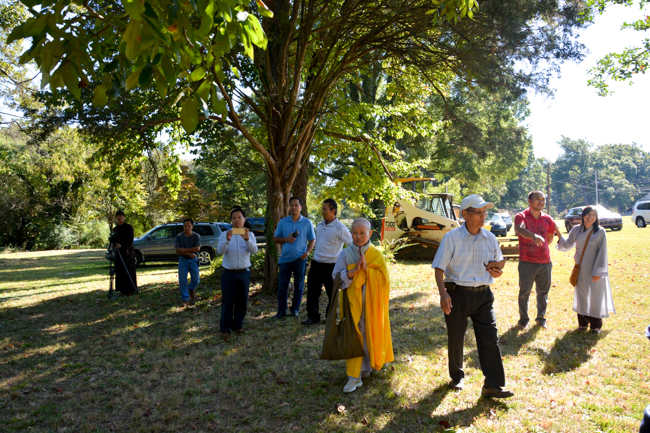
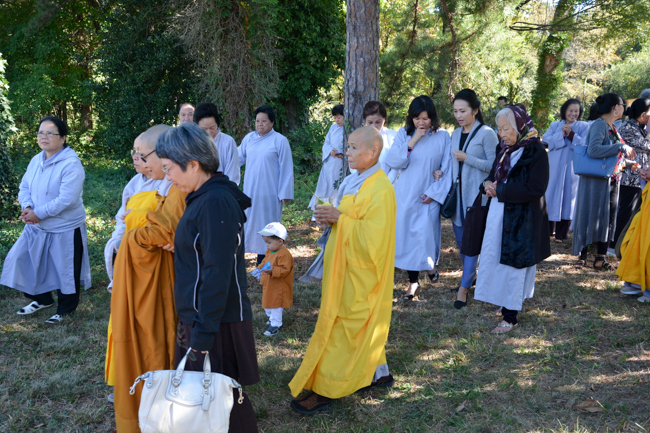
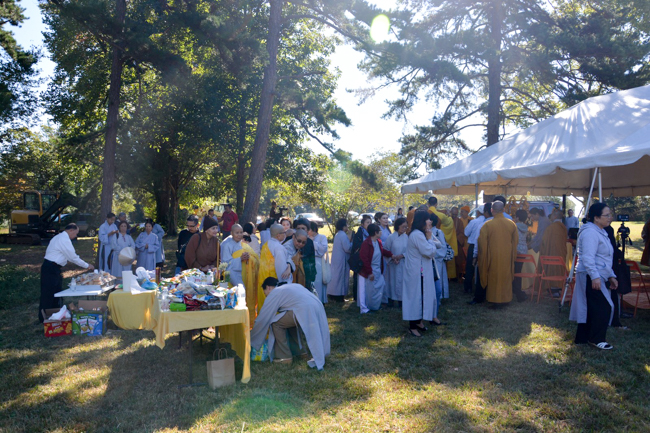
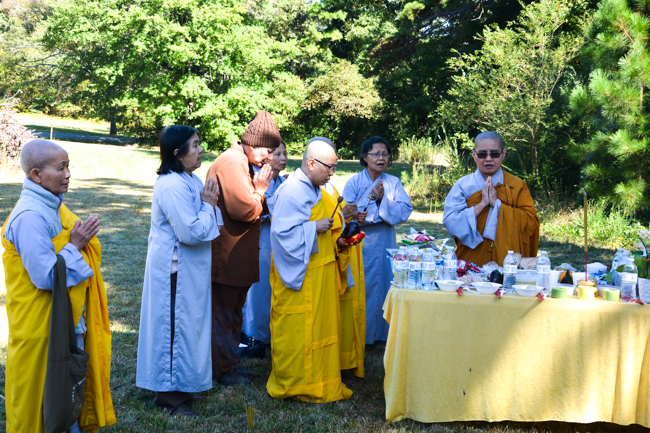
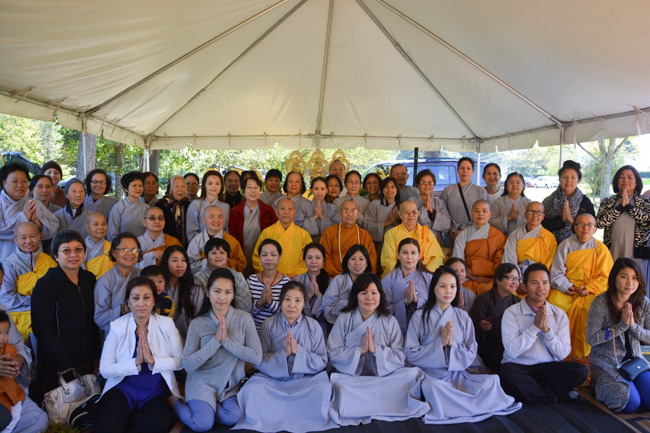
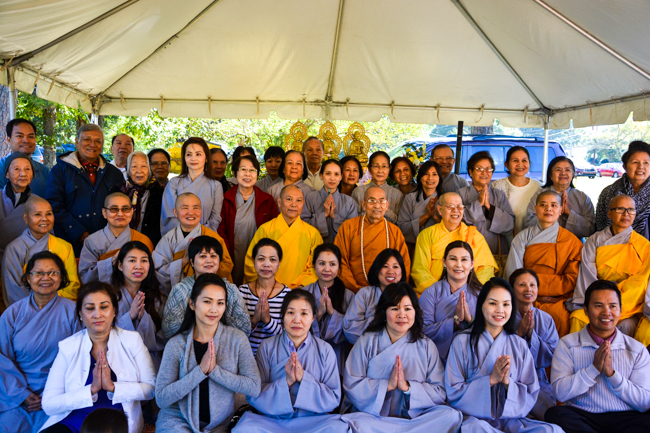
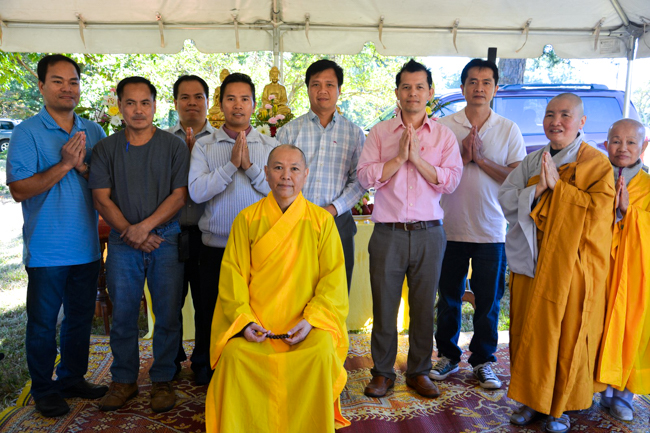
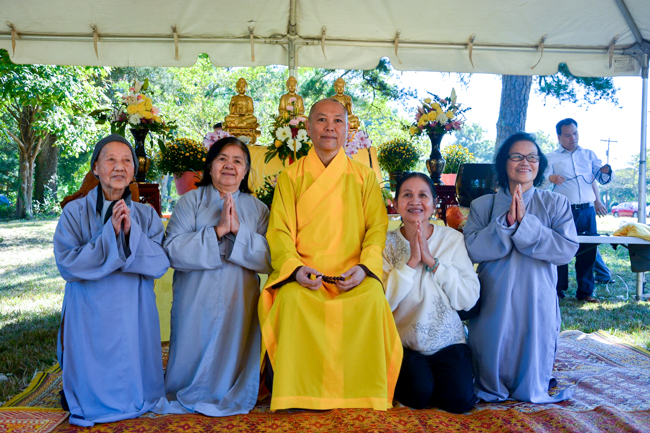
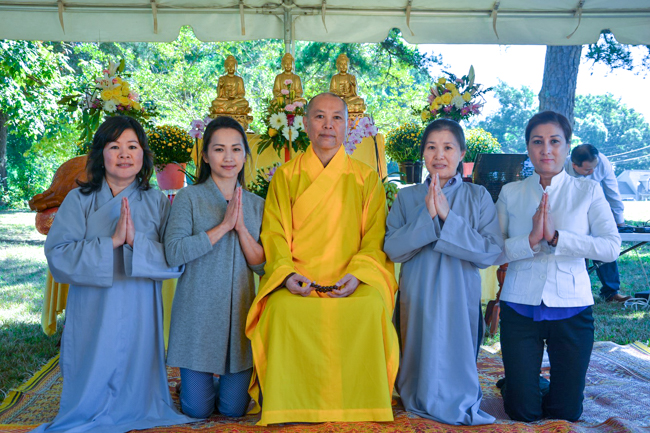
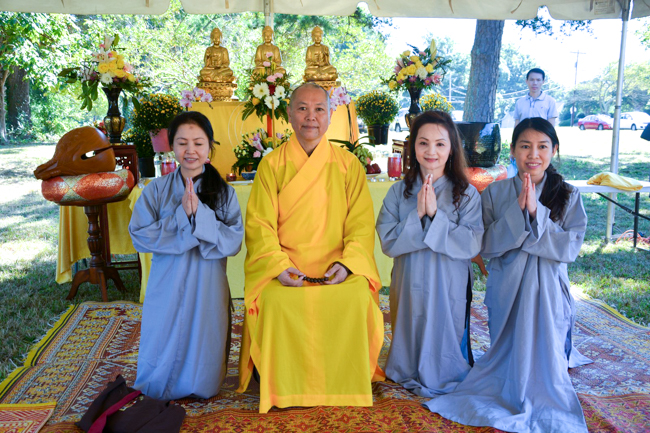
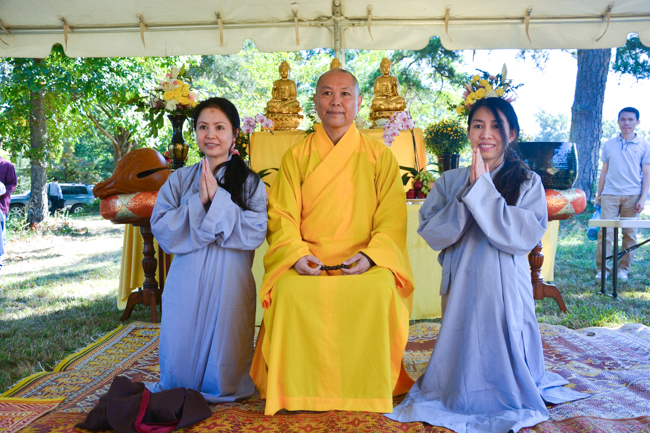
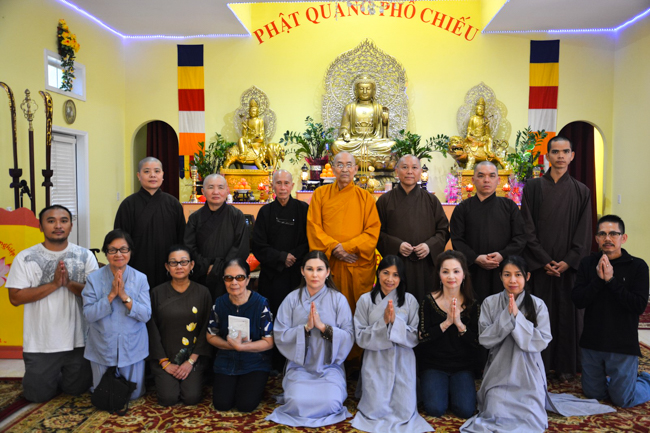
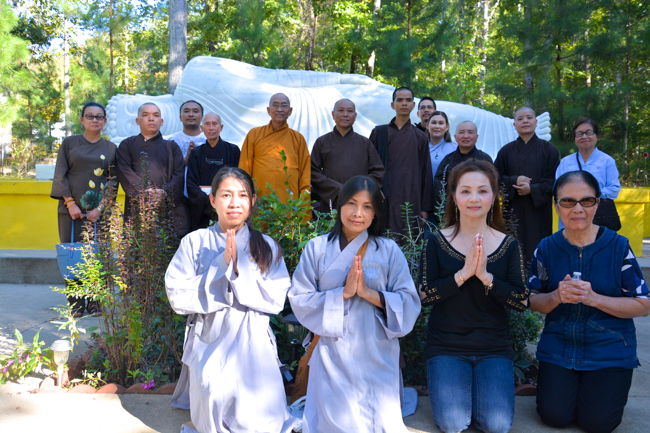
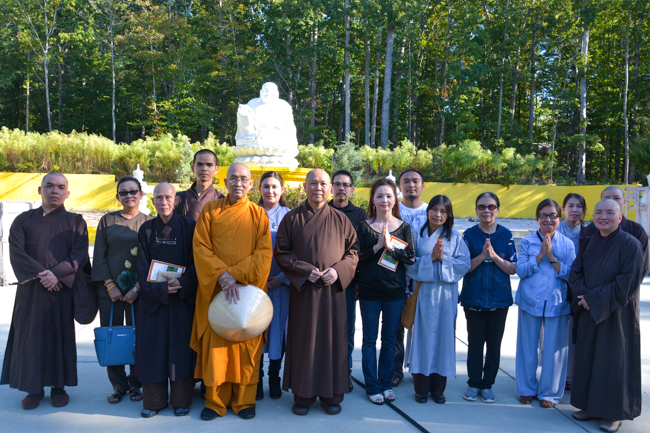
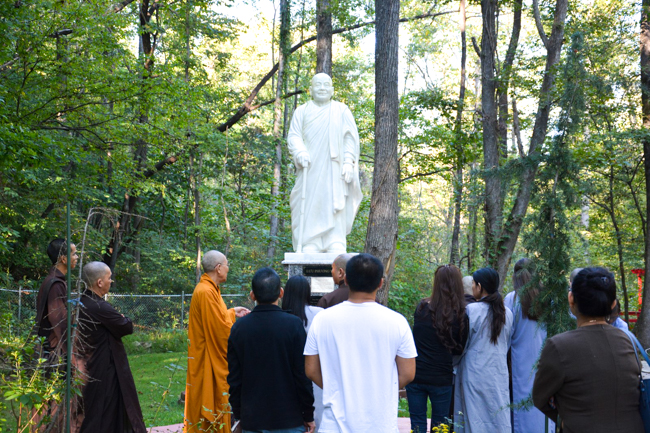
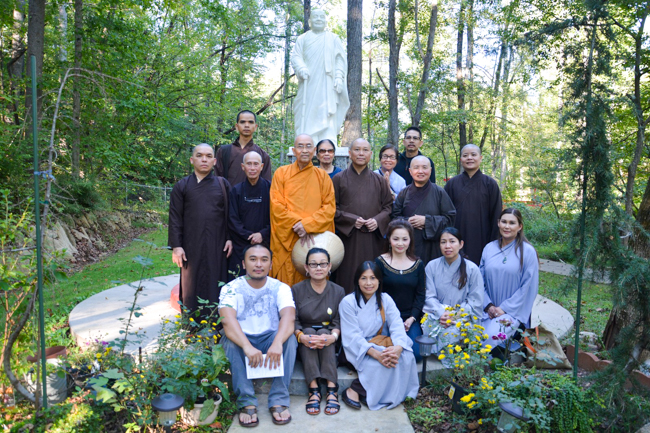
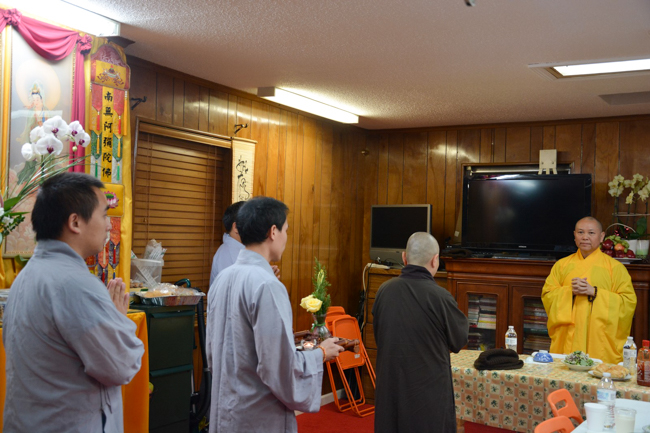
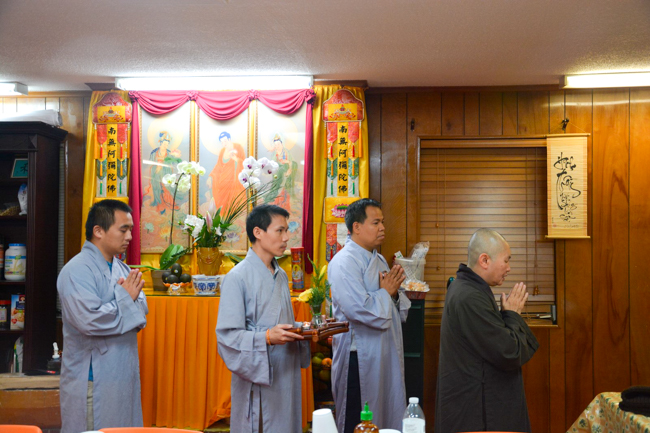
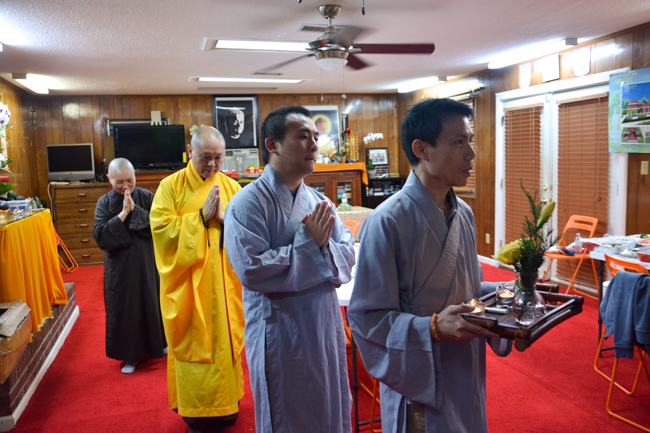
The ceremony also honorably had the witnesses of the Most Venerable Thich Chan Phuc, deputy abbot of Vien Quang Pagoda, the Most Venerable Thich Thien Quang, abbot of Cuc Lac pagoda, and the attendance of other devout Buddhists. All came to pray for the best of the pagoda construction.
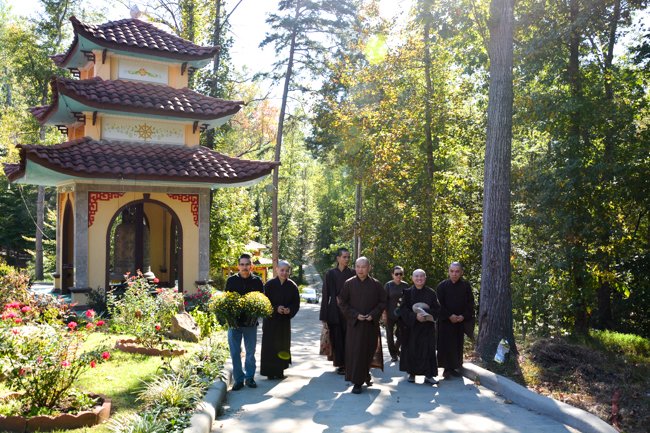
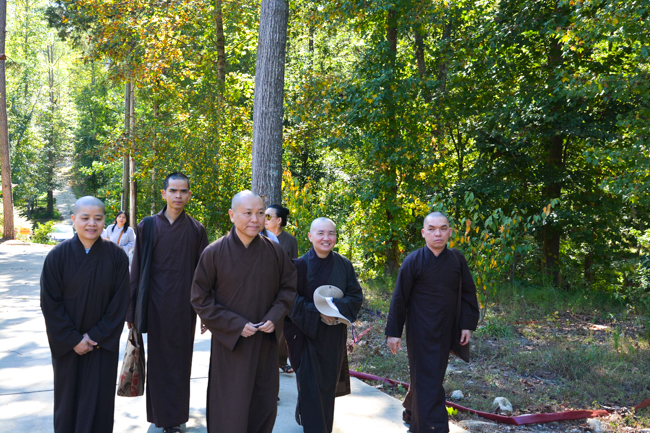
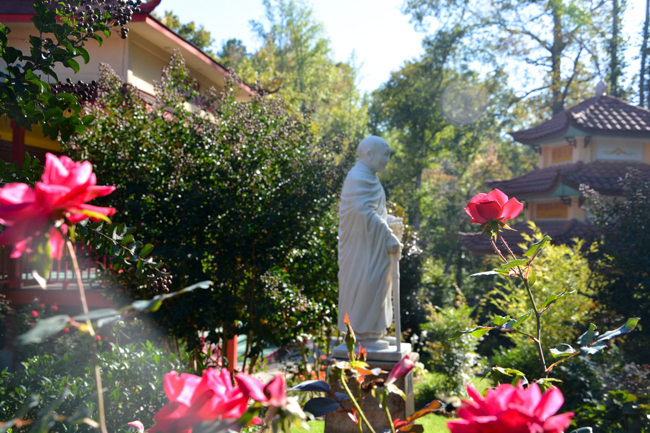
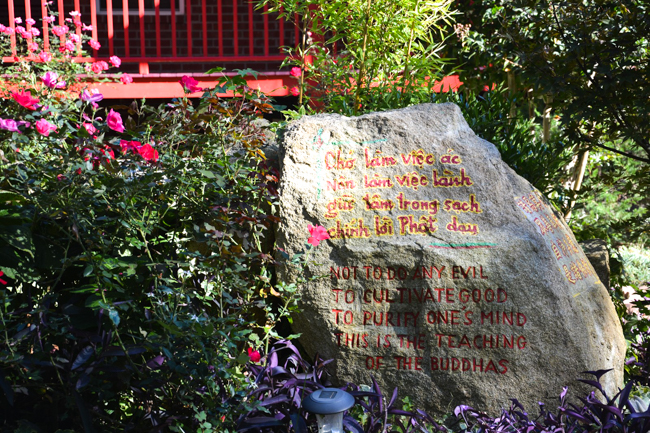
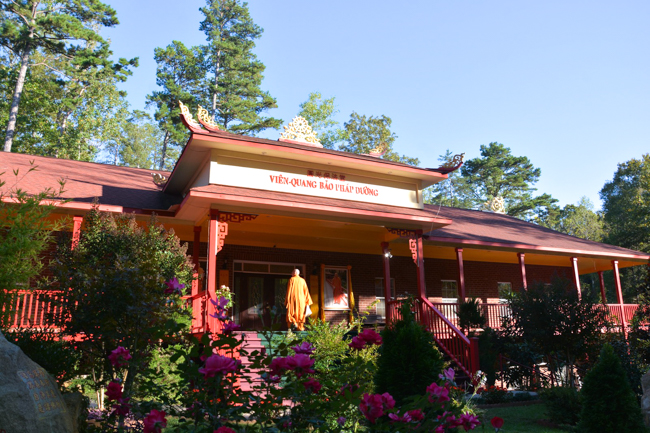
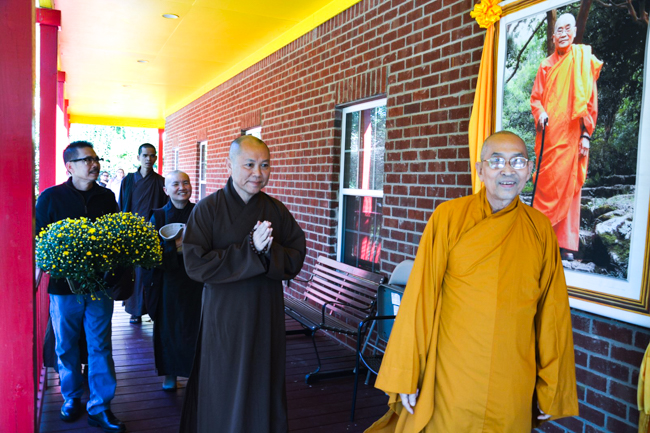
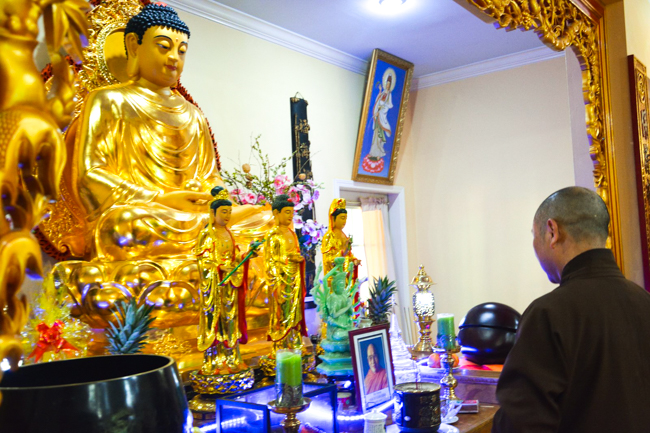
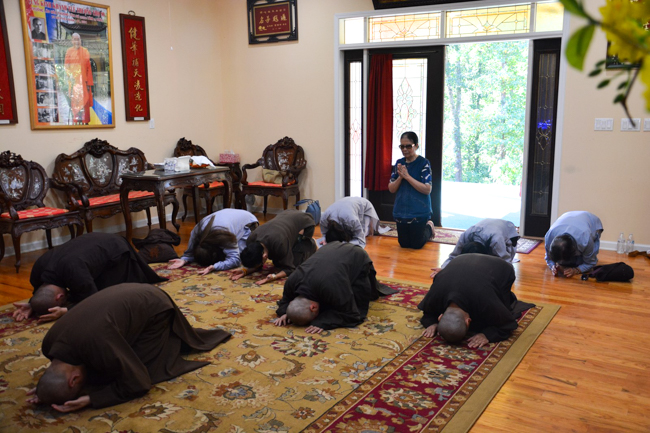
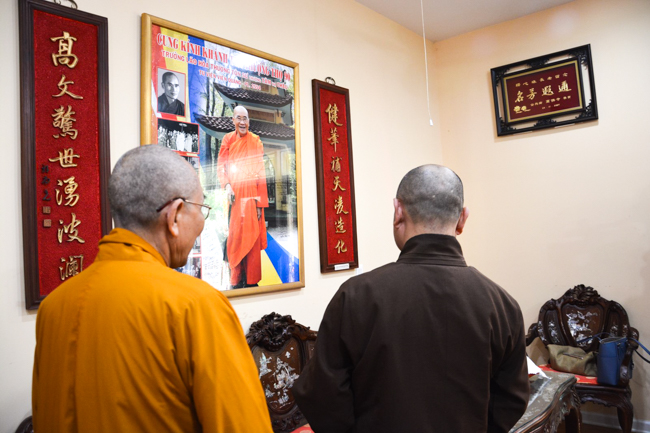
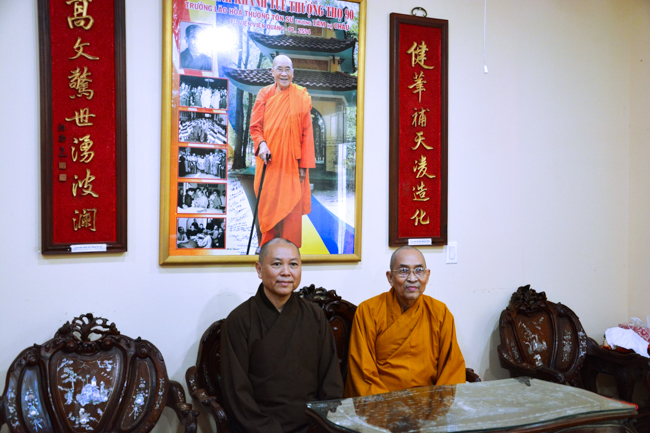
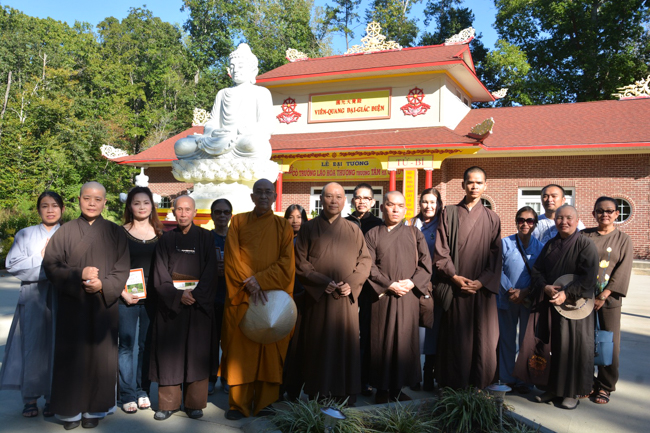
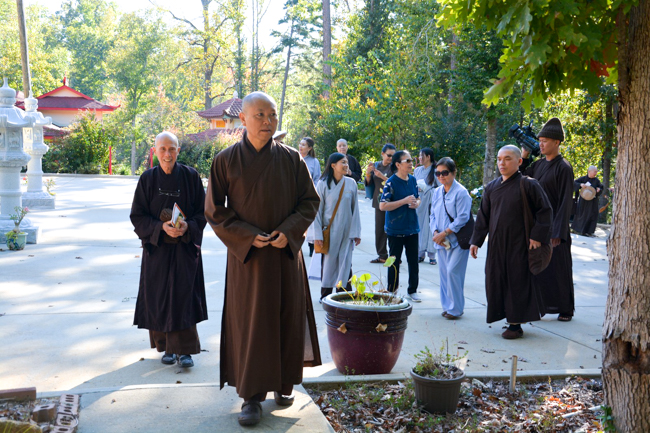
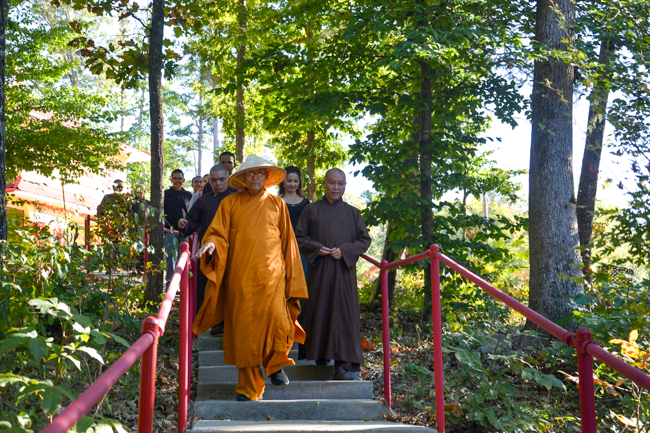
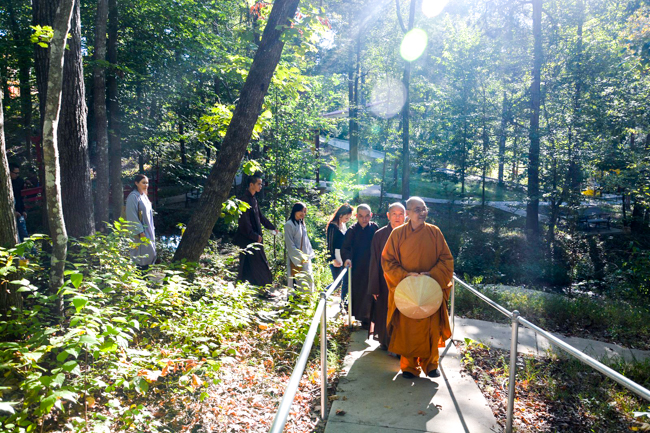
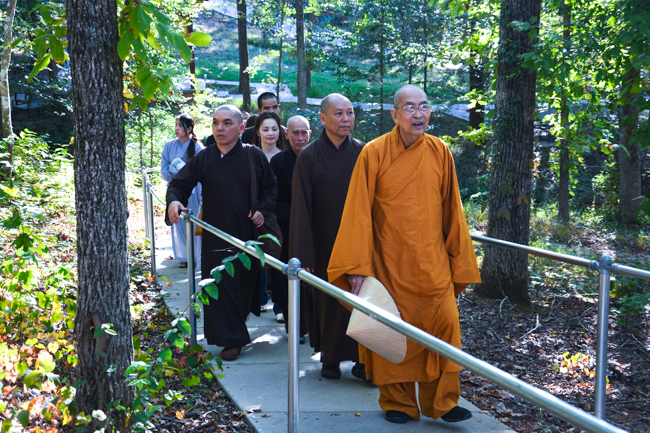
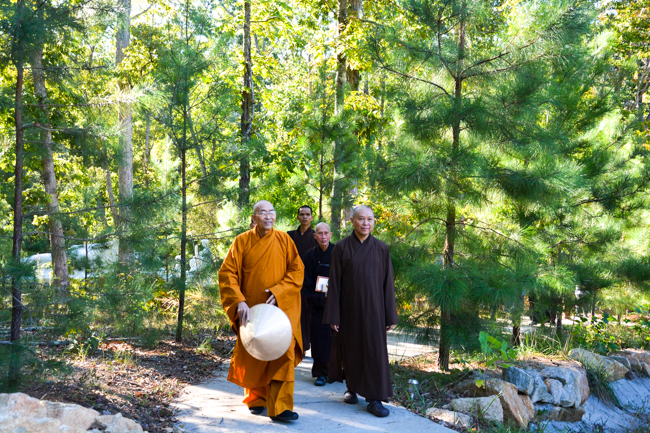
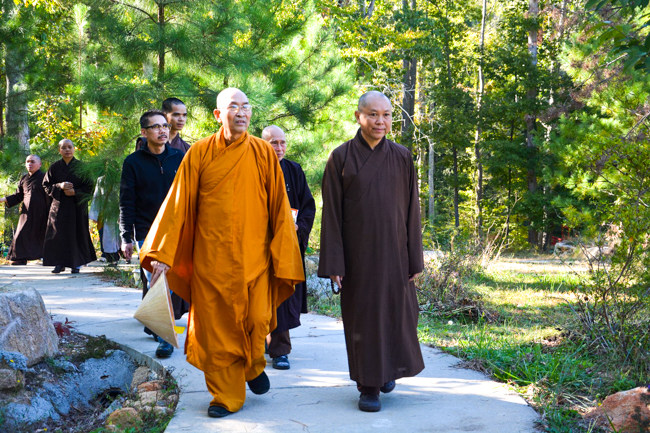
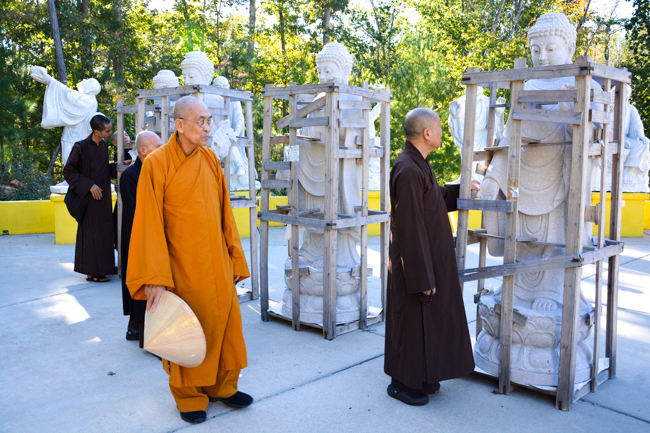
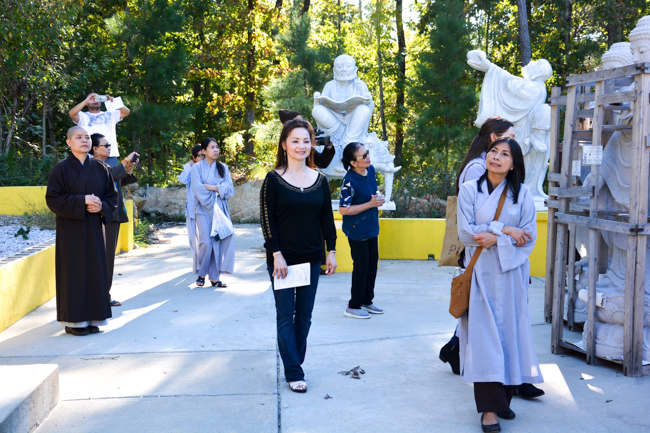
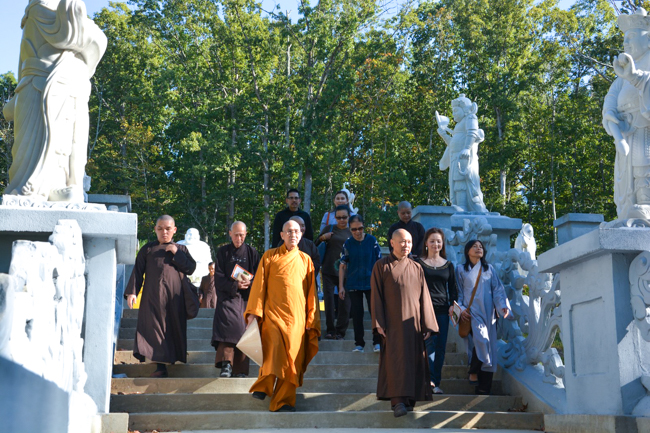
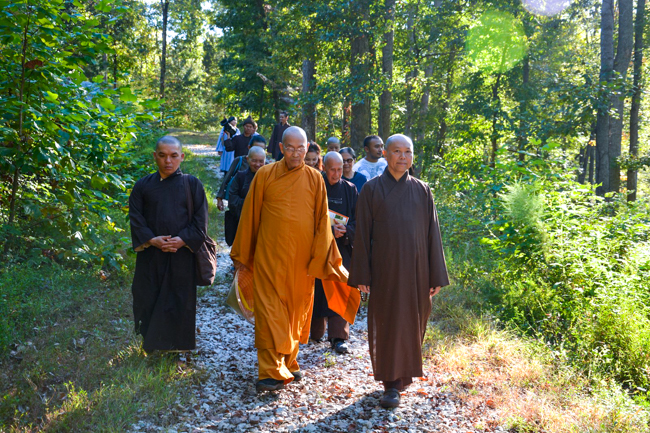
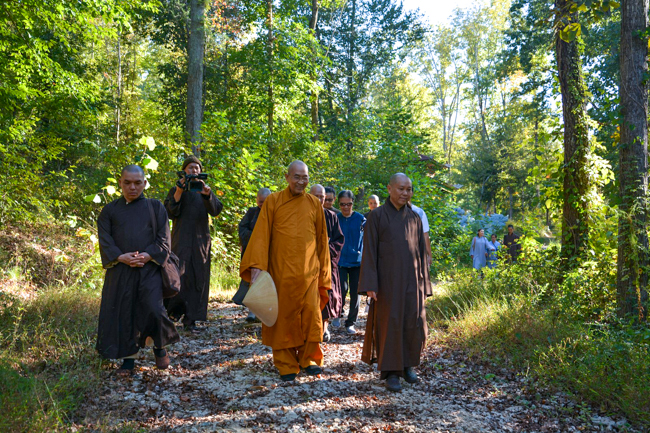
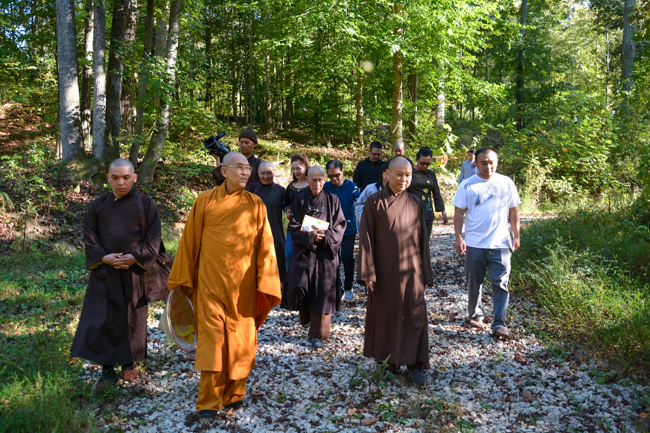
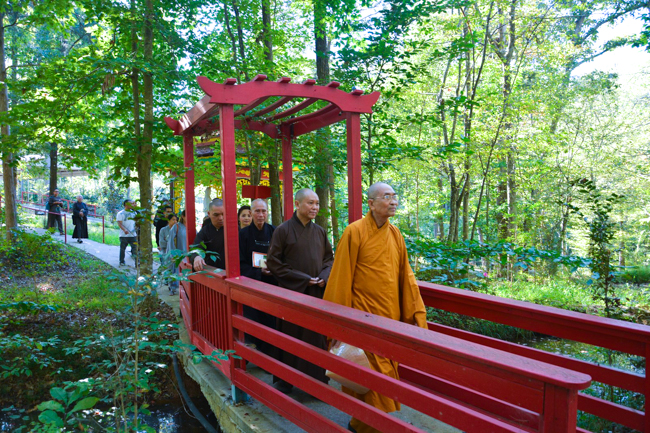
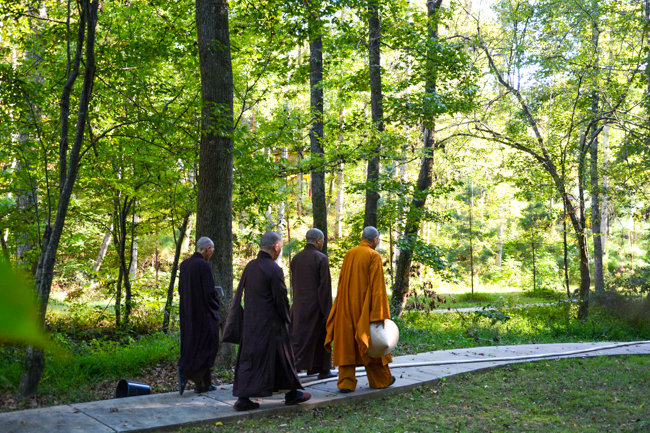
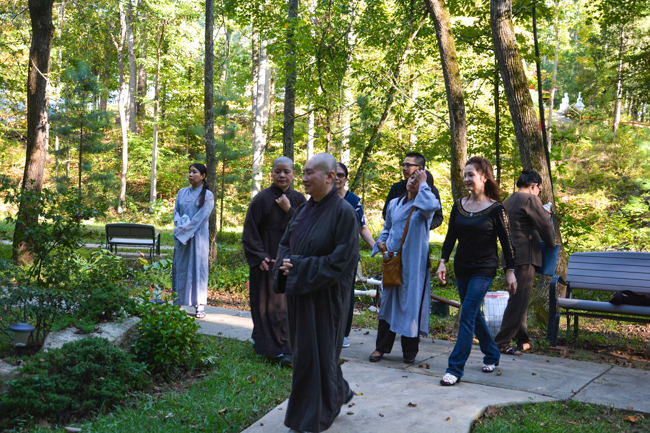
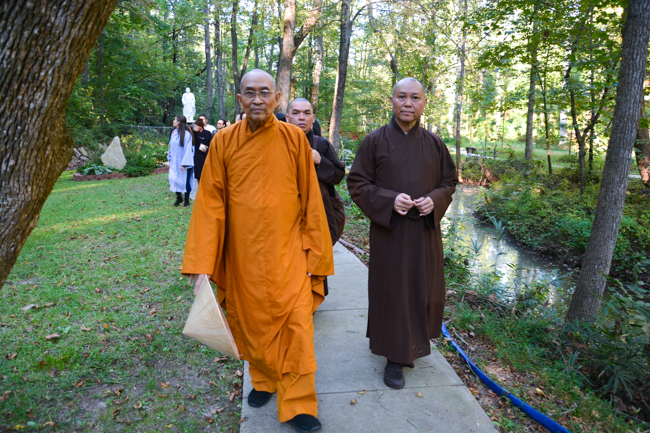
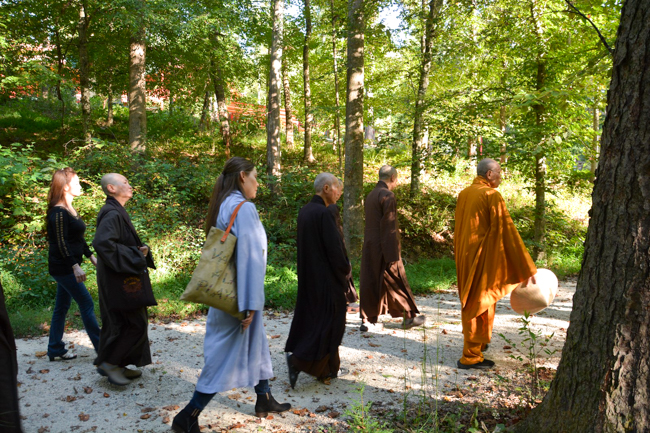
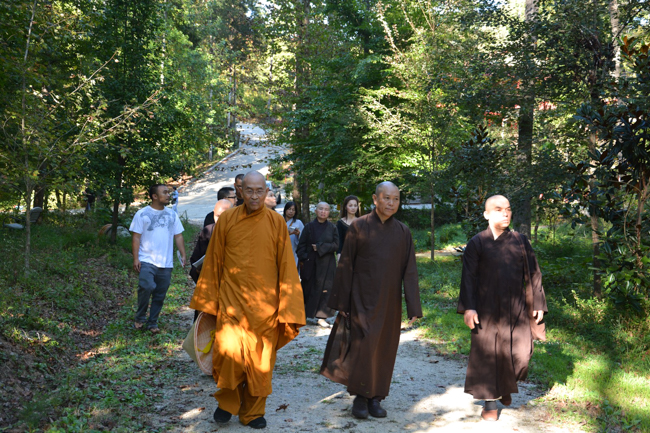
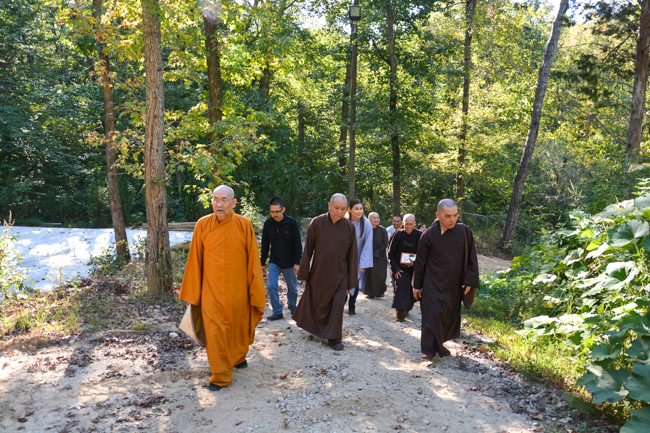
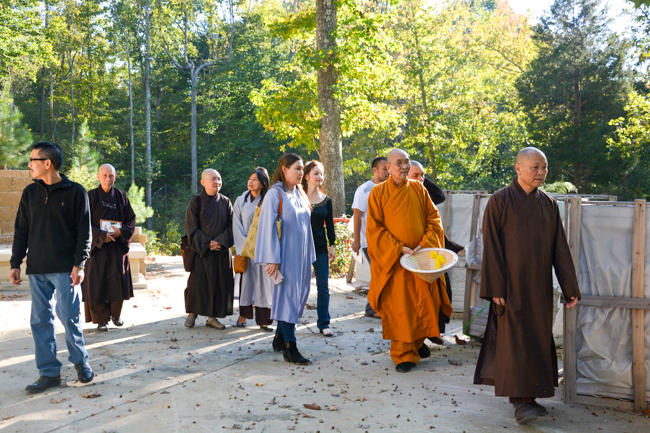
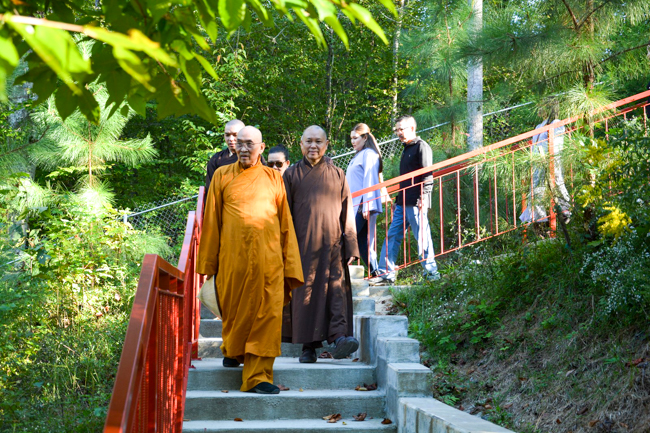
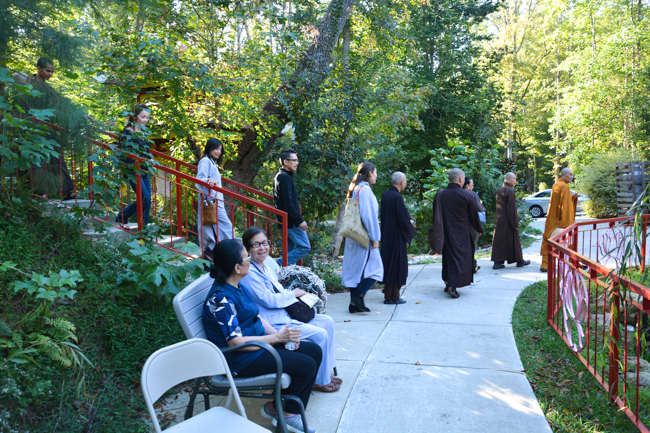
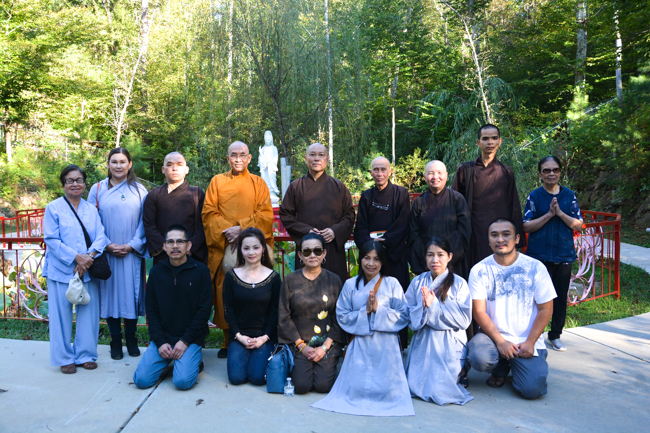
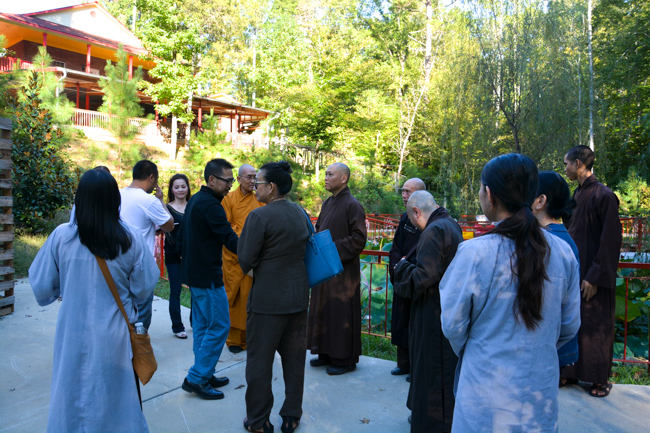
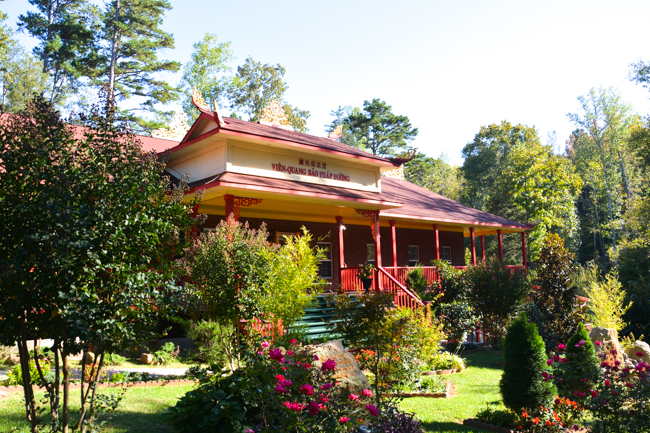
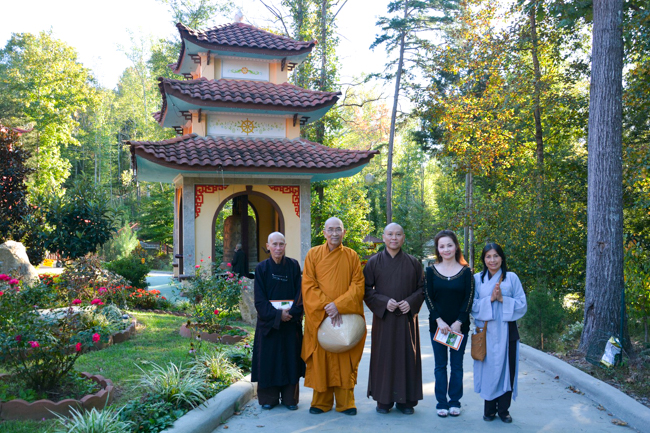
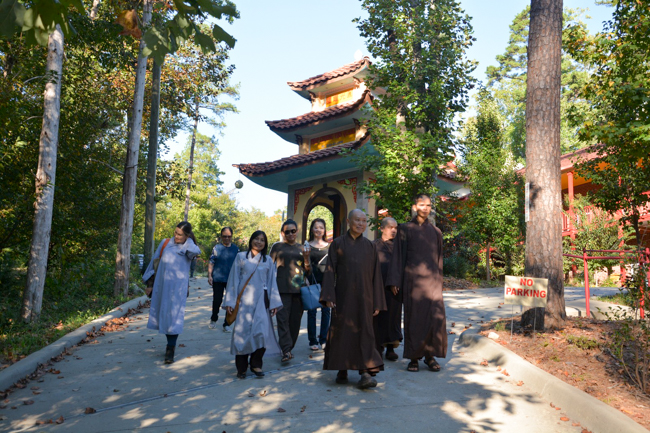
In the afternoon, Senior Venerable Thich Chan Tinh visited Vien Quang Pagoda in Charlotte and had the warm welcome from the Most Venerable Thich Chan Phuc, deputy abbot. Everyone paid homage to Buddha and had a visit tour around Vien Quang Temple.
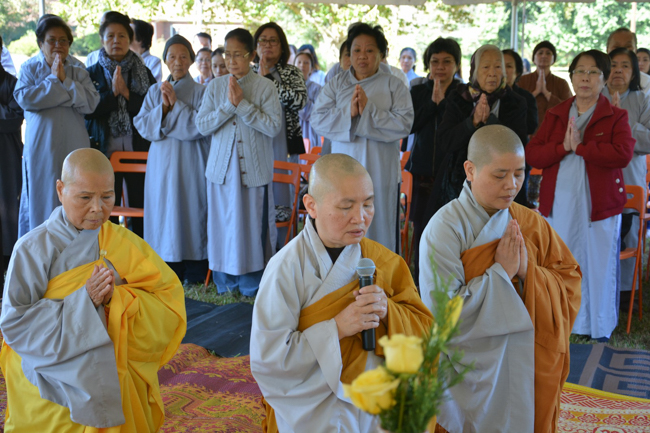
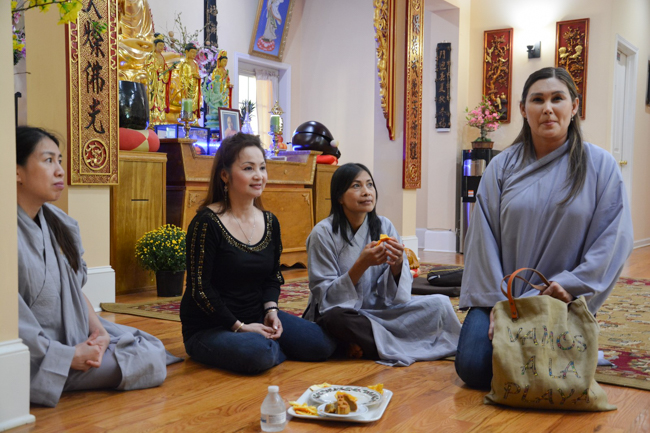
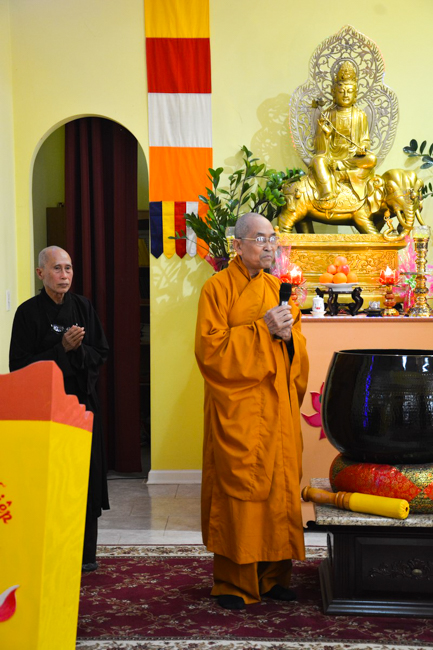
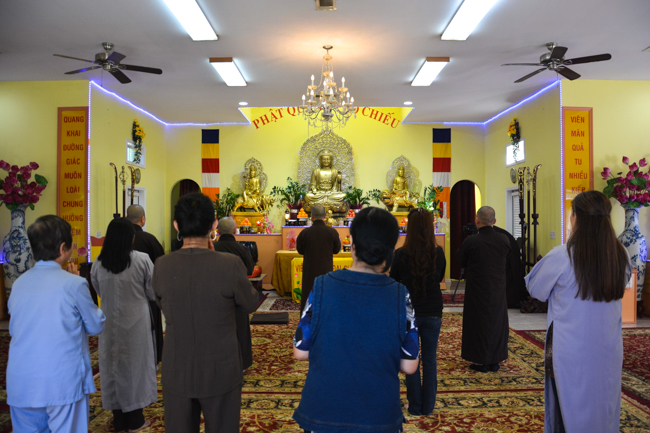
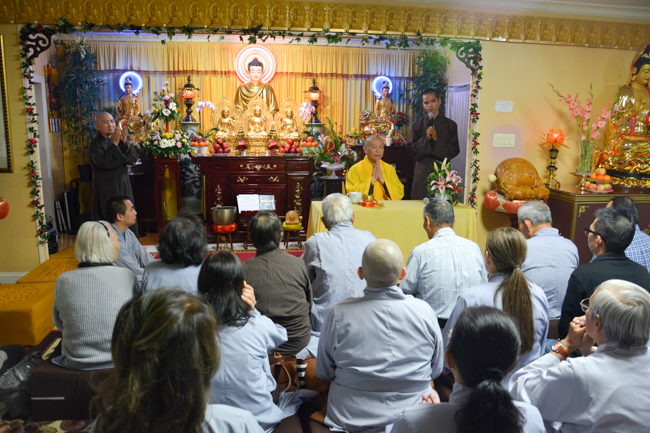
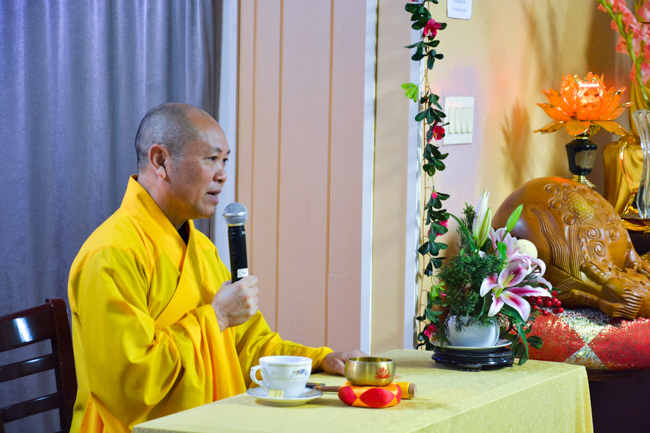
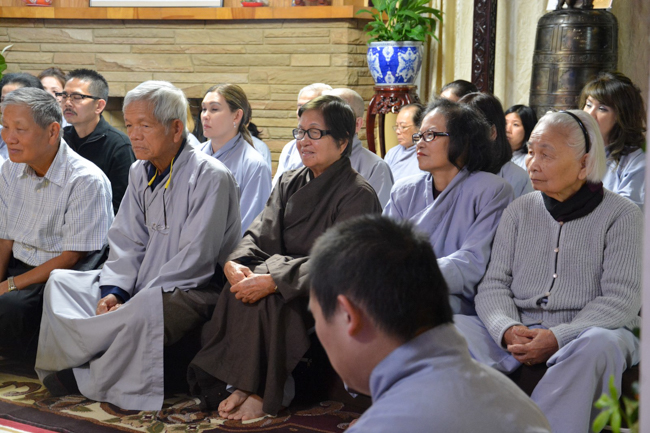
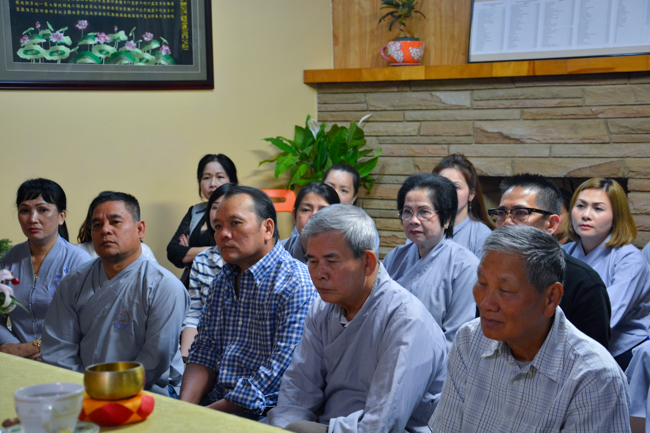
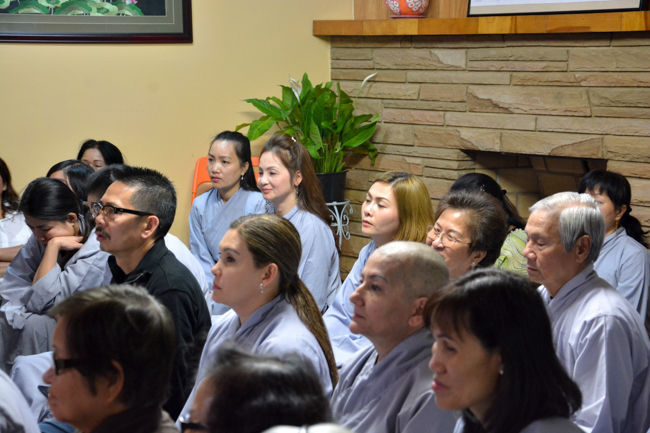
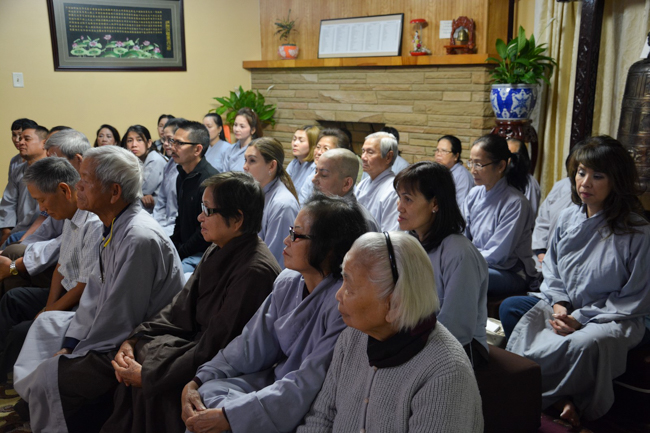
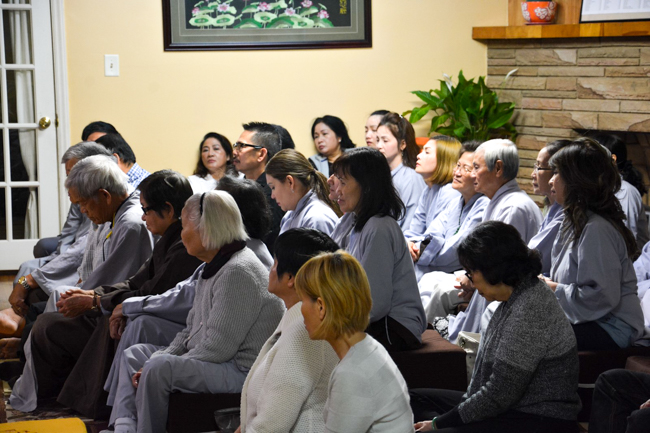
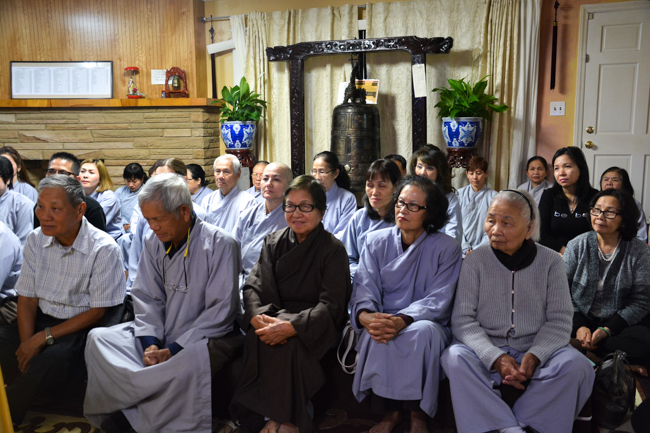
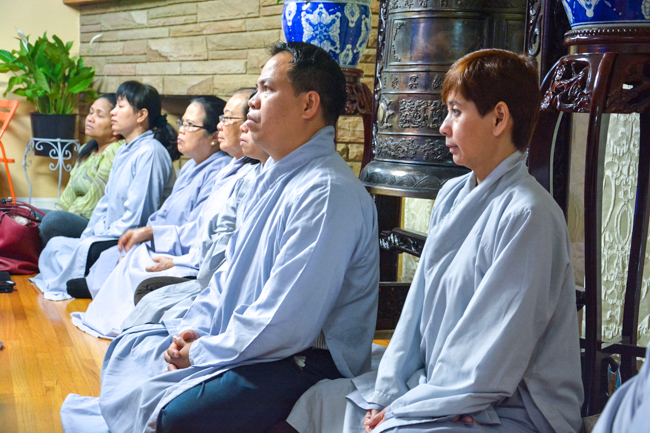
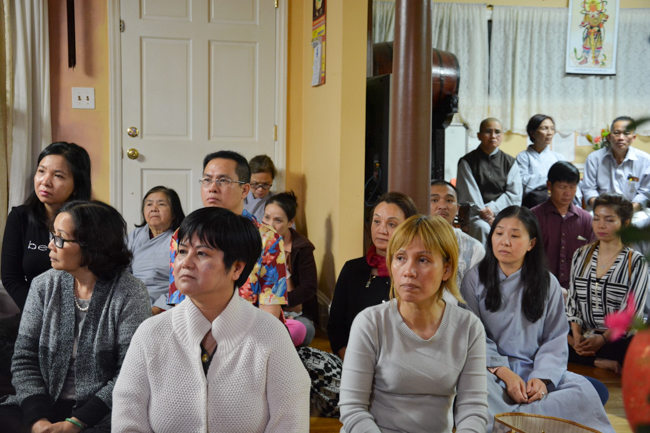
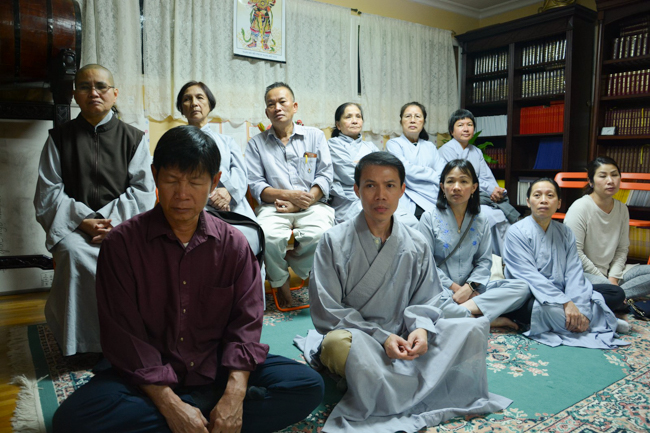
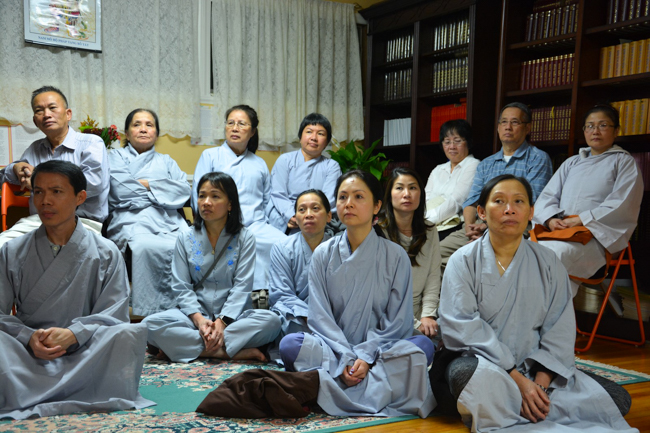
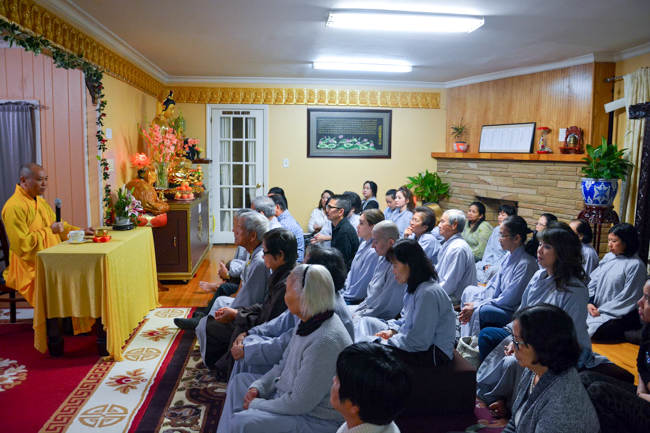
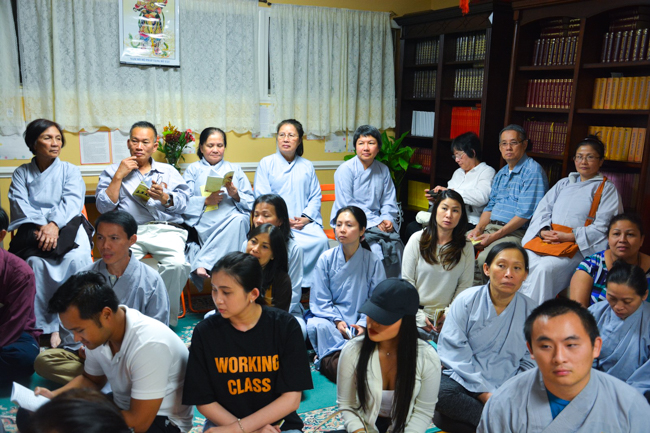
In the evening, he had Dharma talk to Buddhists at Phuoc Hai Pagoda. In which, he shared the topic on Five Subjects for Contemplation in Upajjhatthana Sutta as following:
-I am subject to aging, have not gone beyond aging
-I am subject to illness, have not gone beyond illness.
-I am subject to death, have not gone beyond death.
-I will grow different, separate from all that is dear and appealing to me.
-I am the owner of my actions,heir to my actions, born of my actions, related through my actions, and have my actions as my arbitrator. Whatever I do, for good or for evil, to that will I fall heir
He explained clearly about the five facts as above mentioned. Things as money, parent, spouse, brother/sister are compounded conditions that will disappear at the right time instead of staying with us forever. What remain with us from kalpas to kalpas are karma. Bad deeds will give evil results while good deeds will bring fruit of happiness and ease to the doer.
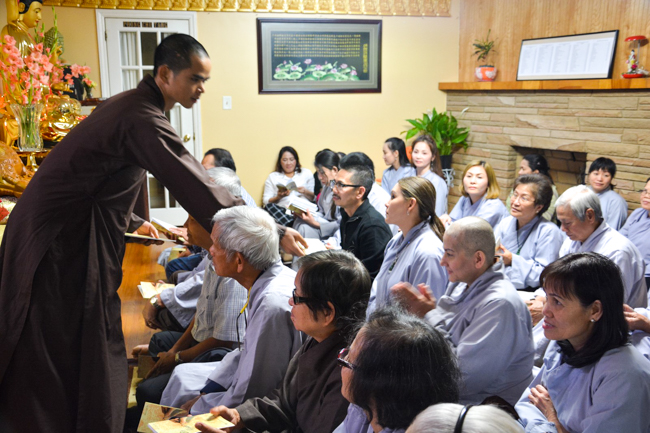
At the end of the Dharma talk, he sent Dharma gift to participants including booklets “Tu la Tien†and “Doi Nguoiâ€.
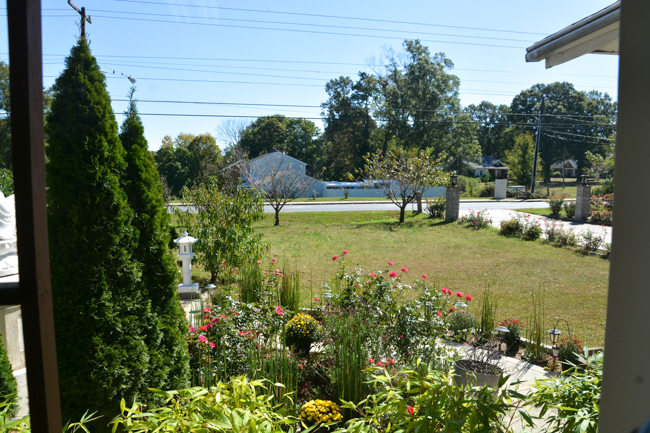
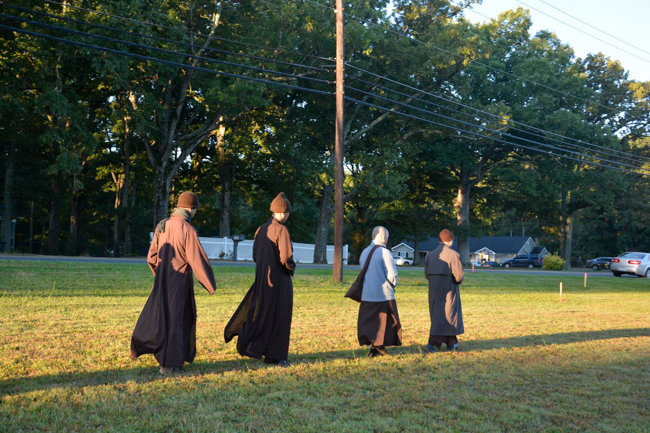
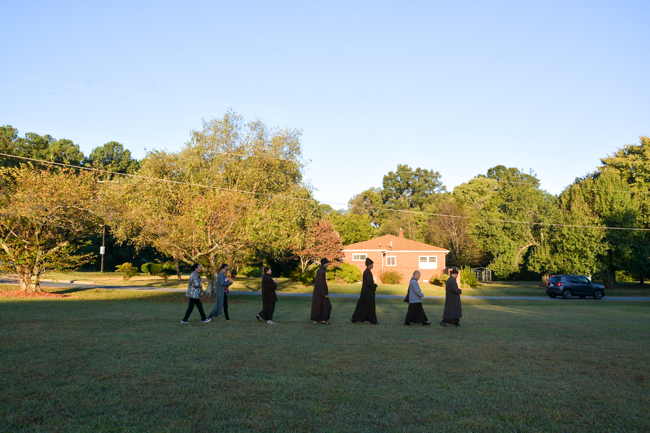
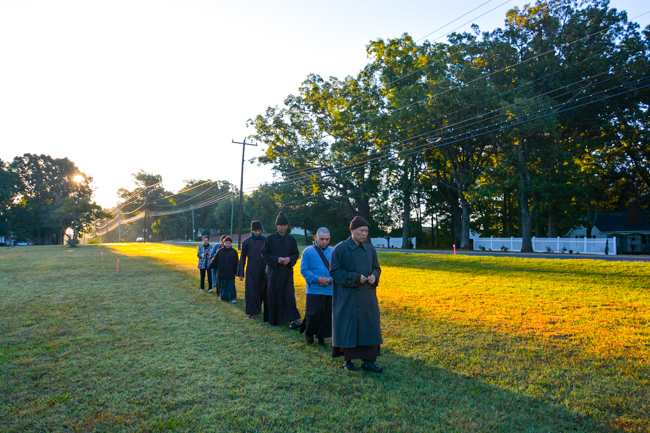
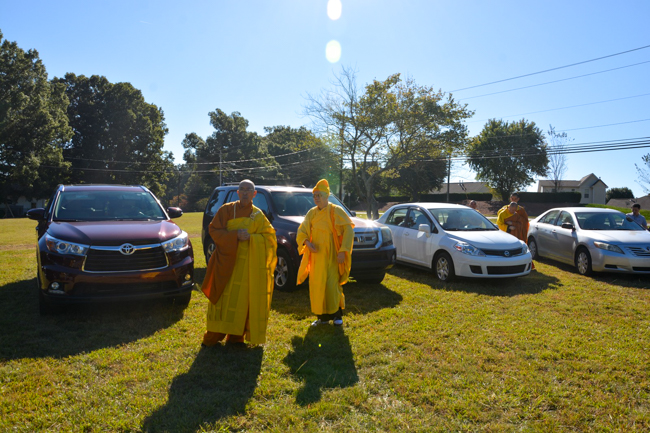
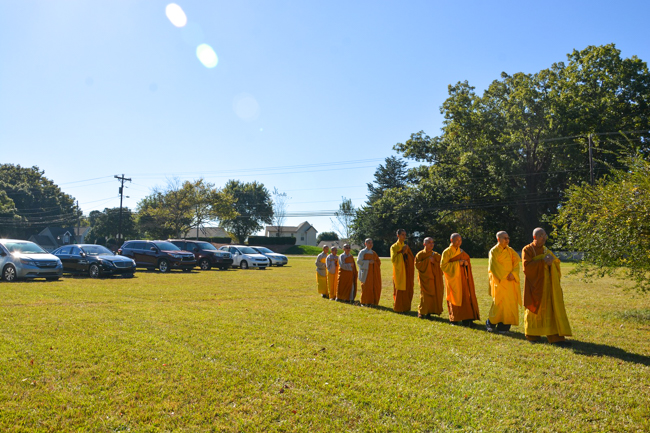
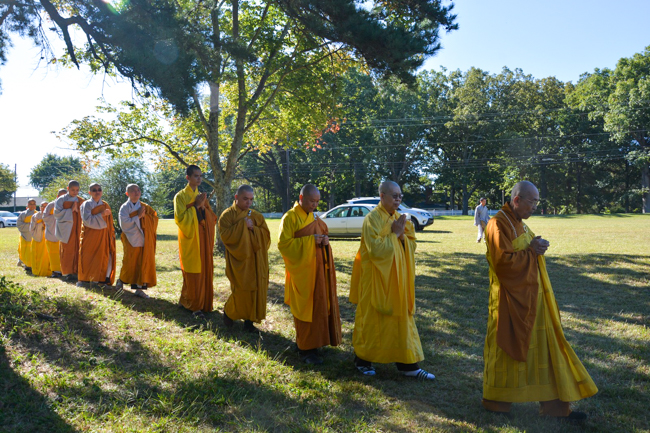
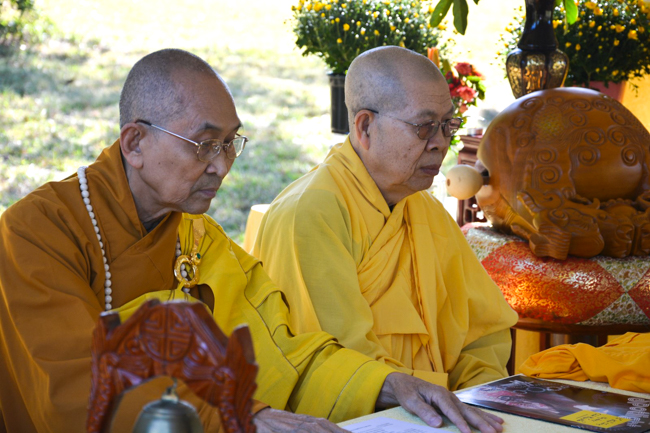
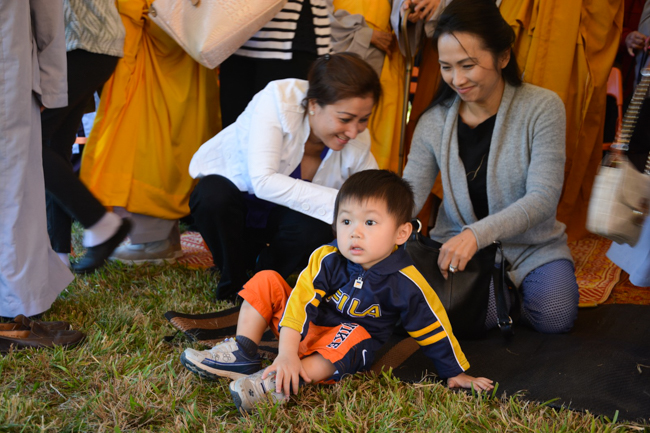
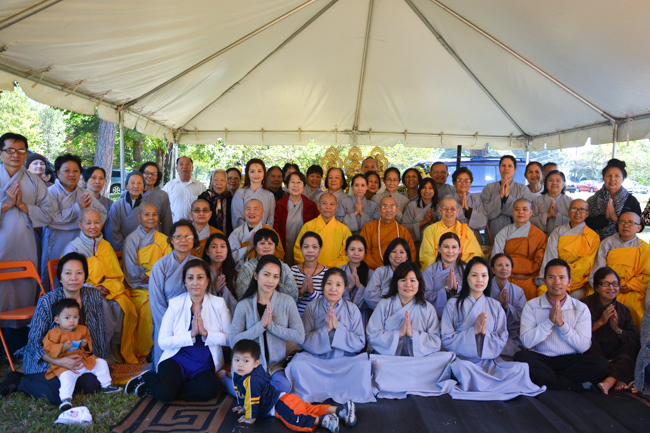
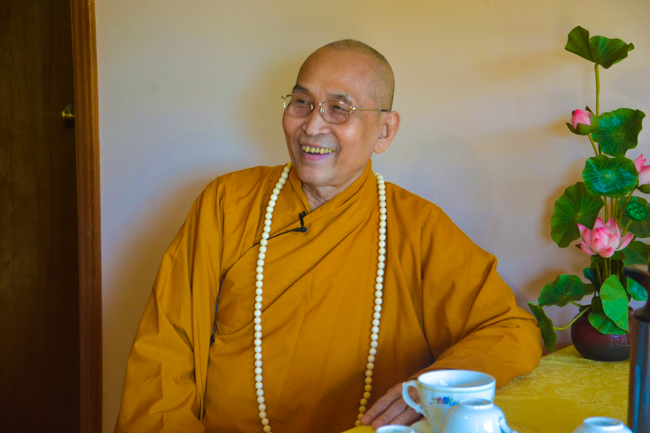
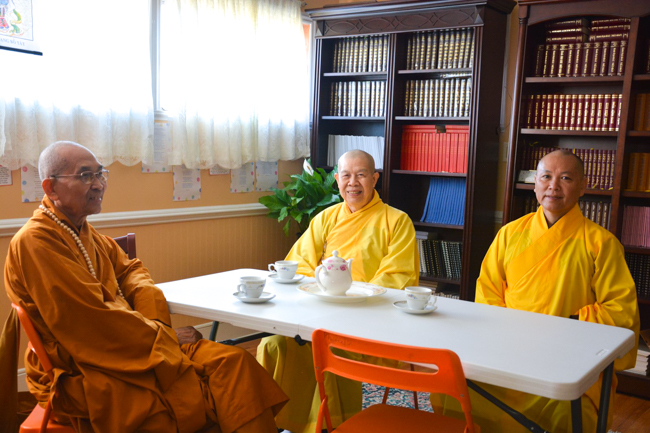
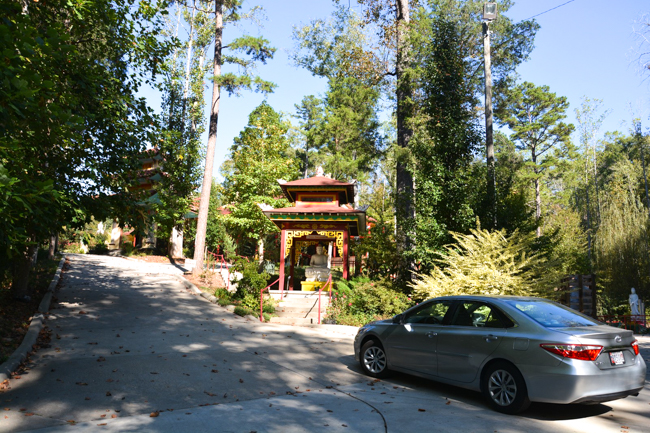
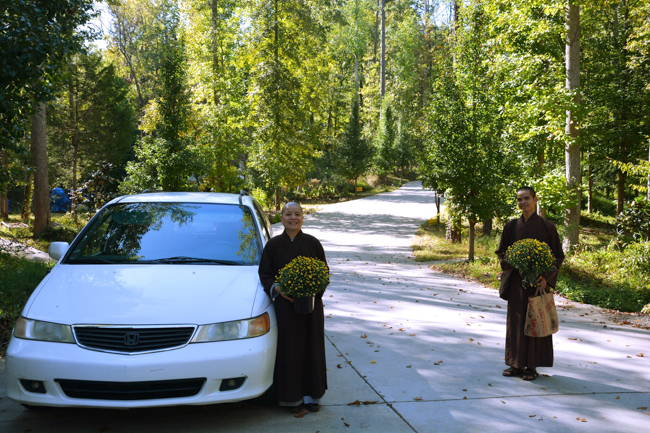
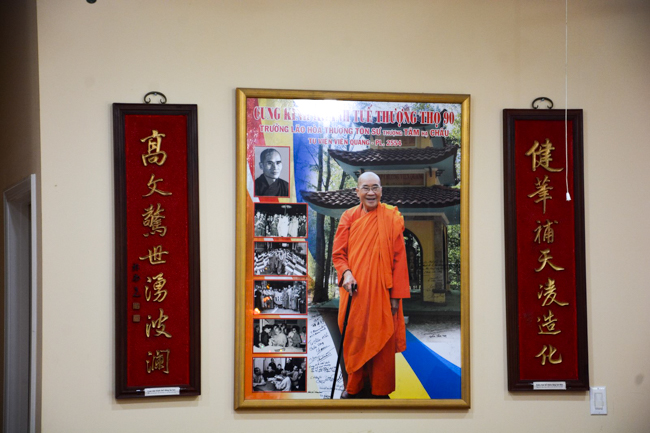
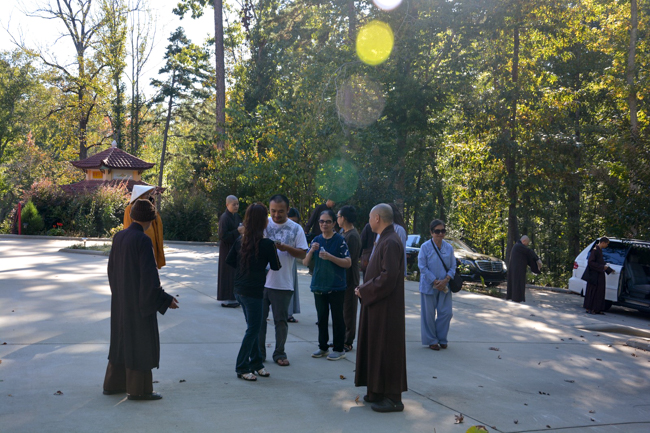
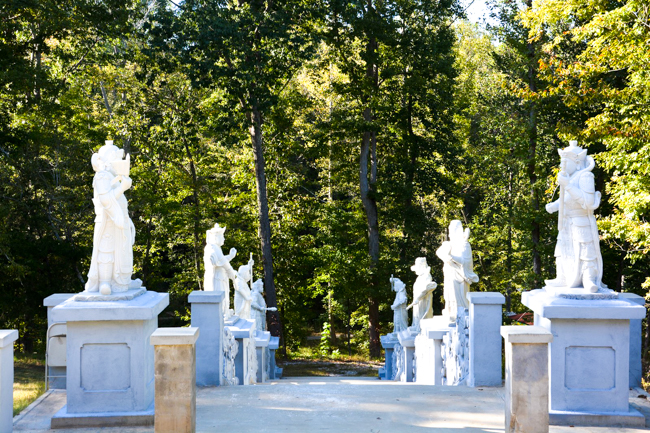
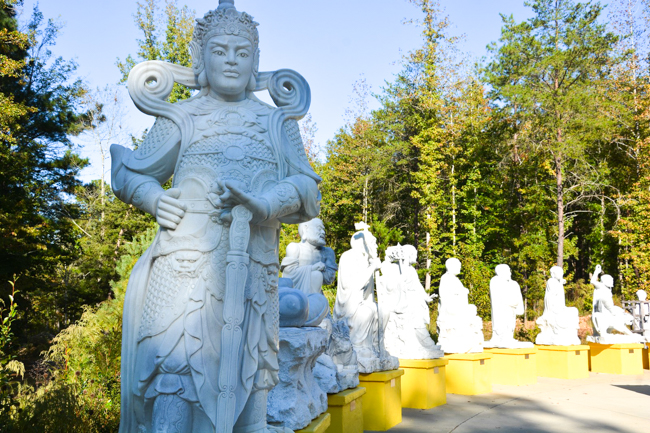
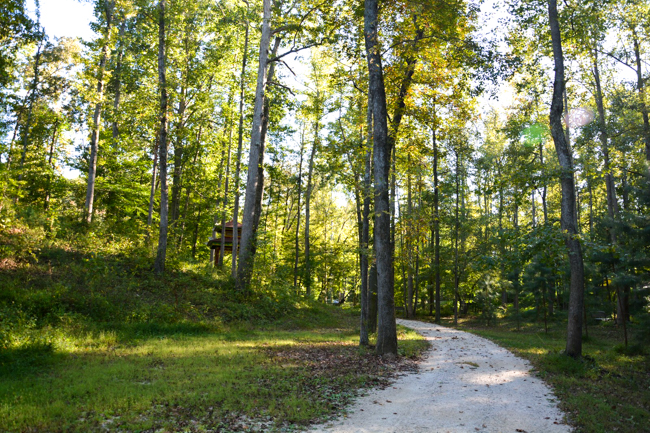
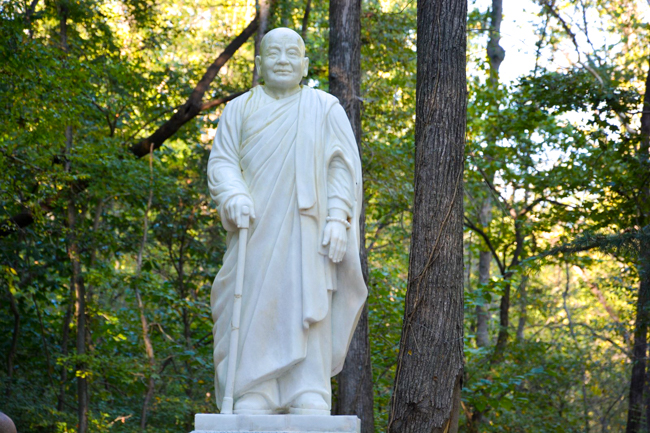
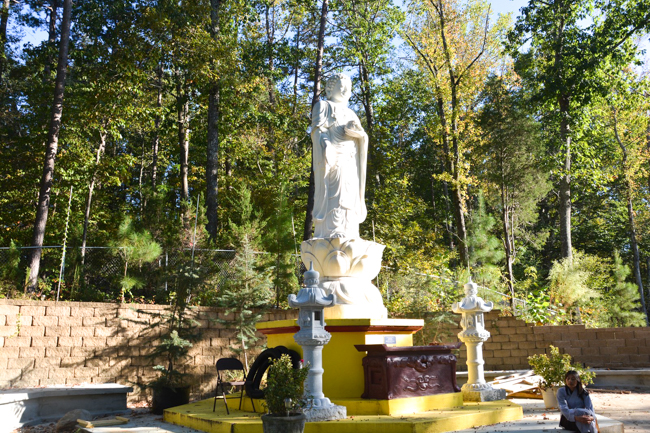
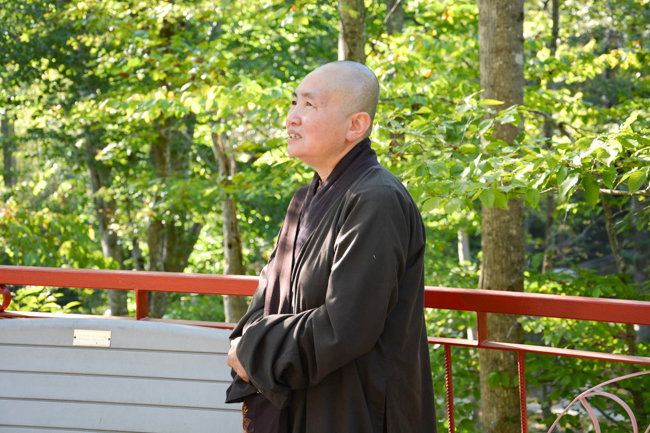
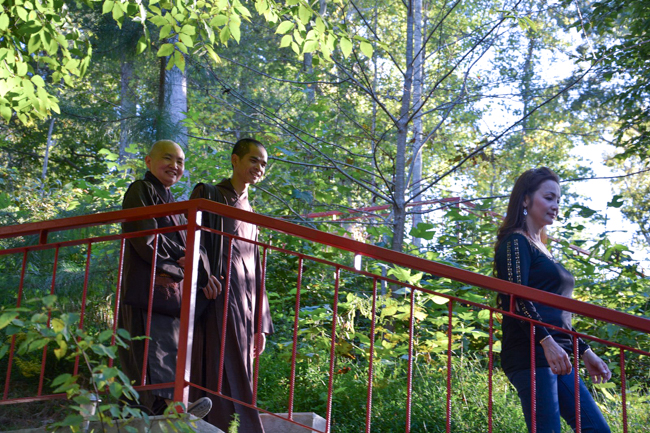
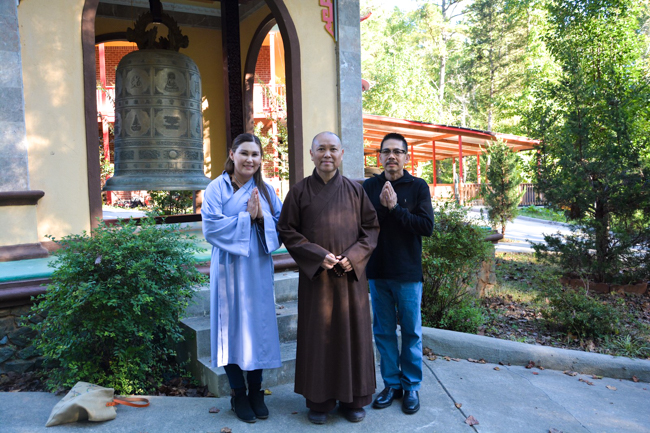
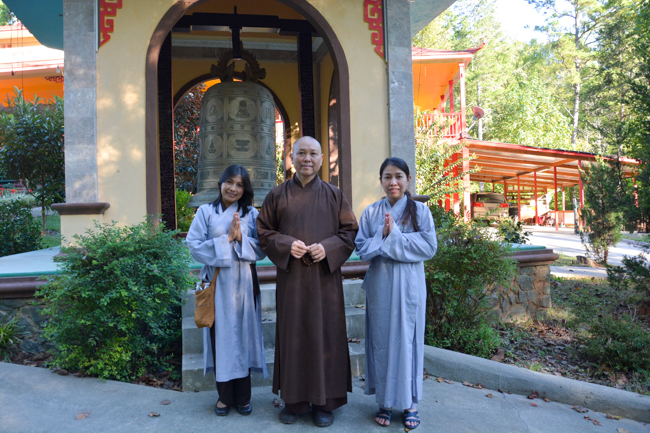
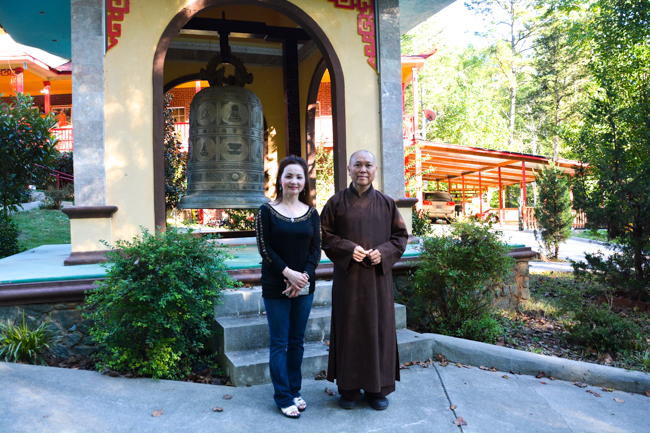
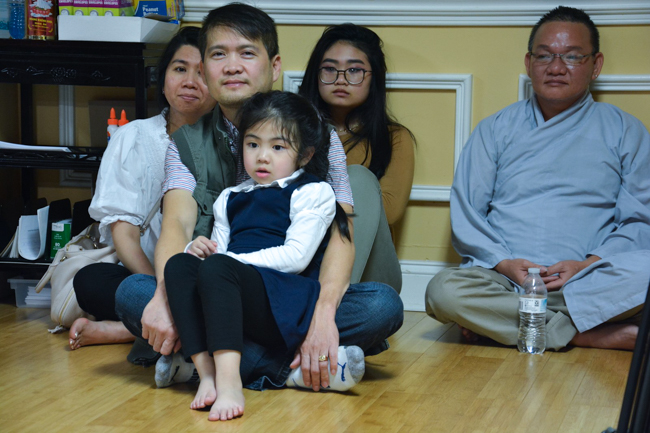
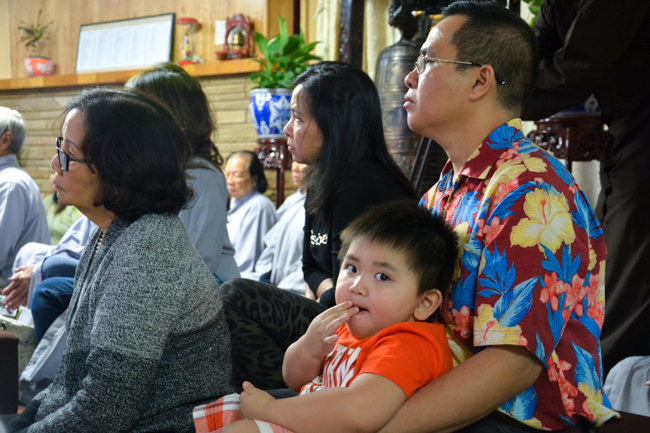
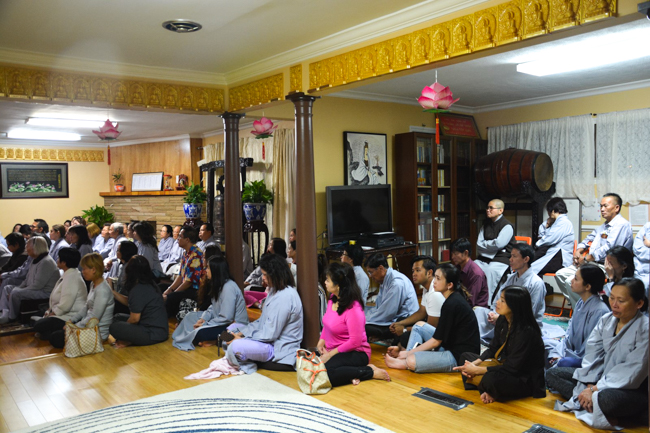
Following are recorded photographs:

BBT Website