
Friday, 10/23/2026
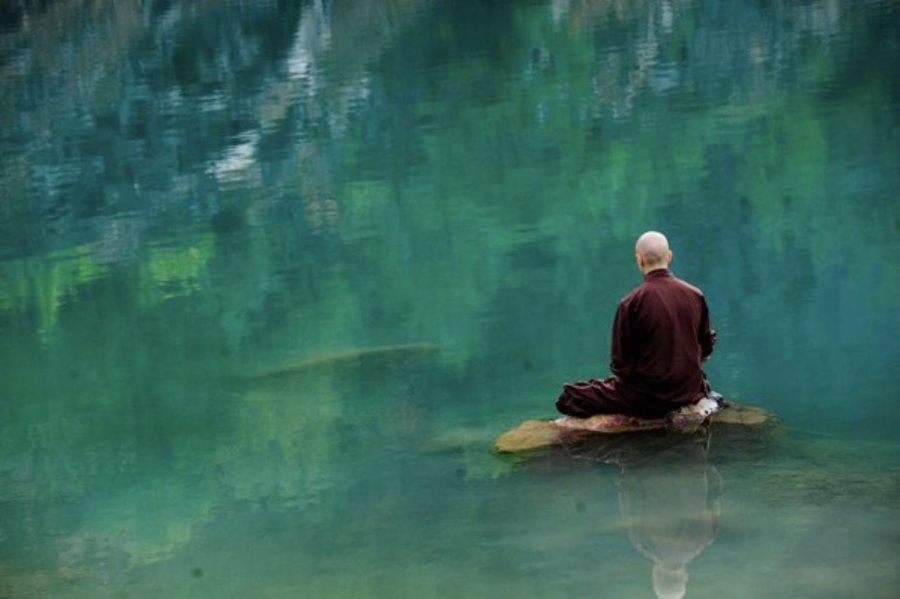
We live in an age of rush and speed. Tension is everywhere. If you stand at the corner of a busy street and scan the faces of the people hurrying feverishly by, you will notice that most of them are restless. They carry with them an atmosphere of stress. They are mostly pictures of rush and worry. Rarely will you find a picture of calm, content and repose in any of these faces. Such is the modern world.
Today’s world is characterised by inordinate haste leading to quick decisions and imprudent actions.
Some shout when they could speak in normal tone, others talk excitedly at a forced pitch for long periods and finish a conversation almost exhausted. Any kind of excitement is a stress in the physiologist’s sense of the world, and stress causes the speeding up of bodily processes. It is not seldom that a person driving a vehicle gets agitated on seeing the green colour of the traffic lights giving place to amber. The anxious man regards even a minor event as if it were a crisis or a threat. As a result man is worried and unhappy.
Another feature of the modern world is its noisiness. “Music hath charms,” they say, but for many today, even music is not agreeable if there is no noise; the louder the noise, the greater is the music to them. Those who live in big cities have no time to think of the noise, they are conditioned by it and accustomed to it. This noise, stress, and strain have done much damage by way of ailments—heart diseases, cancer, ulcers, nervous tension and insomnia. Many of our illnesses are caused by anxiety, nervous tension, economic distress and emotional unrest—all products of modern life.
Silence is Golden
Our nervous exhaustion is increasing with the speeding up of our life. People often return home after work with their nerves on edge. As a consequence, their concentration is weakened, and mental and physical efficiency are lowered. Man becomes easily irritated and is quick to find fault and pick a quarrel. He becomes morbidly introspective and experiences aches and pains and suffers from hypertension and sleeplessness. These symptoms of nervous exhaustion clearly show that modern man’s mind and body require rest—rest of a high quality.
Let us bear in mind that a certain aloofness, a withdrawing of the mind from the busyness of life is a requisite to mental hygiene. Whenever you get an opportunity, try to be away from the town and engage yourself in quiet contemplation, call it yoga, concentration or meditation.
Learn to observe the silence. Silence does so much good to us. It is quite wrong to imagine that they alone are powerful who are noisy, garrulous and fussily busy. Silence is golden, and we must speak only if we can improve on silence. The greatest creative energy works in silence. Observing silence is important. We do that in our meditation.
People are so used to noise and talk, that they feel lonely and out of place if they do not speak. But if we train ourselves in the art of cultivating silence, we will learn to enjoy it.
Go placidly amid the noise and haste and remember that there is peace in silence. We must take time off to go into retreat in search of silence. We must, now and then, break away from motion to remain motionless. It is a peaceful form of existence. In lonely retreat we experience the value of silent contemplation. We make an inward journey. When we withdraw into silence, we are absolutely alone to see ourselves as we really are, and then we can learn to overcome the weaknesses and limitations in ordinary experience. Time spent in secluded contemplation is not wasted; it goes a long way to strengthen a man’s character. It is an asset to our daily work and progress if we can find the time to cut ourselves off from routine and spend a day or two in quiet contemplation. This is surely not escapism or living in idleness, but the best way to strengthen our mind. This is a beneficial introspection; for it is by examining our thoughts and feelings that we can probe into the inner meaning of things and discover the powers within.
“Meditation – Mind Culture/ Silence is Golden” is extracted from the “Buddhism, a living message” booklet, wrote by Venerable Piyadassi, Samayawardana Publishing House, Colombo 10, Sri Lanka, 2016