Saturday, 10/03/2026

Therefore, the stages of serving the Buddhist retreat are very carefully arranged, each person has their own task. Each retreat will have seven to eight lectures of venerable monks. In addition, the organizers have also invited a number of famous people and inspirational people to motivate Buddhists to study. Up to now, the pagoda has organized over 600 retreats with guaranteed facilities and separate sleeping and living areas for male and female Buddhists. Each area is divided into floors, each floor has monks and nuns in charge of monitoring the rules and reminding practitioners to practice during the retreat.
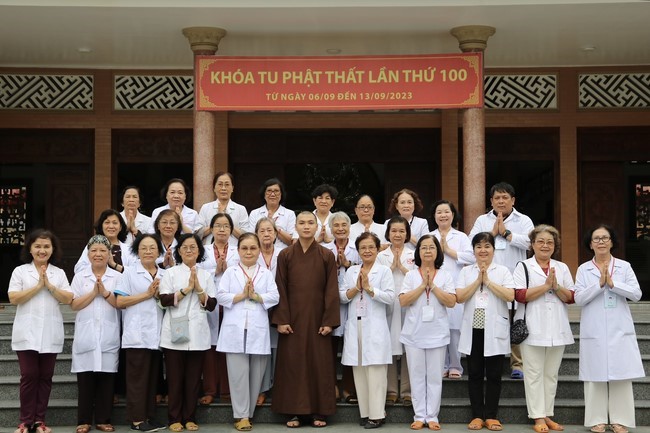
The 100th Buddhist retreat at Hoang Phap Pagoda ended, with the participation of more than 1,300 Buddhist men and women, so the work for the retreat was impressive. Even though the work was quite hard, the spirit of service from the public works departments still did not falter. With the guidance and encouragement of the Venerable and Junior Thich Tam Truong (Abbot of Hoang Phap Pagoda), the great monks, Buddhists from all departments were always diligent in doing their duties, contributing significantly to create the success of the retreats.
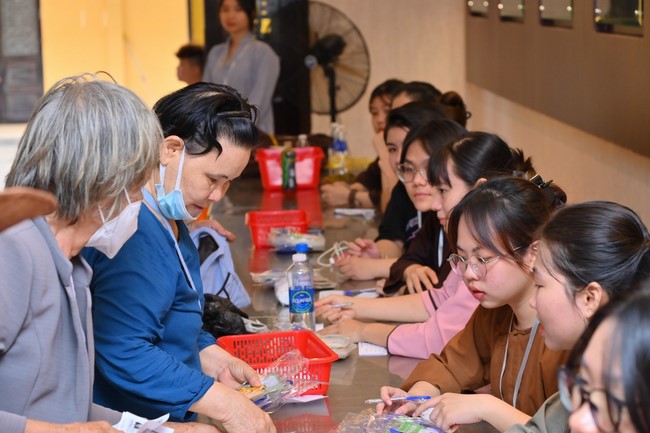
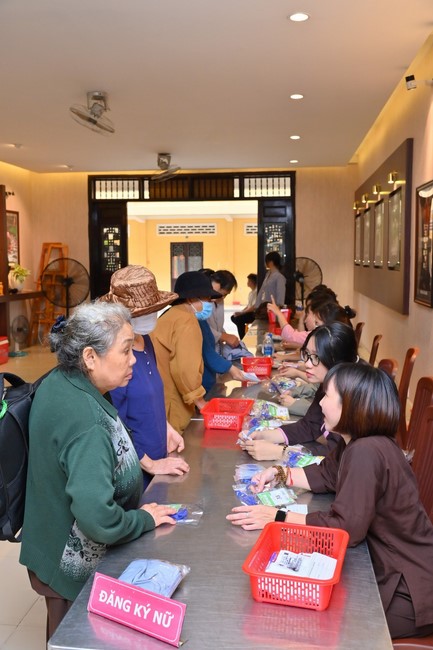
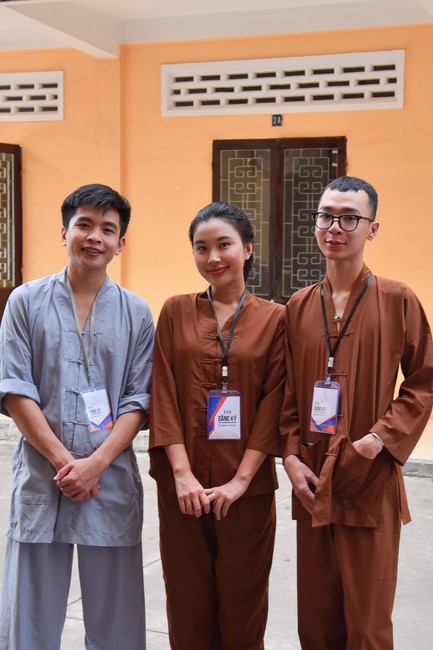
The Buddhist retreat is truly a great effort in terms of study program, organization and logistics. As a result, the workload in departments also requires good working spirit, efficiency and productivity. During the days of the Buddhist retreat, each department is responsible for a different job.
The merit of serving the retreat, in addition to contributing to the benefit of others, is also an opportunity for us to cultivate blessings for ourselves, and is also the responsibility of Buddhists. Those who contribute to the retreat and support practitioners on the path to enlightenment and liberation are repaying the gratitude to the Three Jewels, the nation, and the society. This charity practice helps us grow in filial piety, bringing blessings to our parents and grandparents for many generations, which repays our parents' gratitude. Each person who comes to the pagoda to rely on the Most Venerable Master and the monks to benefit himself and the sentient beings is also to repay the Master's gratitude. As a consequence, whatever conditions lead to the accomplishment of good dharmas for ourselves and for sentient beings, we should definitely not ignore them. That is truly how to repay the Four Great Gratitudes.
Although there are times when some people are tired due to difficulties and work pressure, the spirit of service of Buddhists does not decrease. Everyone always supports each other in the spirit of harmony, coordinating smoothly to create success.
When one person knows Buddha Dharma, they lead the whole family to know Buddha Dharma, everyone knows Buddha Dharma; therefore, many people are transformed.
Consequently, the retreats organized by Hoang Phap Pagoda are always a great cause for the spread of Buddha's teachings. Actually, Buddhism is the most fertile land for planting and sprouting good seeds. Hoang Phap Pagoda is also a learning environment that brings practical benefits to all social classes. Let's look back at the achievements to see the significant contributions of many silent people.
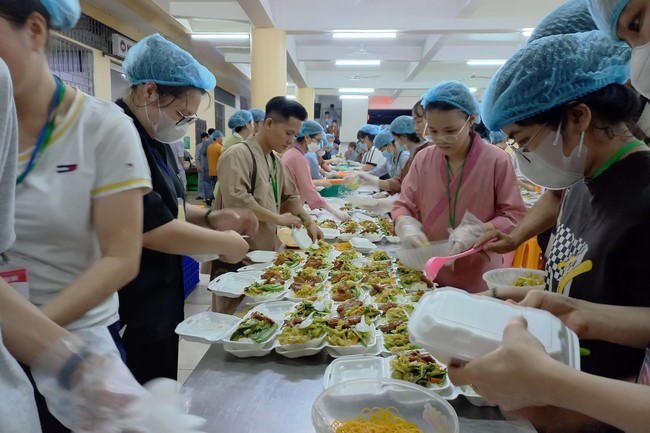
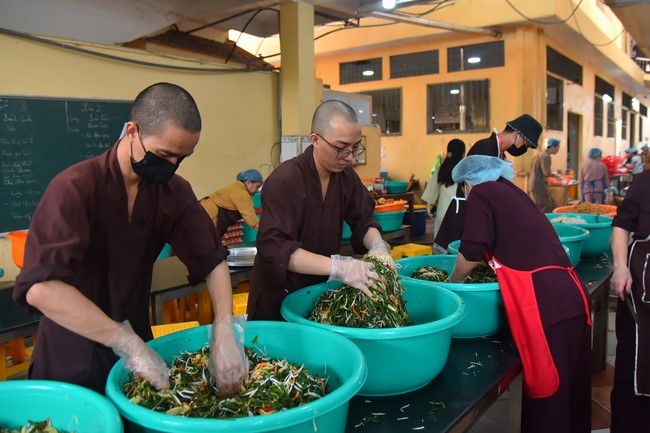
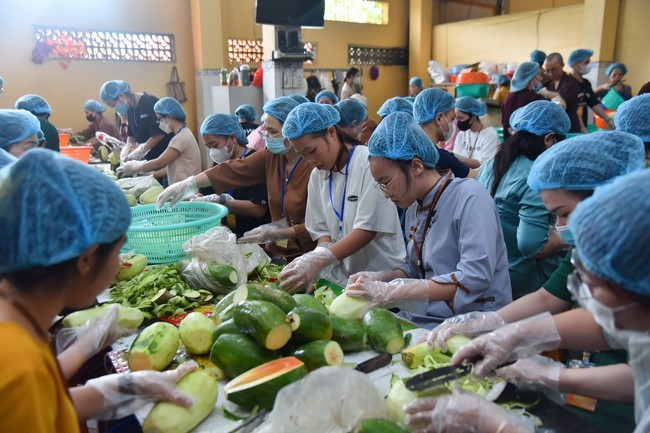
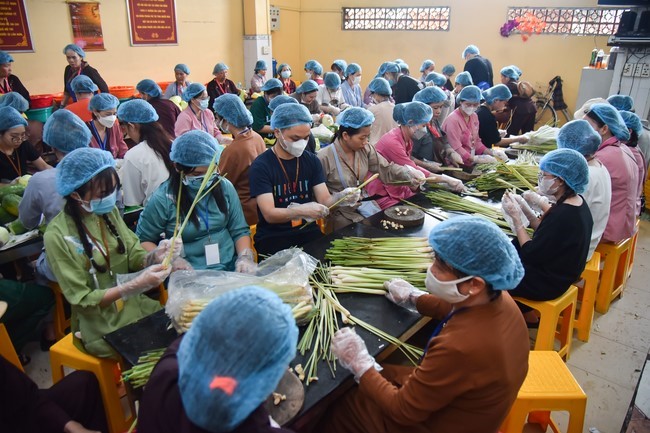
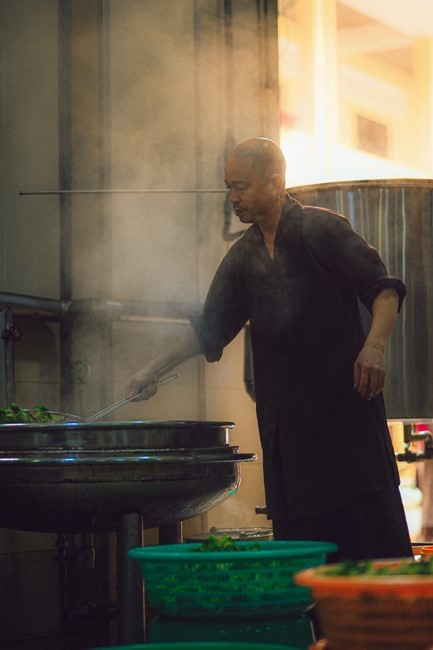
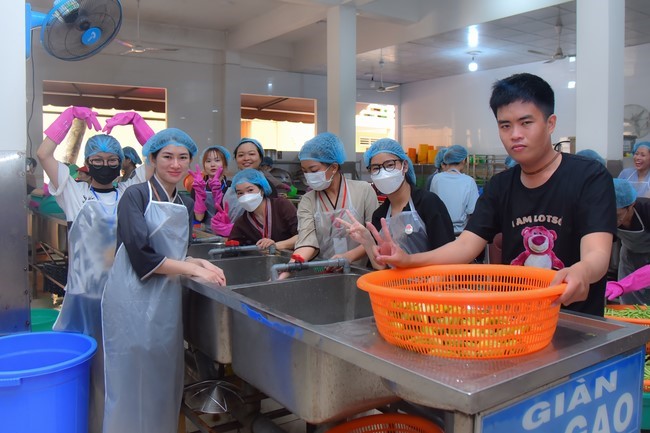
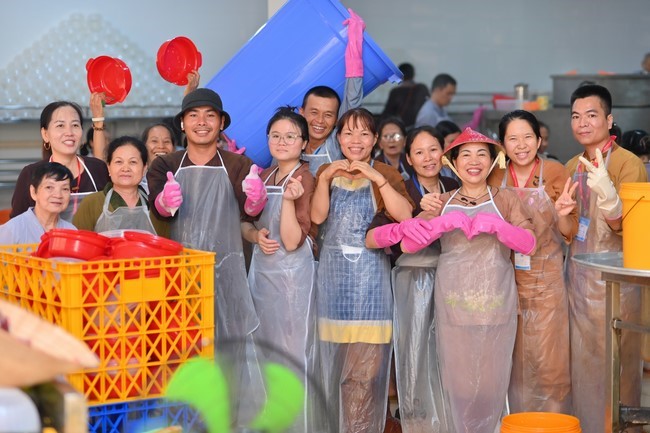
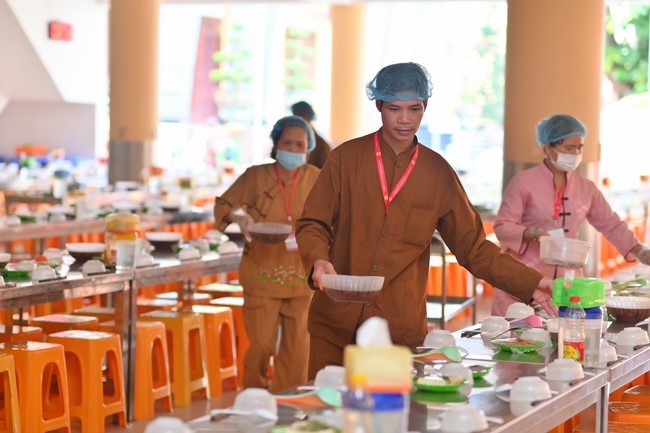
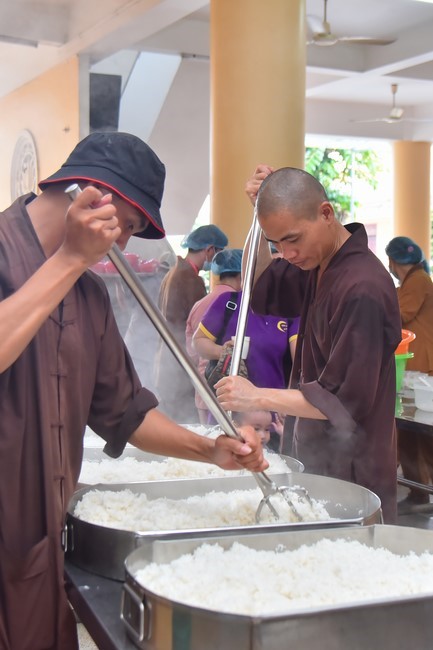
The monks and Buddhists in the kitchen, dining area, and vegetable departments often wake up very early, eat later, and rest very late to prepare nearly 2,000 vegetarian meals a day, ensuring delicious meals and meeting adequate nutrition.
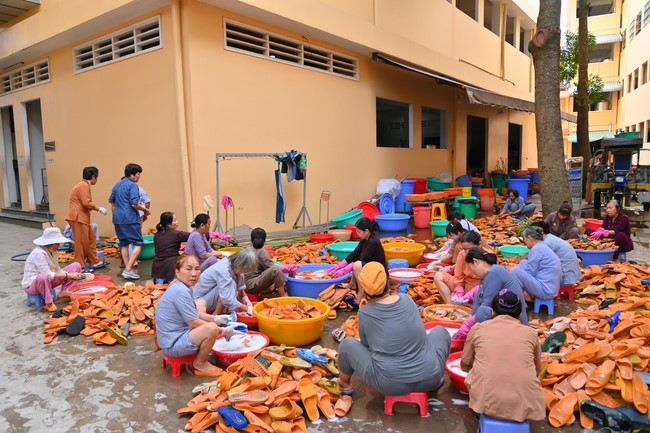
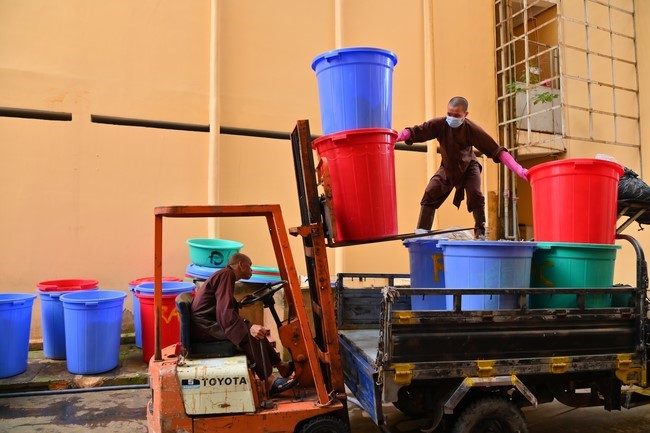
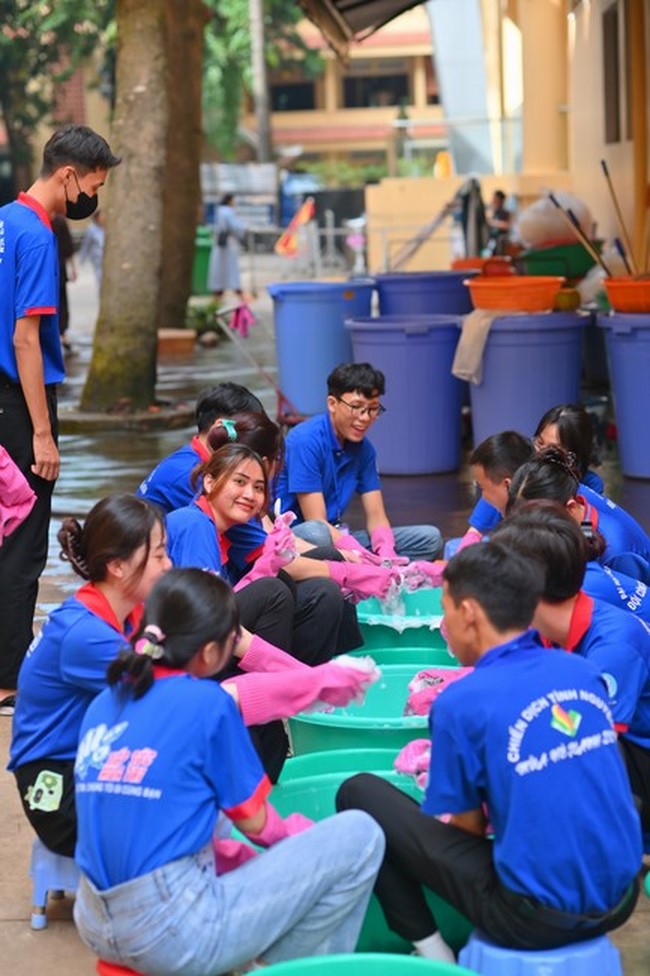
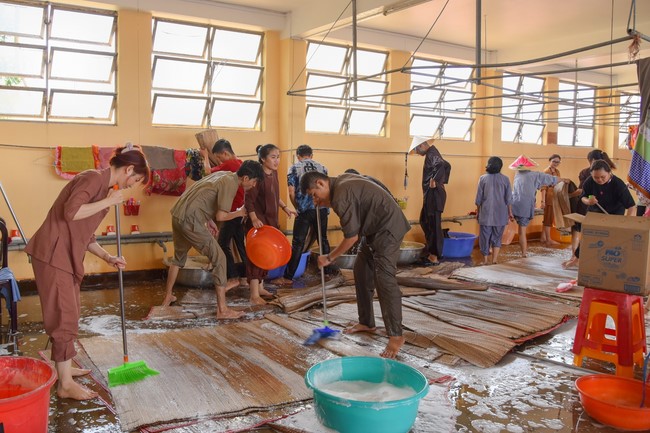
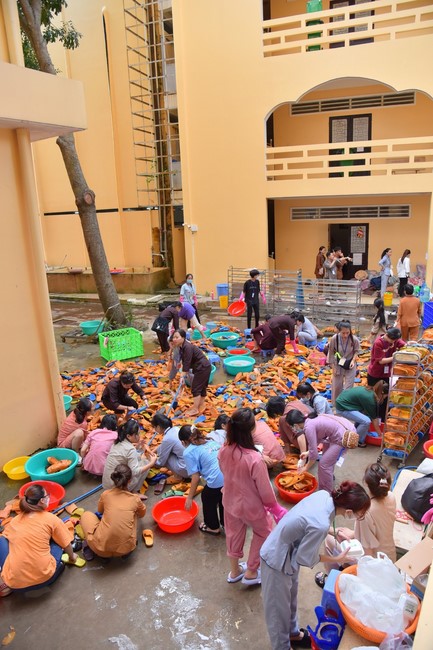
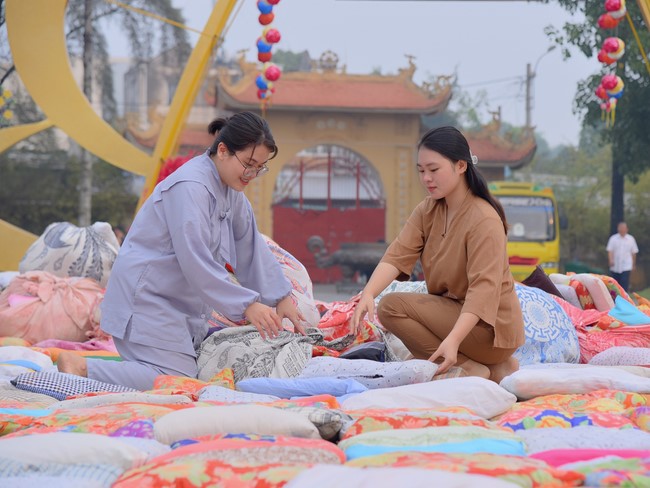
The efforts of the cleaning departments, cleaning the toilets, folding mosquito nets and blankets, pillows, washing dishes, pots, pans, rice trays, etc. All devoted their efforts to serve with a tireless spirit.
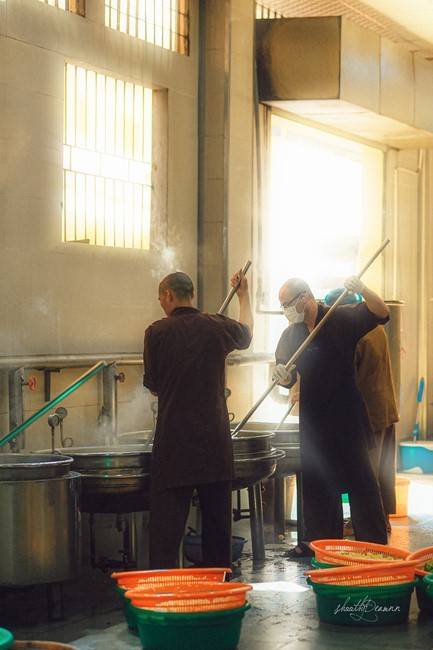
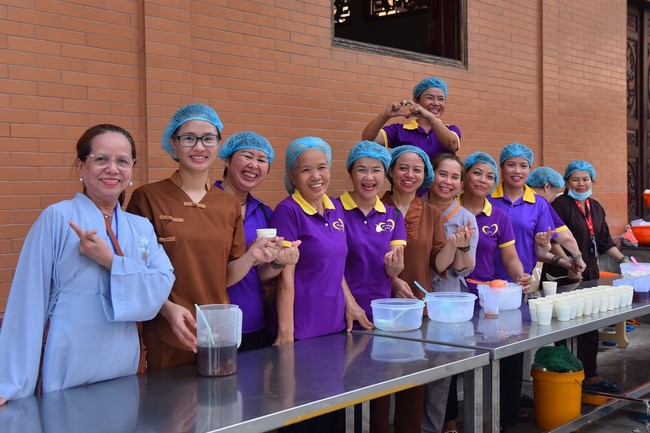
Looking into the kitchen, the monks and Buddhists are busy with the fire, trays of hundreds of kilograms of rice, stir-fry pans, stews, and soup pots with hundreds of liters of water. Although everyone sweats profusely, all find joy in work. It all seemed to be shown through the bright smiles on their faces, the mutual care and concern for each other, and all the fatigue disappeared.
With that same spirit of service, the Charity Committee of Hoang Phap Pagoda and Trang Nguyen Company during the 7 days of the Buddhist retreat cooked more than 4,000 vegetarian meals to bring to Thu Duc wholesale market to give to working people to sow good fortune.
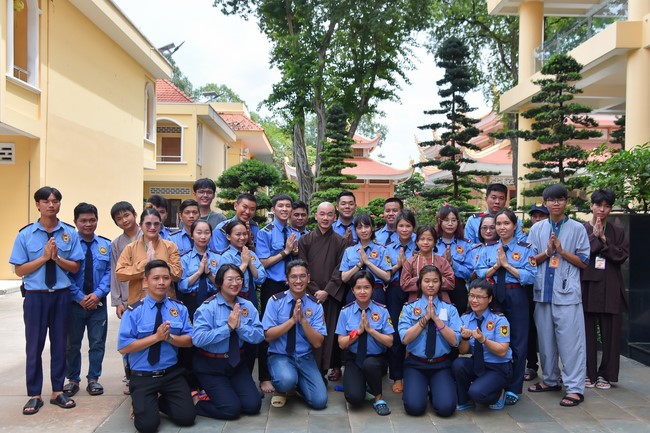
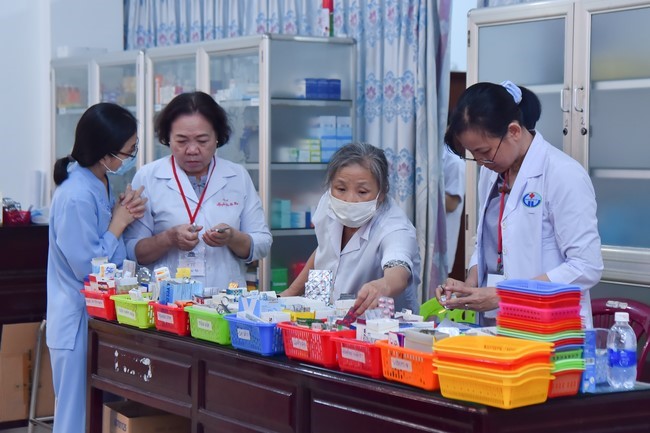
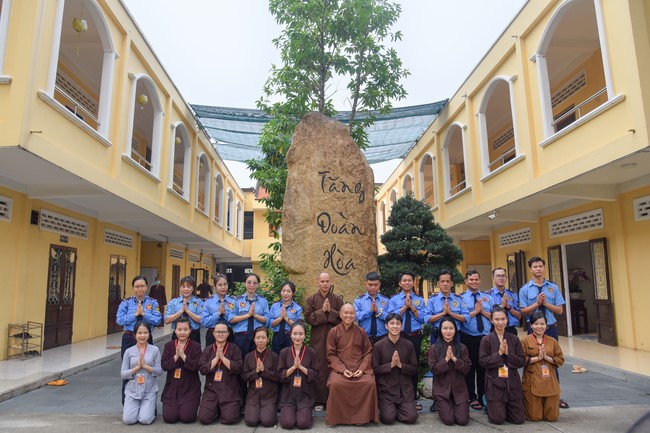
In order for people to feel secure in studying, or even having a peaceful sleep, the security department must work day and night, taking turns patrolling to maintain security in the areas. Also, the health department is on duty day and night, examining, providing medicine, and ensuring health so that Buddhists can practice with peace of mind.
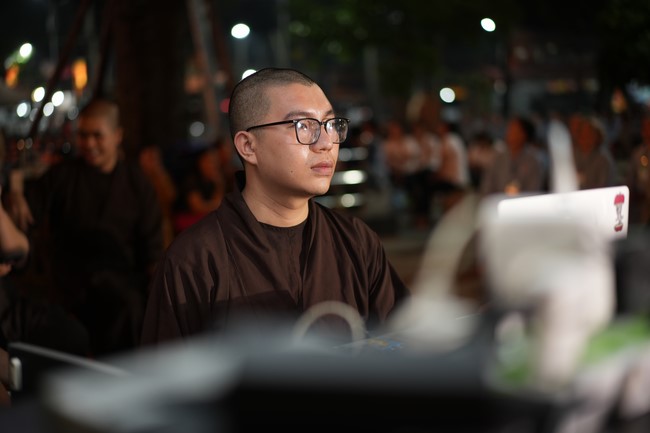
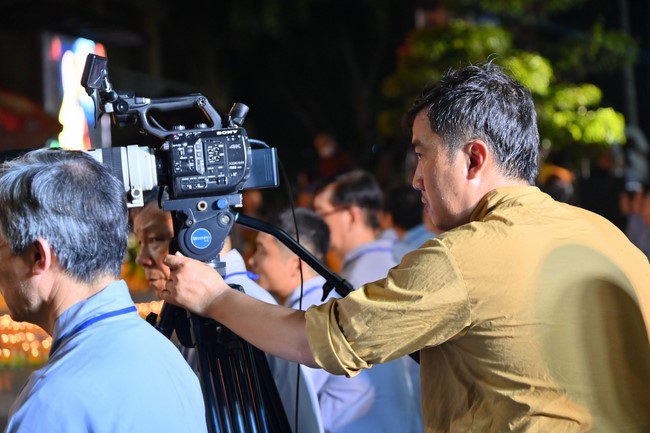
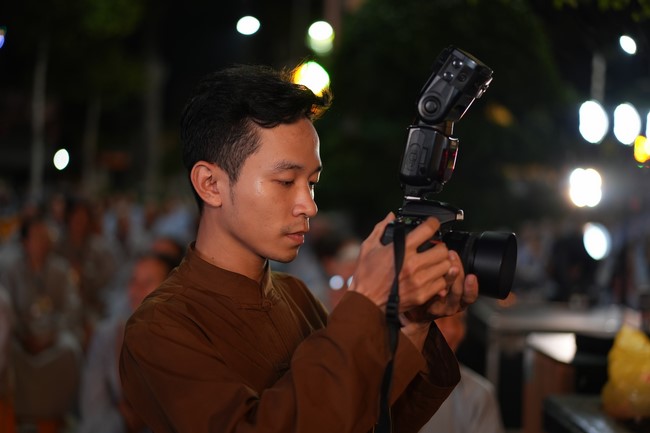
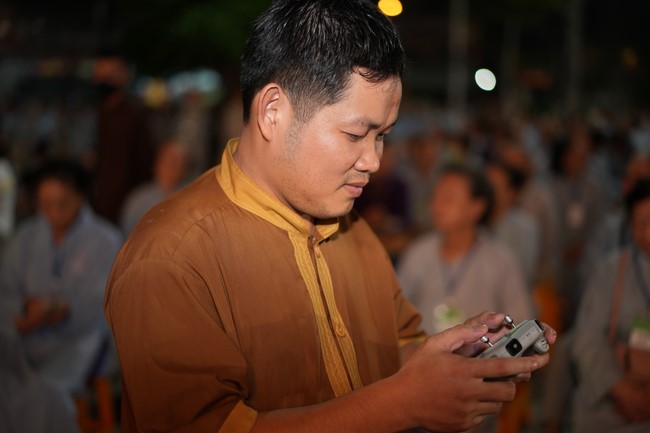
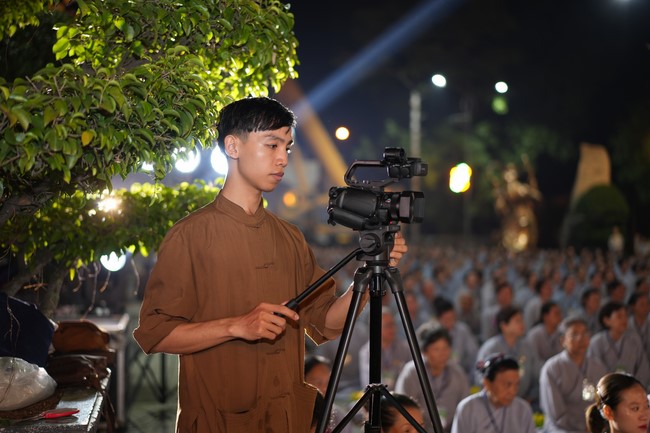
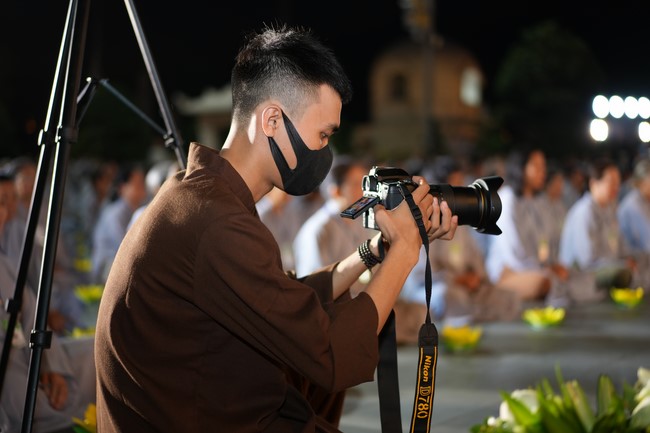
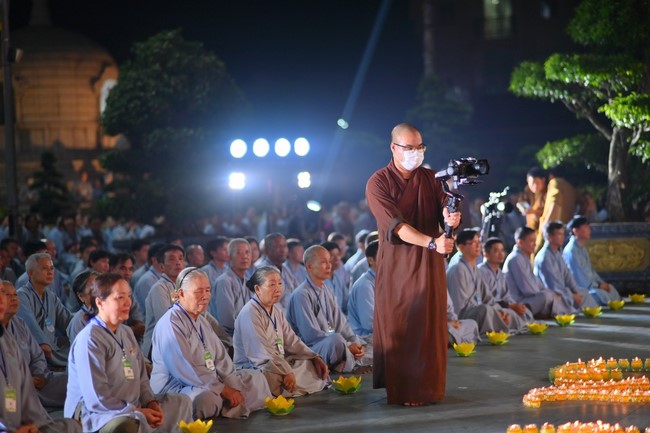
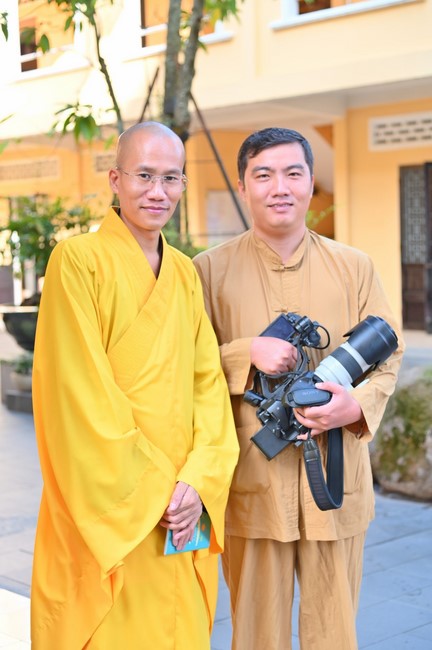
Besides, in order to record memorable moments as well as update and convey lessons and information during the retreat to everyone quickly and accurately, the Communications Department has worked very hard day and night. At the same time, many Buddhists in other departments are always trying to support the students so that they can have full days of practice while at the pagoda.
The culture department, film room, network room, and computer room always try their best to complete the tasks of conveying information about the retreat's activities to everyone. Sweat can be drenched on the back of the shirt on bright sunny days, or cold wet smiles in the rain, quiet footsteps in the deserted night... all seem to work together harmoniously to create a wonderful picture of people with silent dedication. There is noise, no bustle, just there are warm, gentle, happy smiles of those who see the progress in practice of Buddhists after each retreat. They cannot directly participate in practice like practitioners, they can only practice in service and follow every step to support monks and Buddhists in practice. Perhaps, they are the ambassadors of the Bodhisattva who serve, silently and lovingly.
Hoa Đao
Translated into English by Huynh Thi Khanh Phung