Wednesday, 10/21/2026

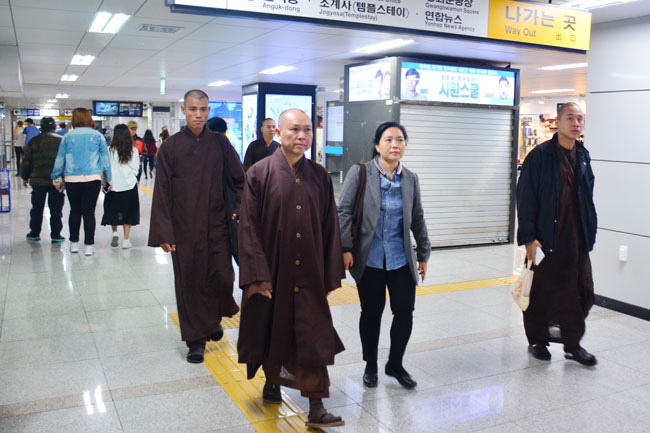
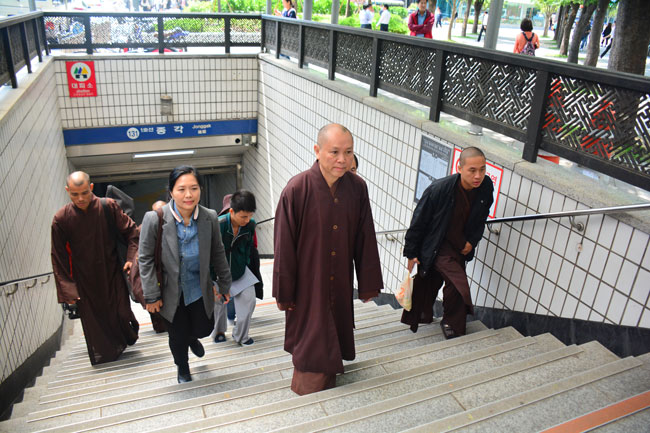
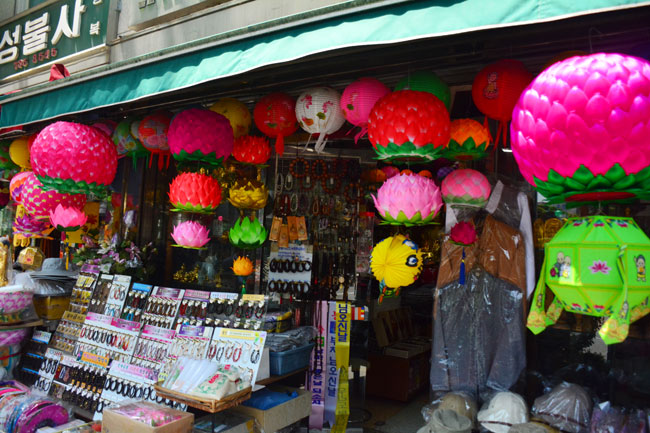
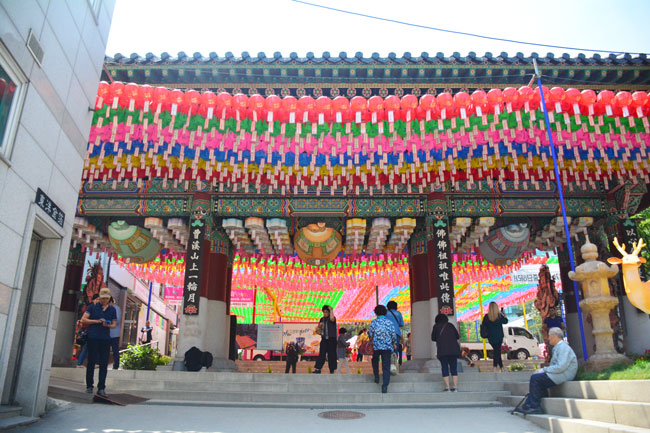
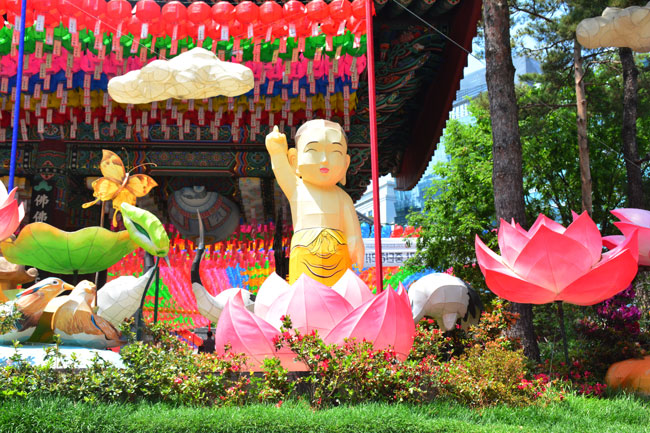
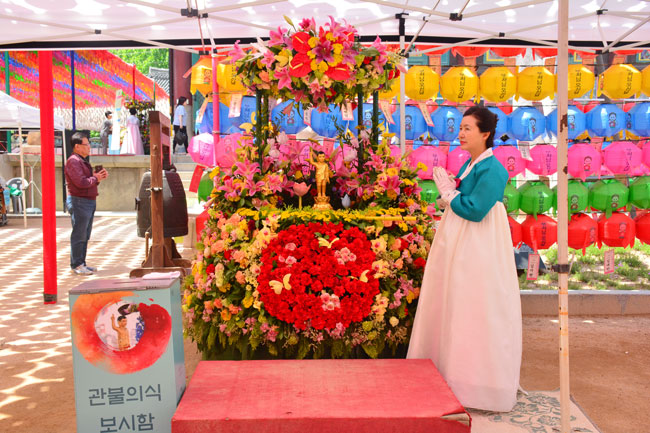
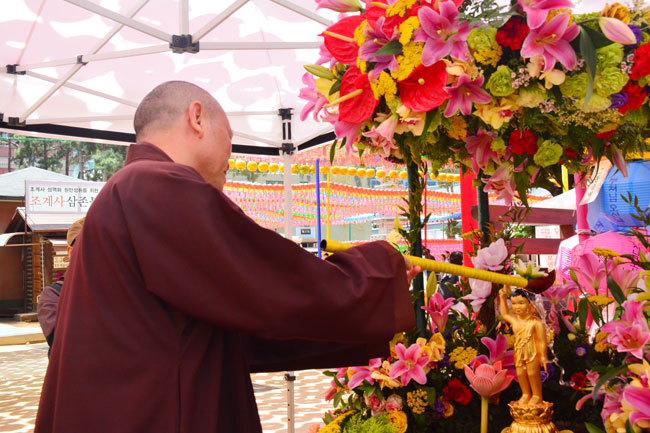
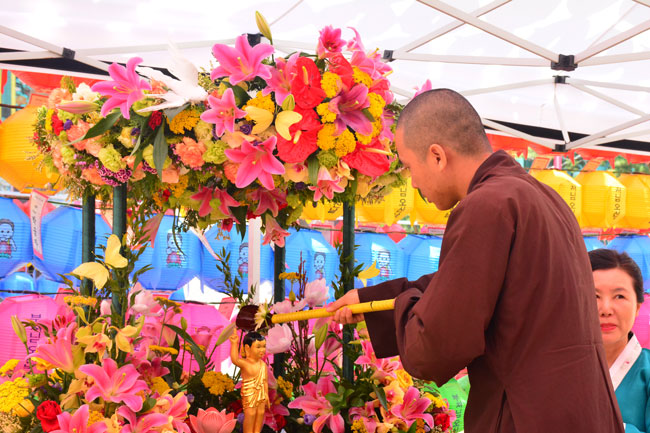
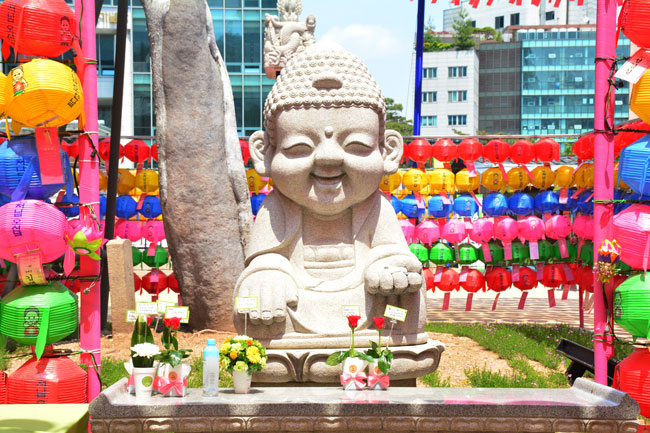
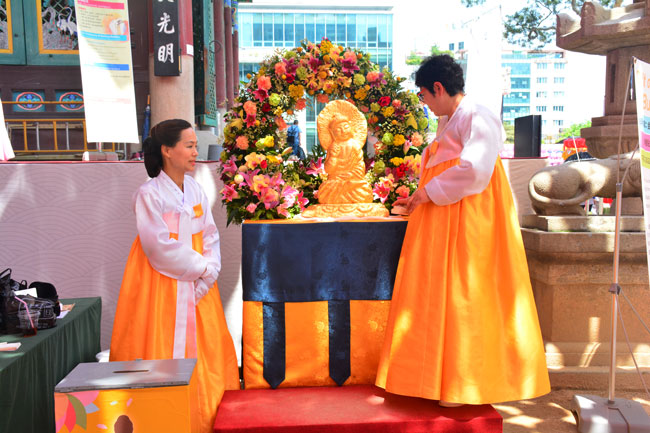
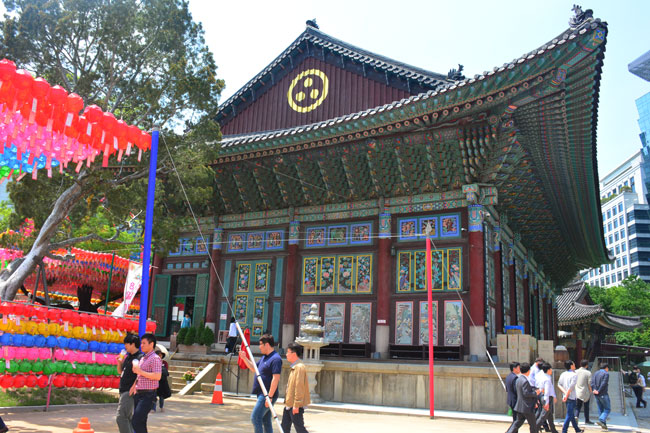
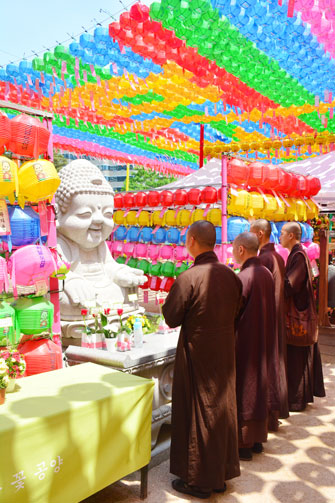
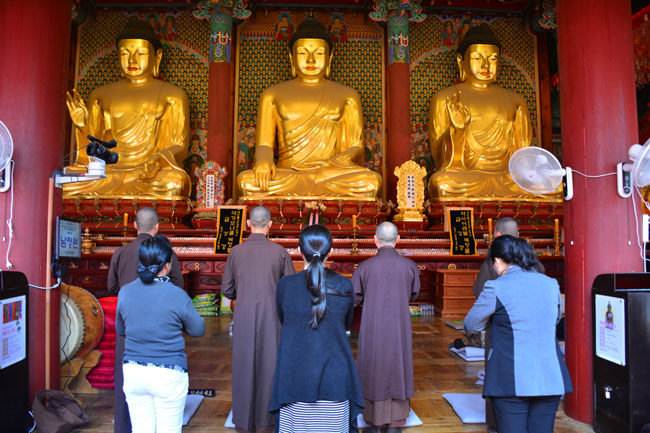
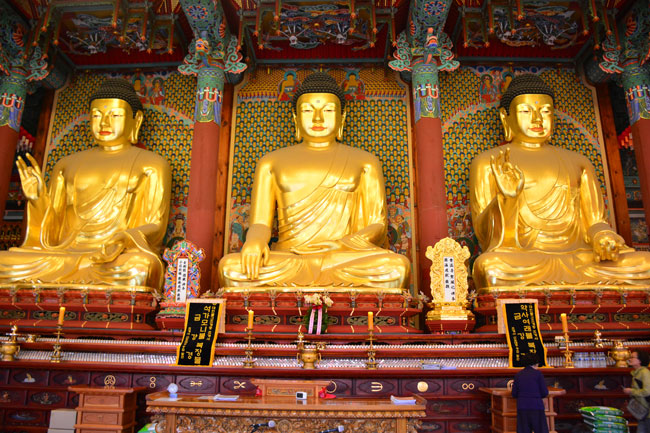
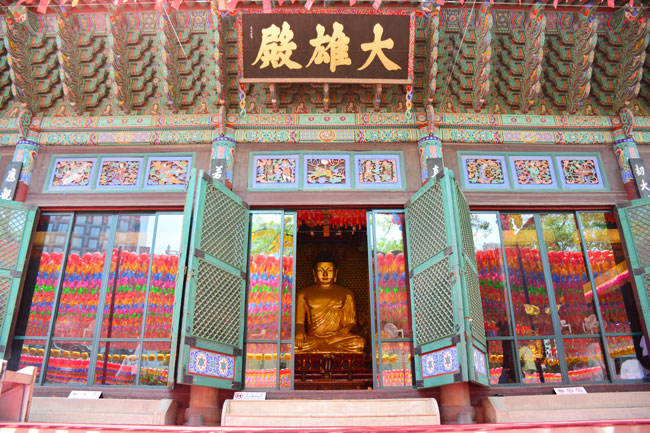
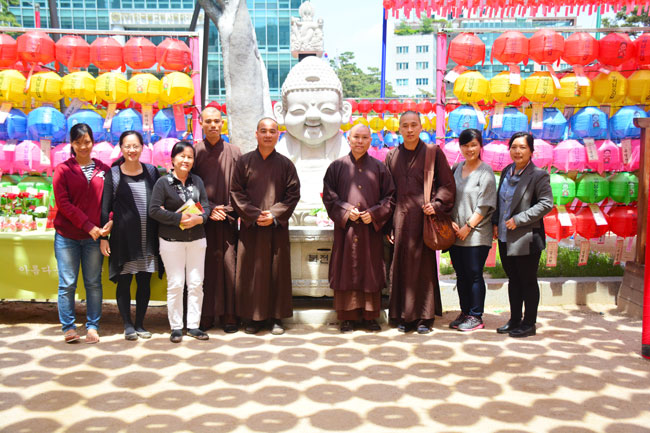
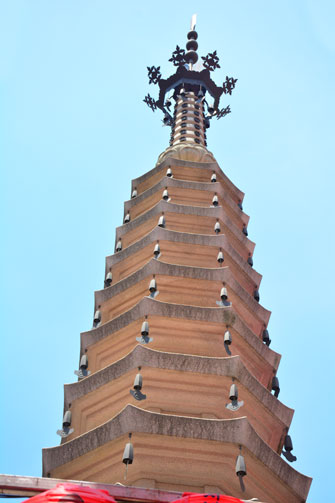
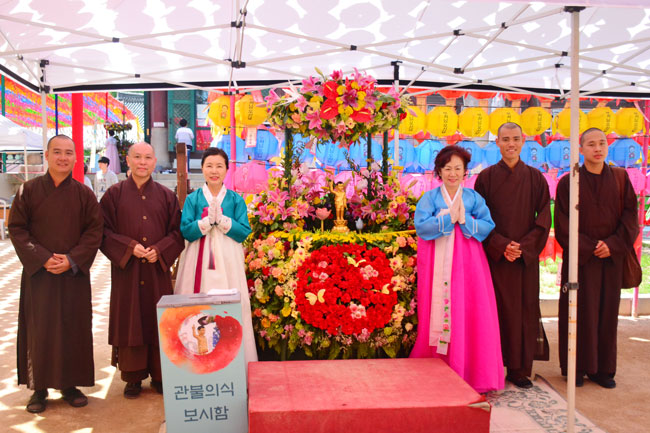
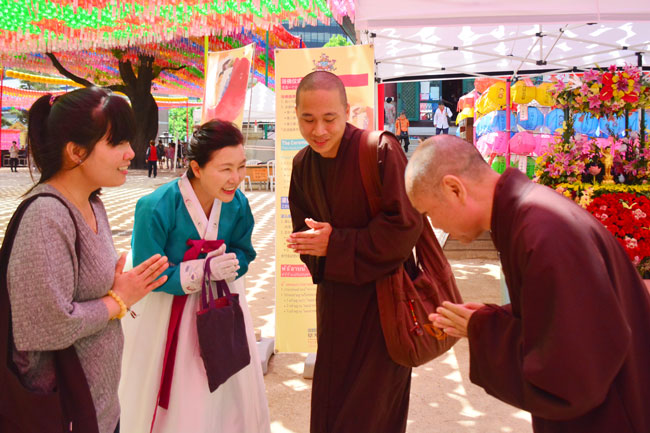
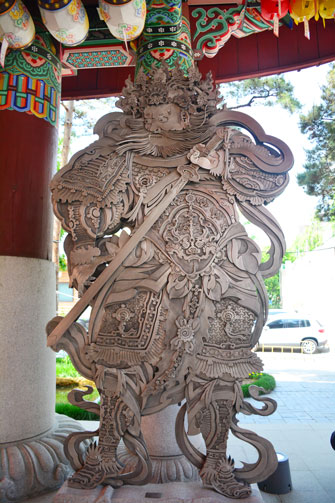
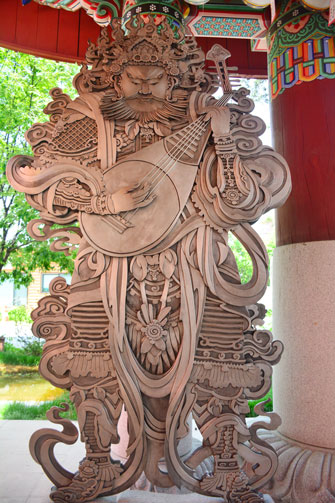
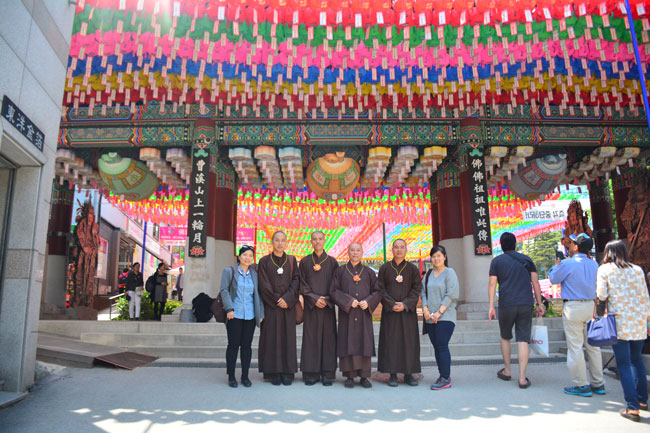
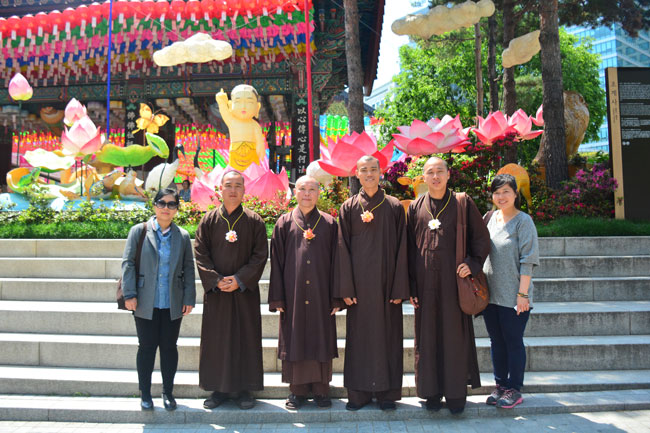
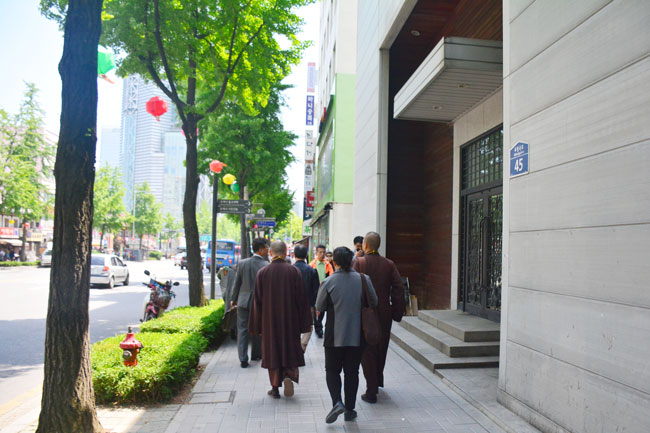
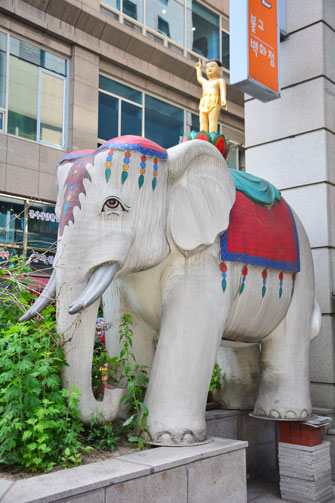
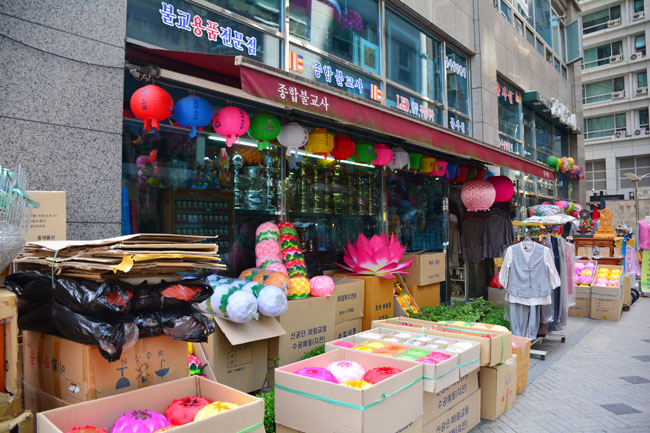
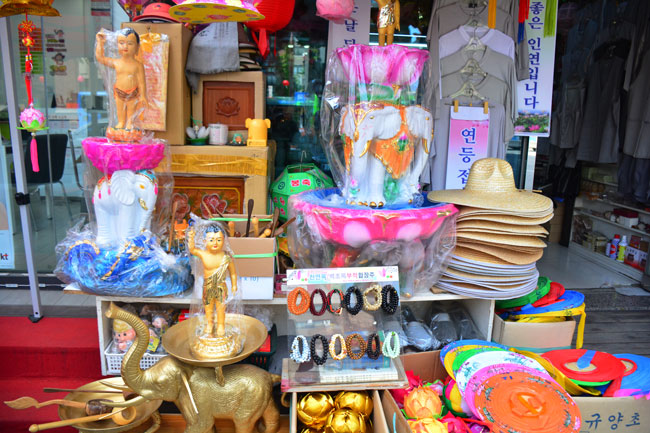
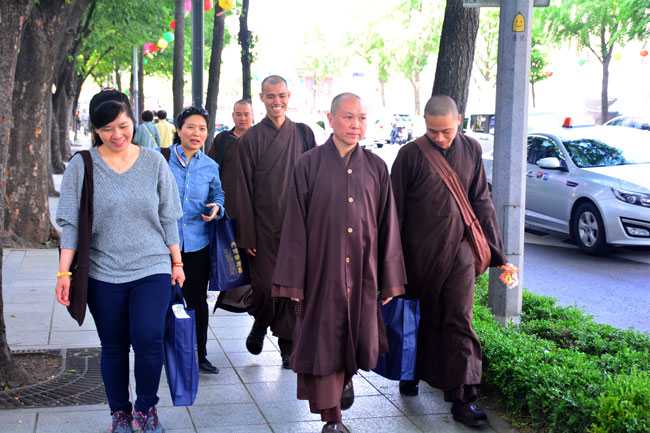
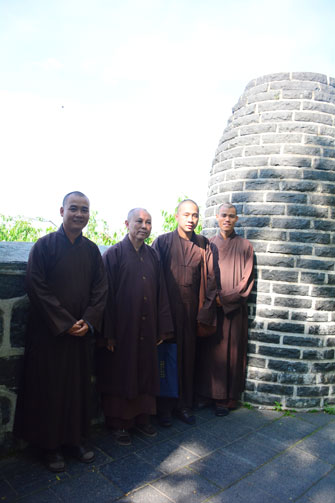
The delegation’s first stop was the Jogye-sa Temple Pagoda. In 1910, the temple was built on a piece of land near the temple today with the name Gakhwang-sa Temple. In 1937, the abbot had the temple moved to the current location with the new name Taego-sa Temple. In 1954, The temple has been renamed Joye-sa, a major Buddhist congregation in Korea. This pagoda is the greatest one in Seoul. Therefore, next to the temple, is a trade centre of Buddhism sold of accessories and costumes, etc. There are a large amount of travelers from around the world coming here daily for visiting, pilgrimage and worship.
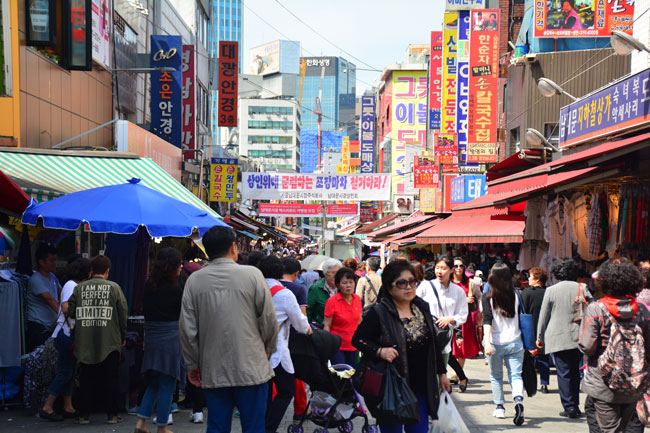
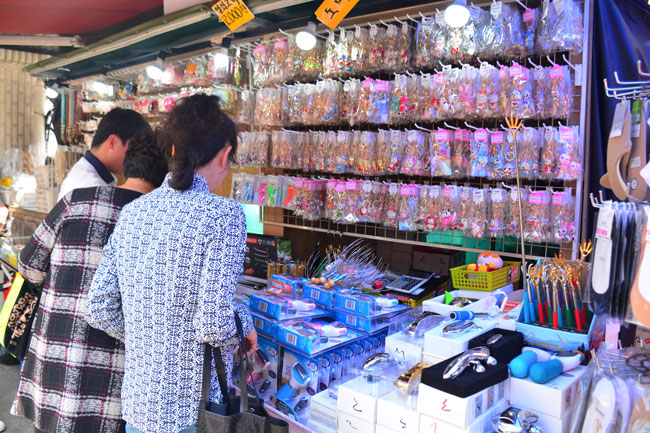
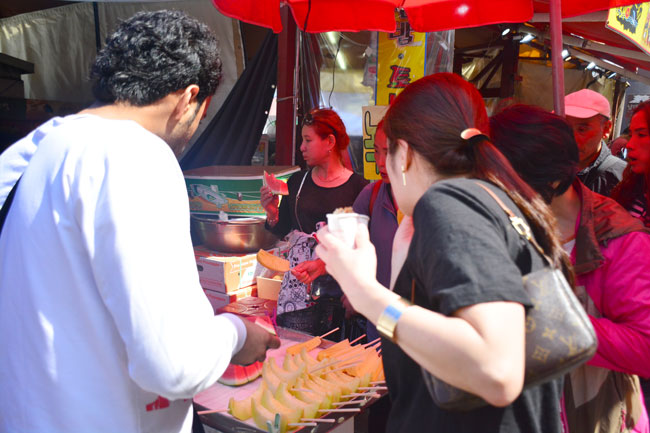
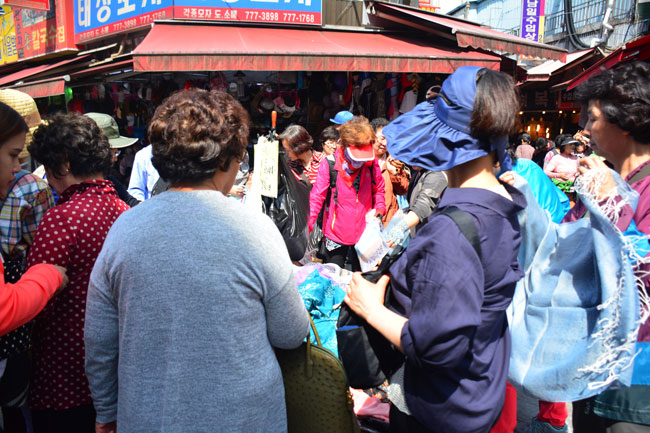
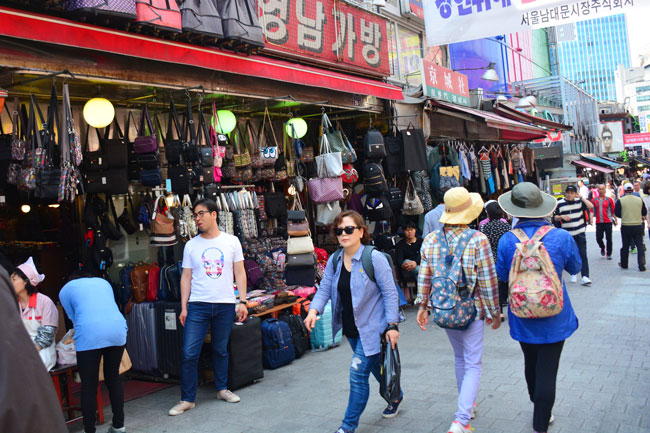
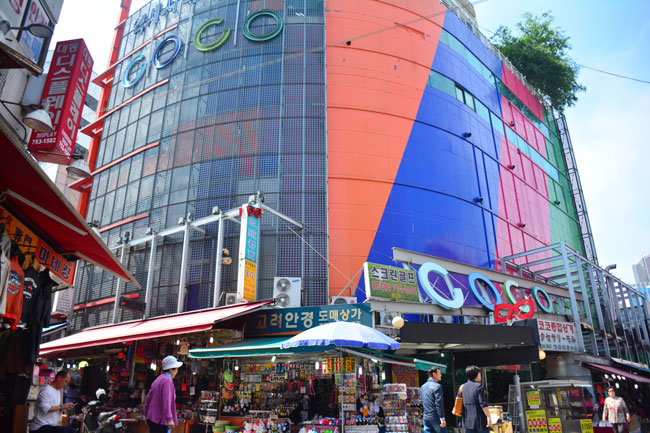
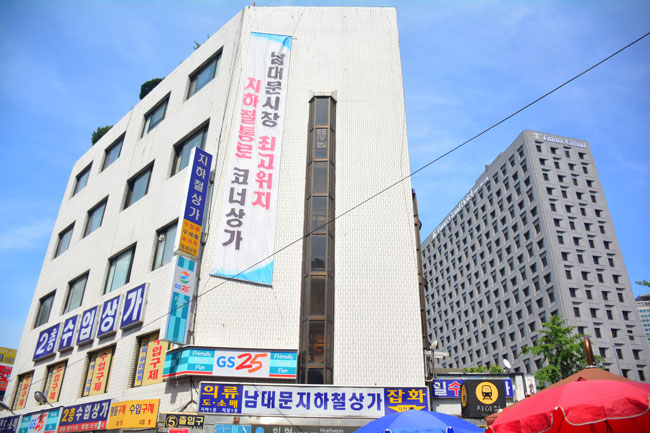
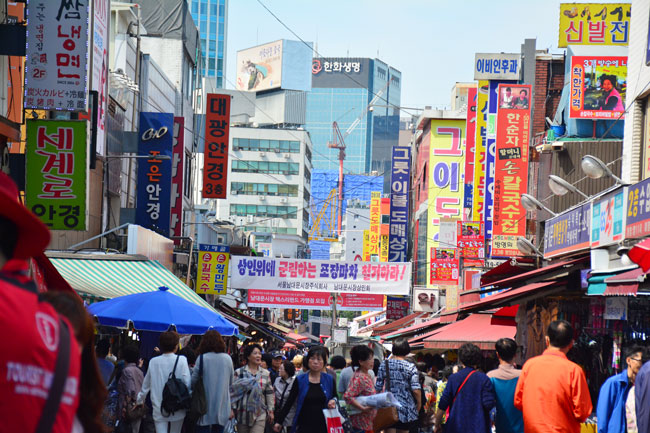
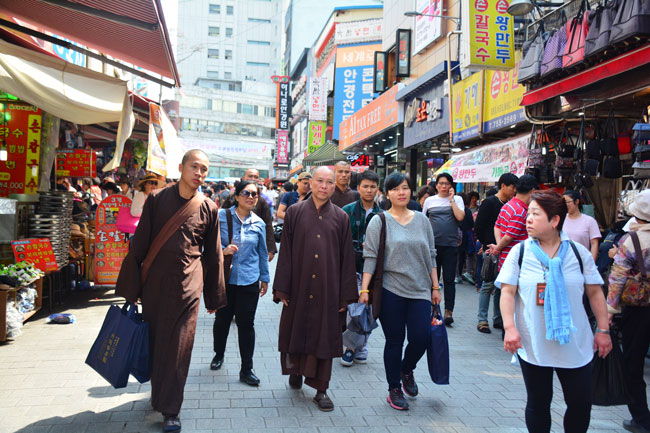
After leaving Jogye-sa Temple, the delegation dropped by (South Great Gate) Market, the largest one in Korea, which is sold with various items from medical instruments to food. This is a special traditional market selling goods with very good price. That’s why half of foreign visitors coming here during their trip to Seoul.
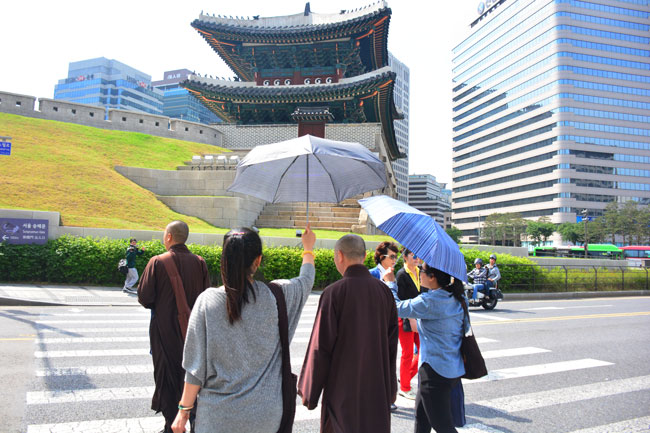
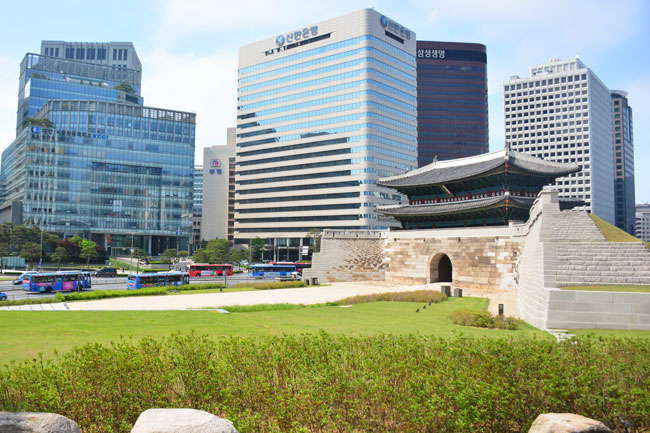
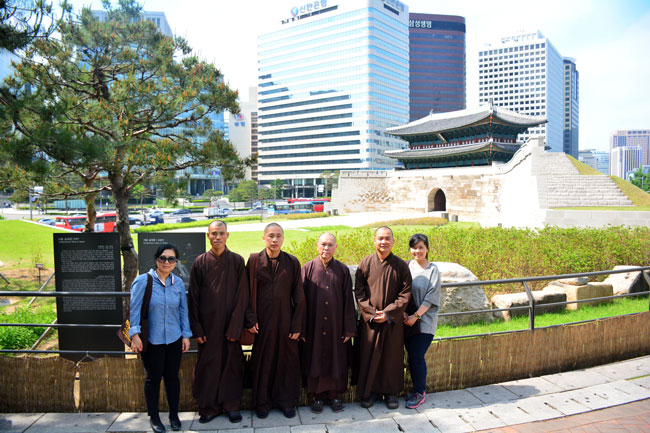
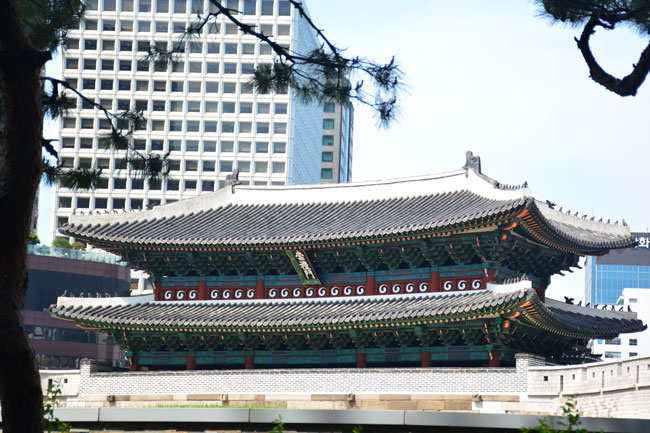
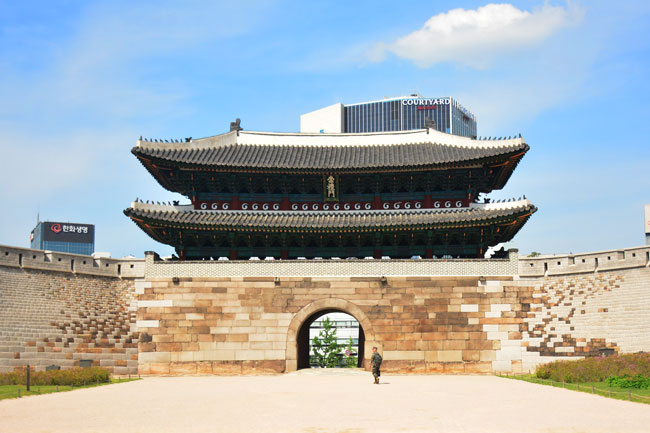
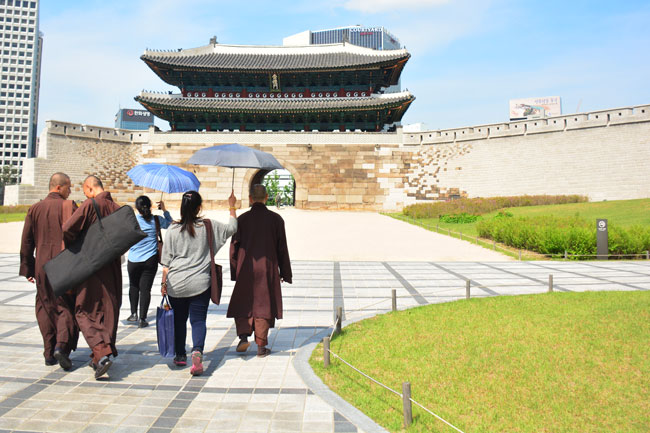
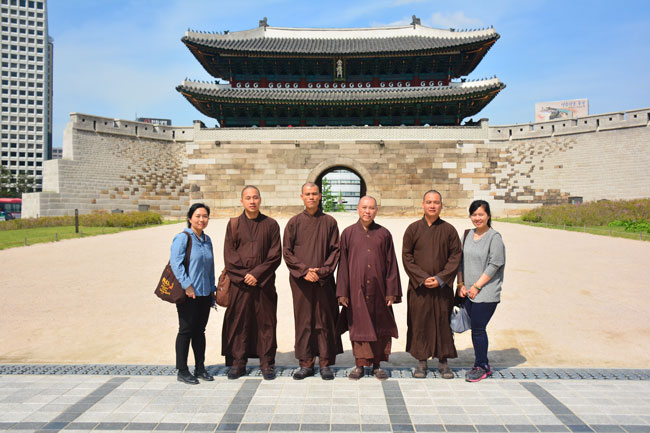
Next, the delegation visited the capital gate Sungnyemun (崇禮 é–€: Sung Le Mon), also known as Namdaemun (å— å¤§é–€: South Great Gate). This is the historic wooden gateway built 600 years ago in Seoul. This work was chosen as the national cultural heritage "number one" of Korea since 1961. It was totally burnt down on February 10, 2008, then rebuilt on traditional methods in 2013.
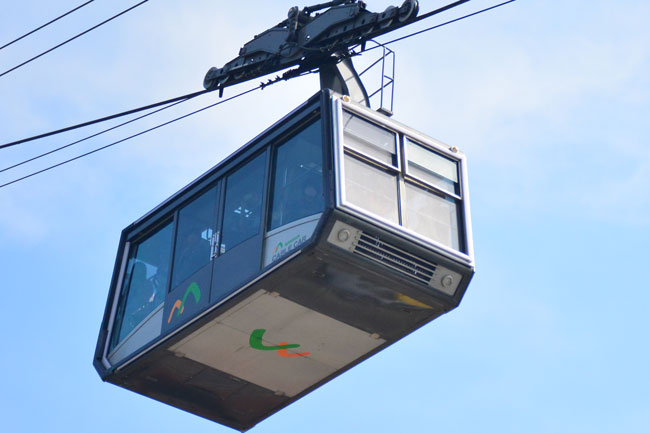
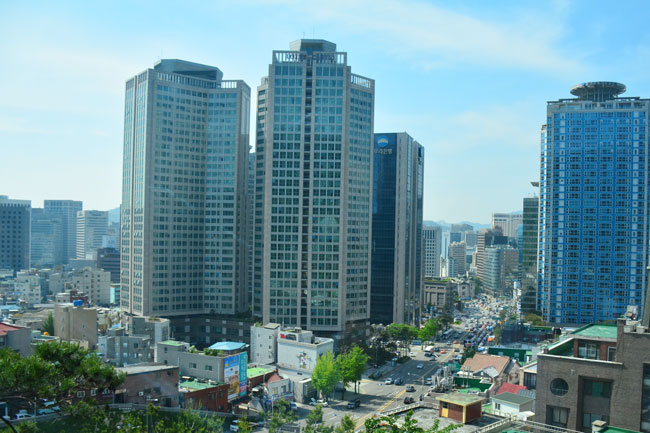
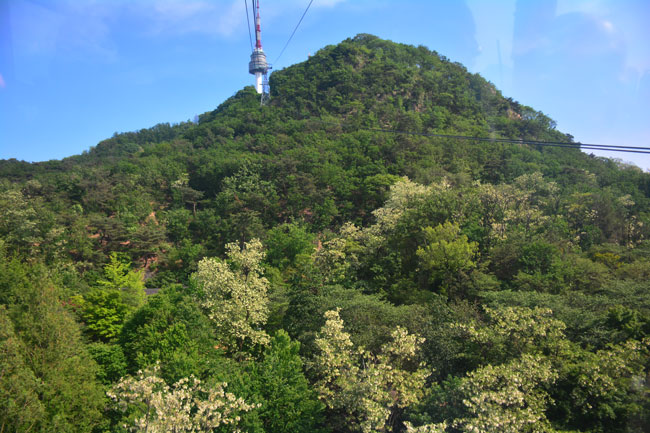
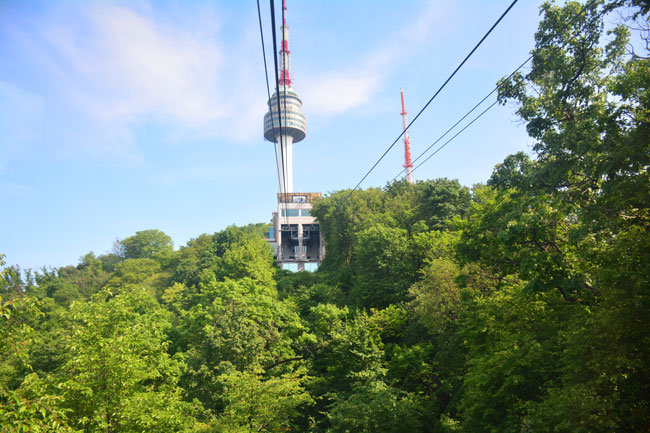
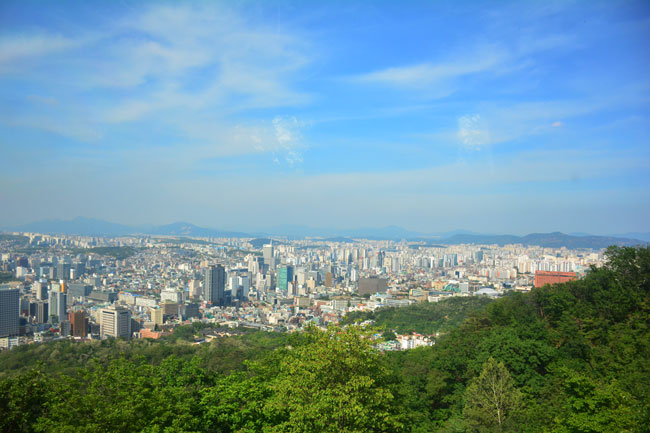
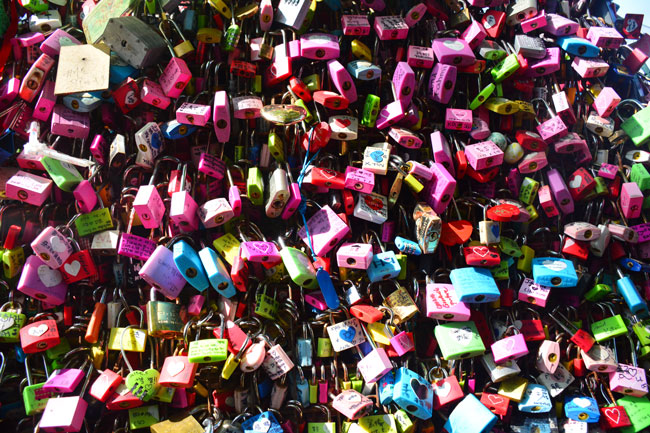
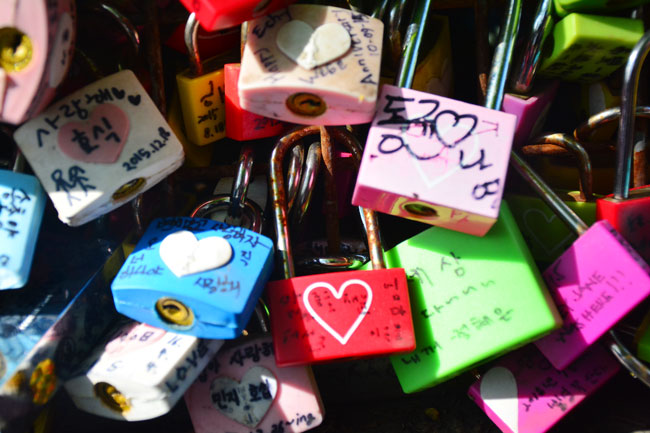
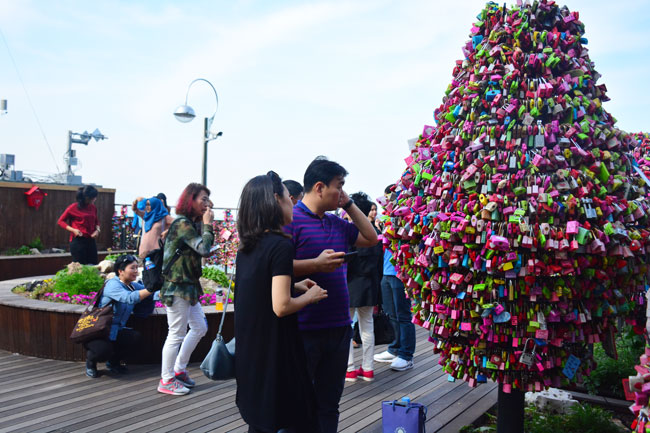
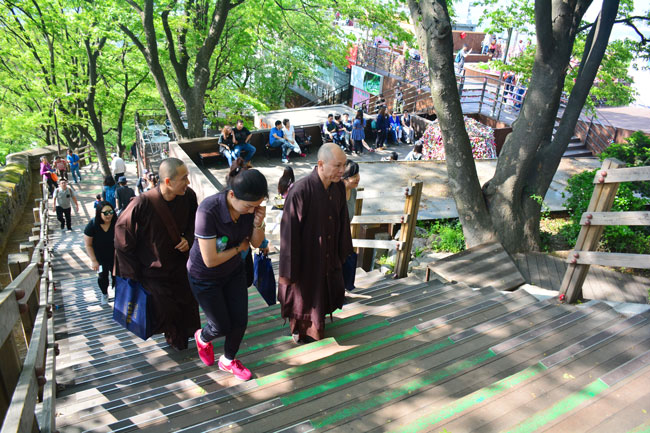
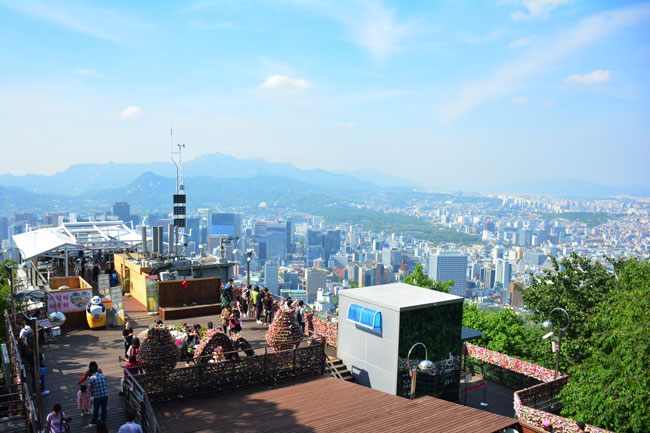
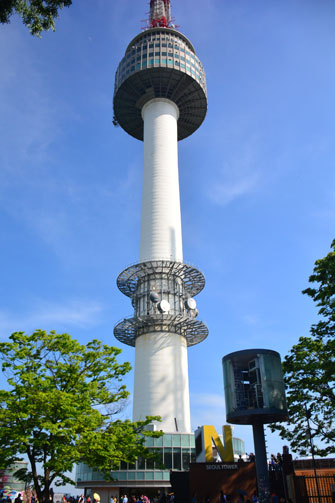
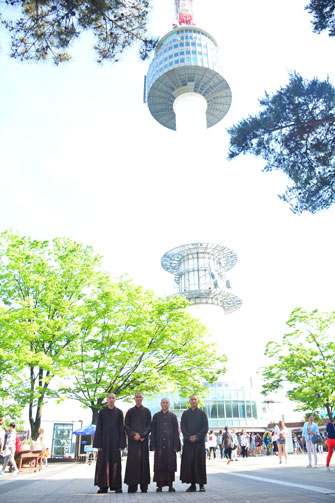
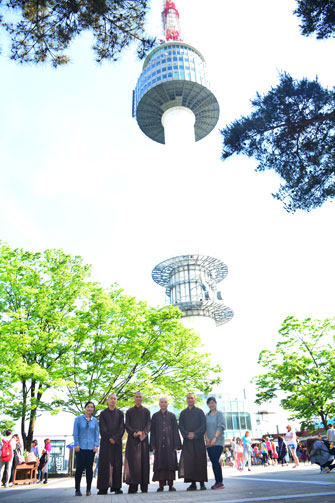
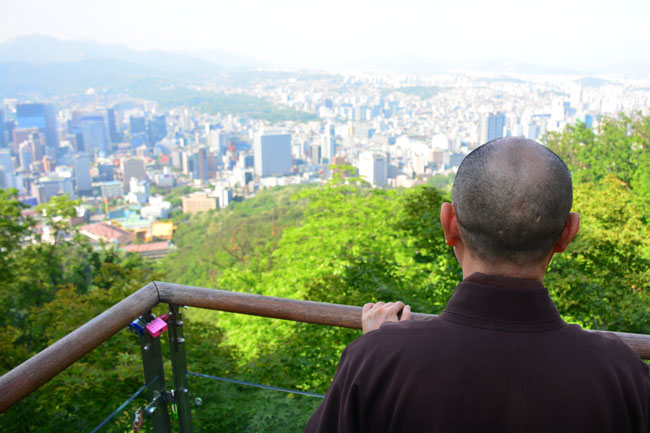
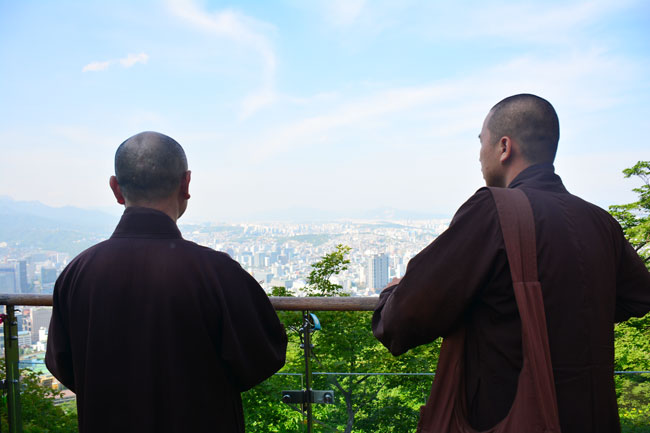
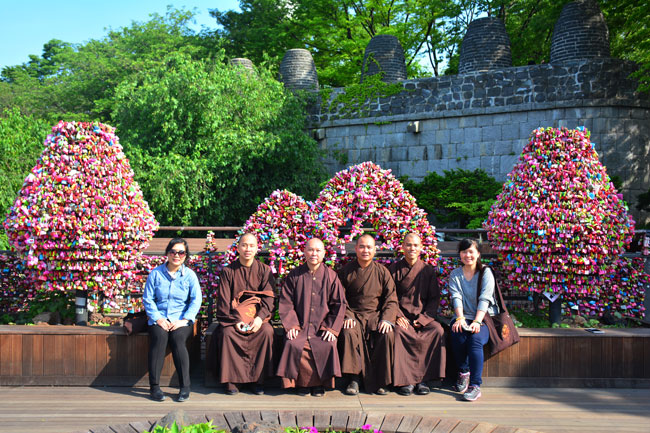
At the end of the day, the delegation visited Nam San Tower at the height of 236.7 meters. From the tower’s top the panorama of Seoul appeared. South Korean Youths often come here to take the pledge of forever love with closed locks and throw the keys away.
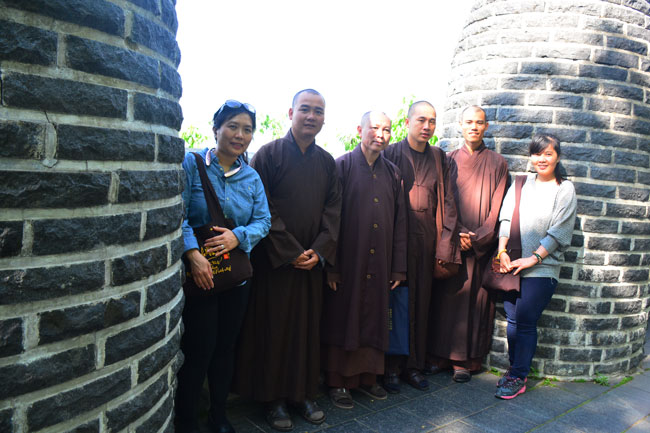
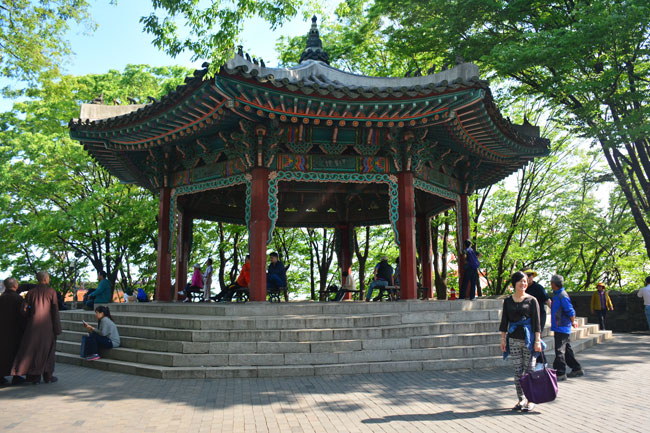
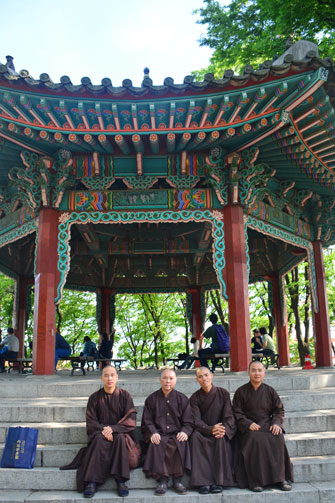
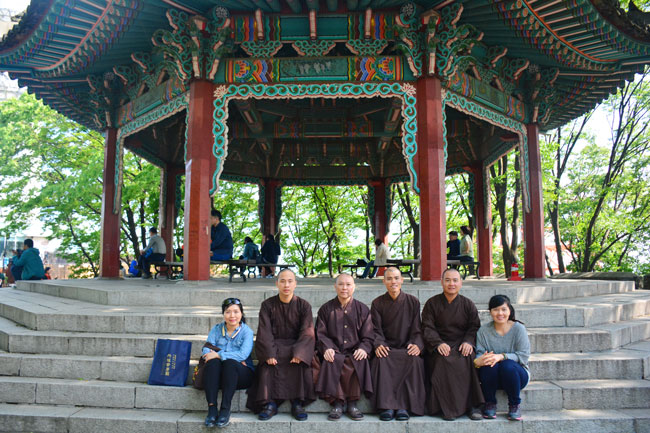
Followings are some photographs from the trip: