Thursday, 10/08/2026
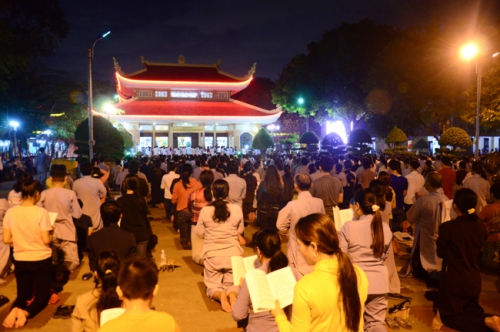
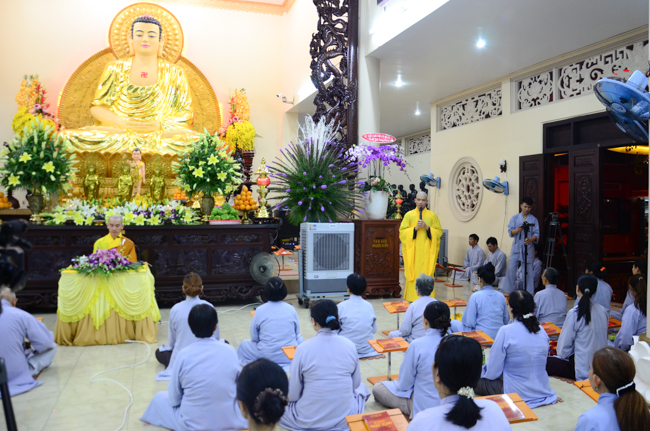
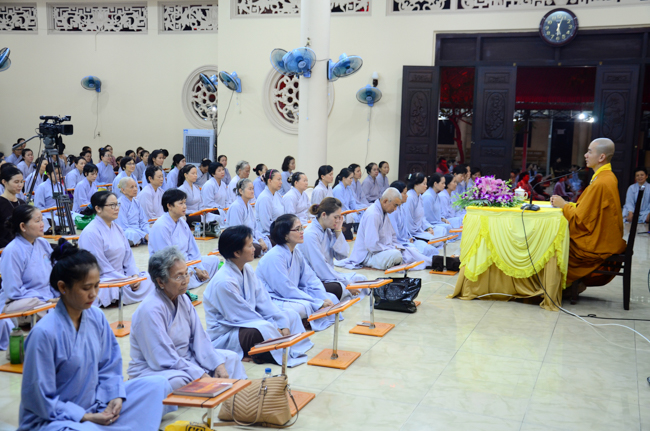
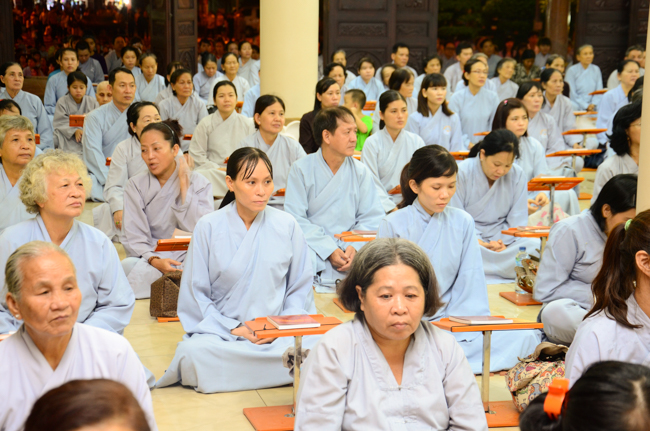
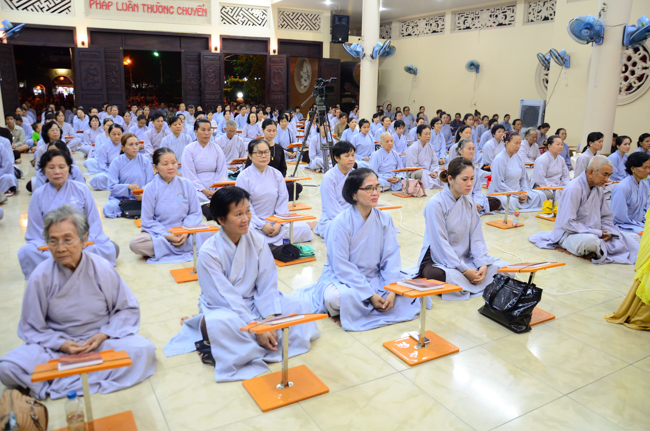
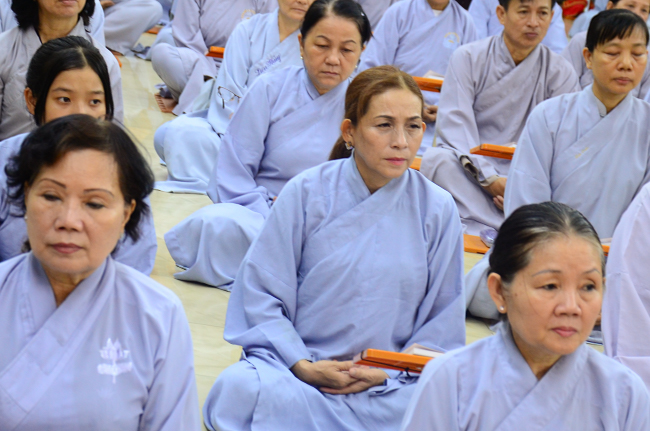
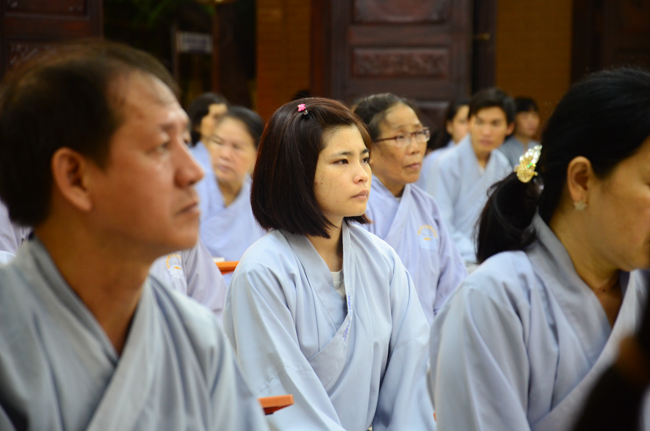
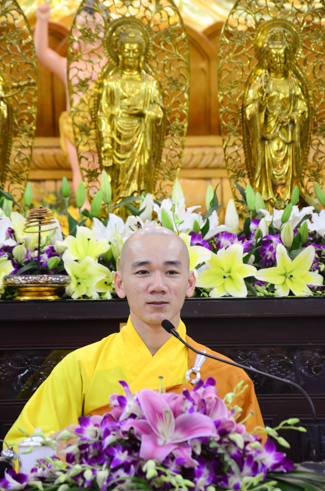
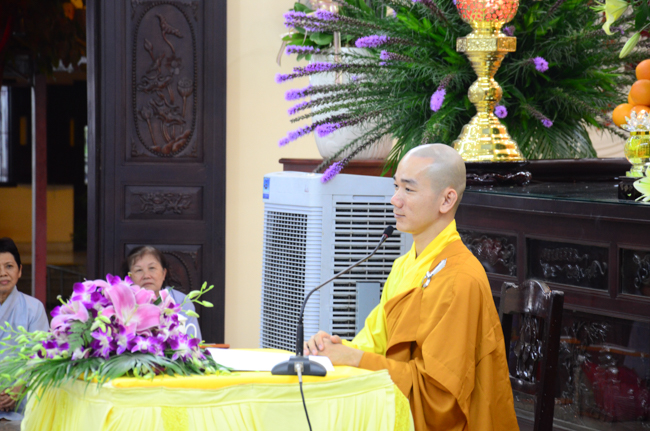
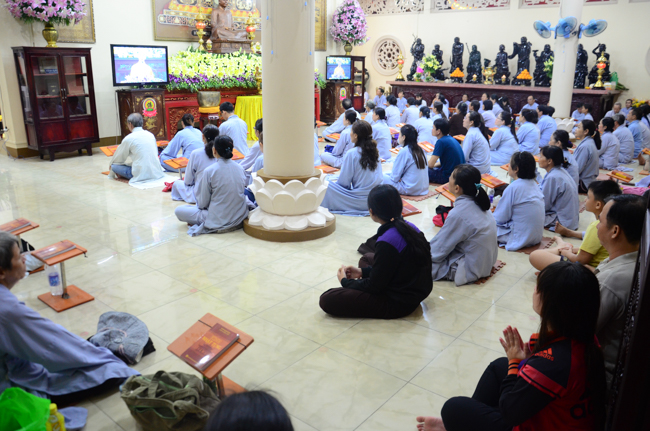
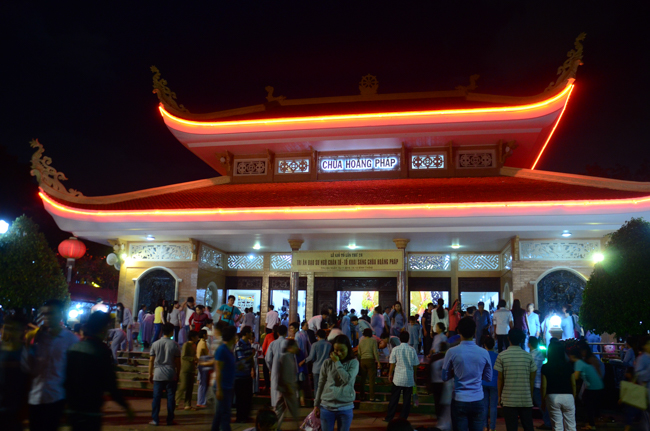
On this special occasion, Reverend Thich Tam Nguyen, the monk at Hoang Phap pagoda have delivered a Dharma talk before conducting the ceremony, the theme of which was called “For Endless Livingâ€.
True to tell, Buddhism embodies compassion. Spanning for over 2,600 years on Earth, a living proof of the compassion, Buddhism having brought to mankind has been credited to Gautama Buddha. In the previous incarnation, the Buddha had spread his love to all beings. His existence in this world had manifested itself as compassion: “A sentient but impartial being who was born for the dedication of happiness, benefits, love and peace to all devas and mortal men.†(The Middle Length Discourses of the Buddha, The Great Discourse on the Lion’s Roar). Throughout his incarnation, the Buddha proved that compassion was an essential element that could turn the Dharma Wheel, the wheel that leads to Nirvana, regardless of time and space.
With the credible evidence taken from Buddhist recorded material such as The Middle Length Discourses of the Buddha, Early Buddhist Texts, ancient and modern Buddhist stories, etc. The Reverend has given a detailed analysis of how important it is to nourish and practice Buddhist compassion. All Buddhism practices must be done based on compassion; the Buddha also taught that all the teachings of Siddhartha Gautama, the founder of Buddhism, were all compressed into the practice of compassion (Early Buddhist Texts).
The Dharma Talk ended with Reverend’s sharing of the benefits of practicing compassion. Once having the root of compassion grow deep in our heart, we can hold ourselves and fight against “the selfâ€, greed, hatred and ignorance. True compassion results in the bloom of mercy, generosity and devotion. In the Numerical Discourse of the Buddha stated a teaching, those who manage to harbor compassion shall reap 11 different benefits. To have another person enlightened is to drive darkness back another step; to raise love in another heart means to heal another wound. As Buddhists, we need to keep on practice and nourish self-compassion to do us and other good, and to see the fruits of our cultivation.
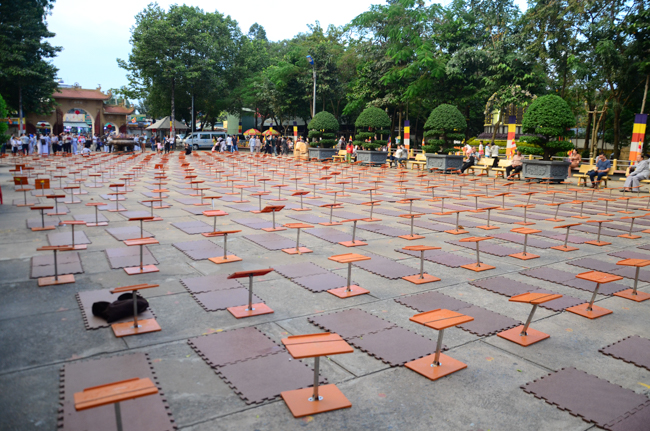
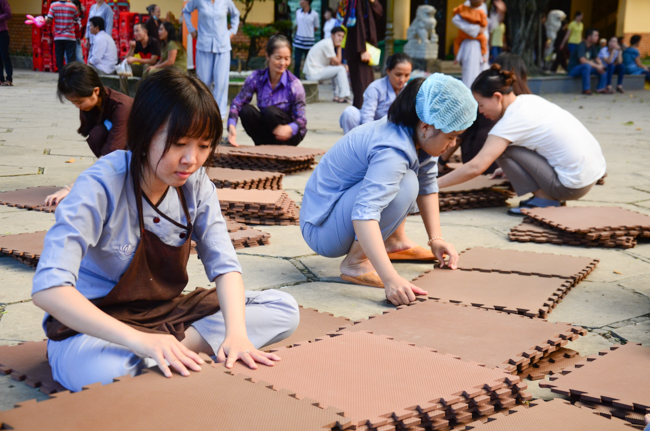
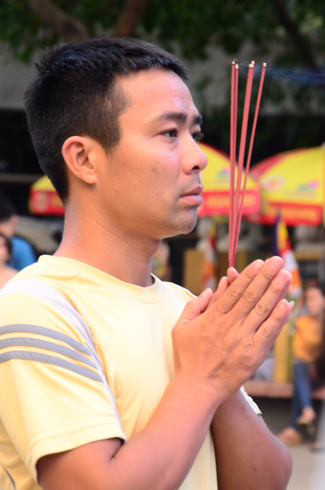
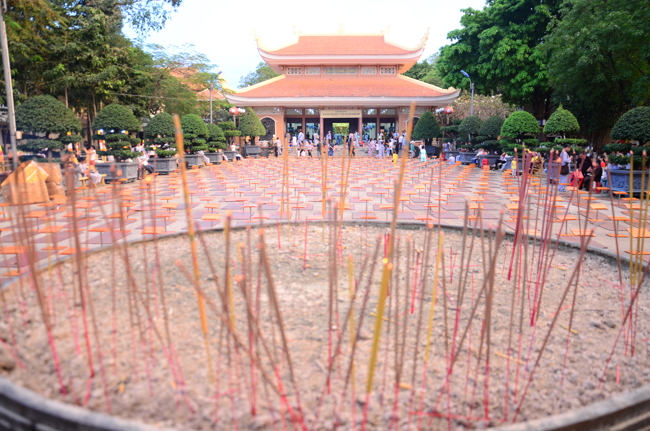
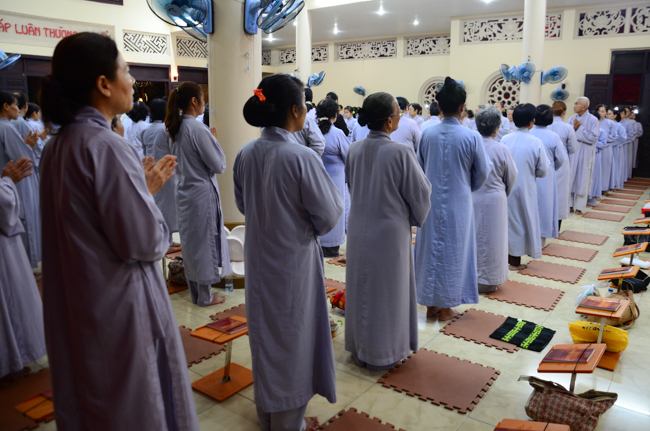
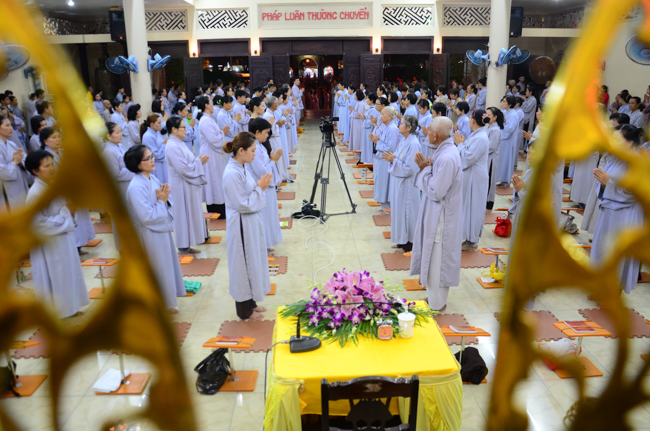
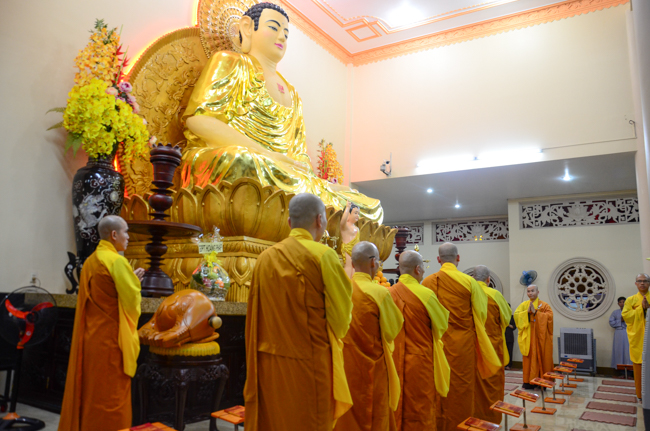
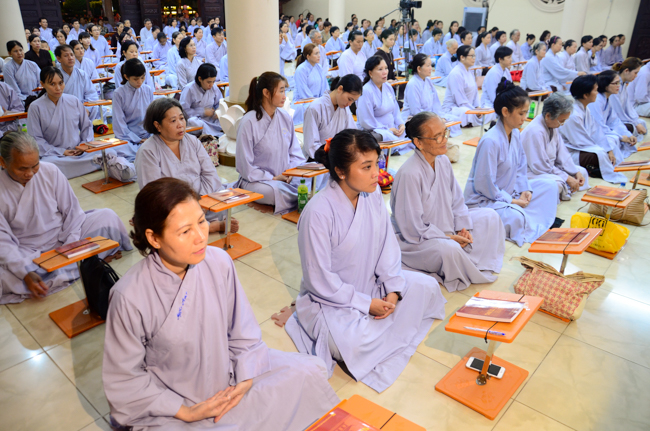
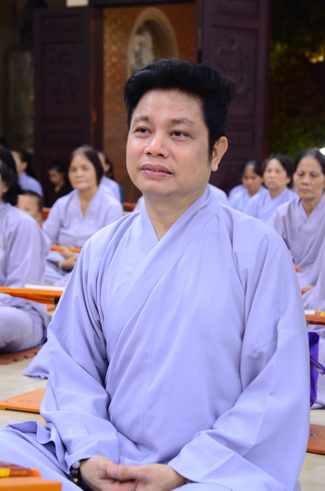
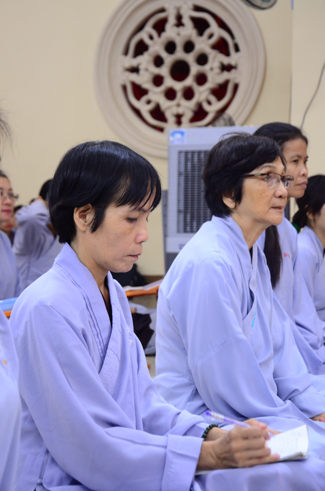
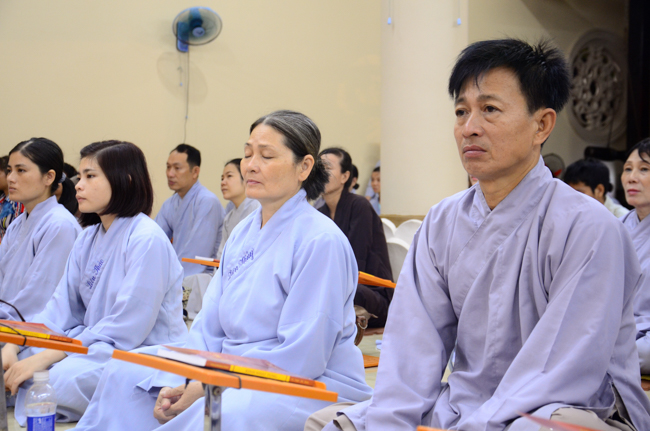
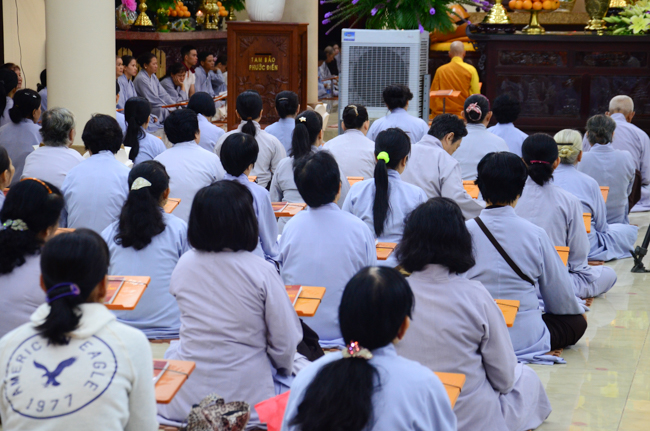
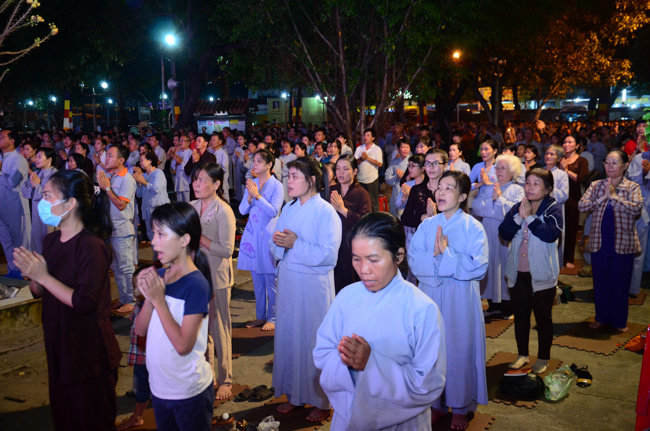
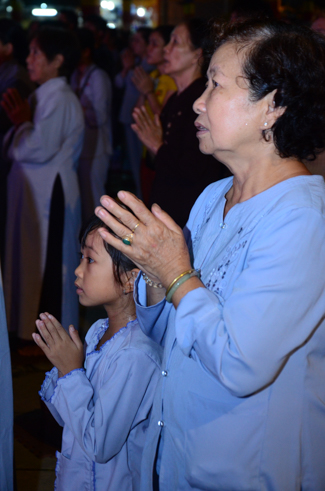
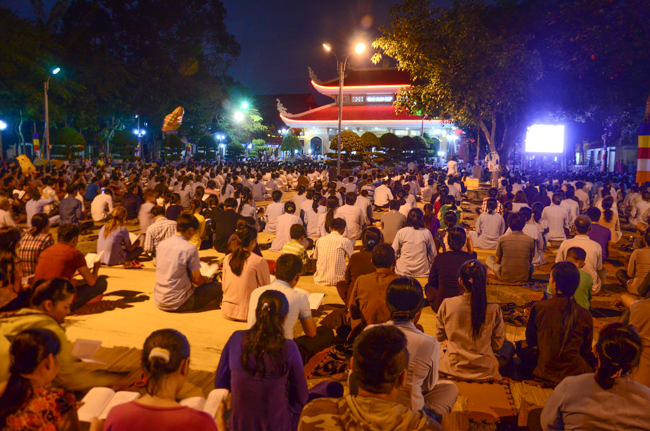
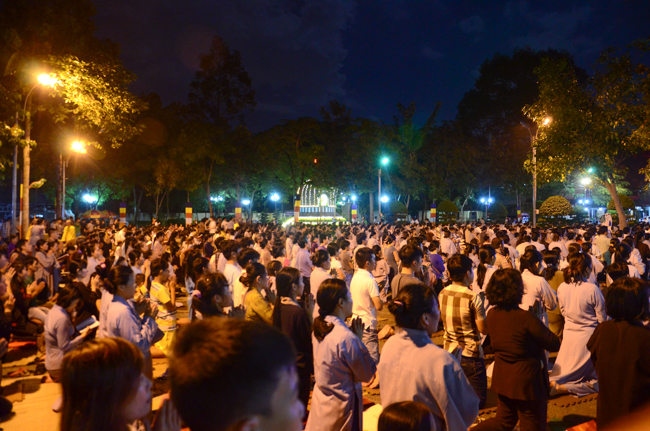
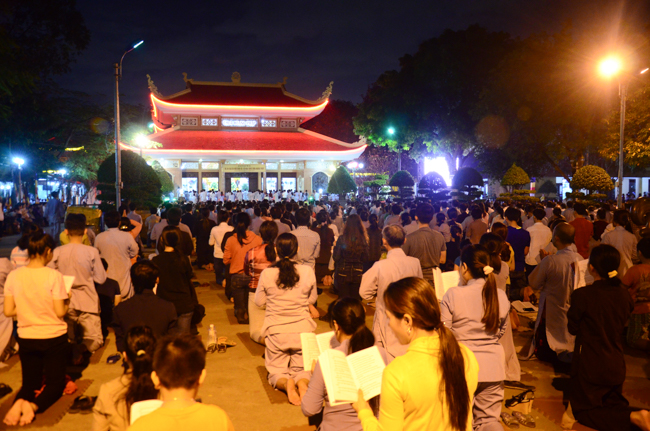
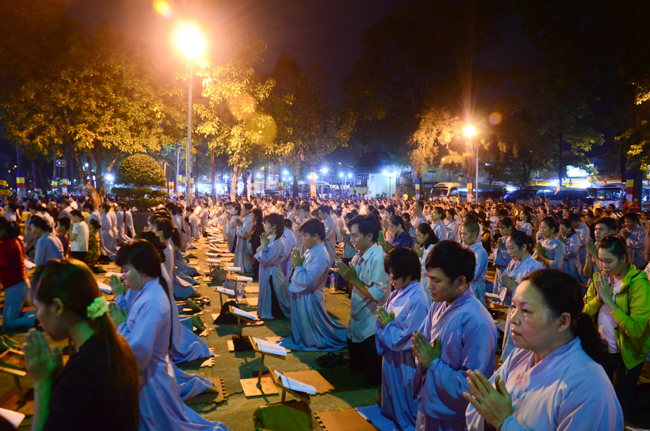
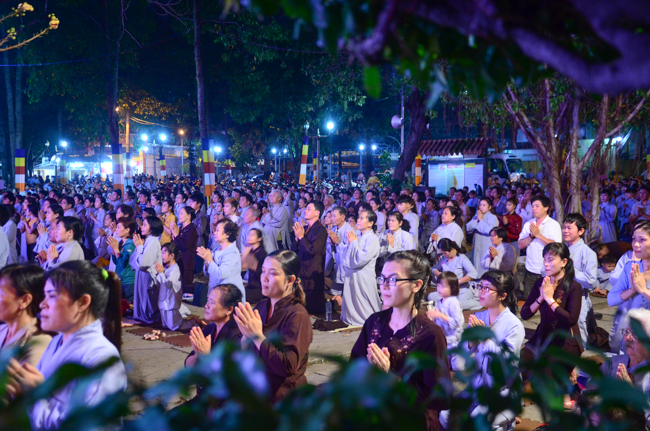
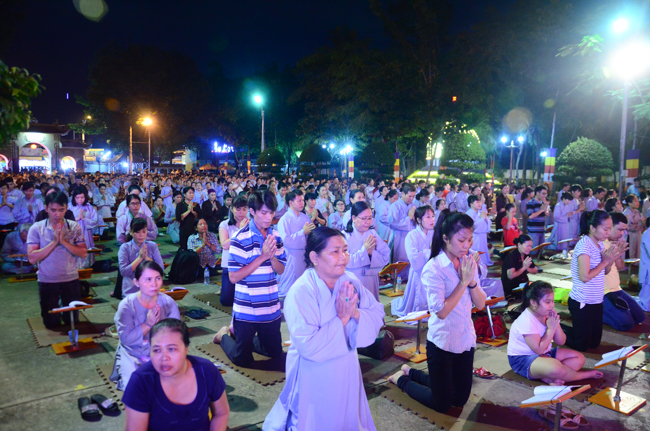
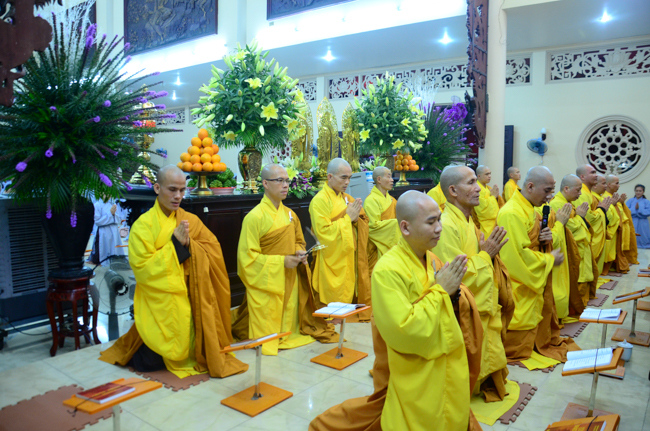
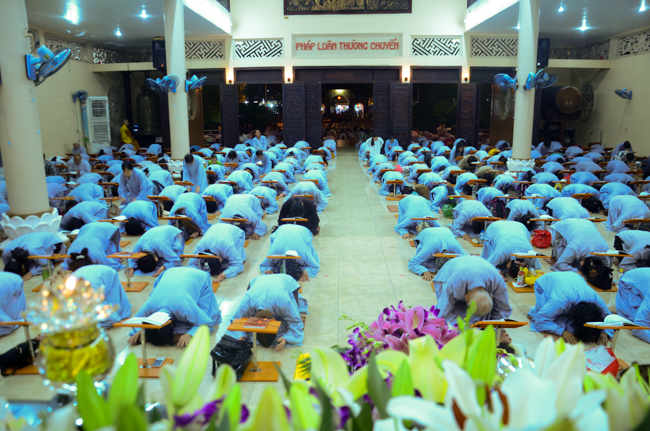
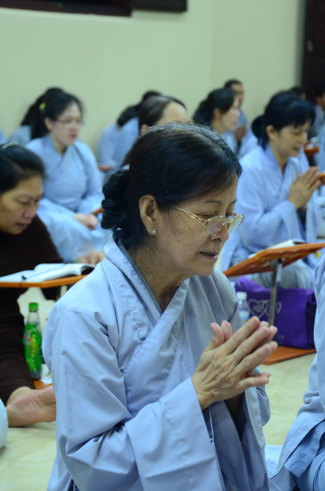
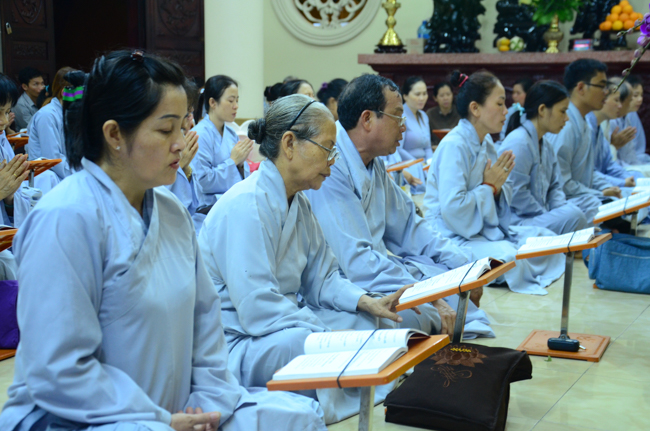
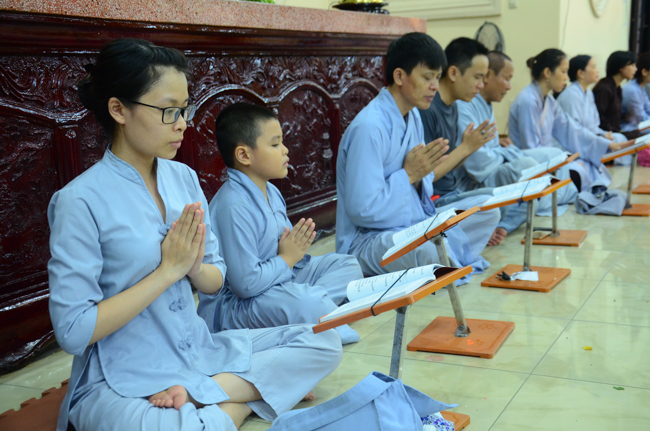
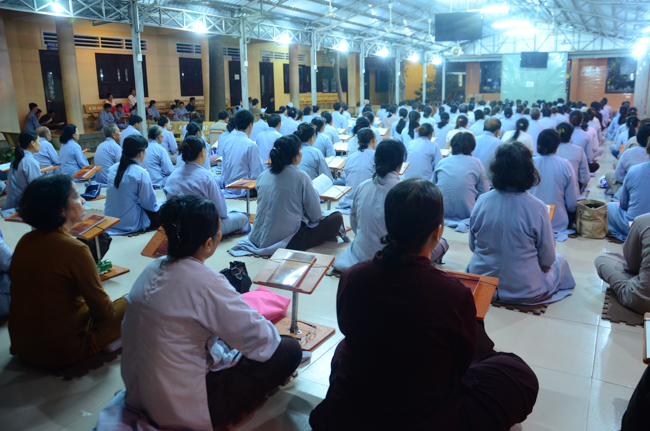
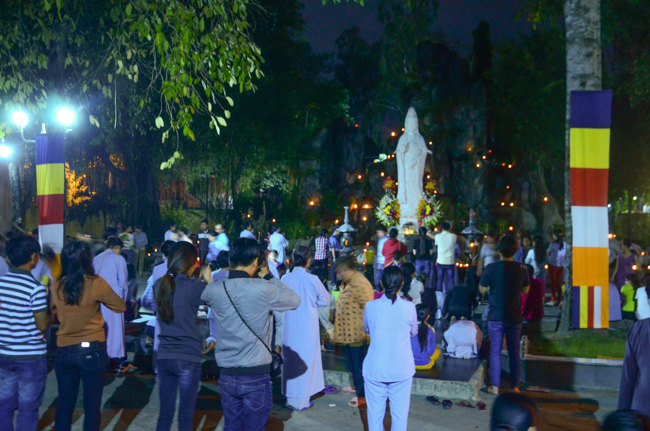
Following the Dharma Talk, the rituals of recitation and repentance before the 88 Buddhas took place as usual.
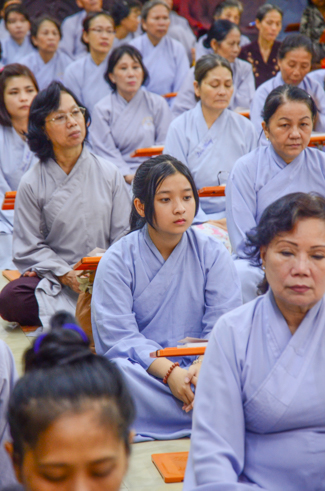
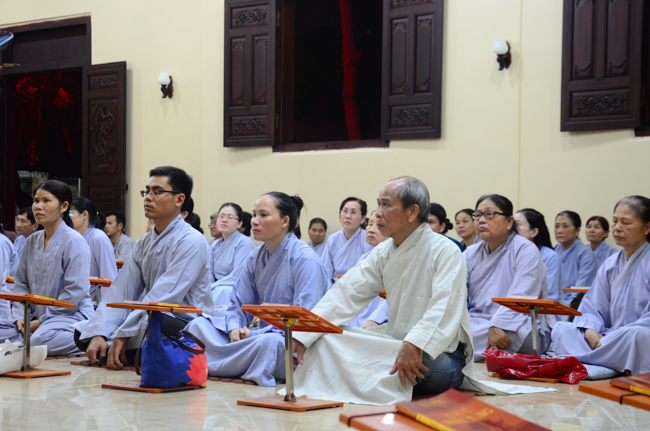
Below are the photos recorded: