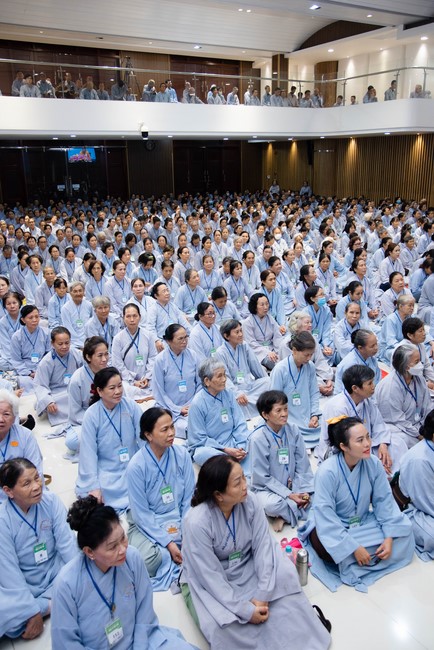
Tuesday, 10/20/2026
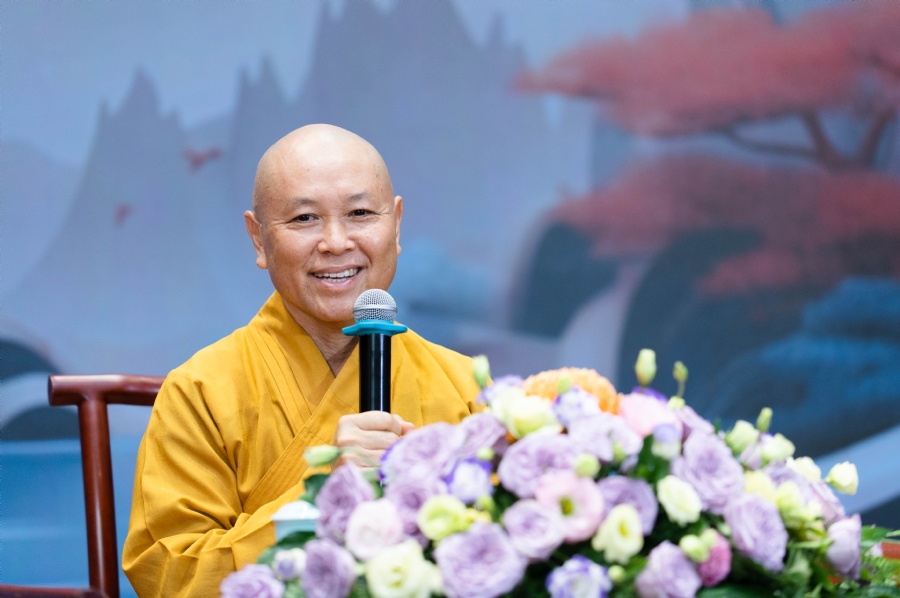
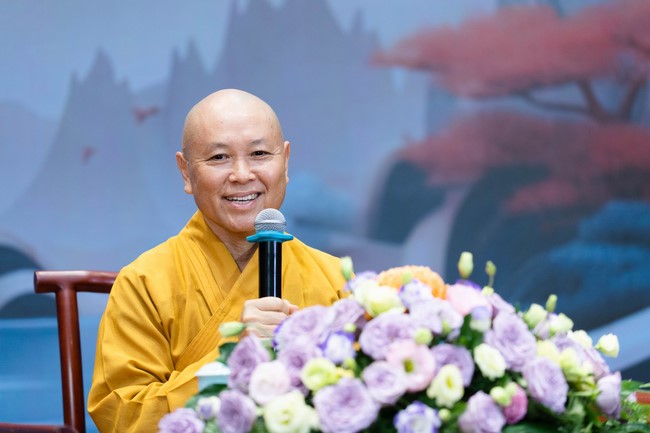
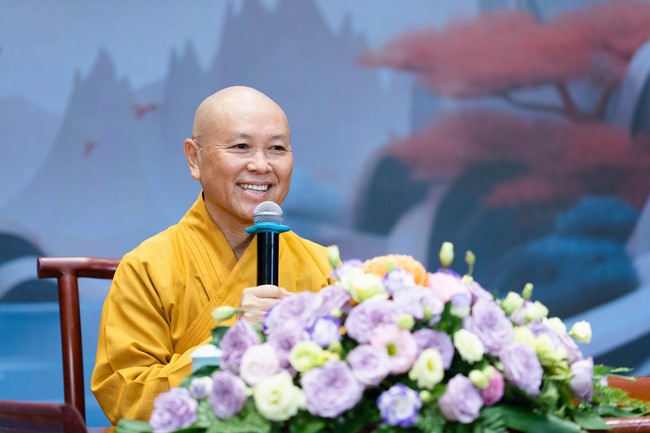
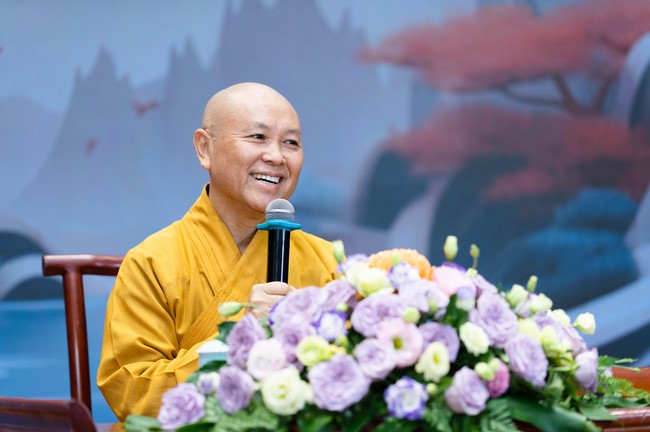
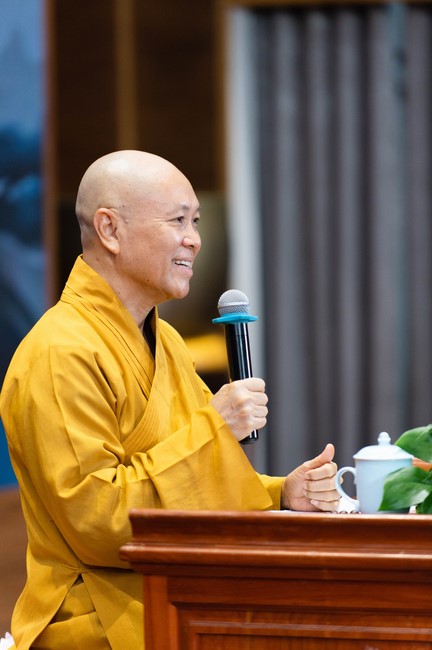
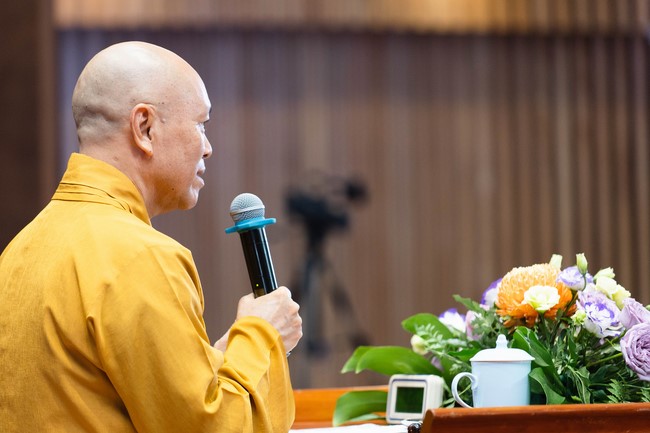
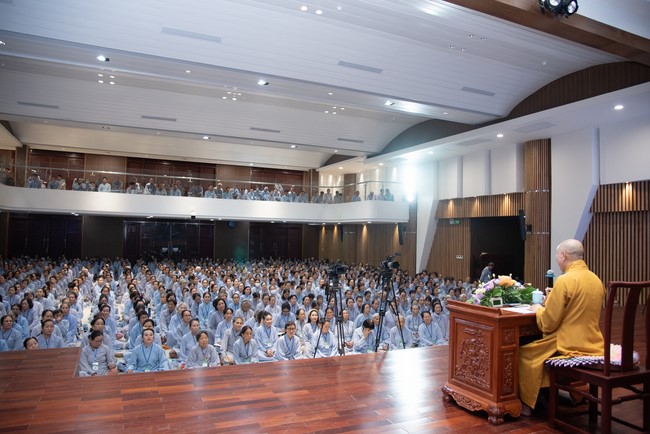
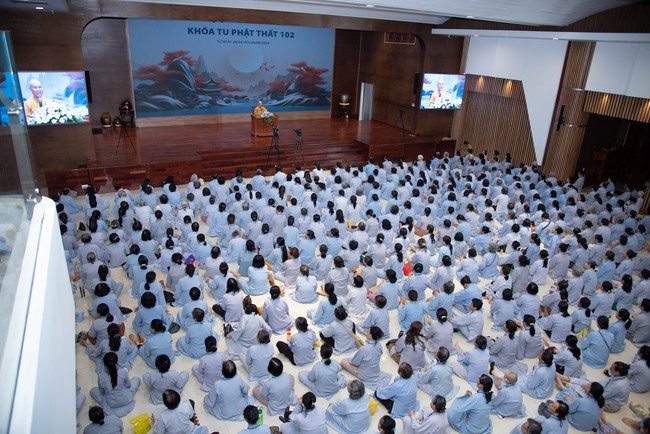
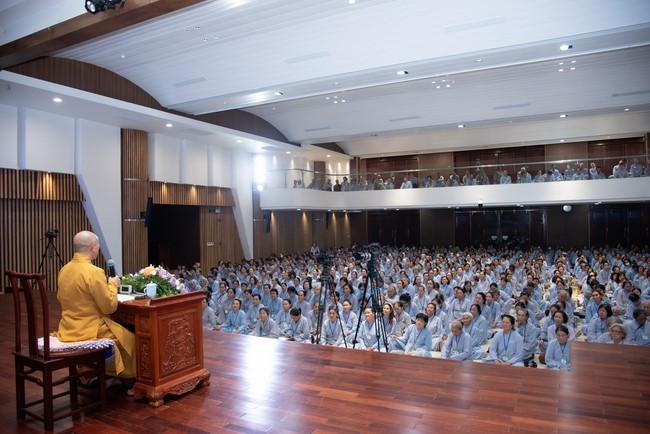
The Most Master skillfully promoted practitioners’ spirit from the documentary film by his vast compassion and practical actions. He told about his cause and his wish to build two pagodas named Truong Phap in Hau Giang and Quang Phap in Tay Ninh with two great Buddha statues there.
Humans have life from the moment they are born and end at death. All sentient beings in life will end by death, that is the law. However, have we ever asked the question:
1. What do we bring when being born into this life?
In terms of material things, we are born with empty hands. Spiritually, when being born, we carry our past karma with us. There is no deity or God who blesses or brings disaster, or makes one person happy or another person miserable. Blessings or misfortunes, happiness or suffering, all come from the causes we sow
2. What do we take with us when we die?
All worldly material things cannot be carried with us, only the karma we have created will follow us from this life to the next life.
“When being born, one brought its previous live karma
At dying, one will carry the sowing karma in this life"
3. Where does a person's soul go after death? The Buddha taught that when a person has not yet attained sainthood (Arhat, Buddha) after death, he must go to one of six realms: hell, hungry ghost, animal, atula, human, heaven. Thus, to be born in the human world, one must comply with 5 precepts; Or being born in heaven, one must practice ten good karma.
4. What deeds will we accumulate for life? After passing away, each of us will save two types of careers: material and spiritual.
Entered Nirvana more than 26 centuries ago, but the Buddha intellectual career still lives on forever, His fragrance of morality radiates to this day, bringing great benefits throughout three realms of humanity and heaven. With a material career spanning over 26 centuries, the monasteries, gardens, etc., although carefully preserved, now only remain vestiges. As we study Buddhism, we need to recognize it clearly, follow His example, and live worthy ethically, and responsibly for ourselves, families, and society. In our ability, we should try our best to do good deeds, no matter how big or small, which contribute good values for life.
5. What problems do we often encounter when we leave this world? We often get stuck when standing at the door of life and death: Regrets for wrong doing, unfulfilled dreams; Regret for material possessions, attachment to family and relatives. Every practitioner must constantly contemplate and understand clearly: impermanence, suffering, and non-self. This body is not mine, and is only collected by four great elements, so, impermanence can come at any time. Let's try to let go having peace and joy in the present life, gently stepping into the door of tranquility in the future.
Photos recorded: