
Thursday, 10/08/2026
Once sowing bad deeds
Do not blame others when doom comes.
Karma is volitional action of individual including activities, words or ideas. Karma originates from mind and is carried out via body, speech and thought. When considering karma, people often analyze things in terms of karma of body/speech/thought. To form a karma, it is necessary to have the influence of power. When six senses deal with six sense objects under the attractive power, karma is created; on the contrary, reactive power cannot help form karma.
1) Kinds of Karma:
There are two kinds of karma: in/volitional karma. Regardless whatever kind of karma, they all give effects on karma maker. The Buddha teaches us:
"Despite how many kalpas pass by,
Karma does not disappear,
Once having enough compounded conditions,
You get what you give "
2) Capacity of karma:
It is formed based on type of karma in a psychological process leading to the quality of karma.
a/ Habitual (Accina) Karma:
It is that which on habitually performs and recollects and for which one has a great liking. Habits whether good or bad becomes ones second nature, tending to form the character of a person. For example: drinking alcohol
c/ Weighty (Garuka) Karma
This is either weighty or serious good/bad karma that have strong imprint in person’s mind.
d/ Proximate(Asanna)Karma
This is that which one does or remembers immediately before the moment of dying. Owing to the great part it plays in determining the future birth, much importance is attained to this deathbed (asanna) Karma. The customs of reminding the dying man of good deeds and making him do good acts on his deathbed still prevails in Buddhist countries (and vice versa). Sometimes a bad person may die happily and receive a good rebirth if he remembers or does a good act at the last moment.
Hence, we need to sow good deeds forming good karmas (with huge good power) that can get rid of the appearance of bad karma in life/the last moment of life.
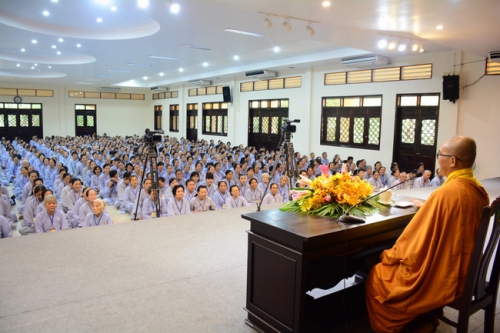
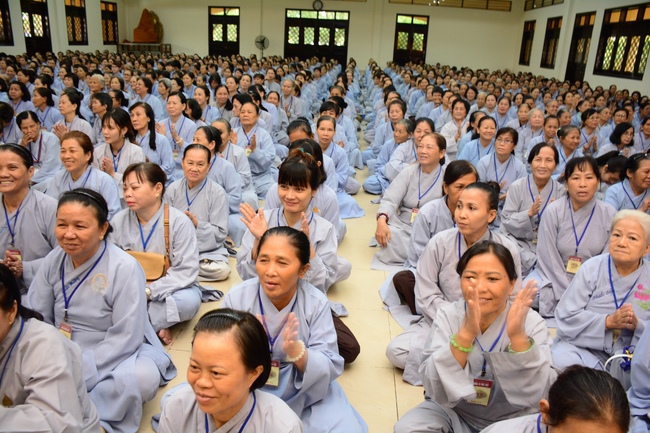
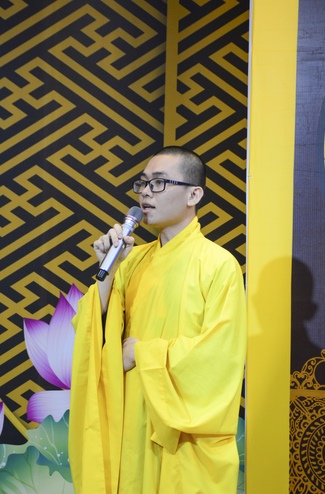
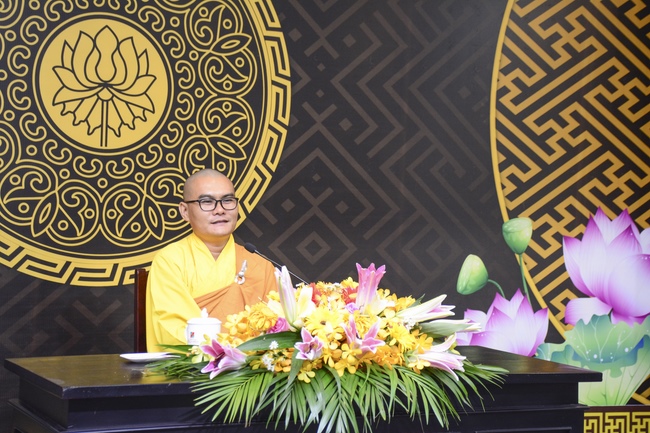
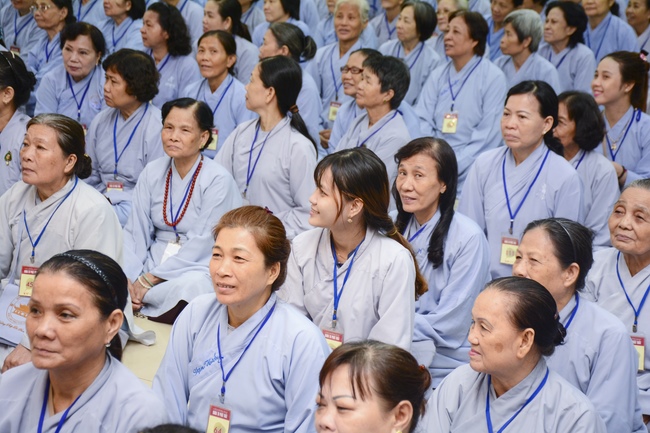
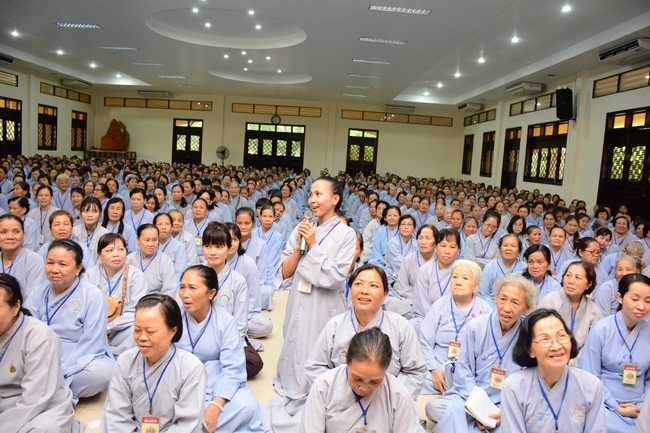
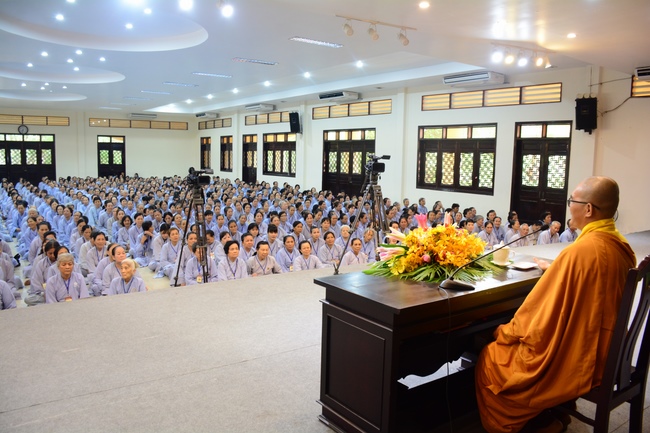
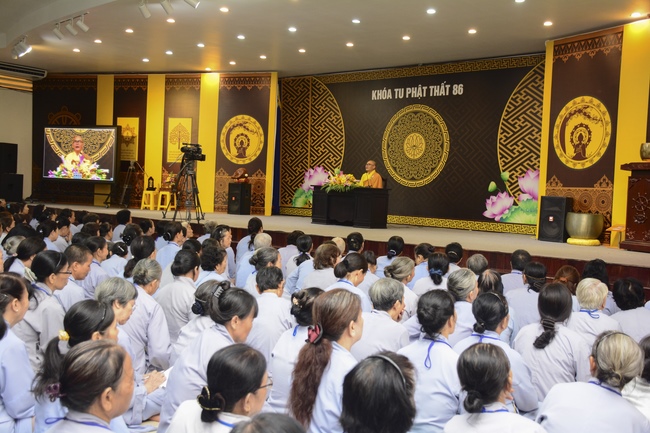
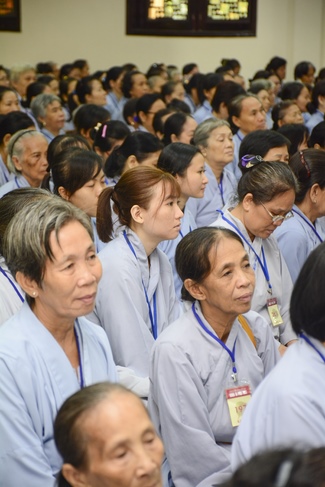
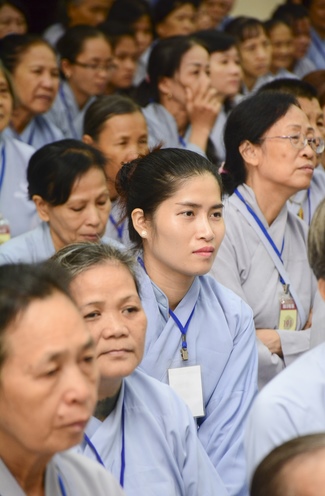
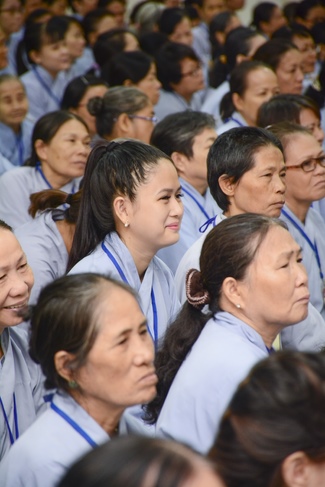
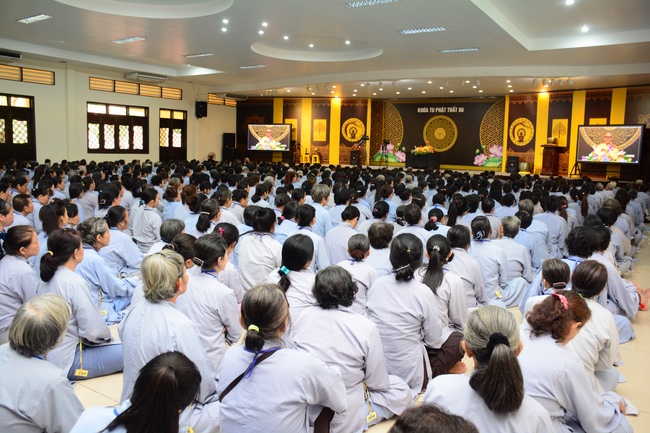
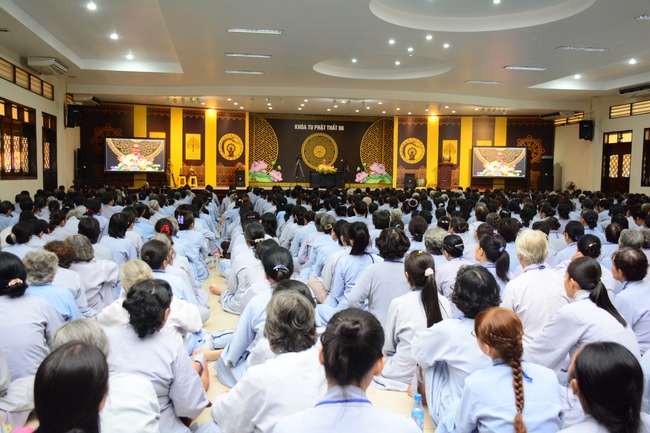
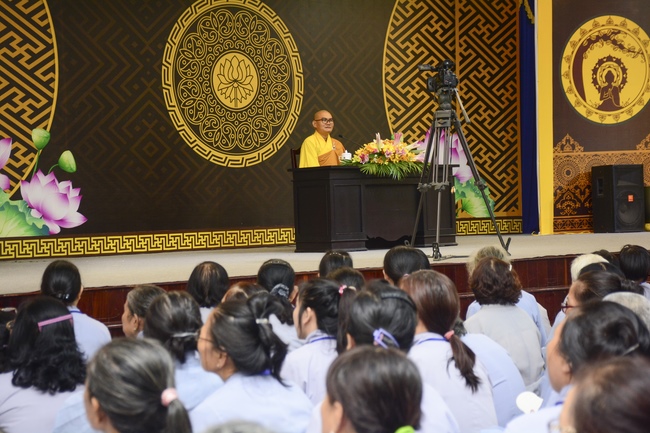
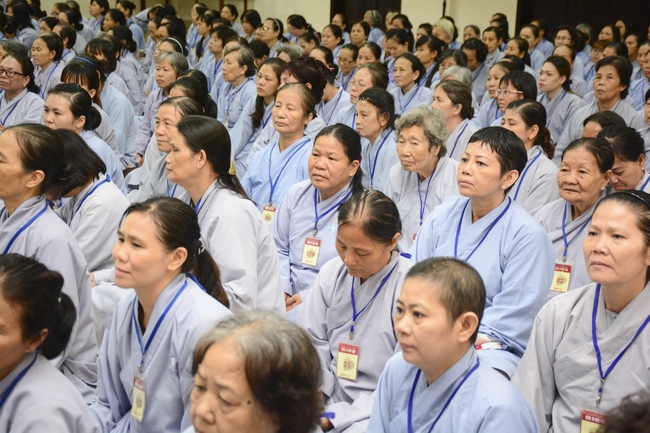
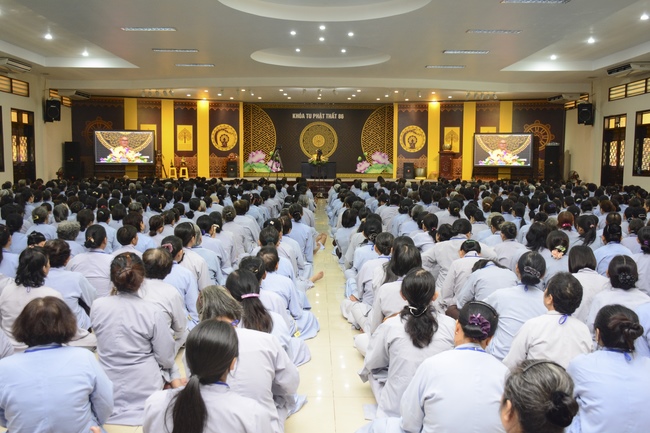
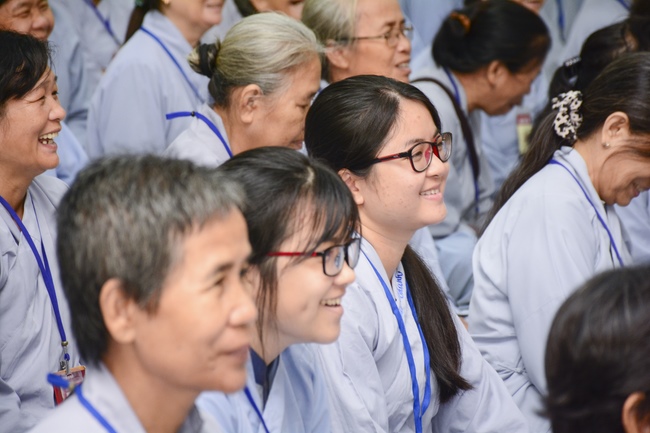
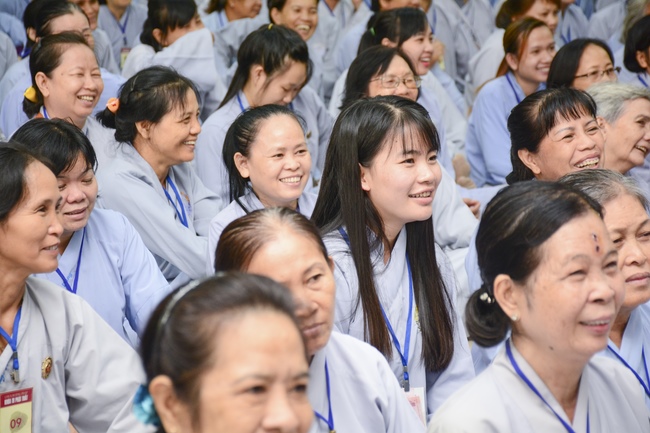
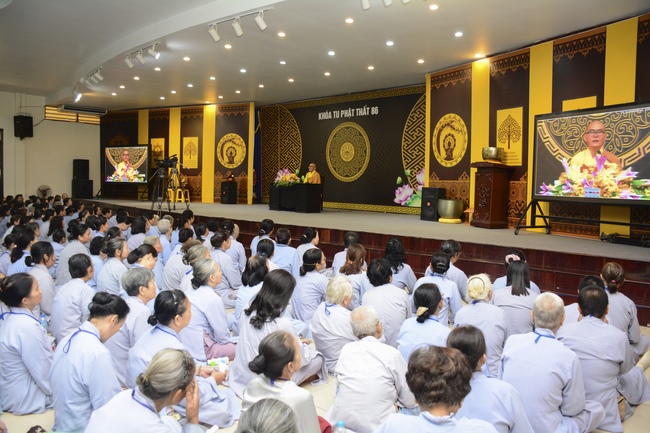
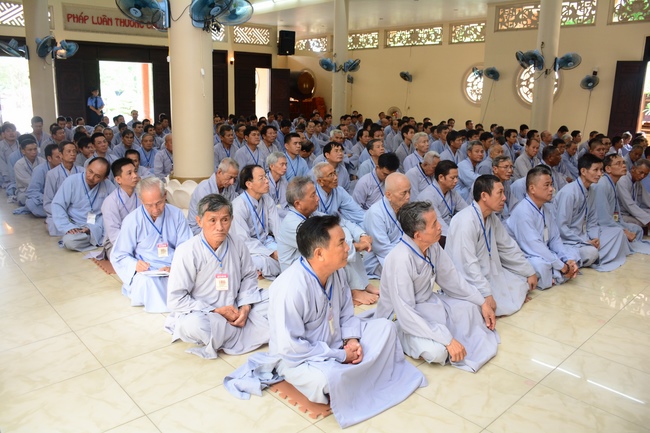
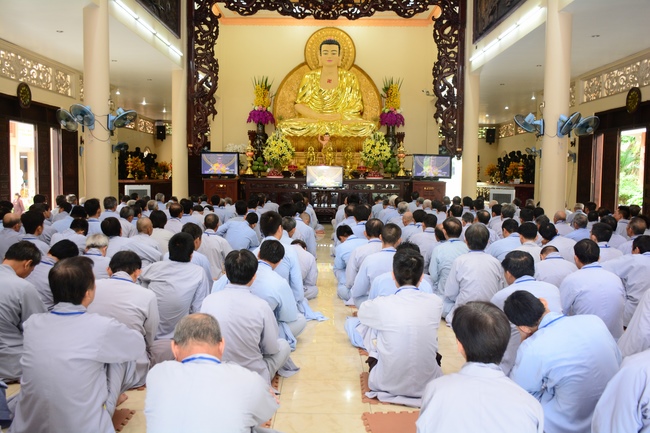
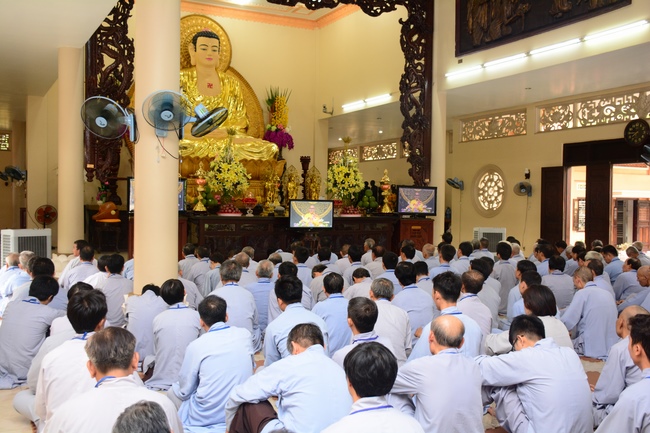
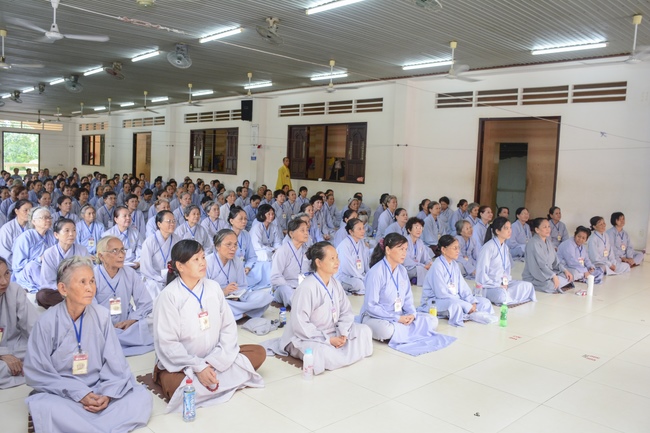
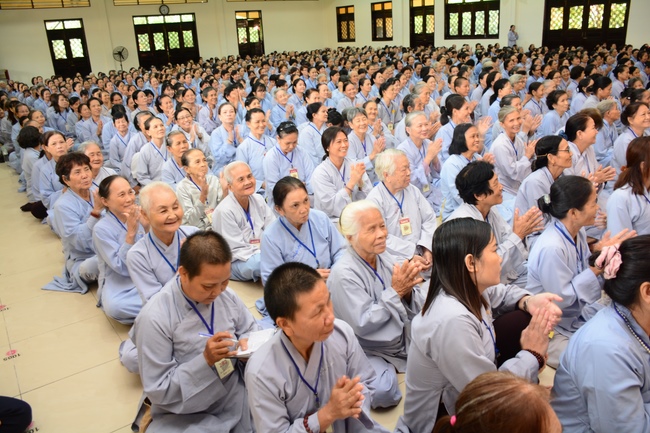
In more than an hour, the Venerable has helped the mass understand more clearly and accurately about karma. From this point of view, everyone can strive to sow good deeds for the bliss and ease in present and future.
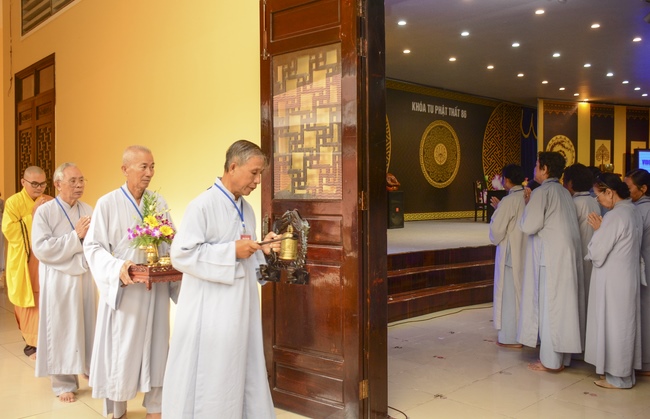
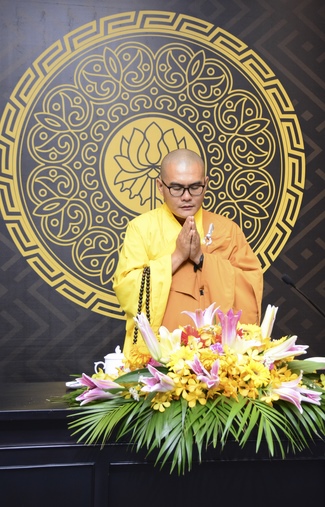
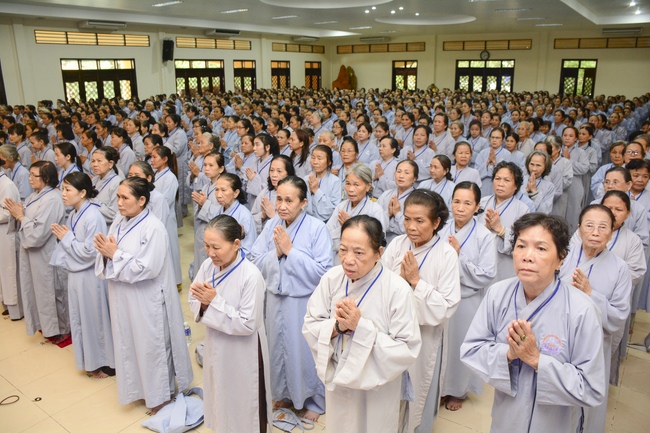
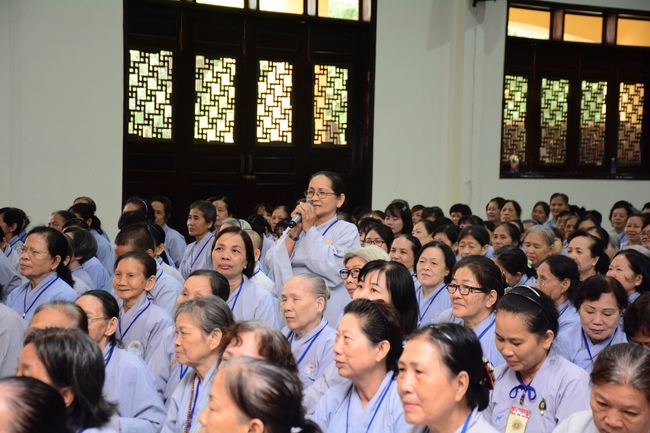
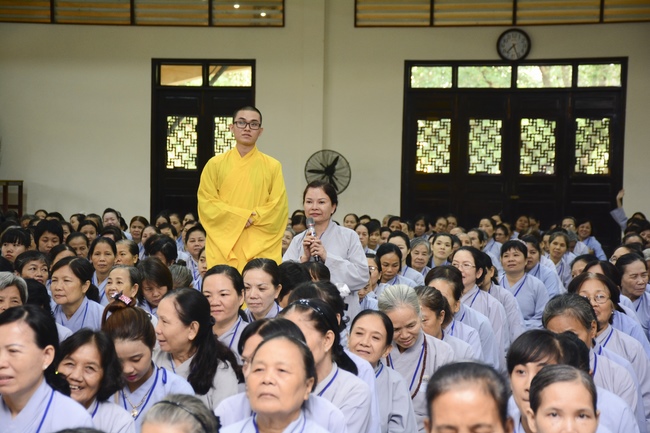
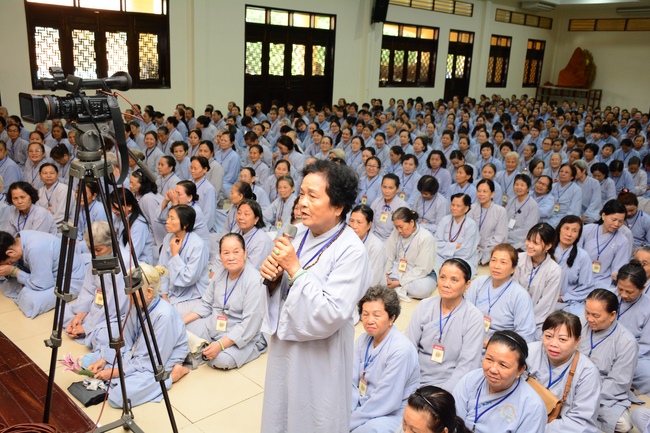
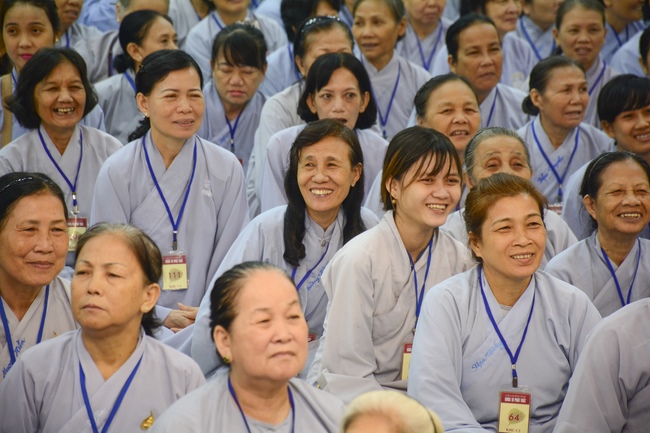
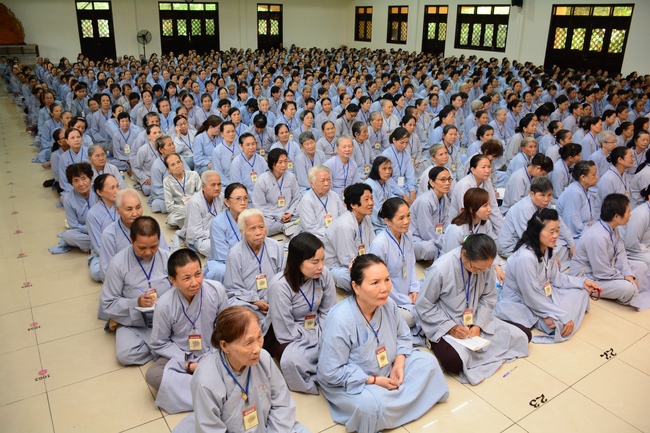
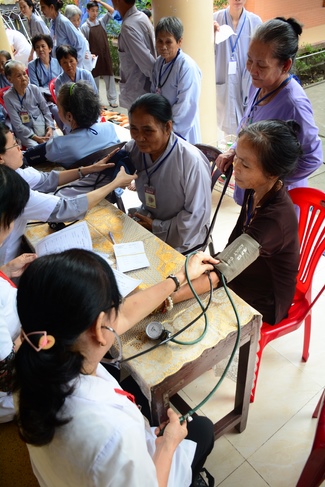
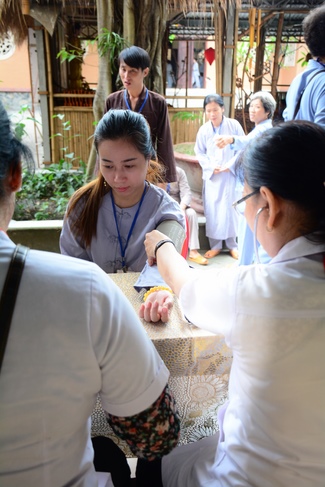
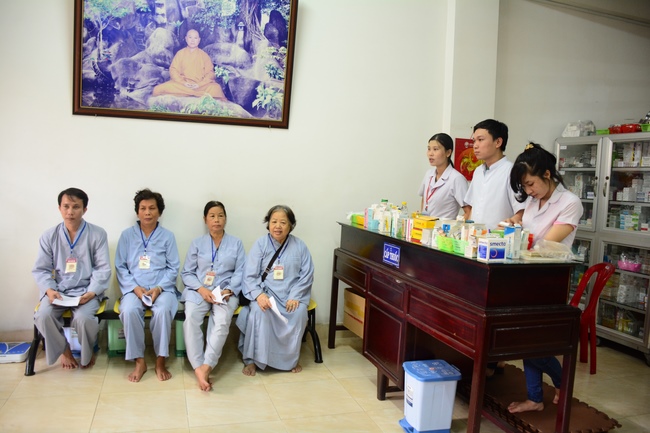
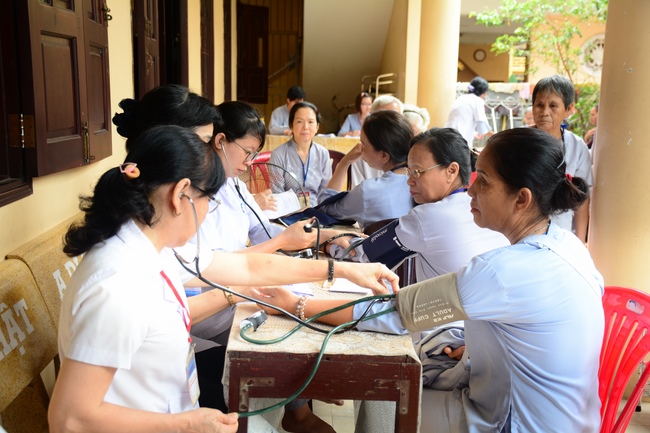
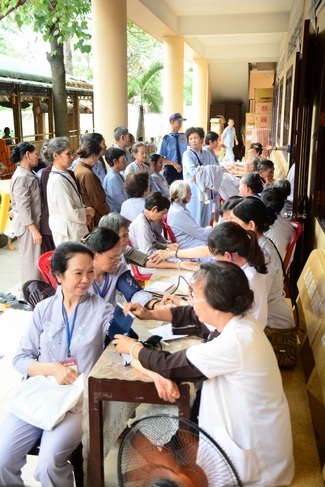
Following are recorded photographs:




BBT Website