Monday, 10/26/2026
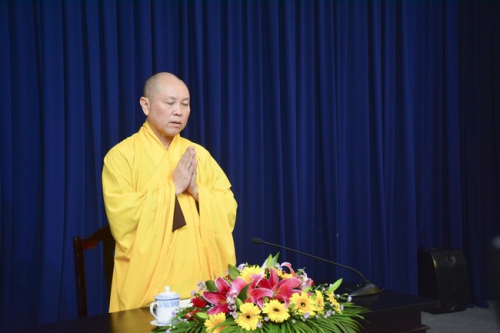
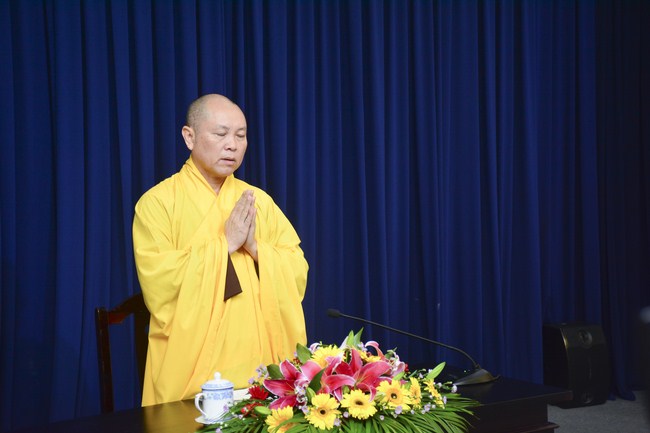
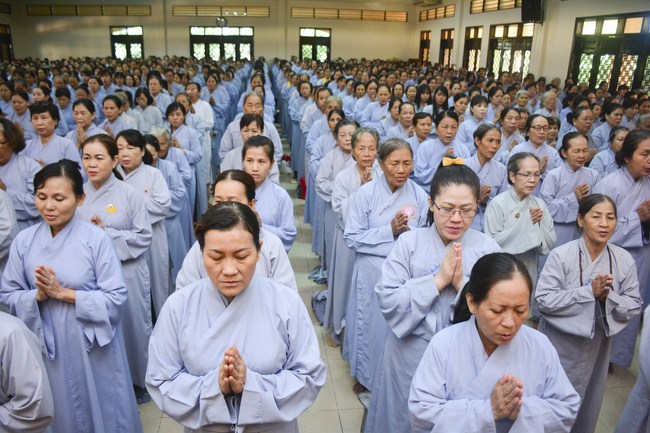
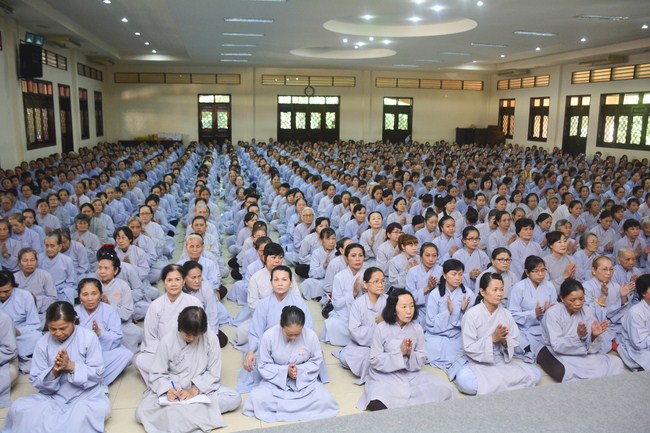
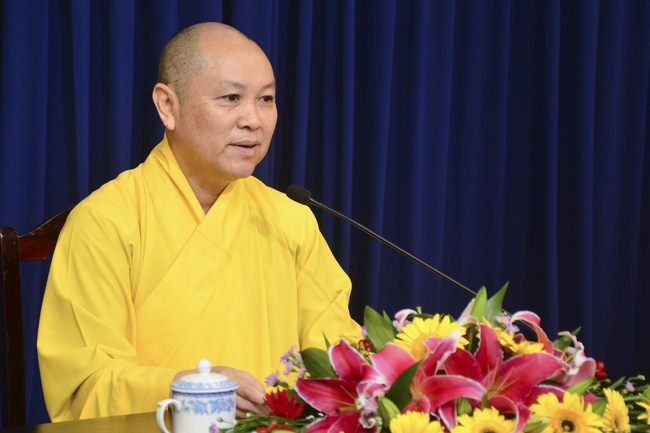
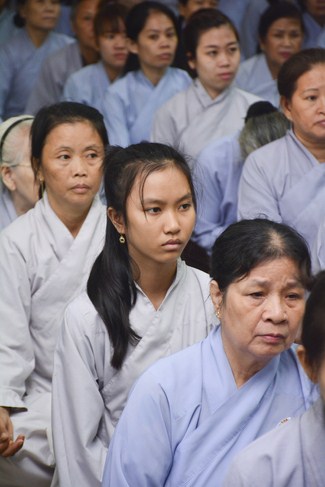
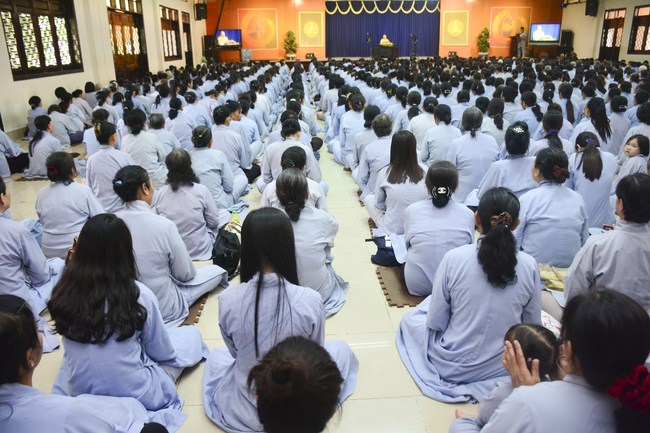
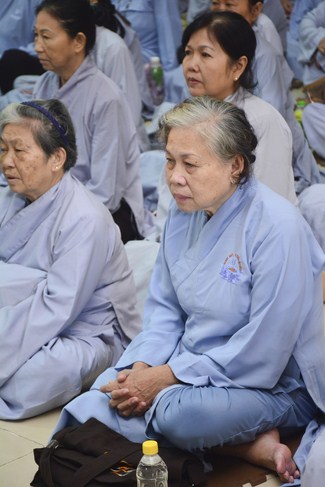
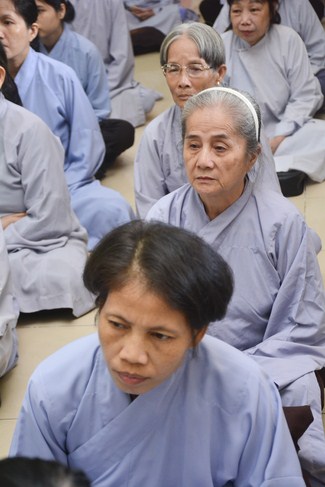
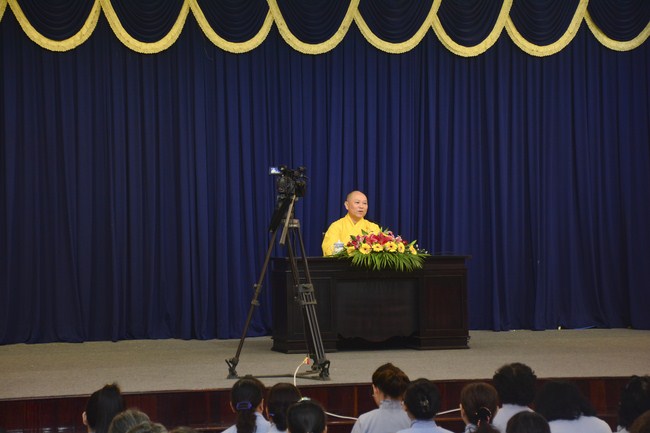
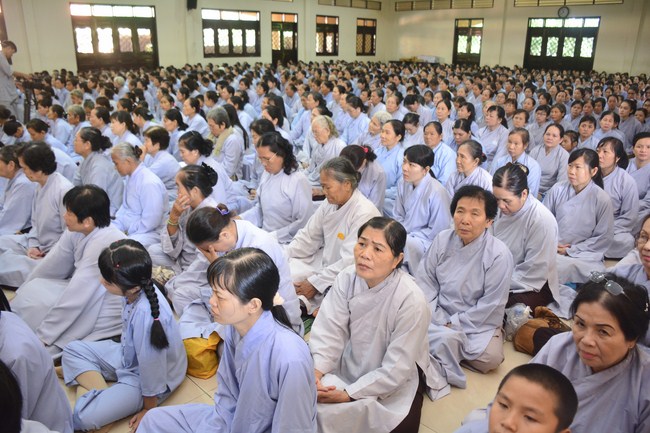
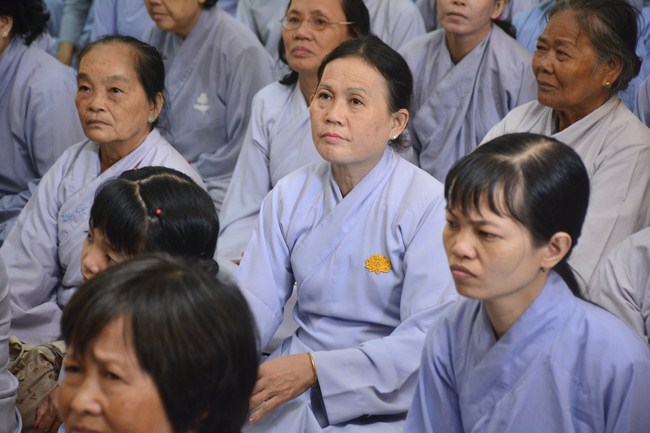
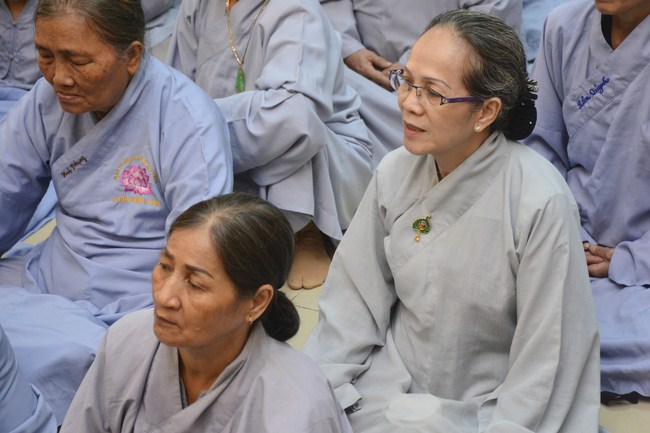
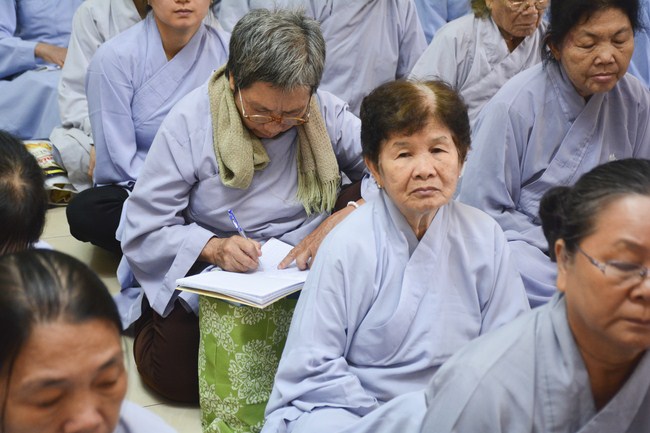
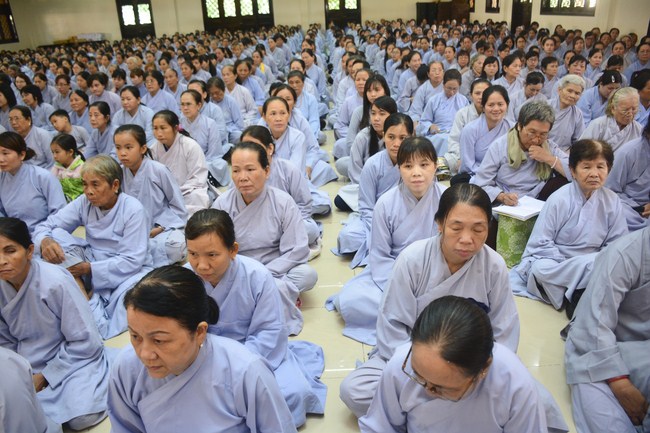
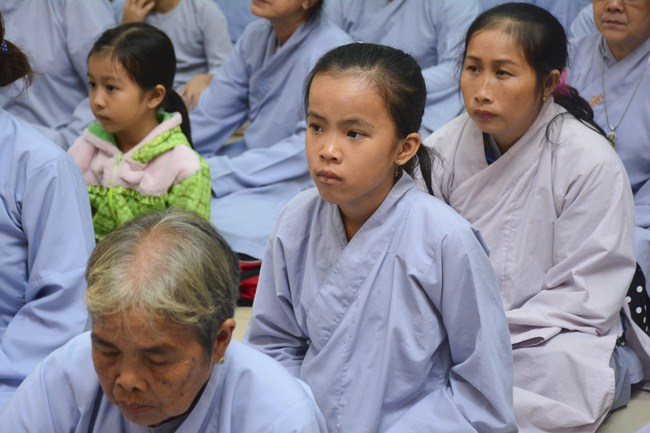
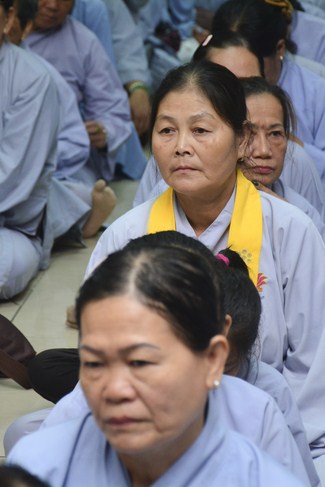
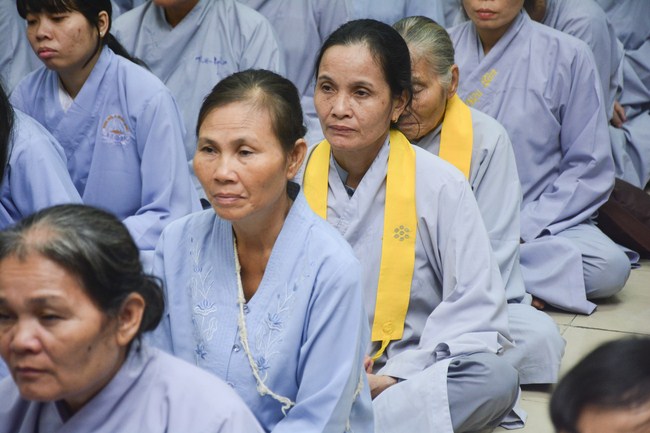
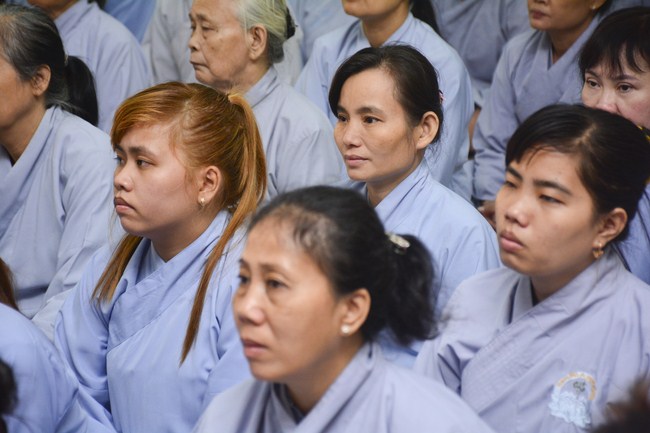
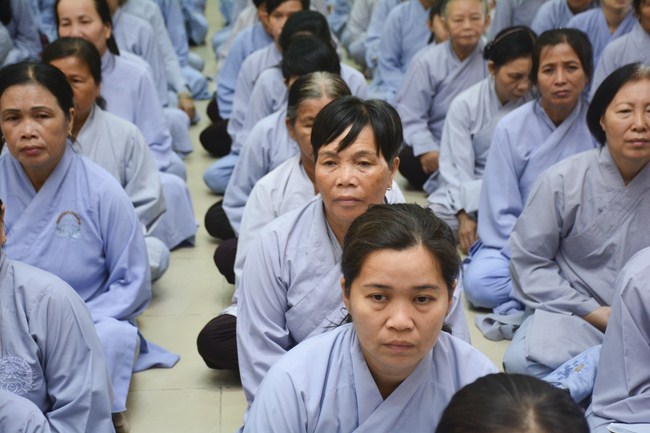
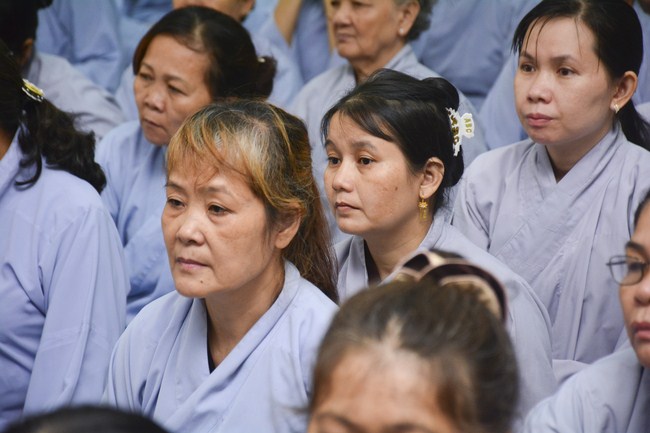
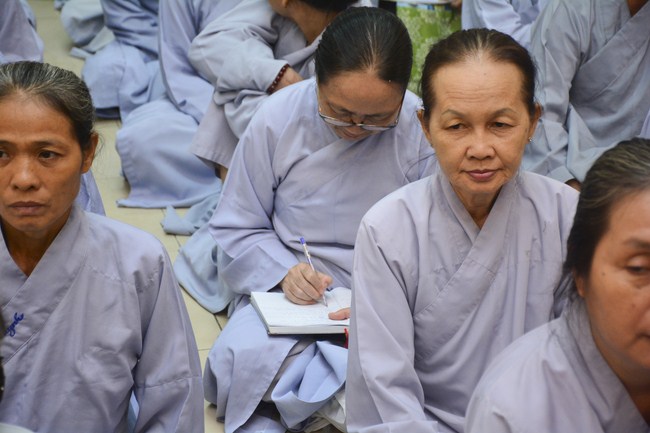
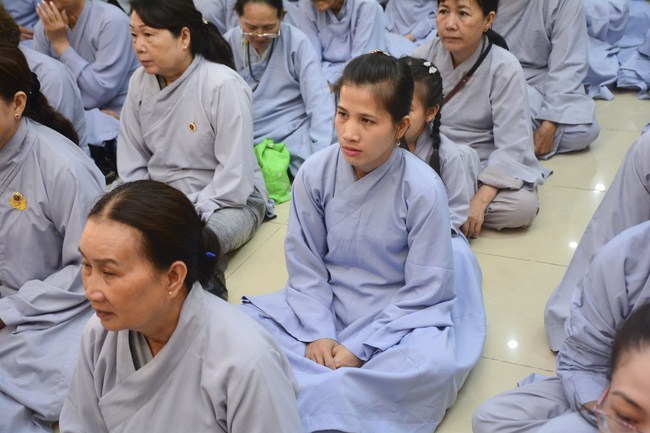
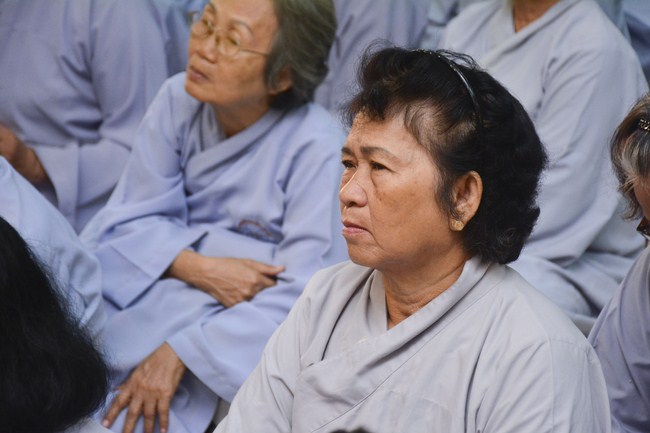
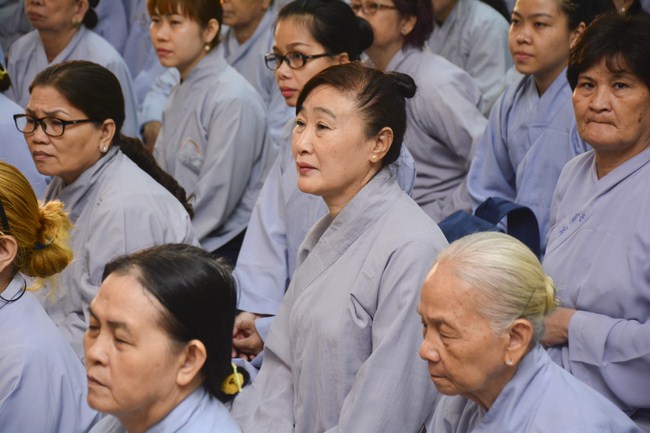
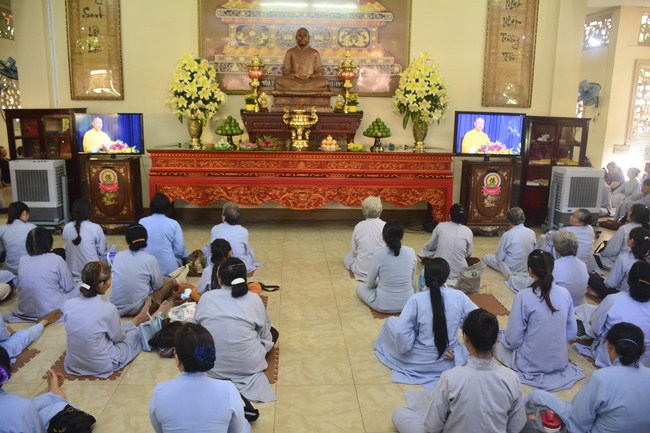
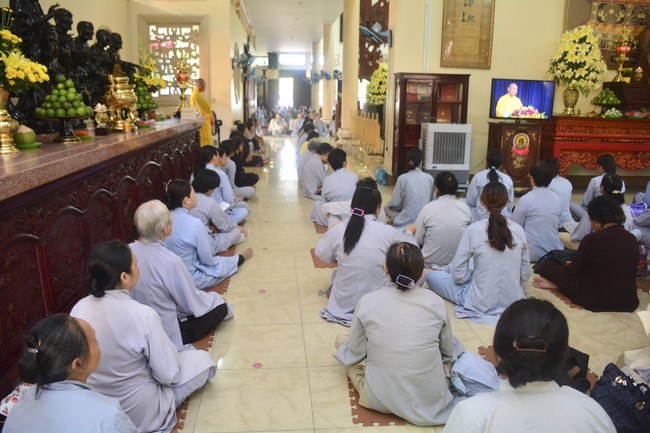
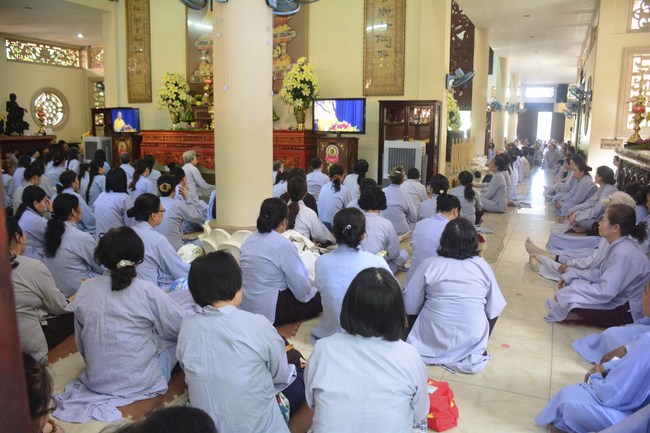
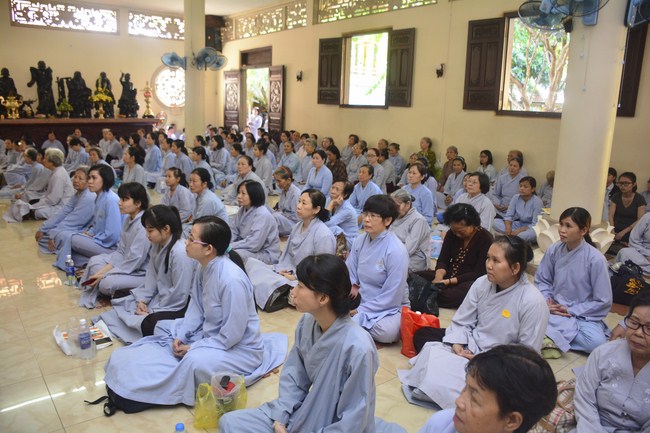
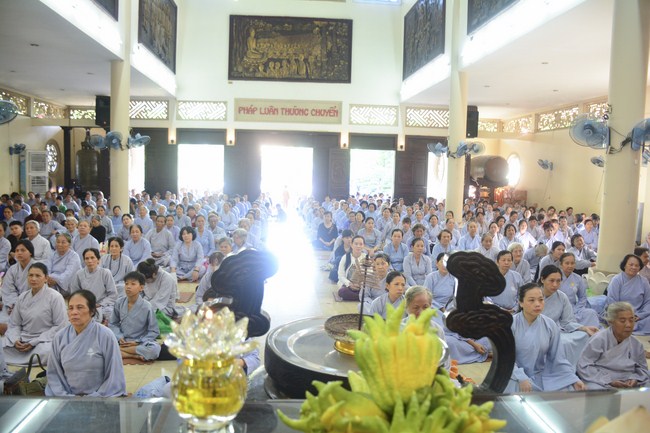
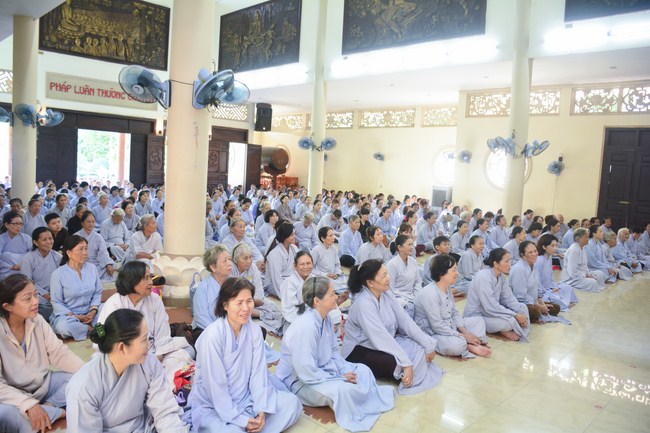
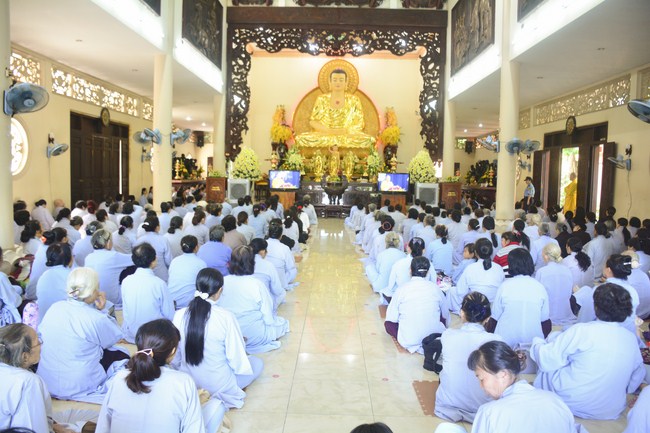
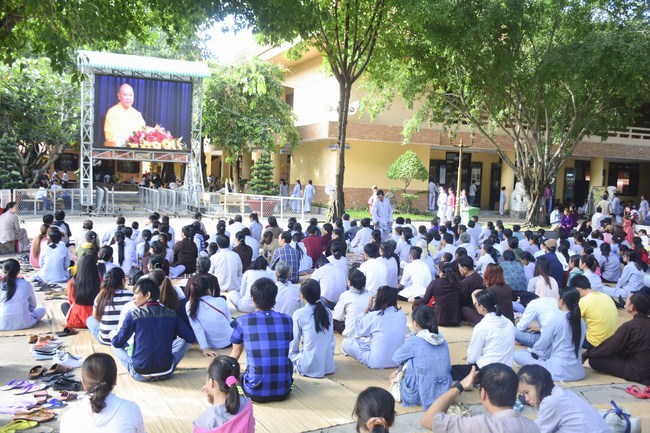
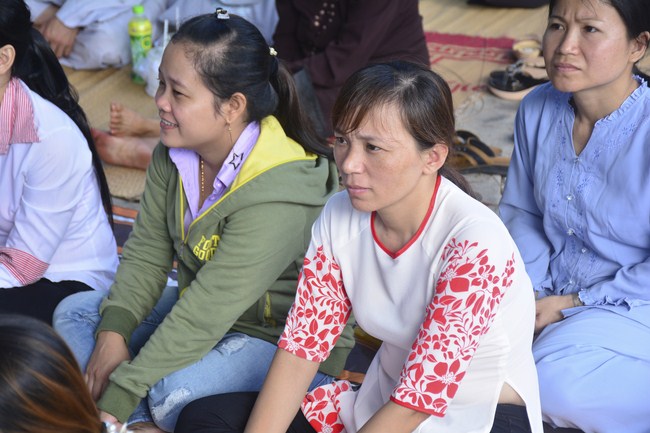
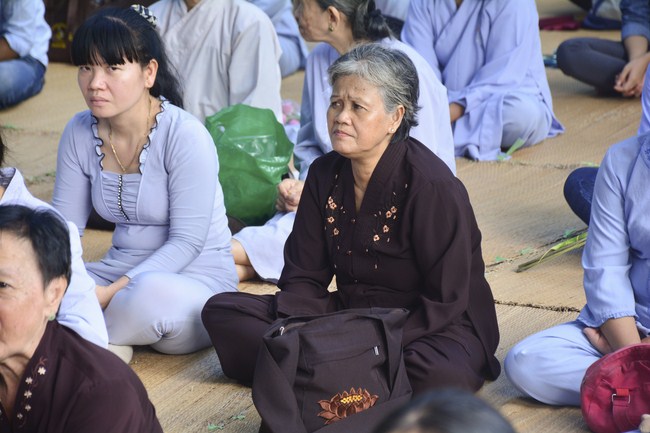
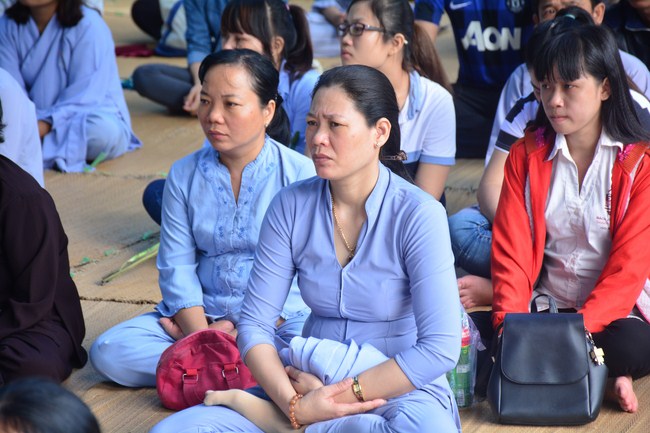
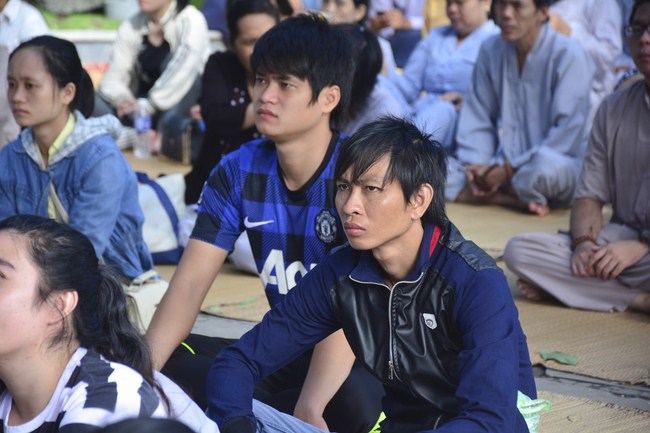
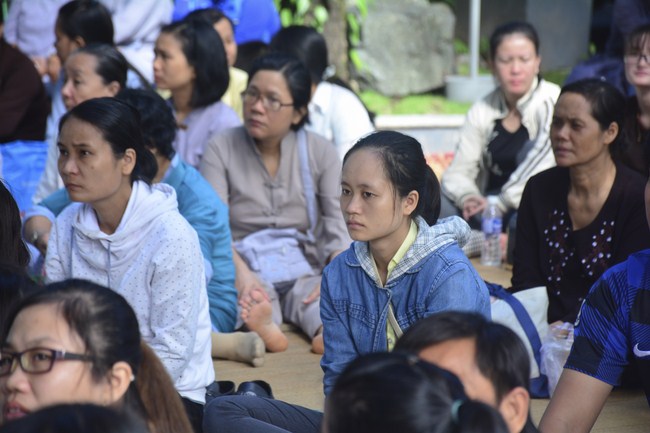
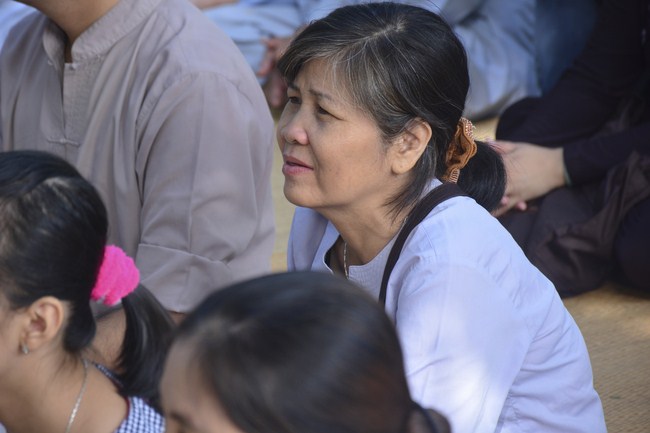
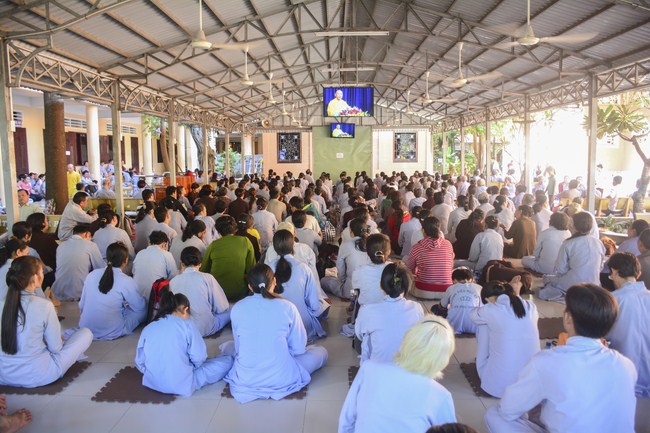
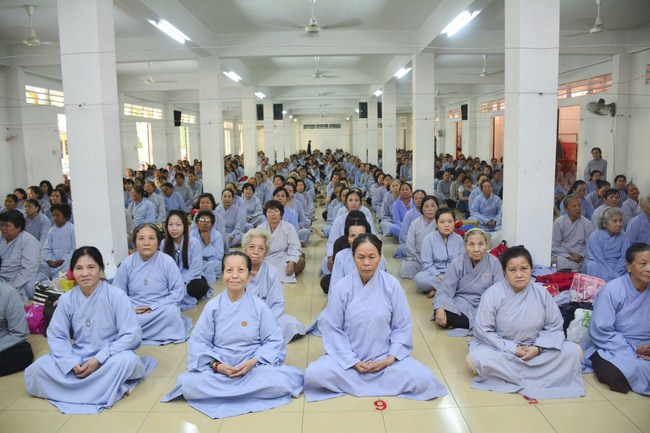
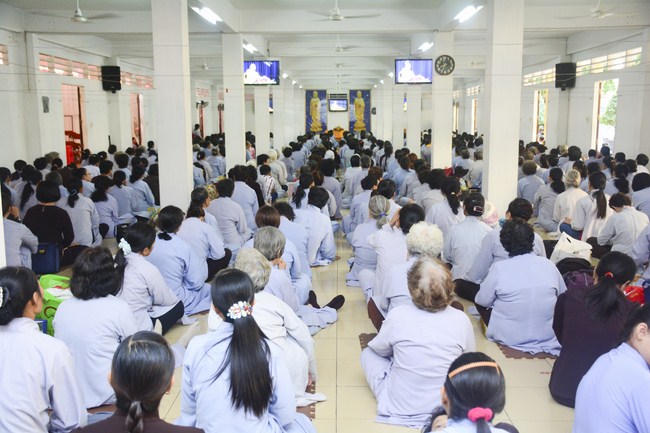
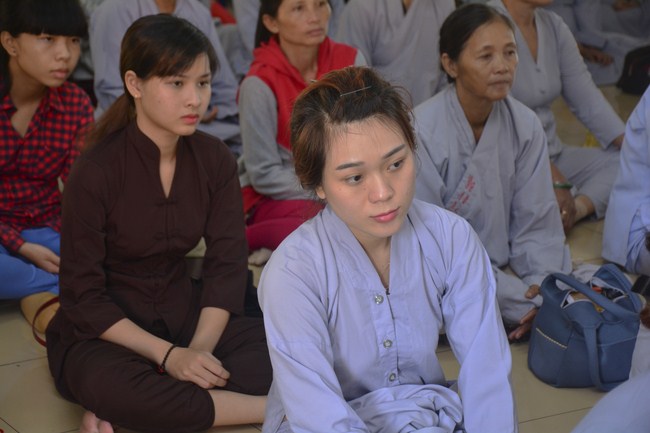
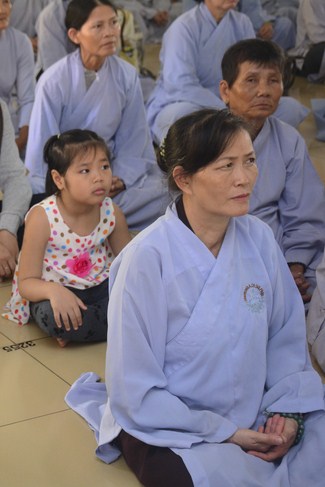
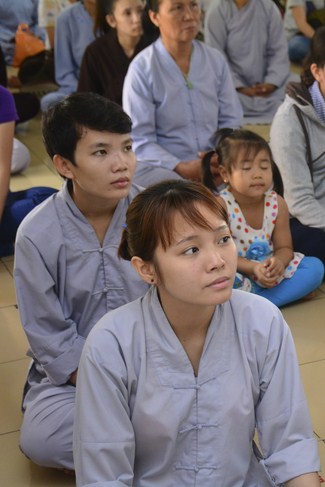
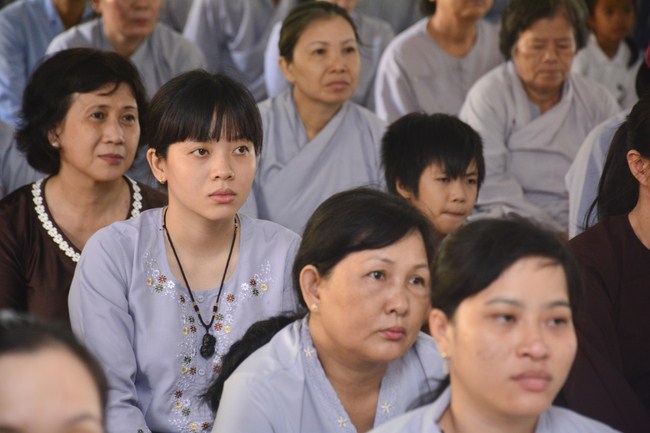
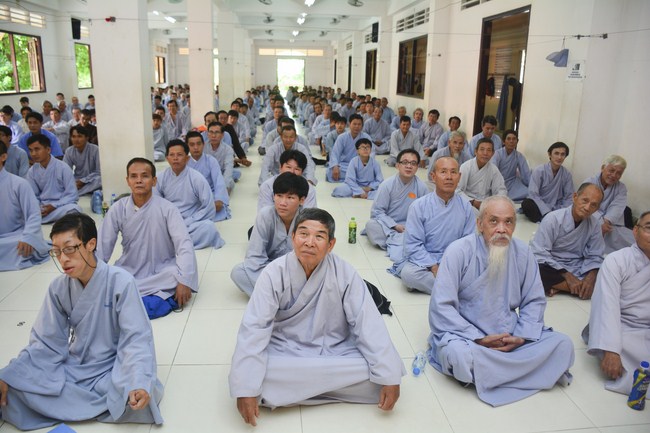
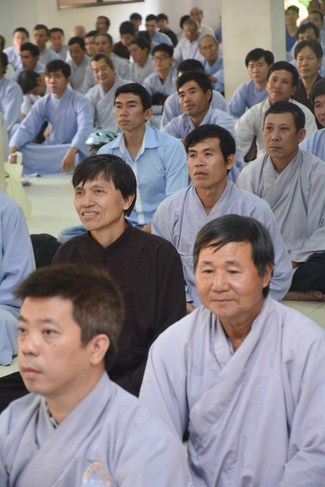
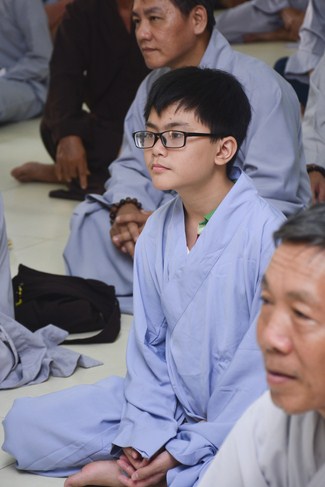
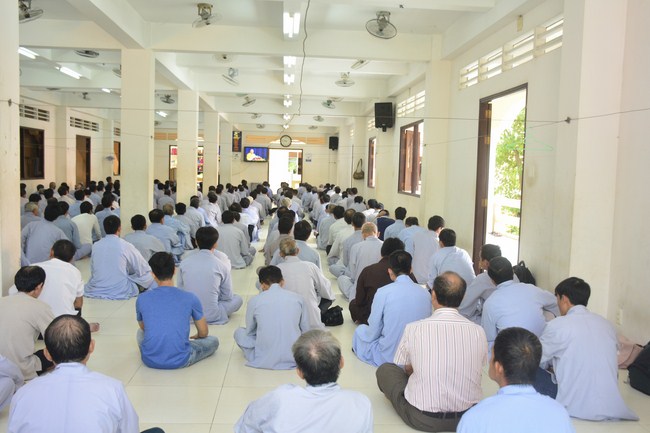
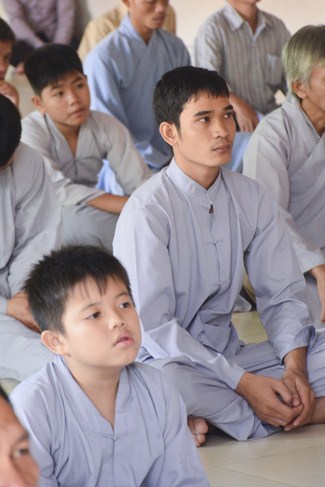
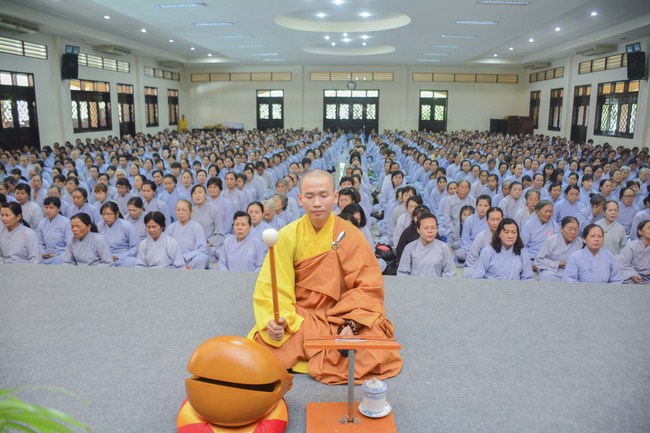
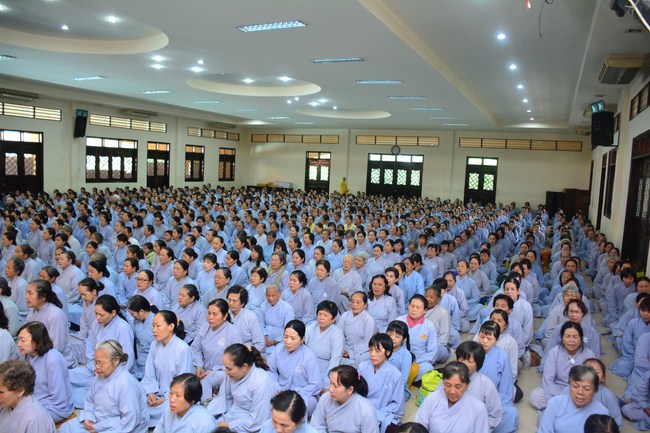
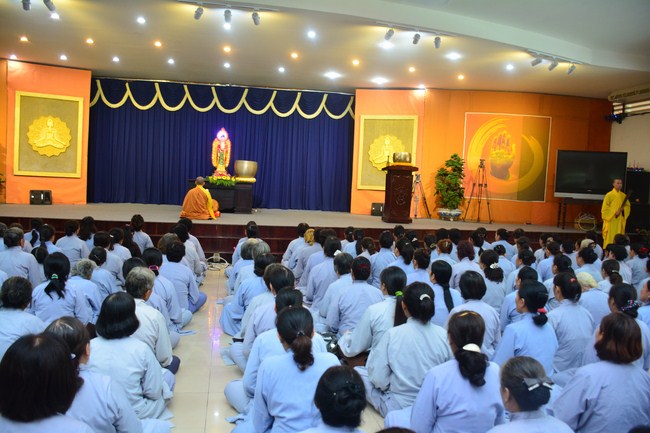
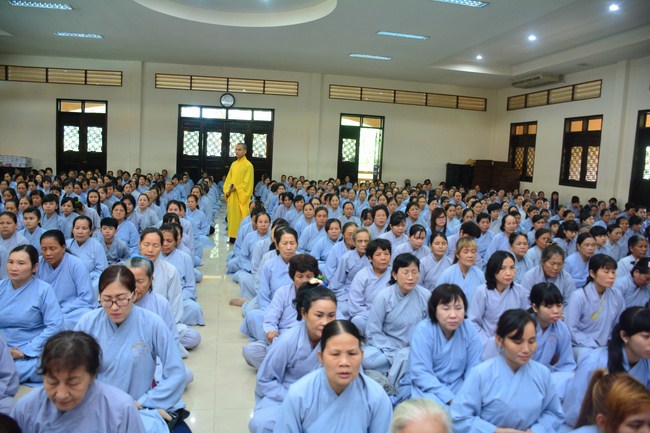
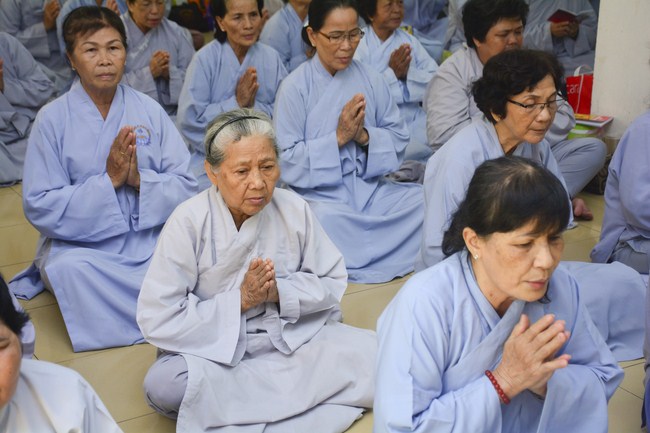
After breakfast, Buddhists gathered in the main hall for the Dharma talk from Ven. Thich Chan Tinh, abbot of Hoang Phap Pagoda, chief organizer of the retreat. In more than an hour, he shared with the audience on the topic of funeral rituals for Vietnamese as well as Buddhists.
There are two stages of life that we all have to experience: birth and death. The ritual for birth is rather simple, without many sophisticated ceremony. Nevertheless, the more simple rituals for birth, the more complex rituals for death. Depending on the countries’ custom and traditions that the rituals differ. In Vietnam, due to multicultural influence, especially Chinese, funeral rites are more likely fussy. The funeral rites will be performed differently based on the regional custom, status and wealth of the bereaved... In order to help Buddhists draw an acknowledgement of the encouraged good manners from custom, during the dhamma talk, the Venerable shared Vietnamese traditional guides of funeral rituals in details, as well as the recommendations for Buddhism funeral.
Since ancient times, the funeral has been considered extremely important event, with several rituals from dying to the time of death and burial. In Vietnamese tradition, full-fledged funeral rituals comprise steps starting with will preparation, then posthumous name... In a funeral, it is necessary to prepare accessories/rites as following: paper, grave clothes, conjuration, bowl of rice and egg, cleansing ritual, “Phan Ham†ritual (giving travelling expenses for the deceased going to the other world) and establish funeral organizers, then shrouding ceremony, funeral dressing (the funeral is formally started then), setting up altar and bed for the deceased, ... After 3 days laying at home, it is the time for coffin removal at good time and date, relevant ceremonies and lowering coffin into the grave. Particularly, there are “must†and “must not†regulations for the bereaved to follow during this period. After the funeral, there will be ceremonies as: three-day ceremony, seven-day conservative weekly ceremonies (49 days), one-year ceremony (first death anniversary), ending mourning time (2 years and 3 months after the funeral). After this period, the bereaved can do the reburial (if it is necessary) ... Via his sharing, the Venerable has given advices of which rites are good and encouraged among customs.
Also via the Dhamma Talk, the Venerable briefly reminded the audience things regarding funeral organization as following:
1. Proactive preparation with consciousness.
2. At dying.
3. After death.
4. The funeral rites as: placing the deceased into coffin, funeral dressing, before coffin removal, coffin removal, lowering coffin into the grave, setting up the altar, fulfill grave, mourning time, offer donation to pagoda/monks who have prayed and supported for the funeral and reburial ceremony.
In summary, the Venerable emphasized to Buddhists proper awareness of funeral with simple and right rites, dismissing the unnecessary and cumbersome ones, for the benefits of both the bereaved and deceased.
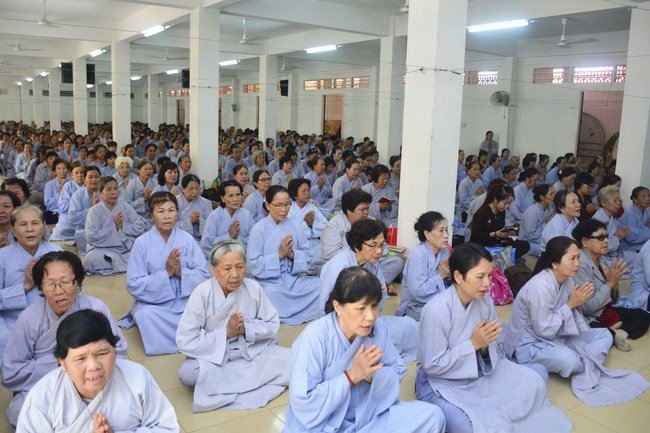
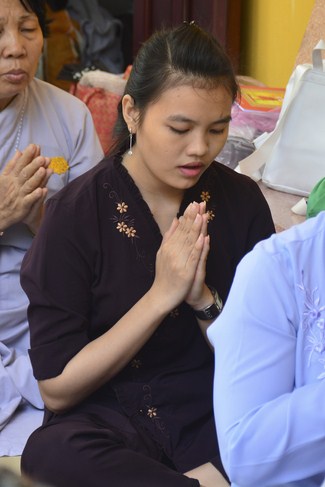
After the dhamma talk, the retreat kept on with praying as usual.
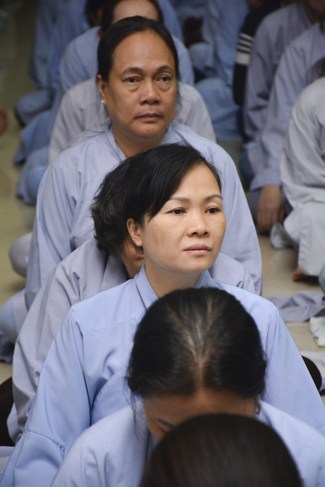
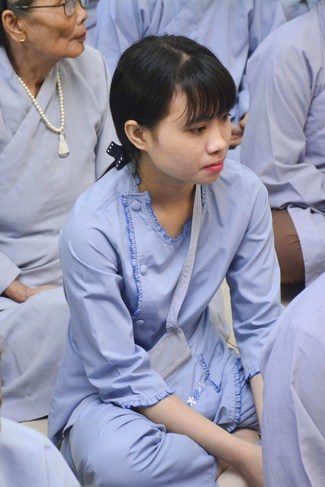
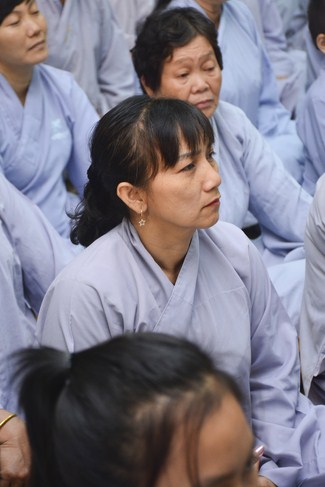
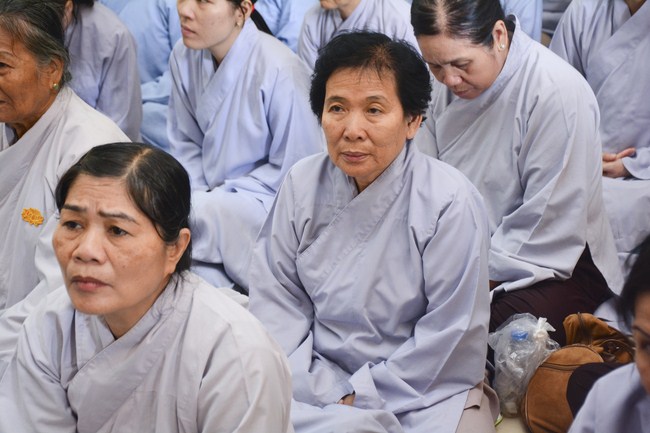
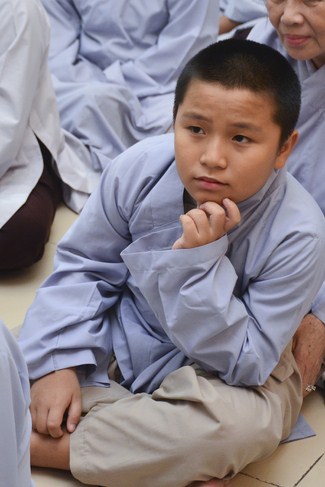
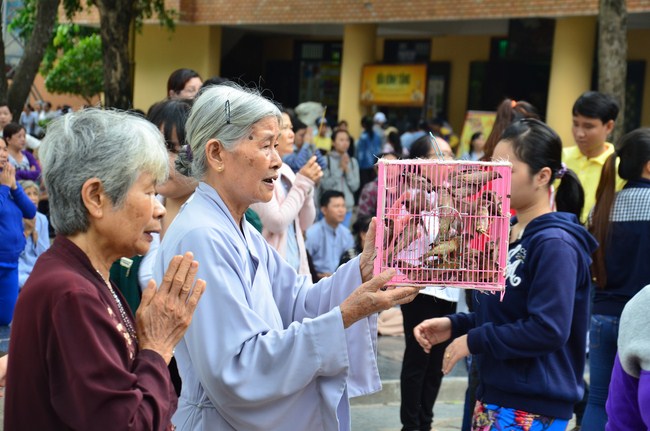
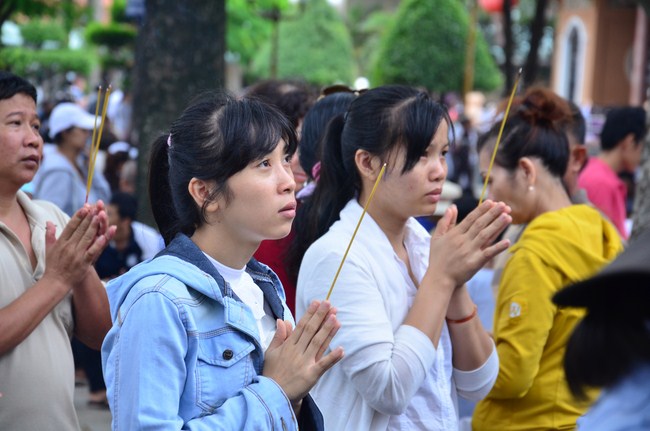
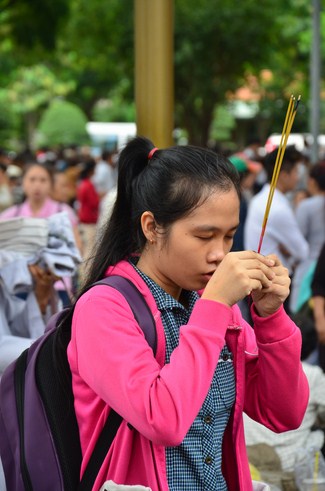
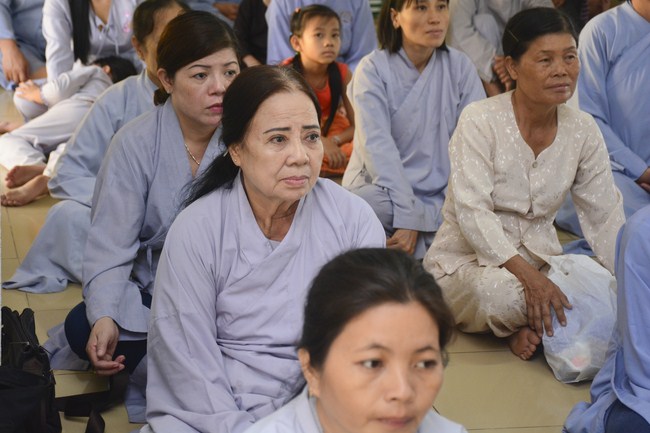
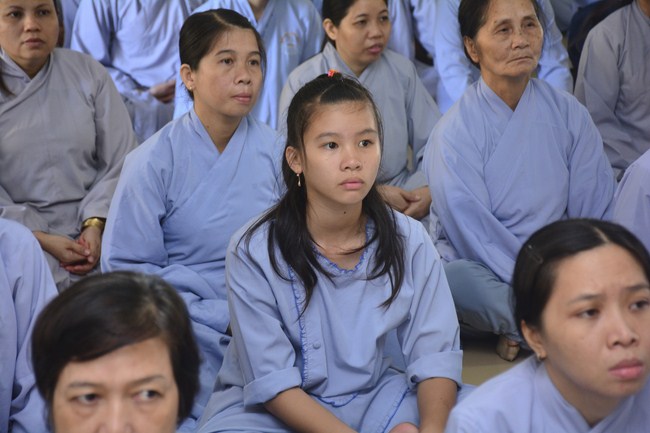
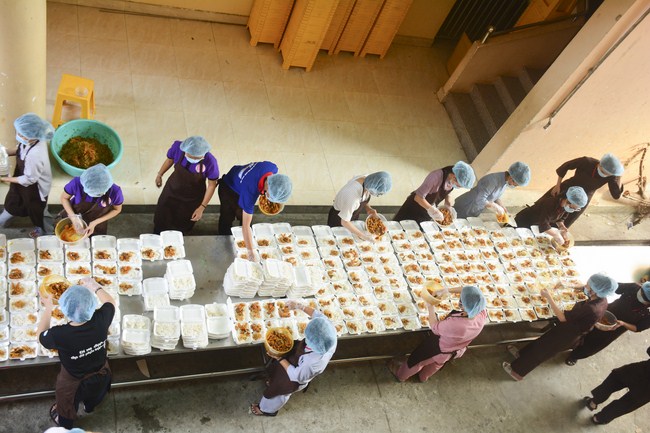
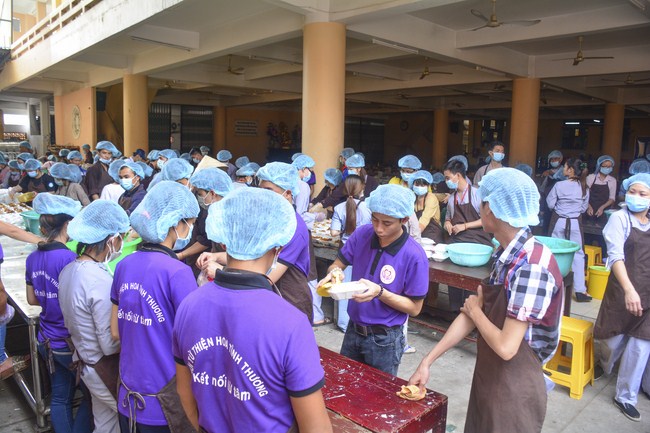
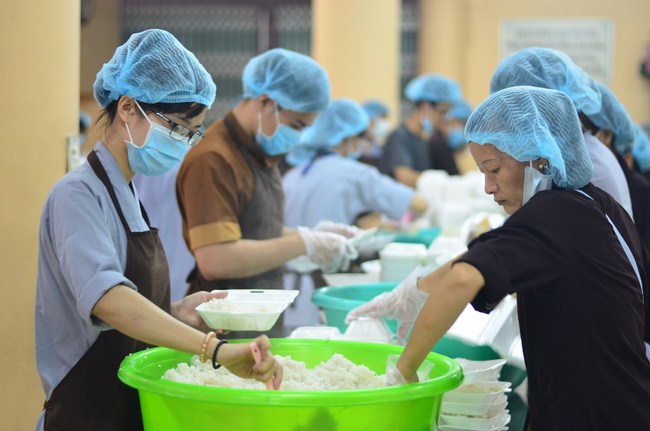
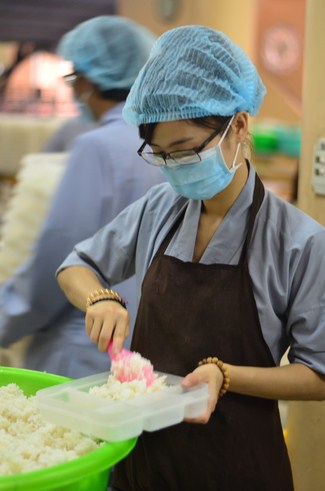
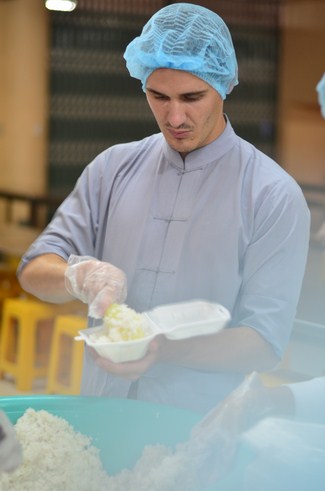
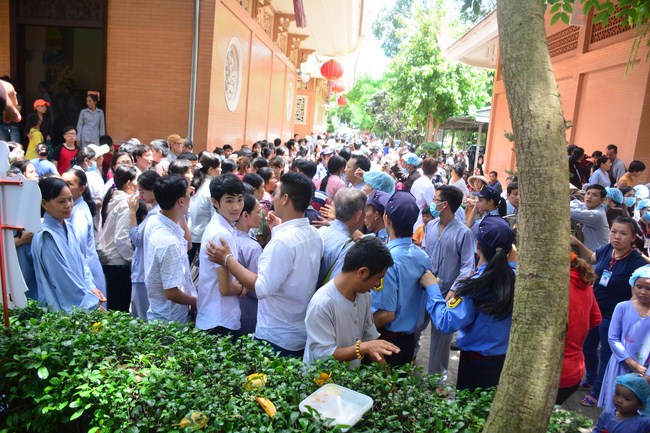
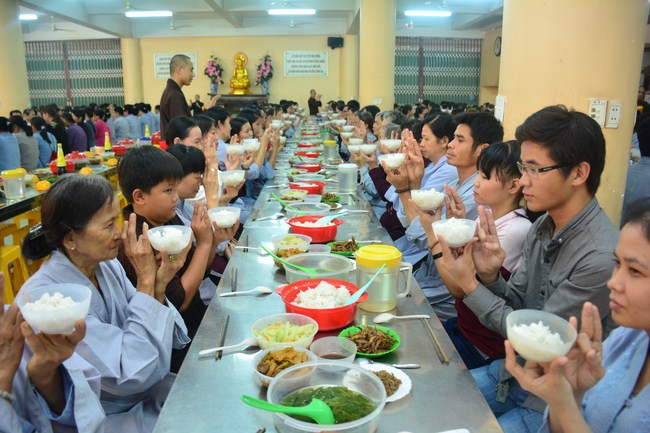
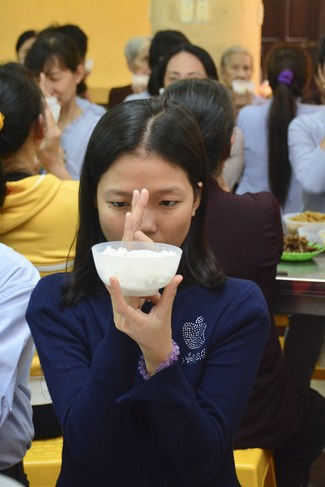
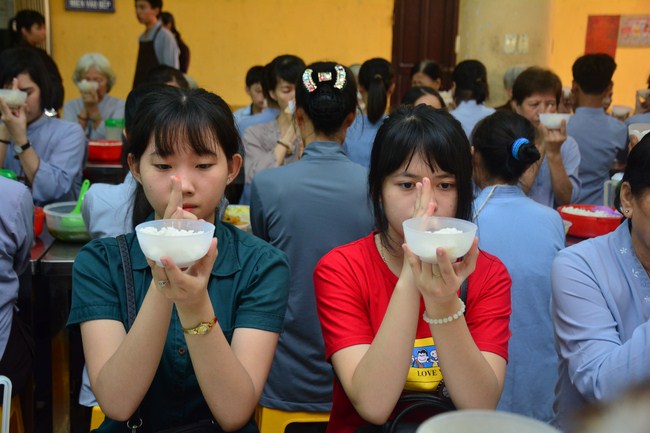
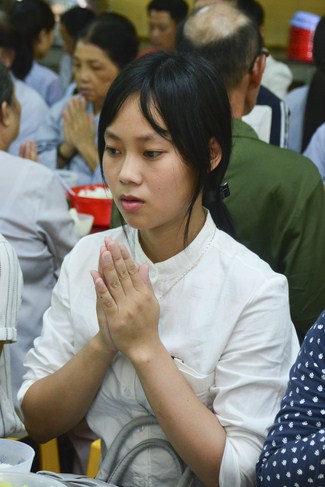
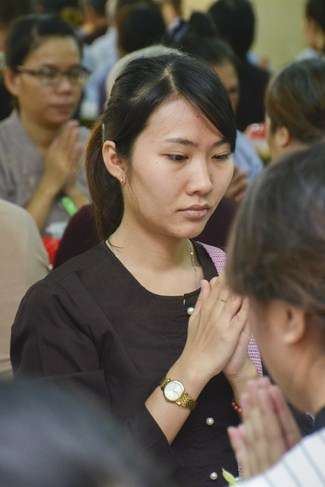
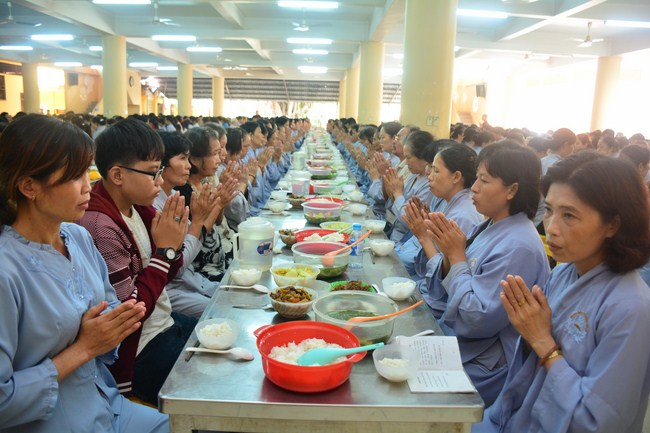
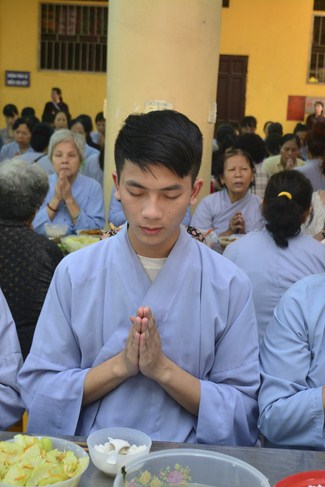
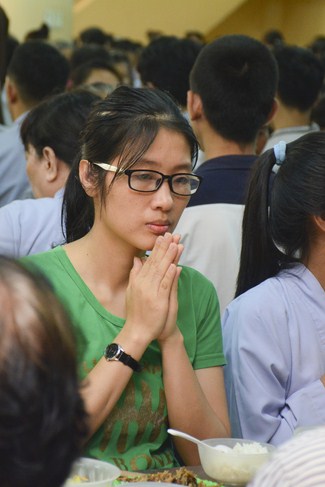
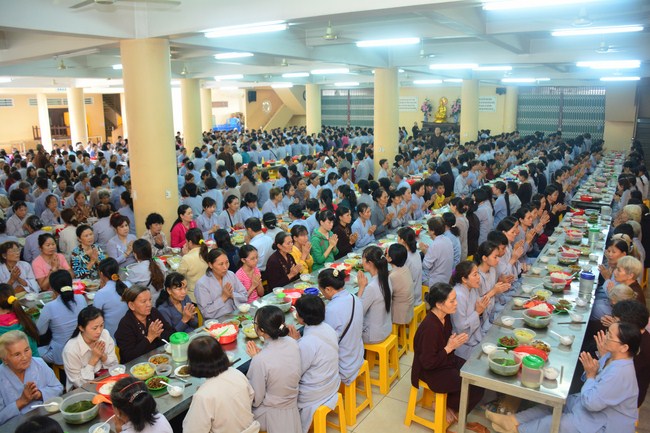
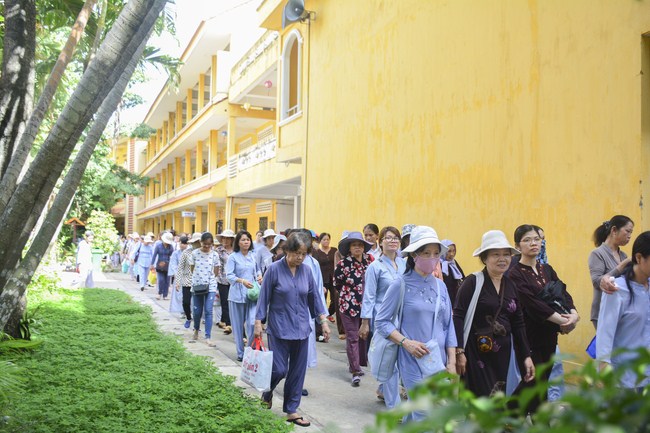
Following are some recorded photographs: