
Monday, 10/26/2026
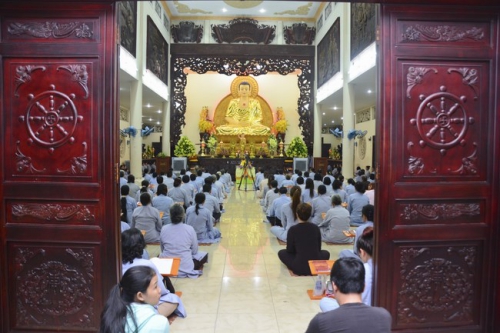
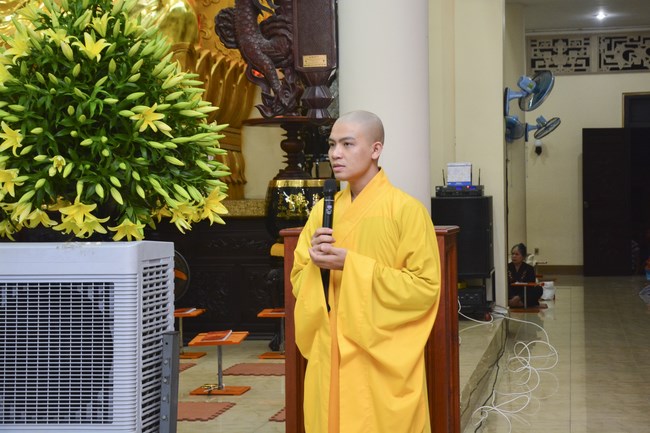
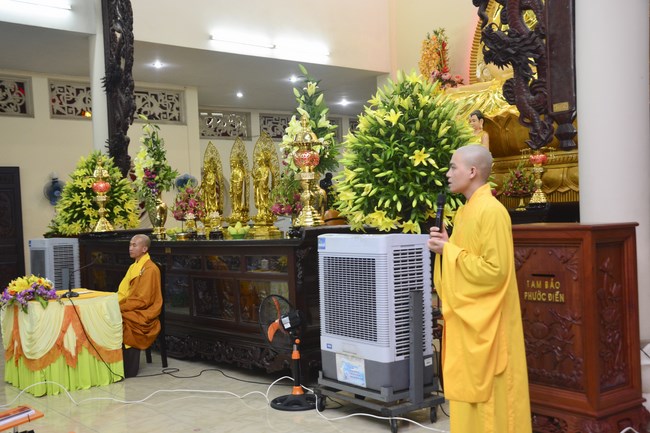
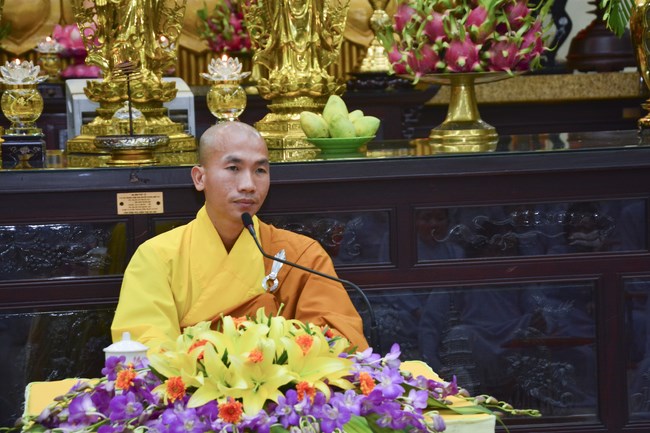
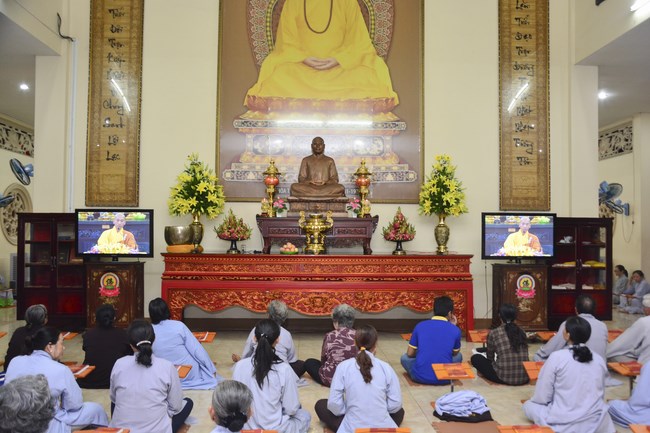
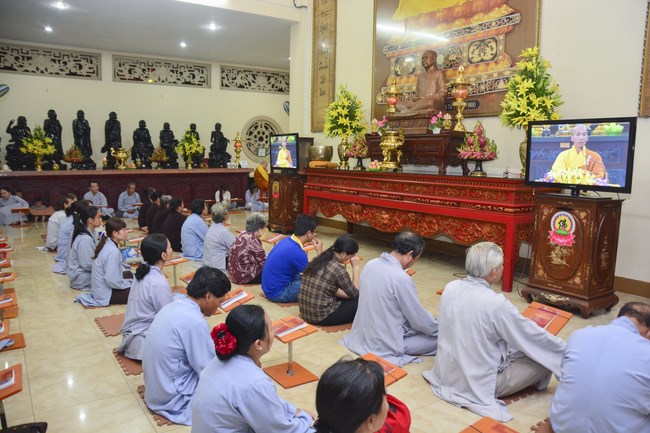
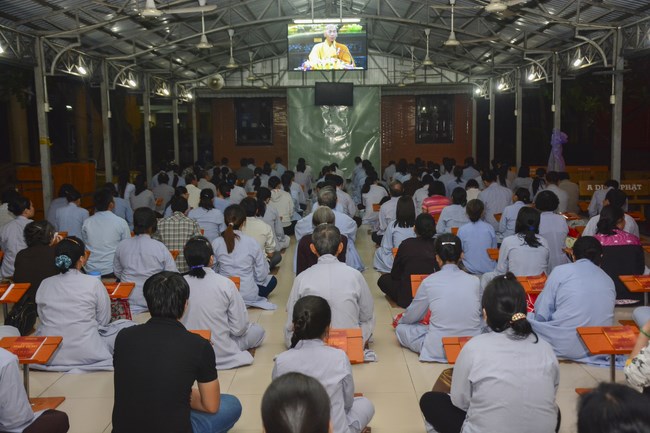
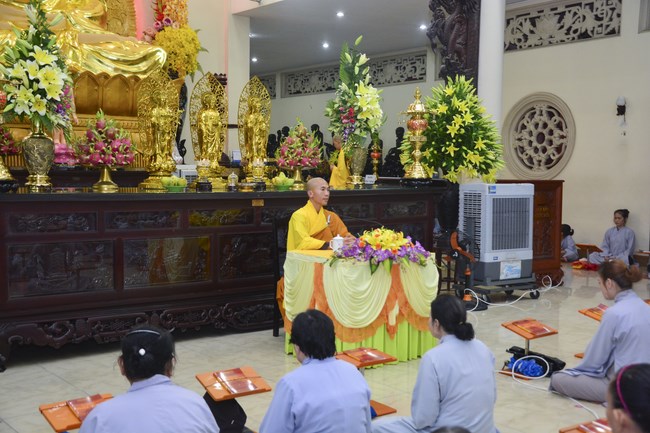
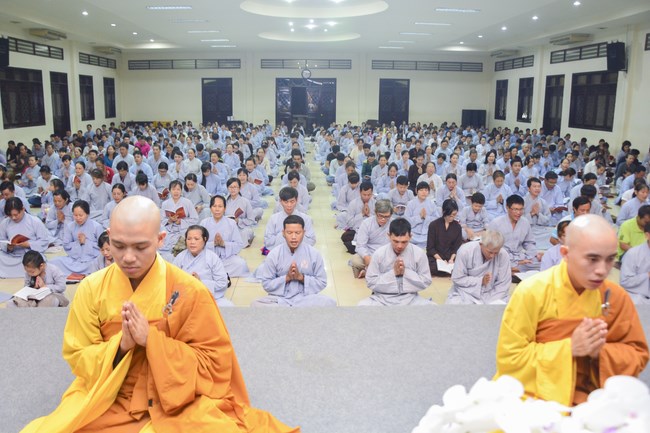
As usual, before the repentance ceremony is the Dharma talk. In this Repentance Ceremony, Venerable Thich Tam Danh, Abbot of Nhat Phap pagoda, Dong Nai province reached the celebration stage and shared with the whole multitudes the theme: "Karma of Speech".
It is the story of two verses 335- 336 of the Dhammapada: ‘Fishermen and a goldfish’:
“Who lives in the world
Tightened by their greed
As grass in the rain
Suffering will increase.
Who lives in the world
Being wise in the attractiveness
As water on lotus leaf
In the time of Kashyapa Buddha, there was a monk named Cabila who was very good at Tipitaka Sutra and thus he was crowdedly respected.Satisfying with the intercultural knowledge and fame greed, he became cocky. Boasted with his well-education and intelligence, monks Cabila often expressed his contempt and humiliation to fellow practitioners. When someone told something right, he said it was wrong; he accused innocent people of guilty and conversely. For this guilty, Cabila went to the hell and was punished in the time of Kashyapa Buddha . However, when the time serving in the hell ended, thanks to his merits of teaching Dharmas, he was reborn as a goldfish which has a beautiful body but stenching mouth.
Through the story, the Venerable showed the multitudes about the scary karmas of insulting monks. Being Buddhists, we should practice saying words of love, trying to get rid of talk- karma. When we insult other people,we do not get any benefit. Not only do we become more pessimistic, be suffering and create bad karmas, but we also put other people in suffering and pain.
In the Anguttara Sutra, Buddha says that there are three types of people, those whose words like dung, like flowers, and like honey.
What is the kind of people whose words as dung? This is the one in some circumstances as a witness, when being asked: “Let’s say anything you’ve known or seen.†Despite knowing nothing, this person said, "I know or I see". On the contrary, he/she replied " I do not know anything" in the case he/she obviously knows or sees. These people told a lie intentionally. Such people were those whose words as dung.
What is the kind of people whose words as flowers? This is the one in some circumstances as a witness, when being asked: “Let’s say anything you’ve known or seen.†This person said, "I know or I see" when he/she really knows. Hence, he/she replied " I do not know anything" in the case he/she does not know. These people always told the truth. Such people were those whose words as flowers.
What is the kind of people whose words as honey? This is the one who get rid of evil words. He/she tries to use the words of kindnes that do not hurt anyone, but touch others’ heart. Such people were those whose words as honey.
Thereby, the Venerable reminded the multitudes of being self-reflection, should consider body- words- thoughts, do not let five desires in over control, which makes us forget our ideals. Be the one whose words as honey. Telling the truth, trying not to hurt other people so that we could have peaceful mind and have a better life.
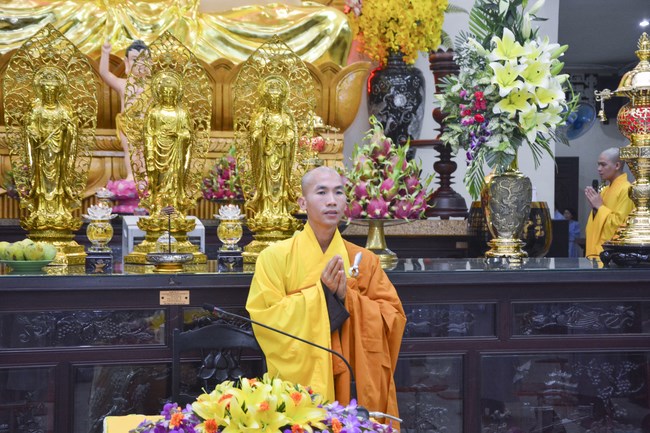
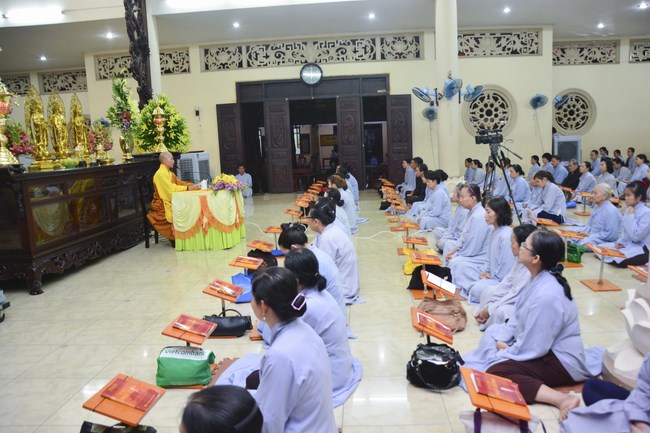
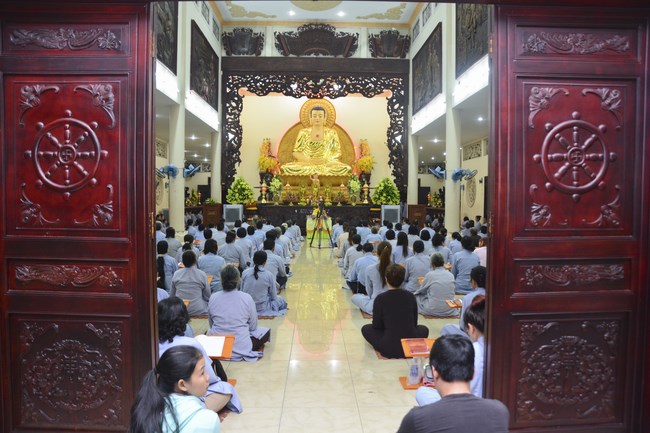
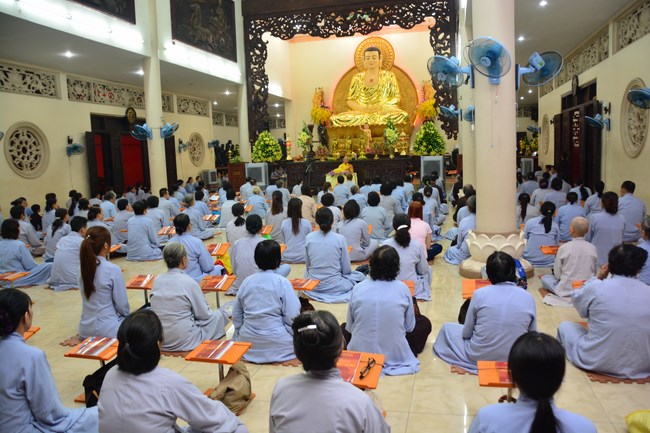
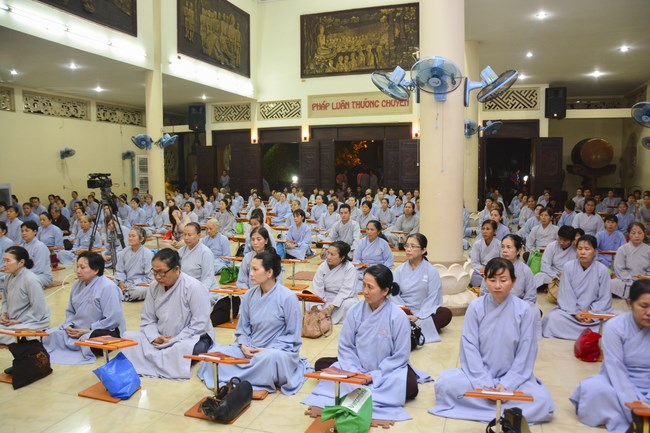
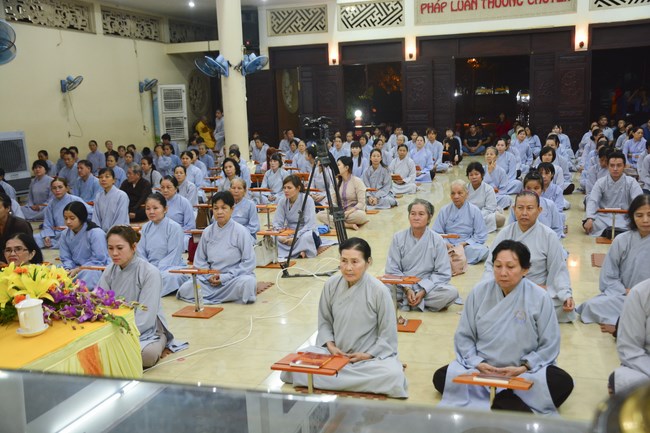
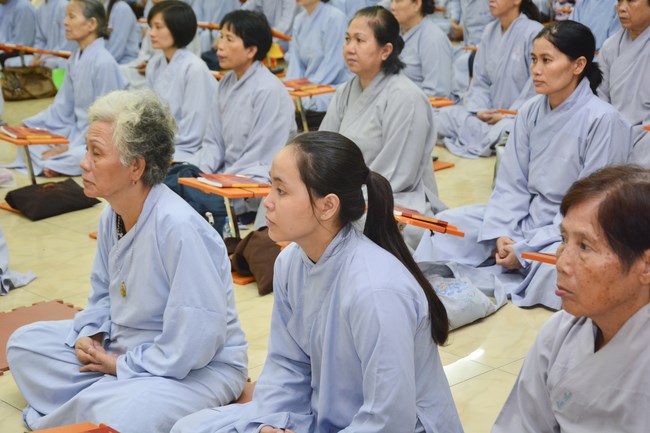
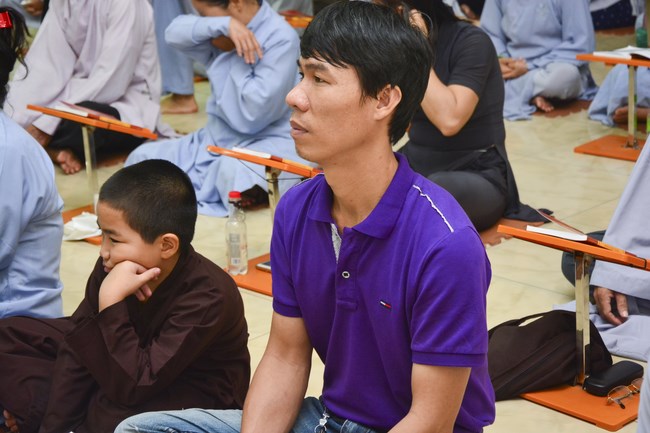
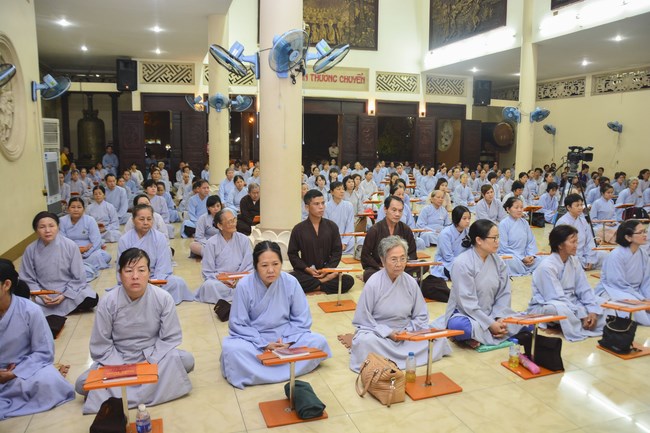
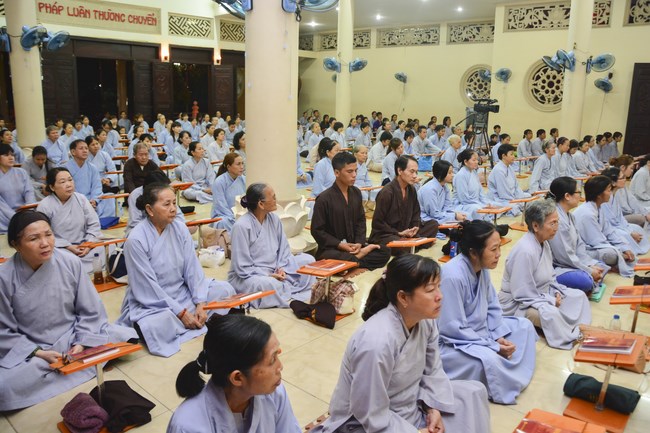
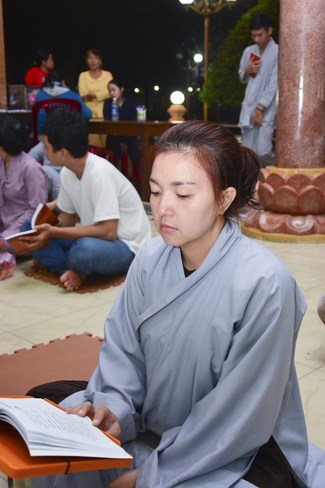
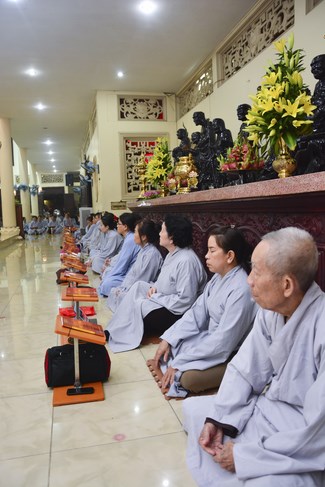
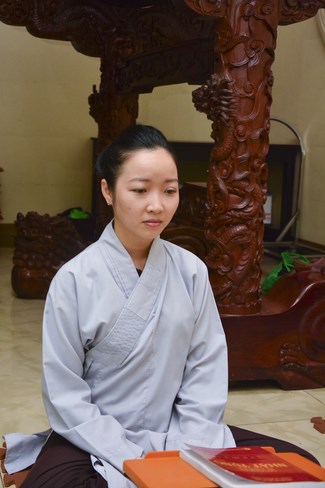
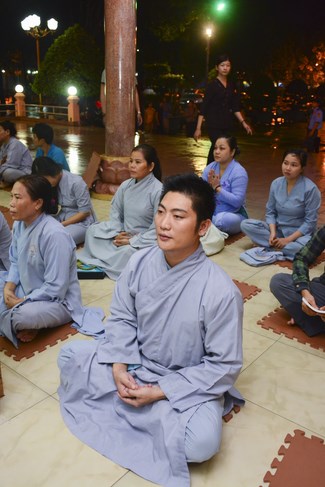
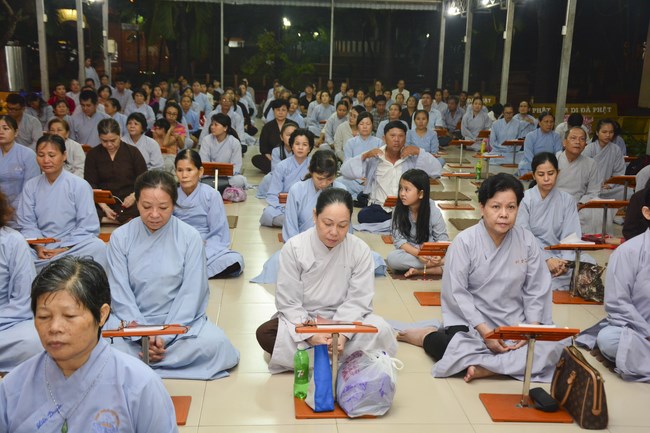
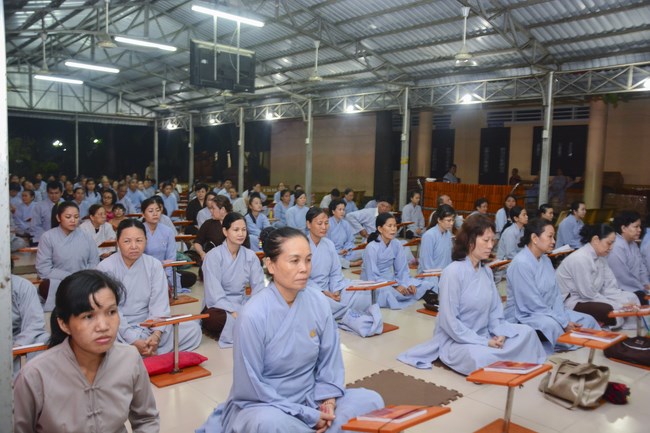
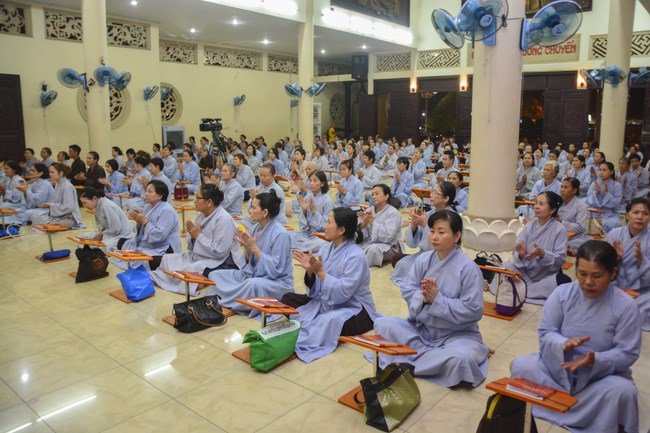
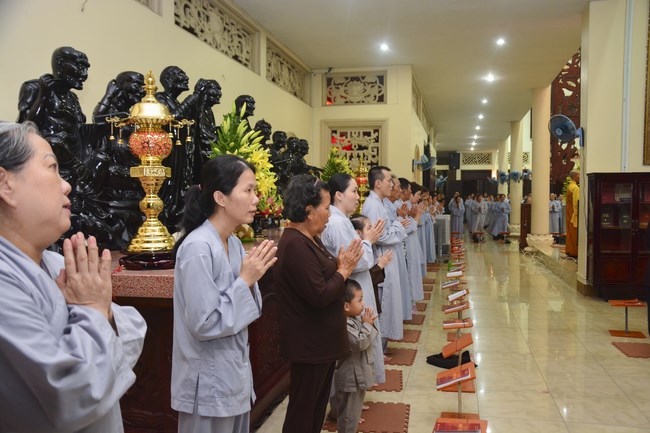
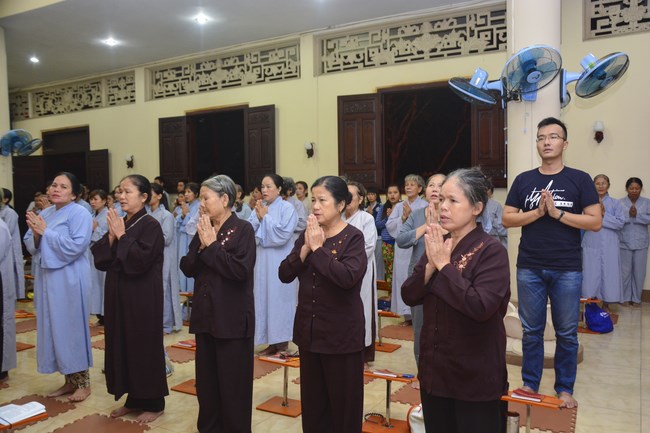
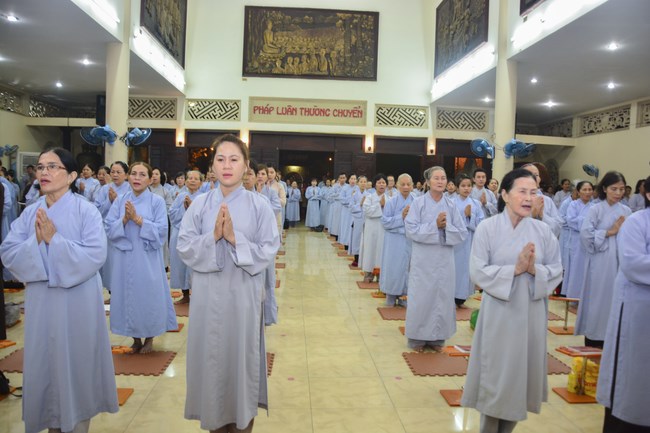
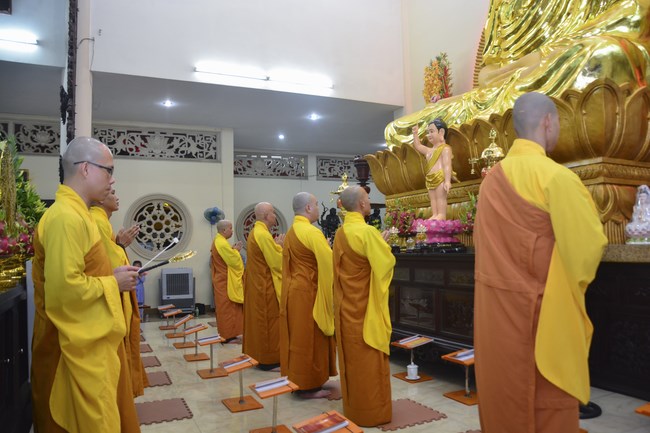
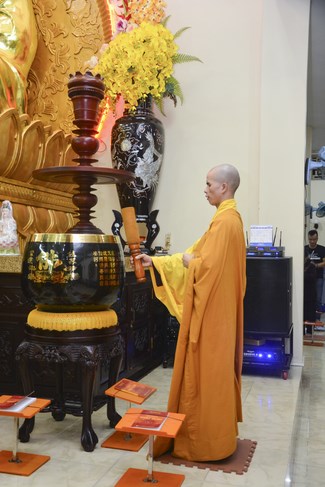
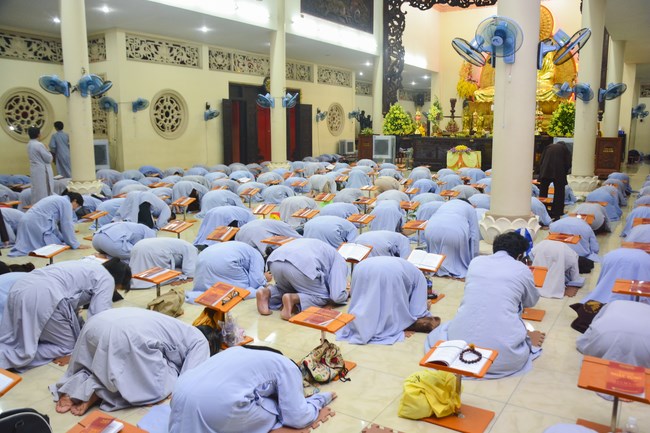
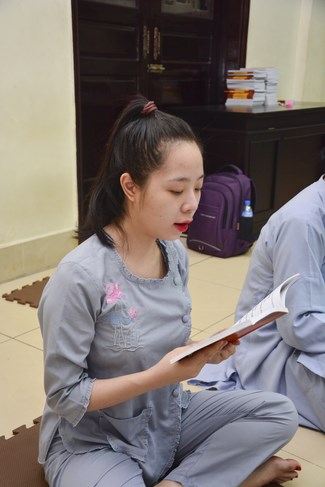
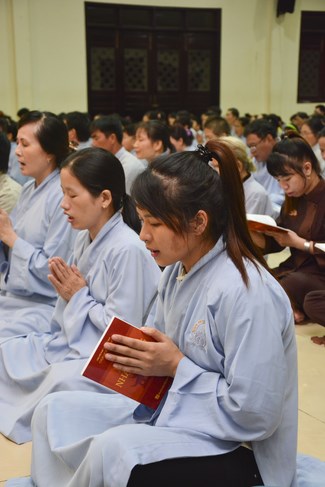
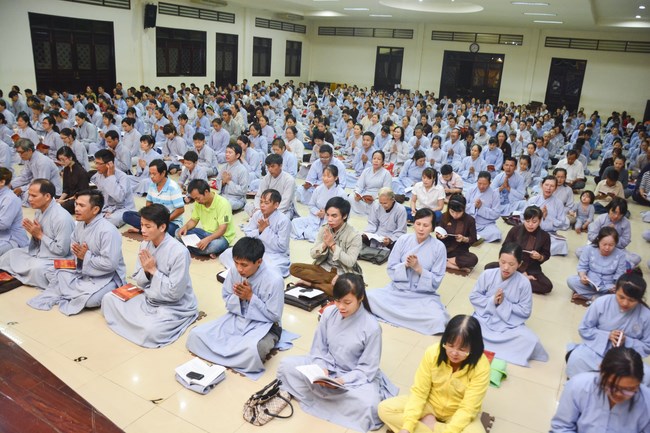
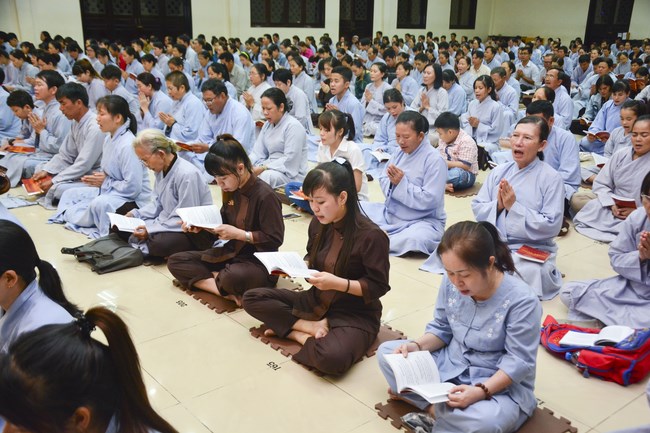
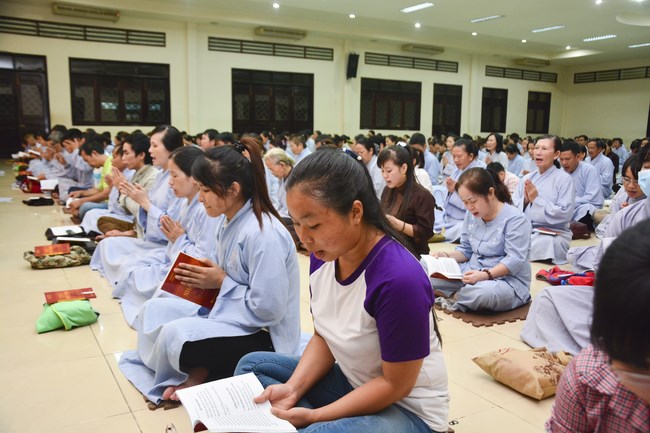
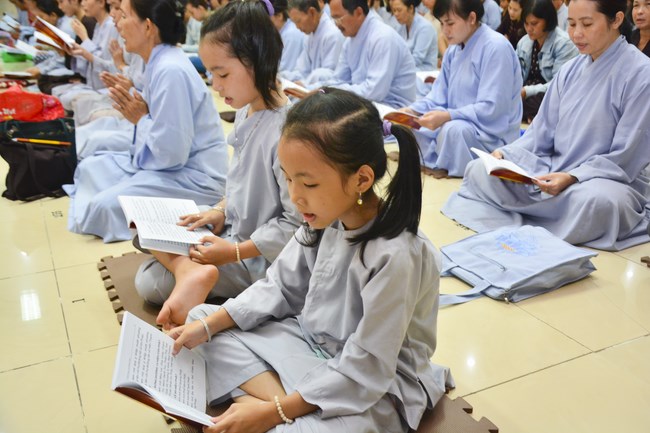
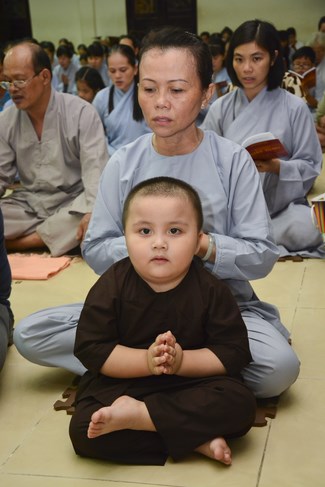
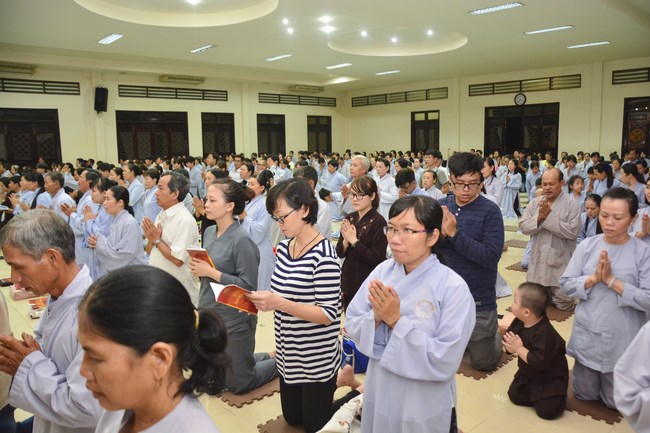
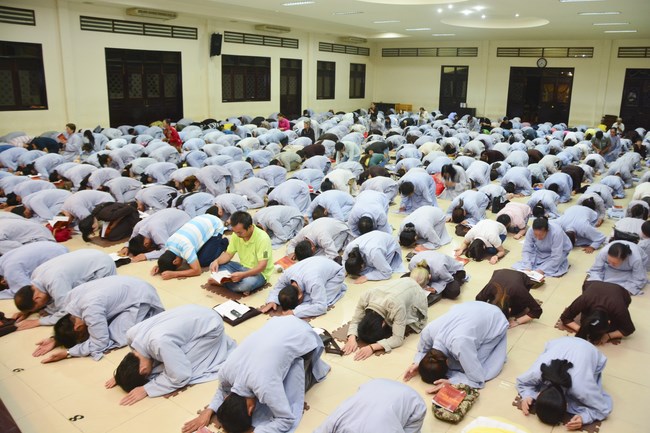
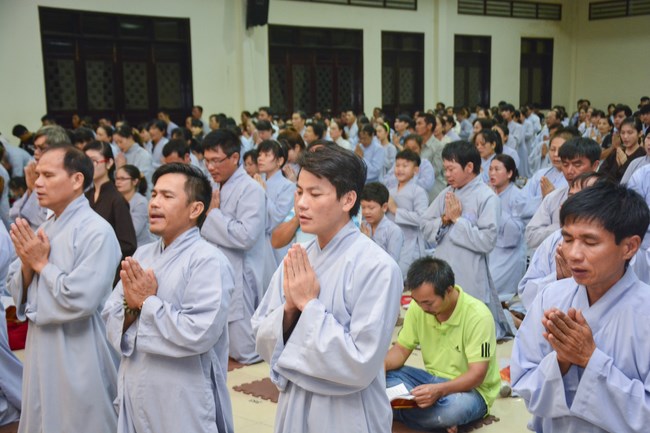
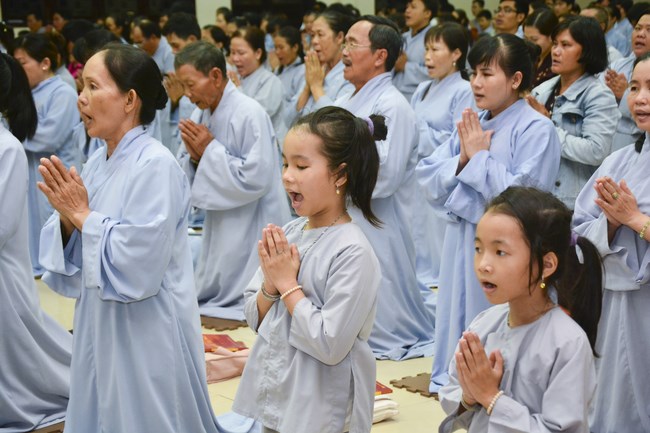
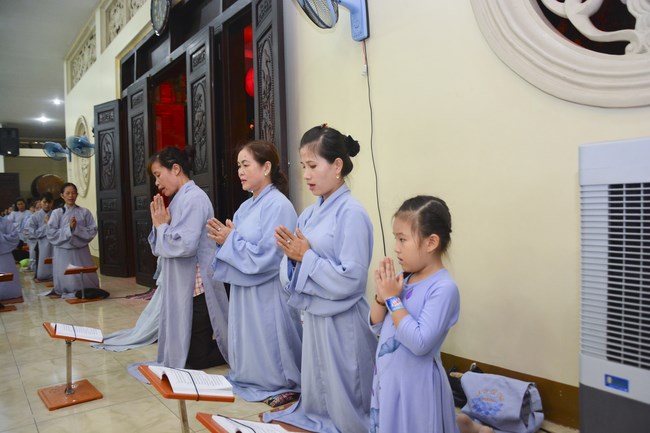
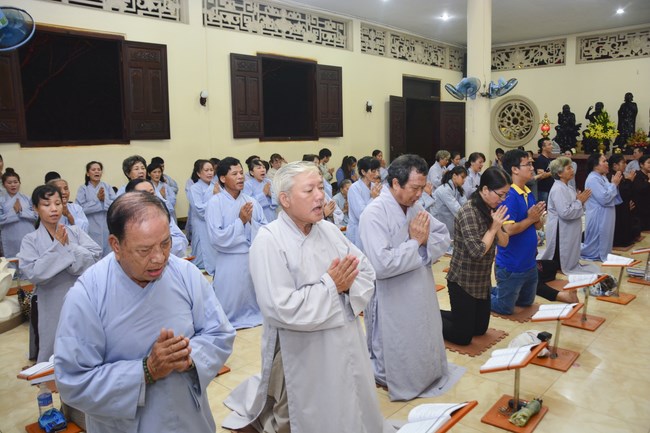
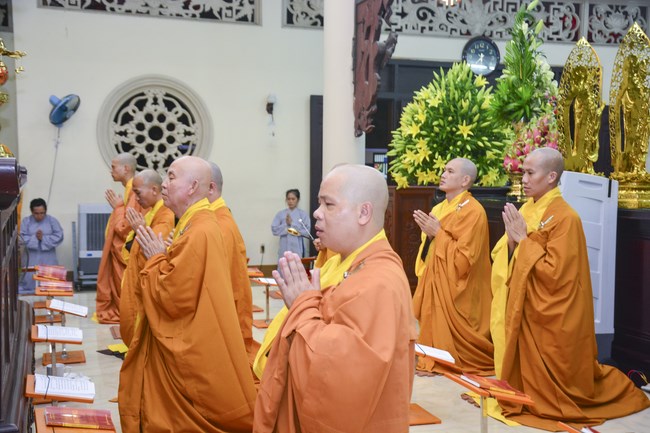
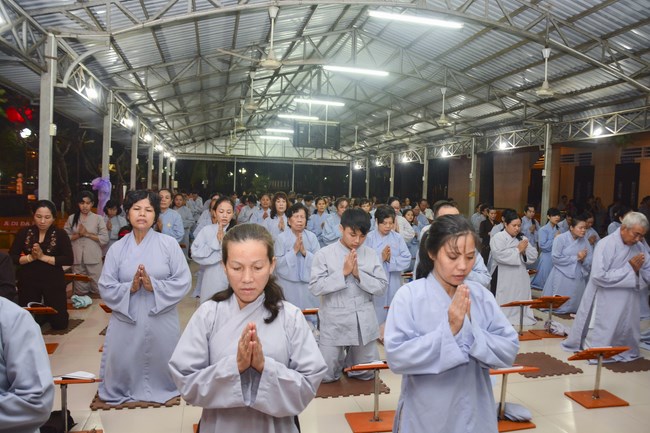
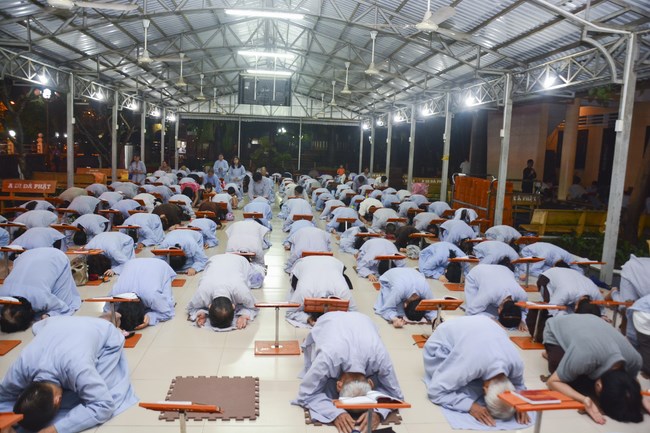
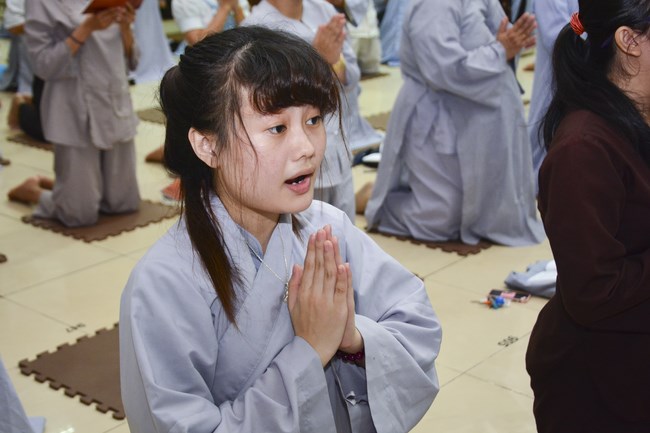
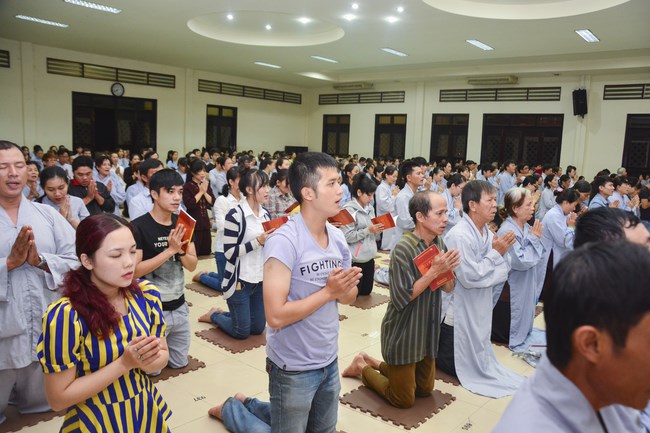
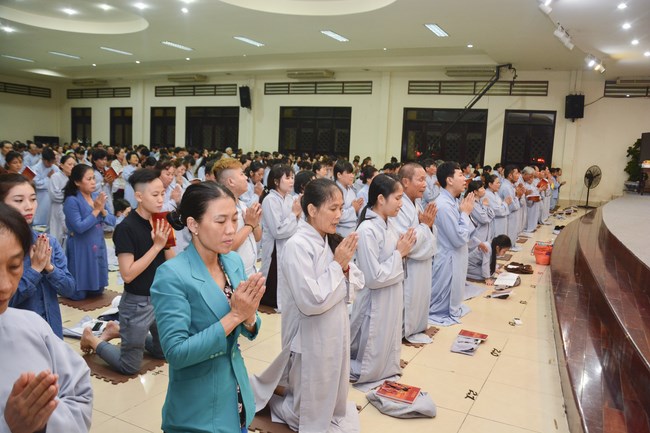
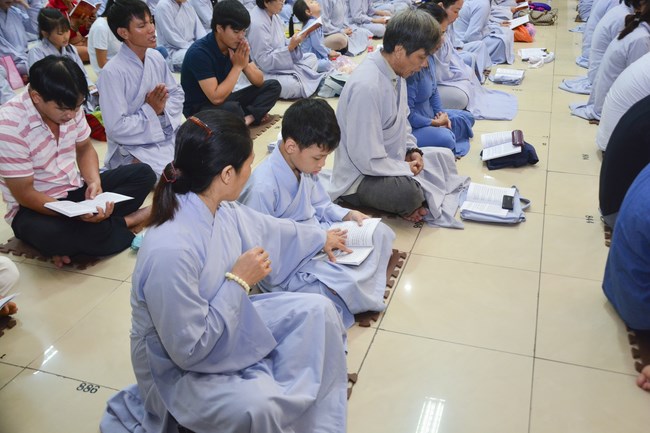
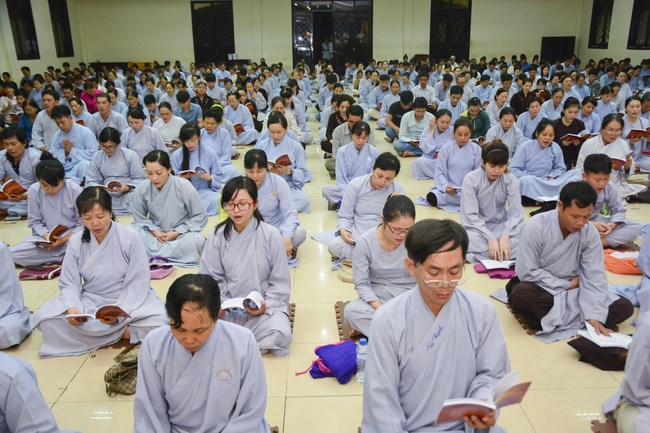
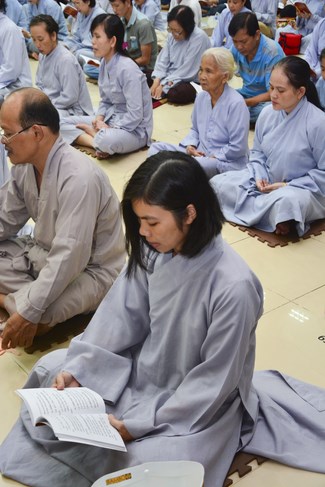
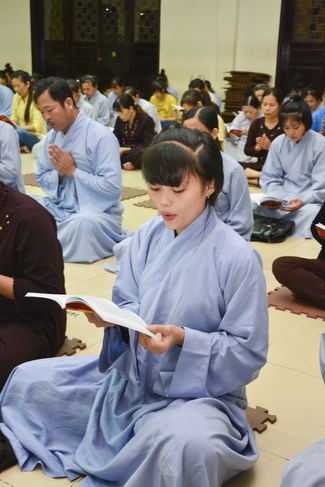
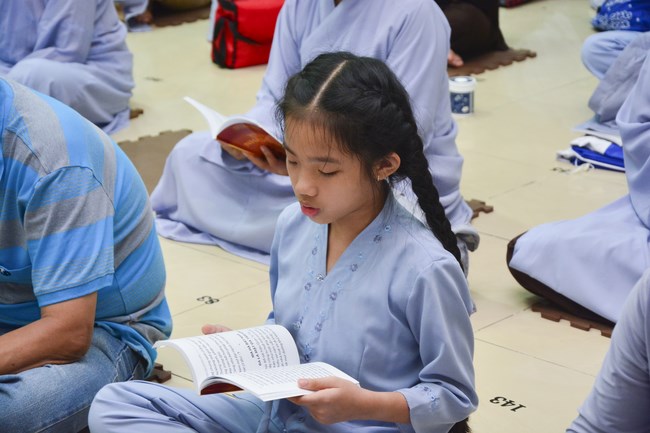
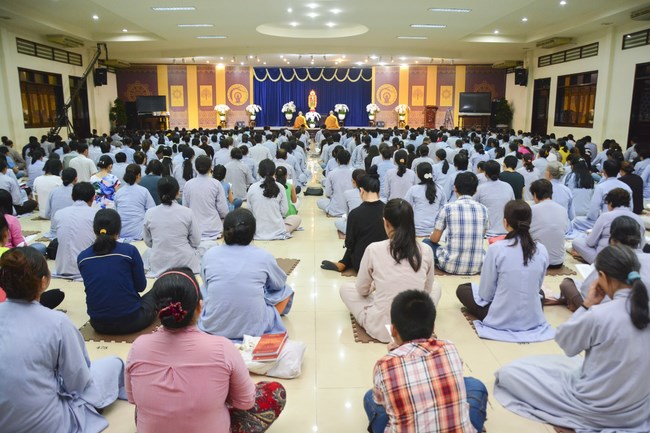
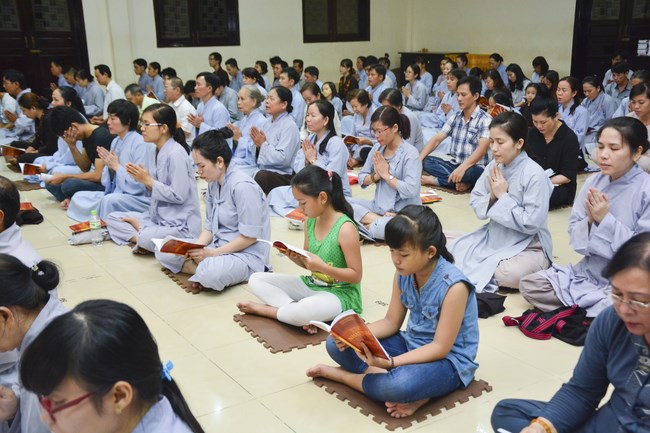
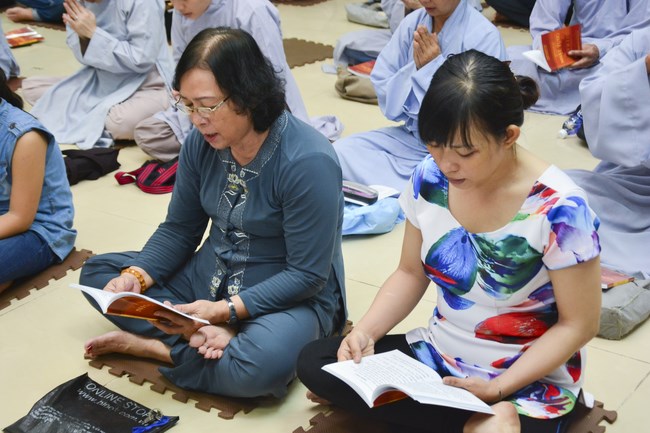
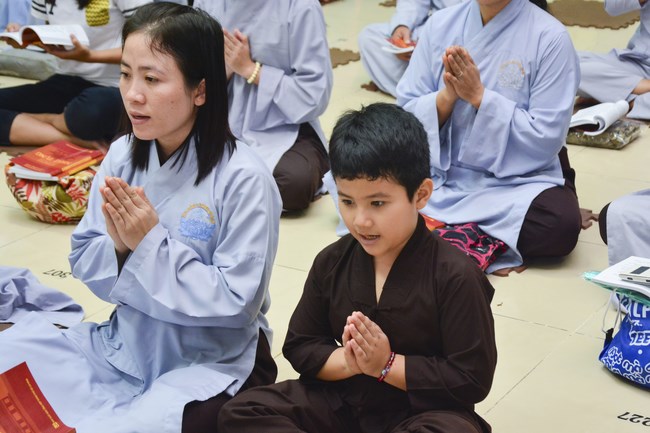
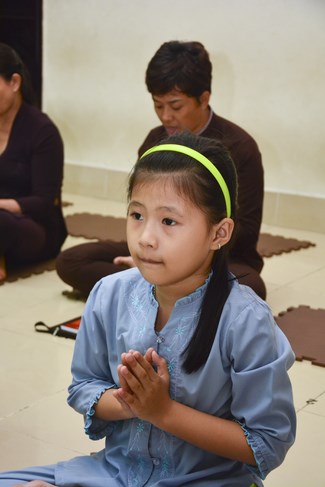
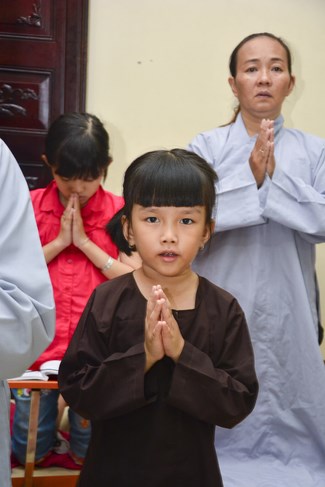
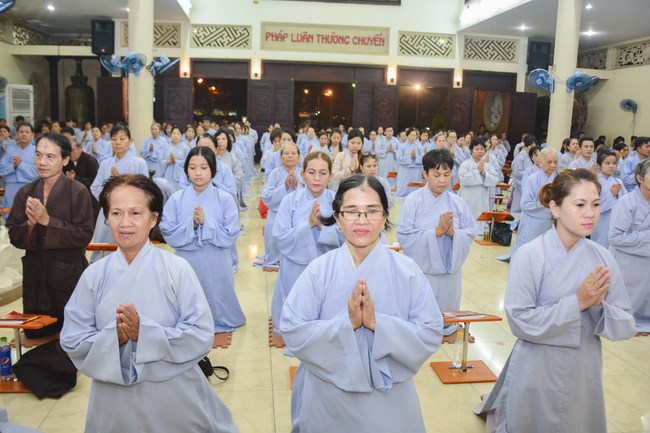
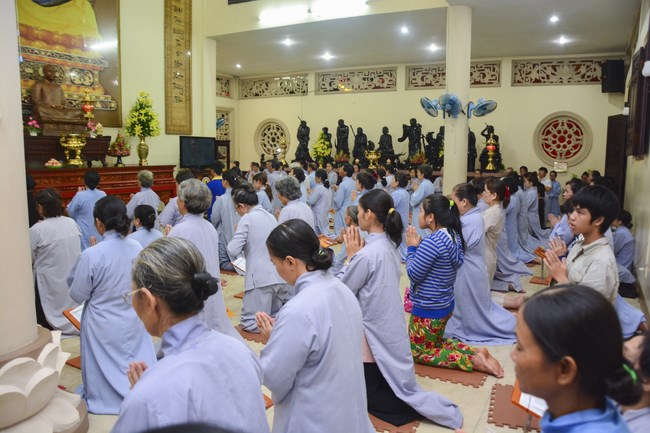
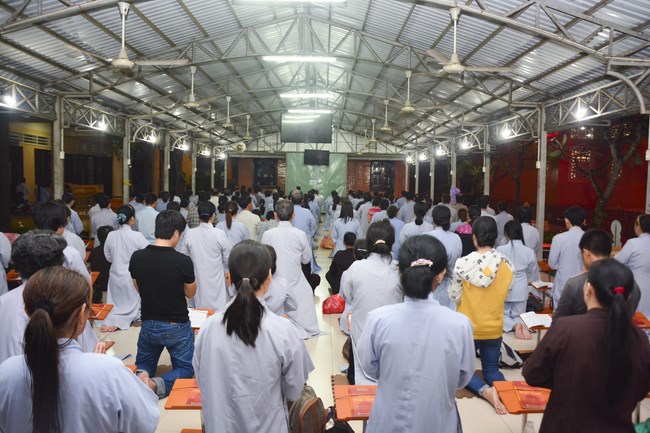
After the preaching, the whole assembly entered the repentant moments as usual.
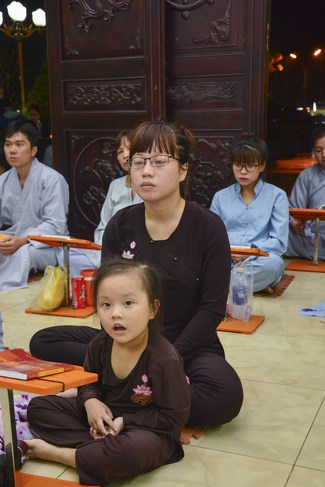
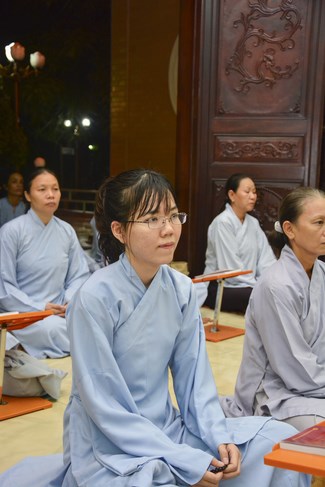
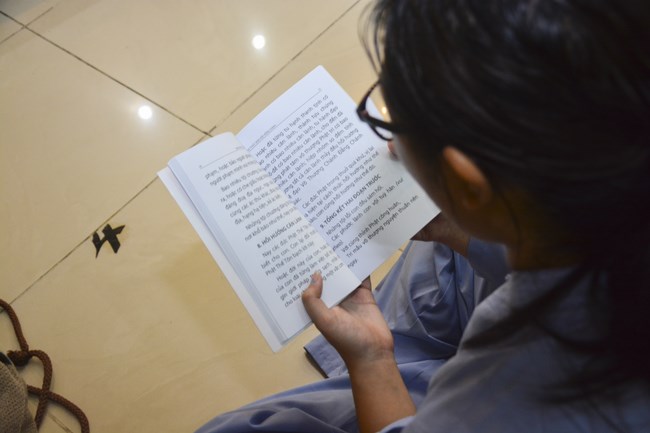
Below are the photographs recorded:

BBT Website