Monday, 10/26/2026
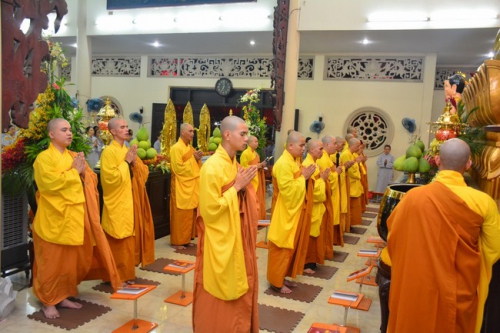
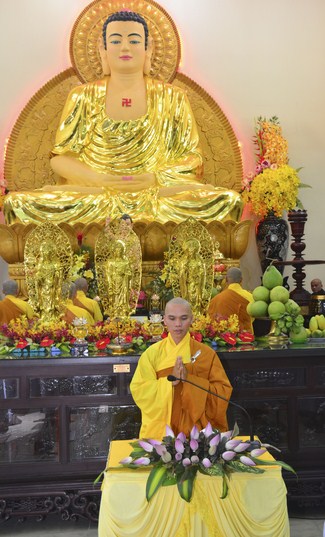
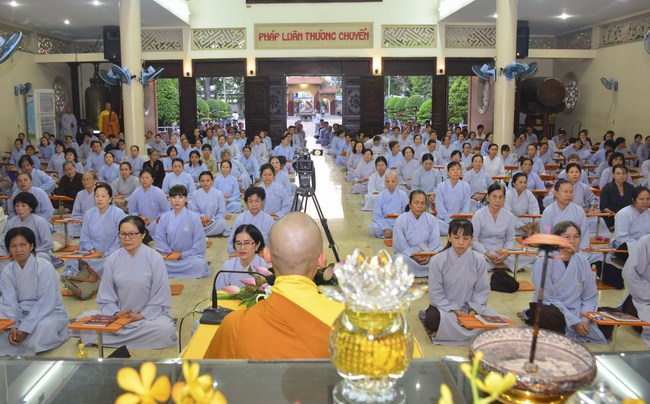
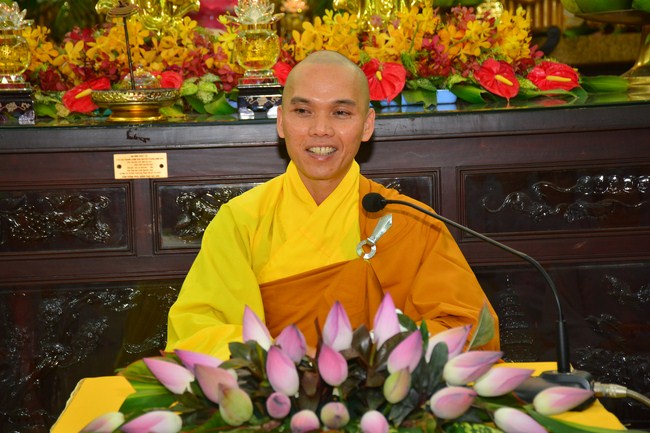
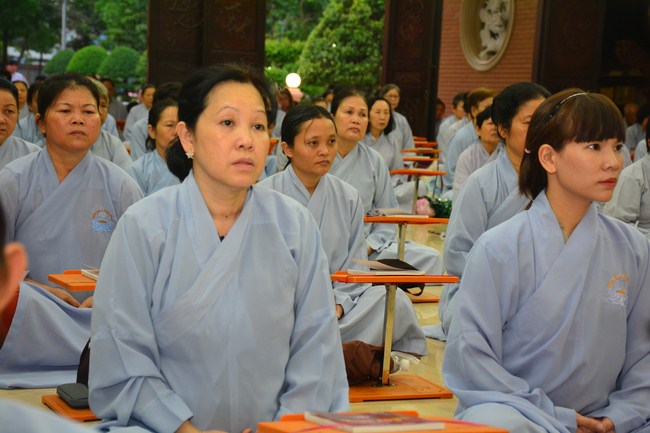
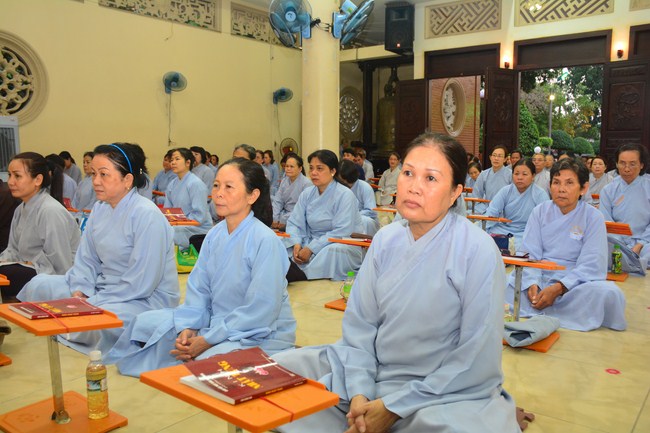
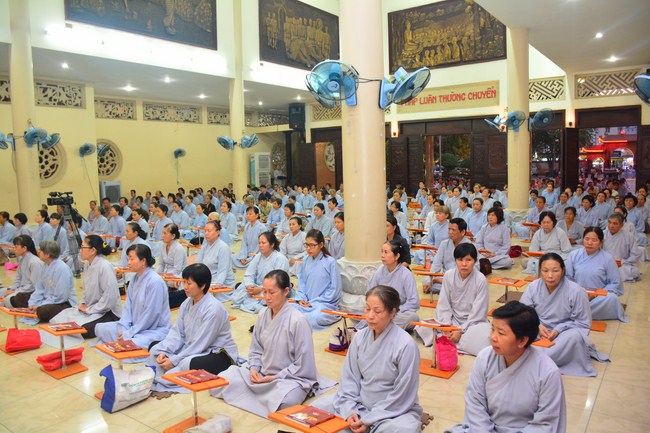
Before starting the repentant ceremony, there was a sermon from pagoda’s monks. On this retreat, Junior Venerable Thich Tam Vien gave attendees a sermon called “Repentanceâ€.
It is said that nobody is perfect. People sometimes make mistakes but they do not know what their mistakes are. Bodhisattvas also make mistakes before they became Buddha. Because of greed, hatred and delusion, they cause sin nature and appearance potentialities. Therefore, everyone should cover repentance.
In sutra, there is the sentence “Ksama (Ksamayati) is repenting previous mistakes and yati (Ksamayati) is givig up post mistakesâ€. Repent is to regret for errors and the following errors are abandoned. Repentance is to present pre-sins, regret is remodeling past mistakes and practice good deeds in the future. We not only repent the sins of the present, but also in term of the past and consistent look to the future.
There are many ways of repentance. It is the same as legislation in society and regulations of the religious unions which are used with many different practices. In Buddhism, there are four methods of repentance such as Repentance of Dharma Application, Repentance of Visual Keeping, Repentance of Reciting Buddha’s Name, and Repentance of Non-Birth. Since these sins do not have forms, these kinds of repentance have to take “Mind’ as the source, which transforms from incorrect mind to correct ones, from impurity to purity, and from ignorance to wisdom and wise.
Repentance is an important practice in Buddhism, so each person needs to look at himself, often reflects the mistakes to flourish in their religious karma.
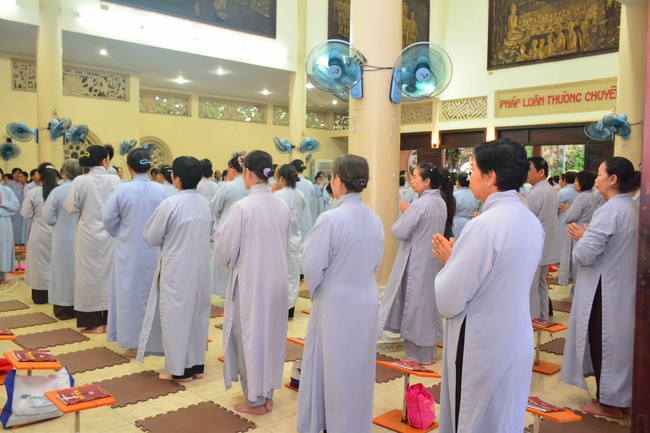
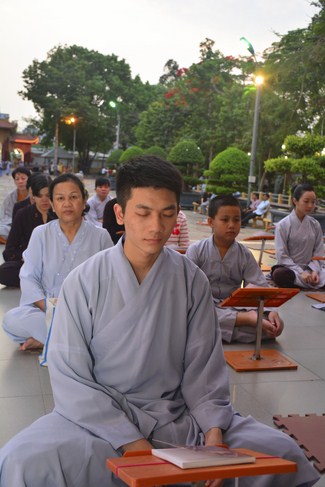
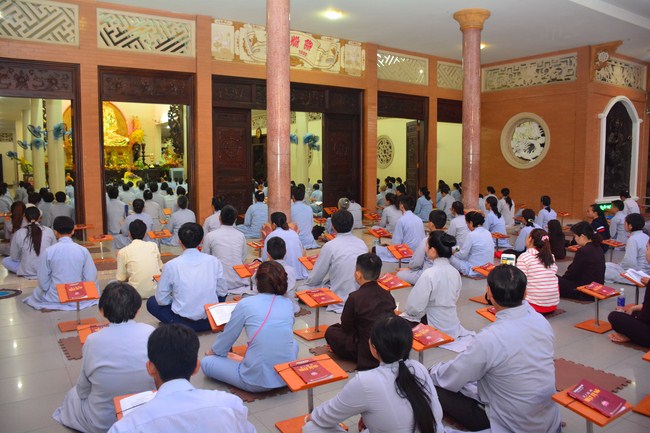
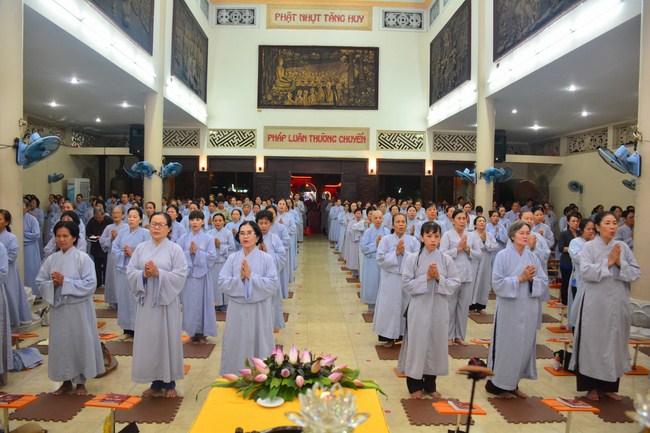
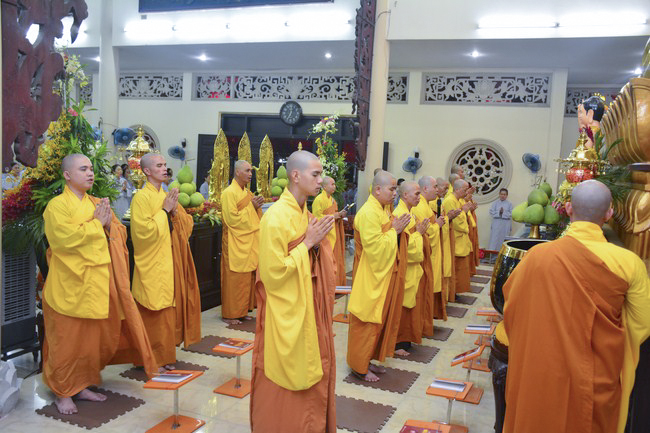
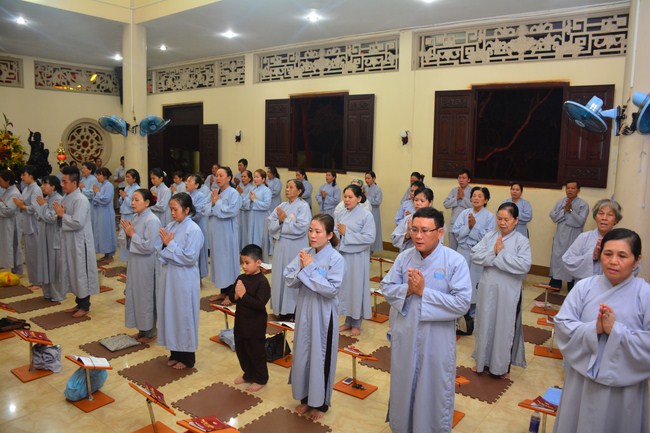
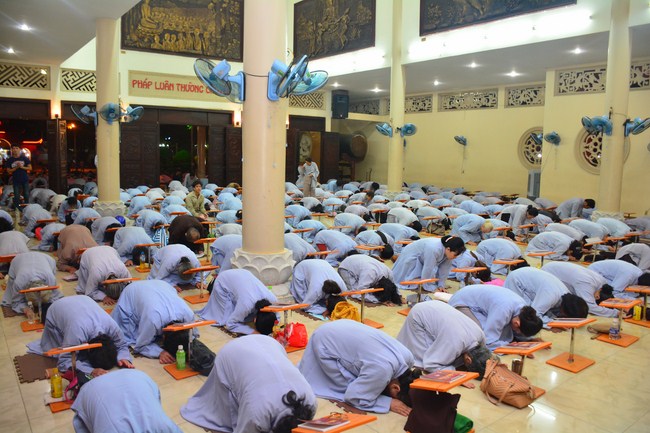
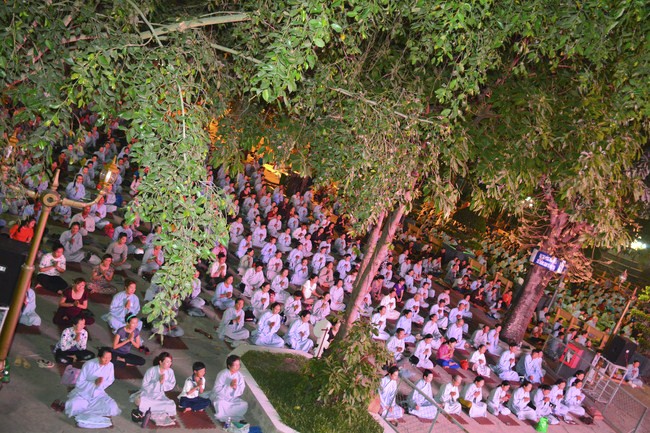
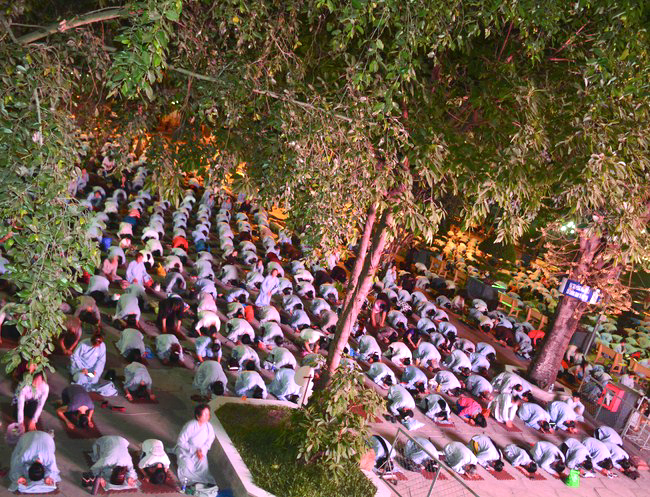
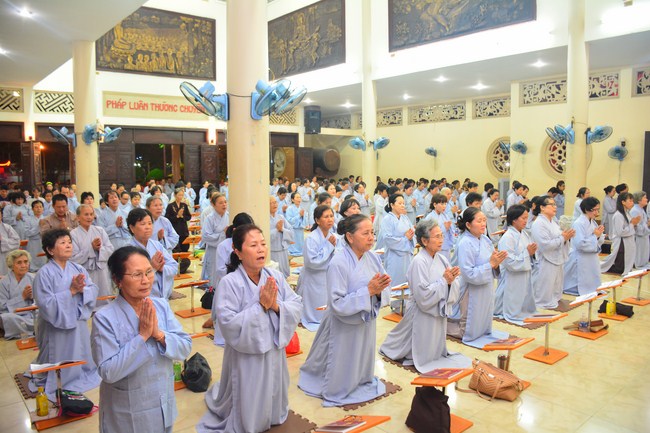
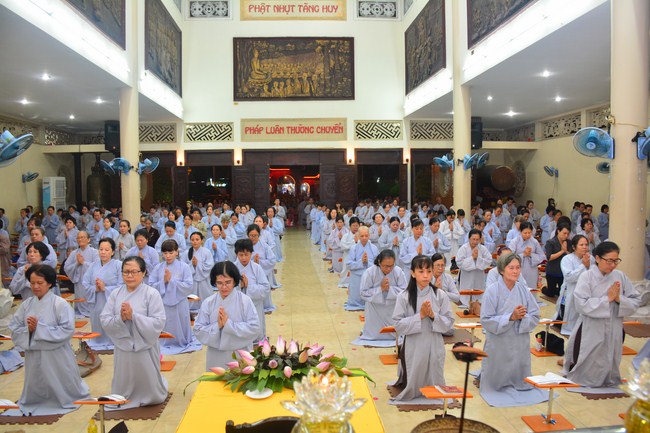
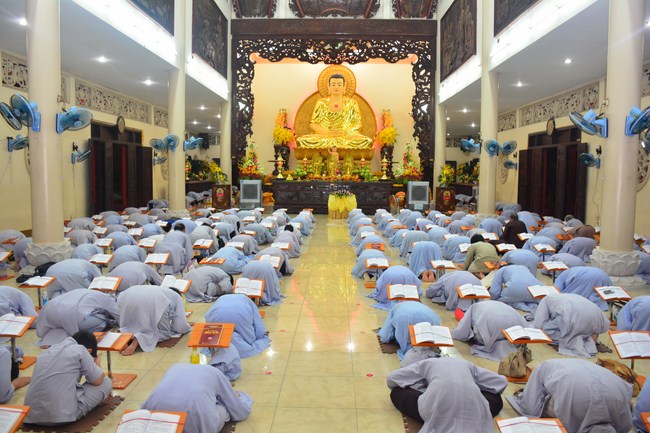
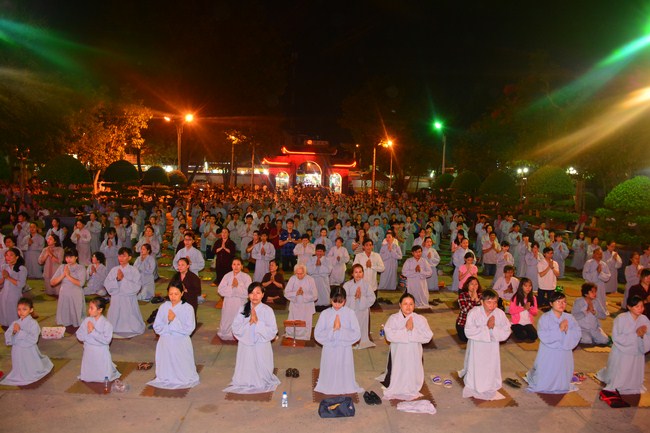
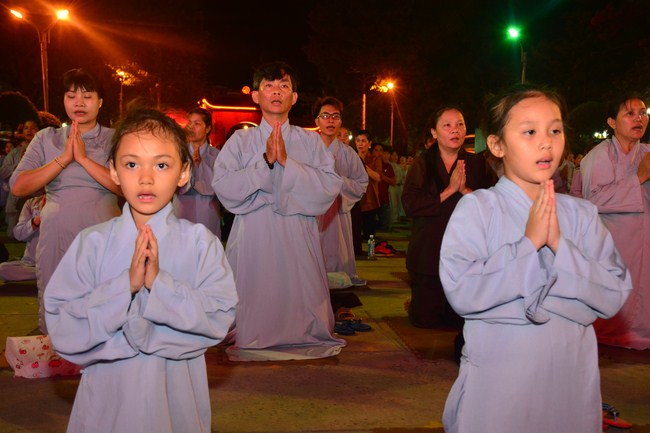
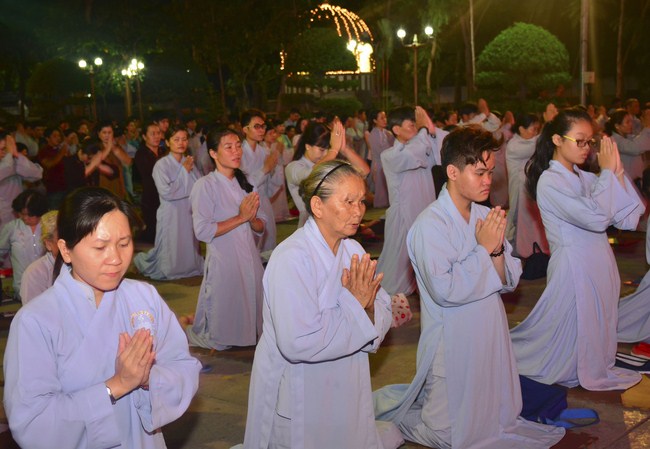
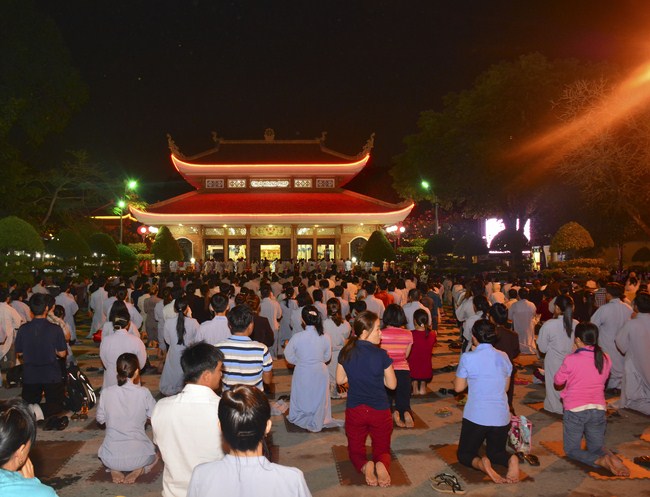
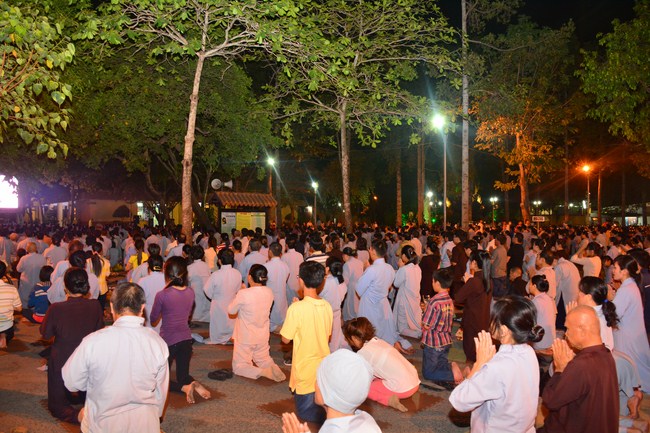
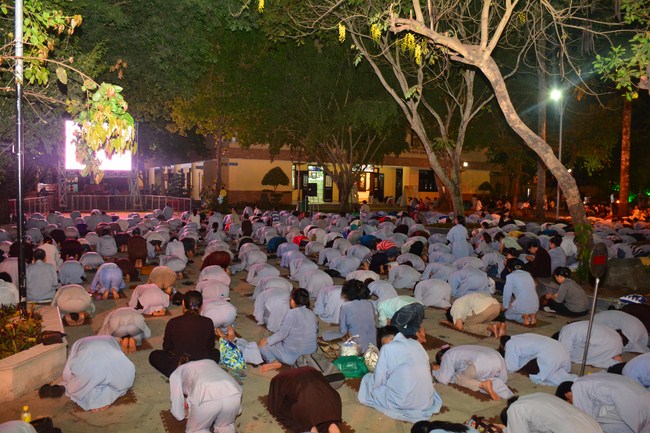
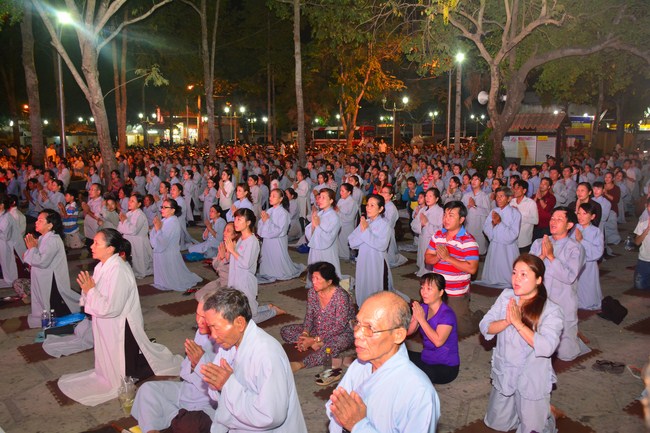
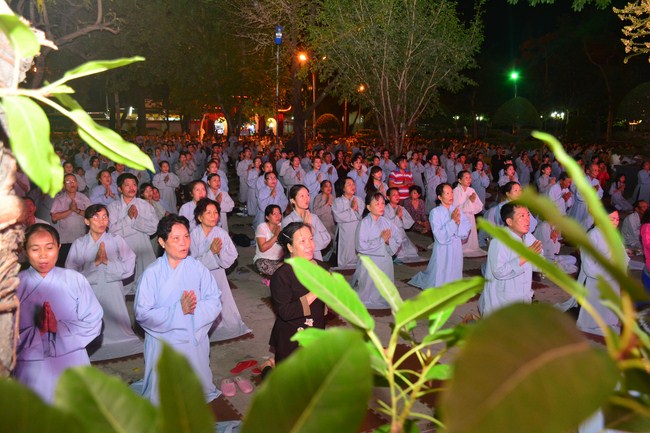
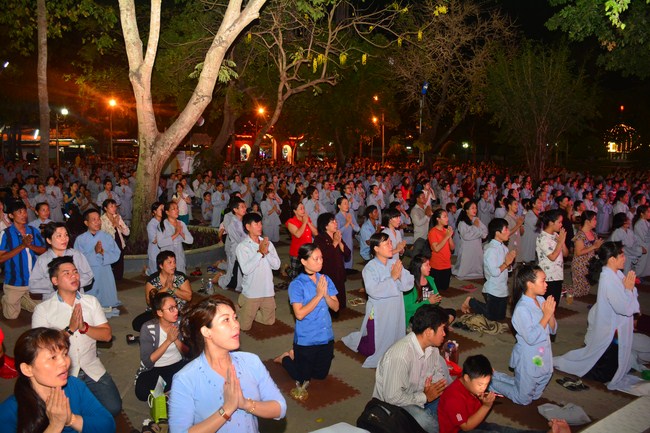
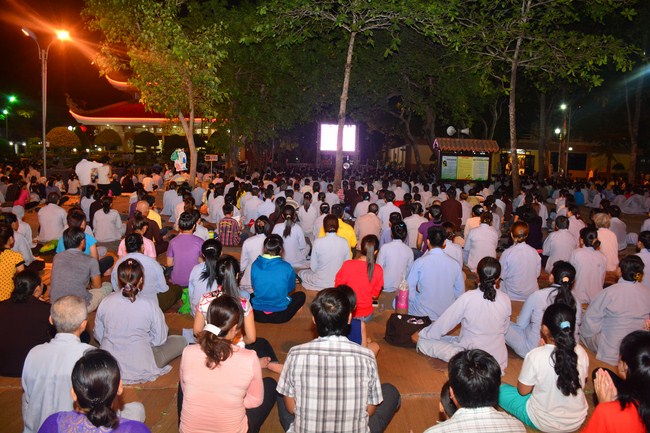
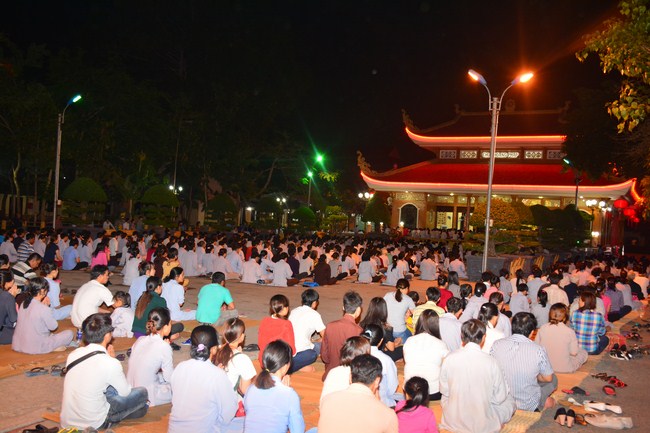
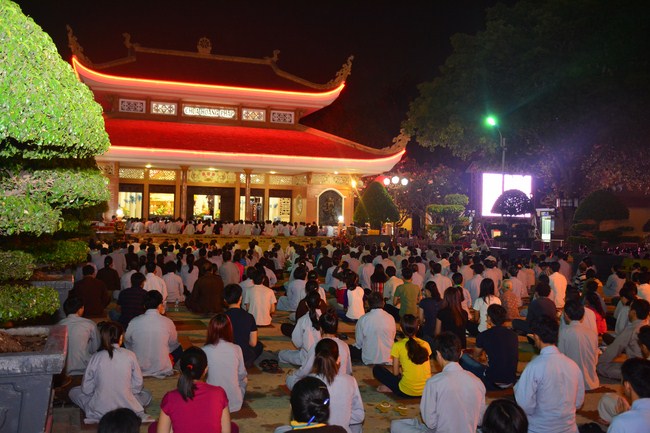
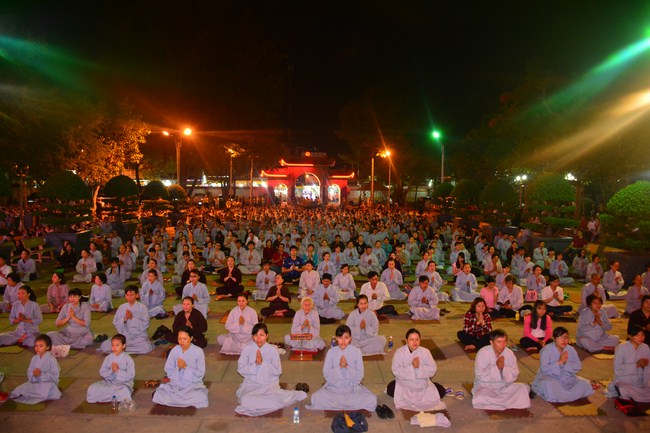
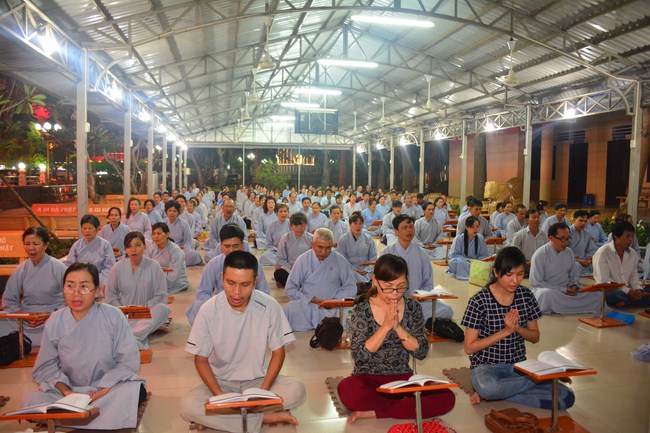
After the Dharma talk, the mass together came to the repentant retreat of Buddha's name as usual.
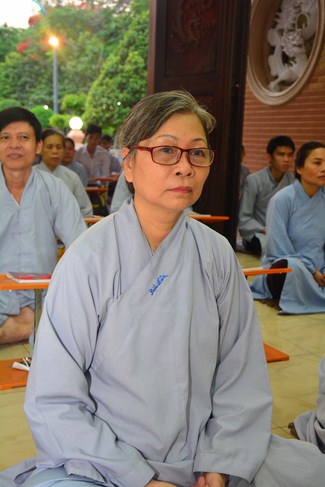
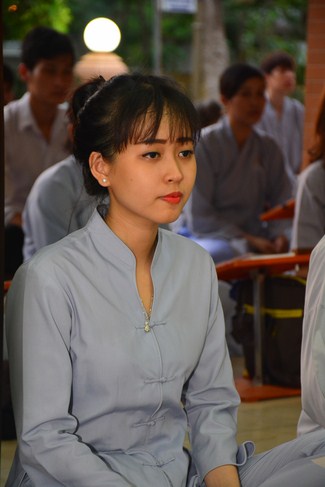
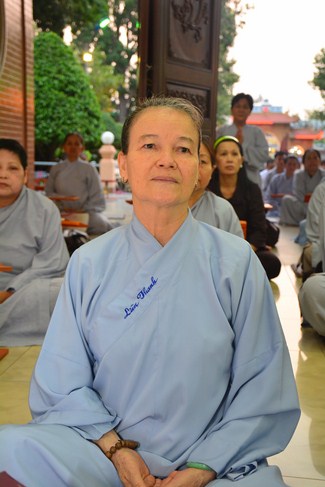
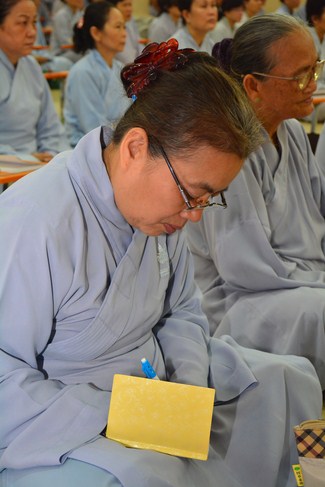
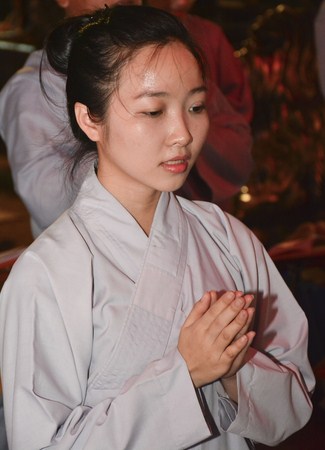
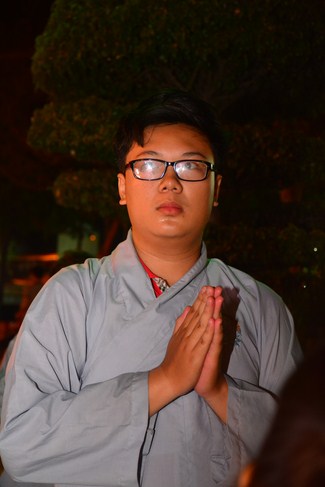
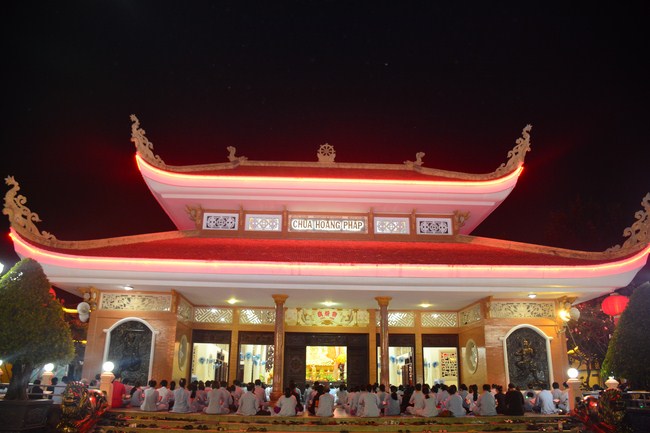
Below are recorded photos: