
Monday, 10/26/2026
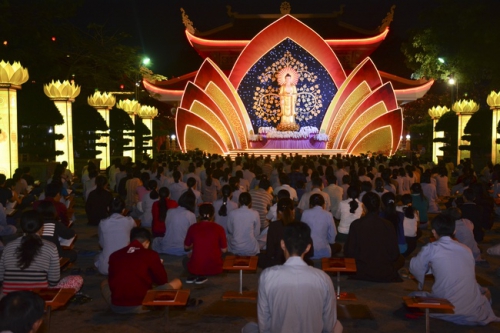
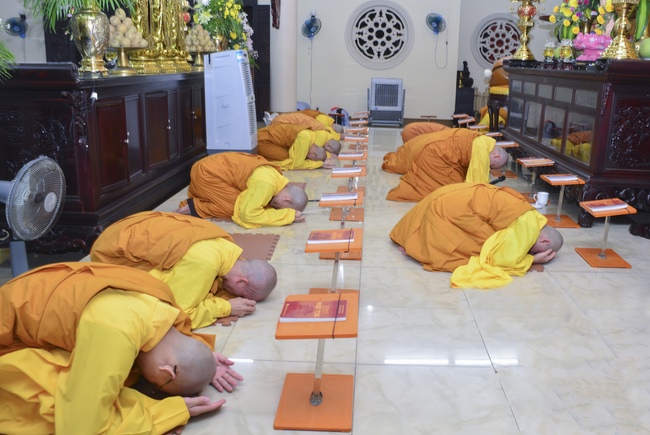
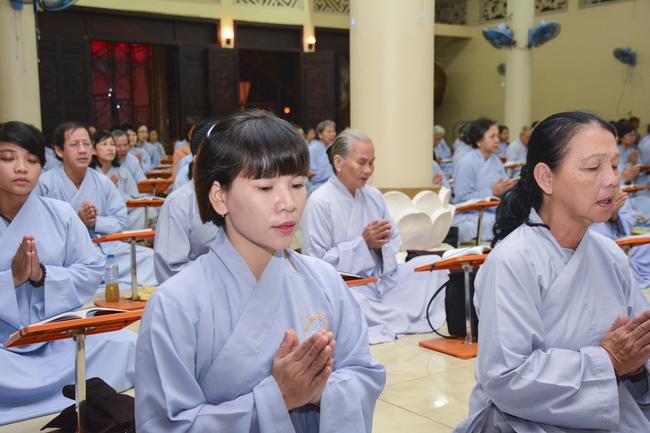
Penitence is an important activity for Buddhist\r\ndevotees that includes:
\r\n\r\n* Expressing the individual infringement under the\r\nwitness of Buddha and Bodhisatva to show the sincerity of the practitioners who\r\nregret about their mistakes in the past and vow to give up the evils in future.\r\n
\r\n\r\n* Purifying practitioner’s body and mind.
\r\n\r\n* Listening to the statement of Five Precepts for\r\nlay Buddhists.
\r\n\r\n* Listening to Dharma talk to enhance the right\r\ntrend/mindset on the Path to the Enlightenment.
\r\n\r\n\r\n\r\n
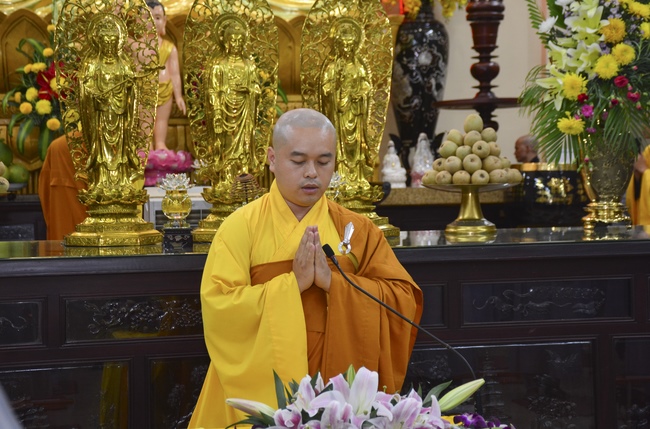
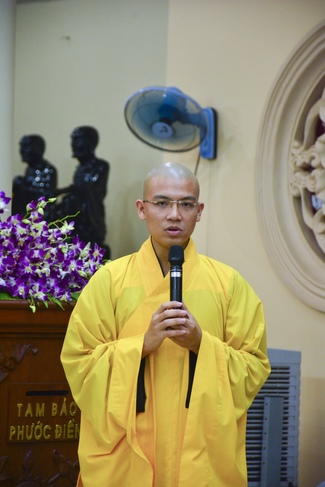
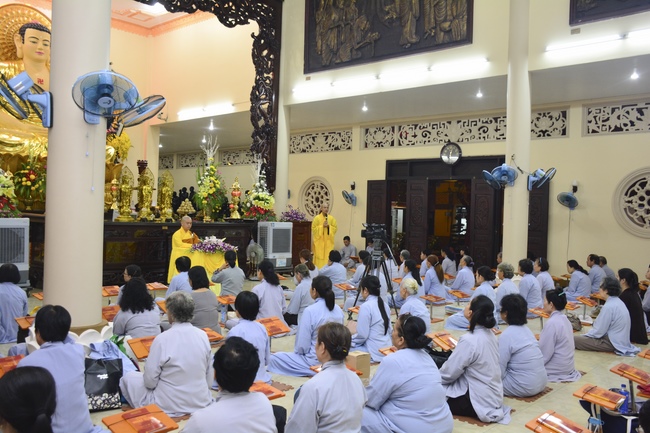
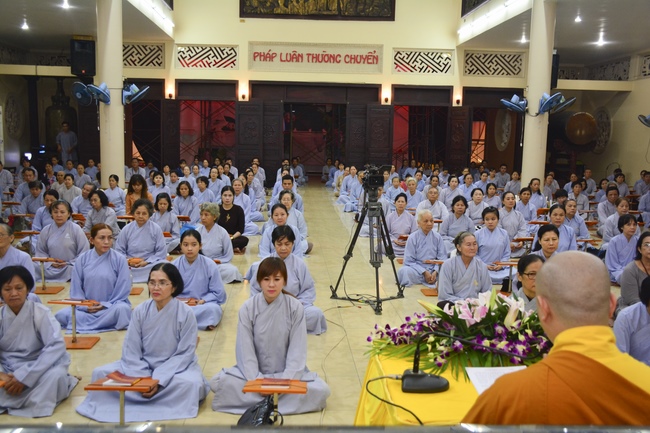
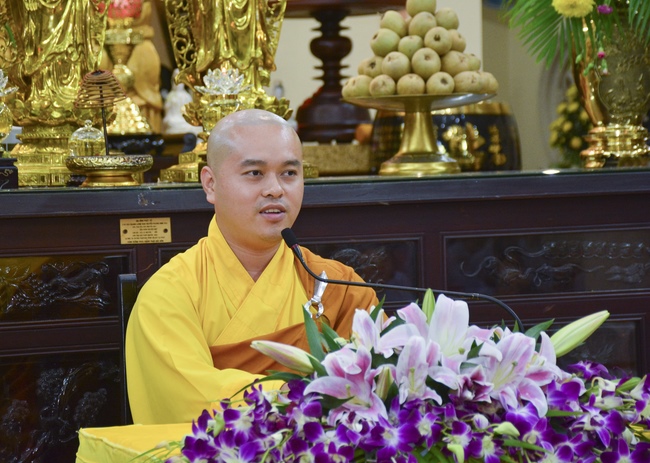
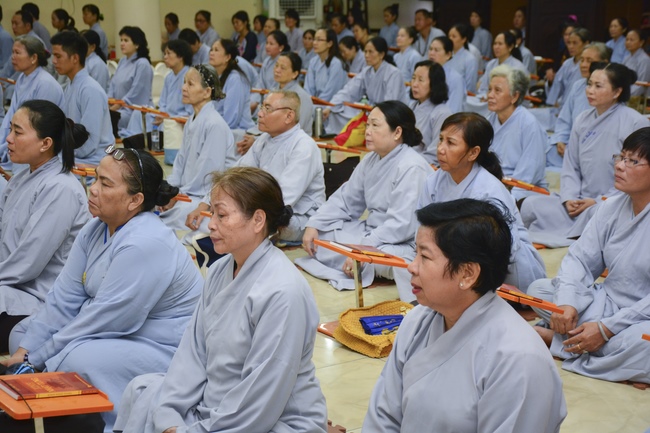
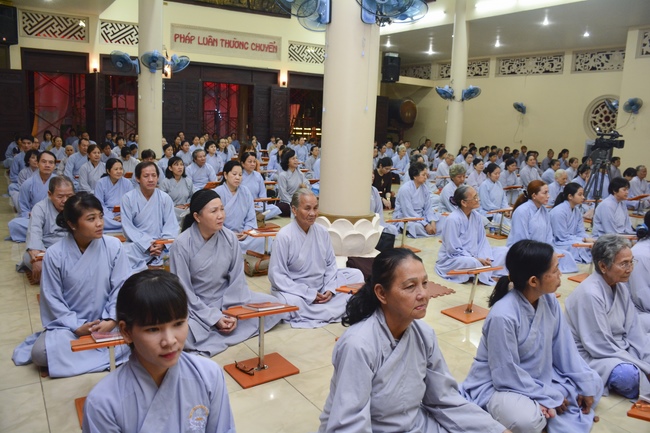
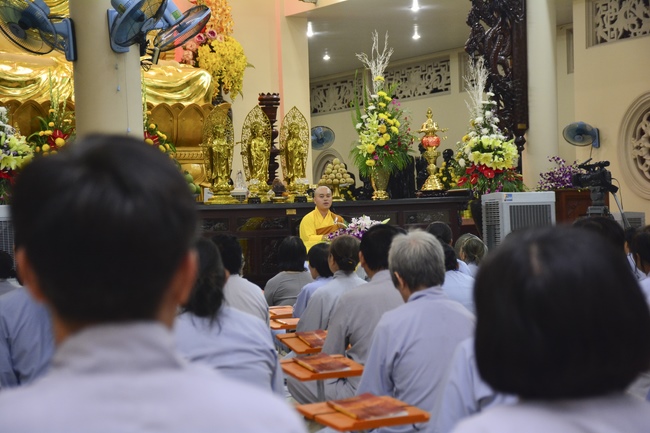
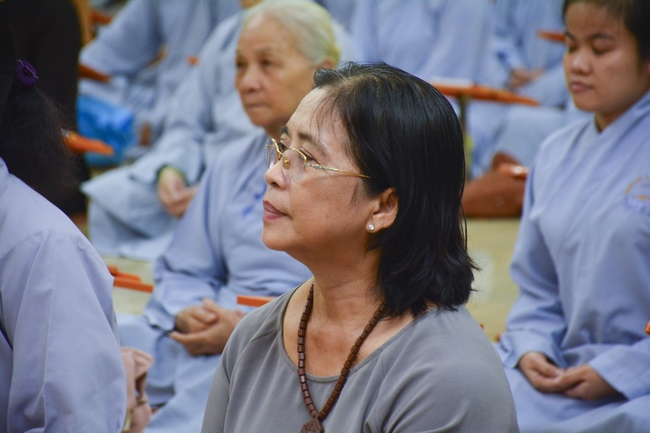
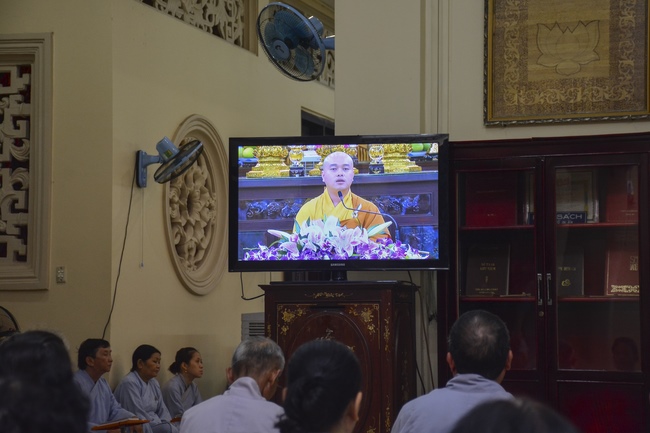
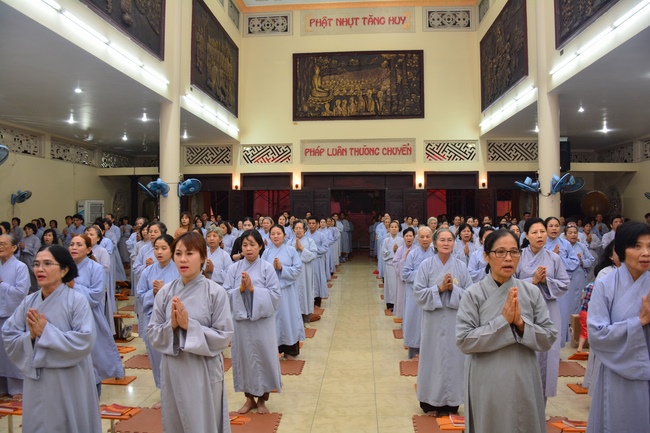
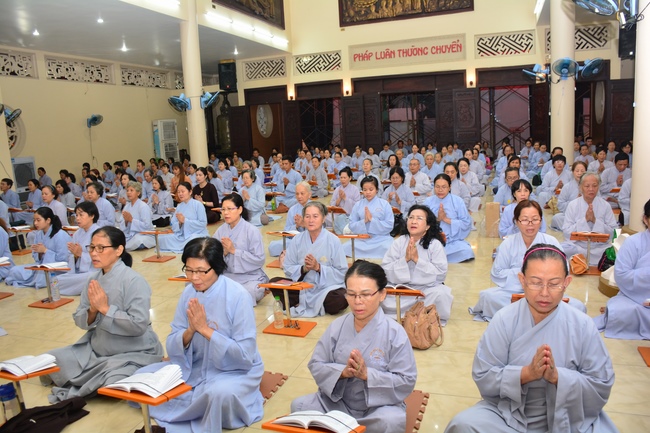
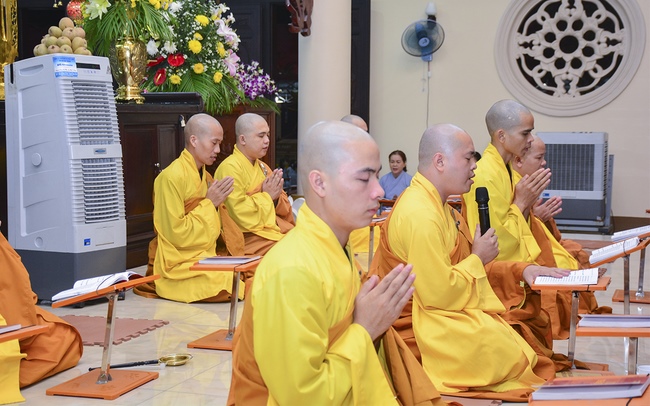
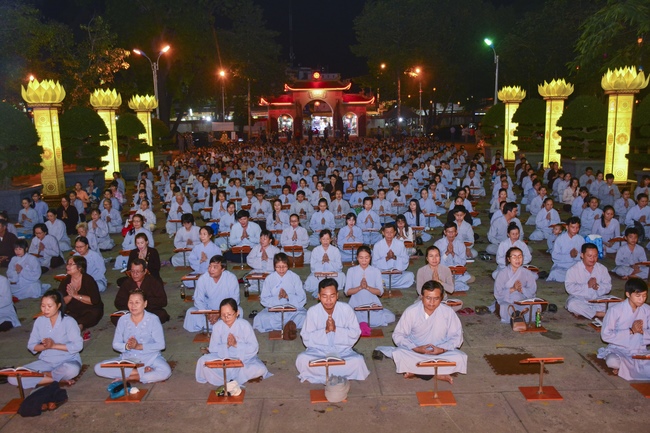
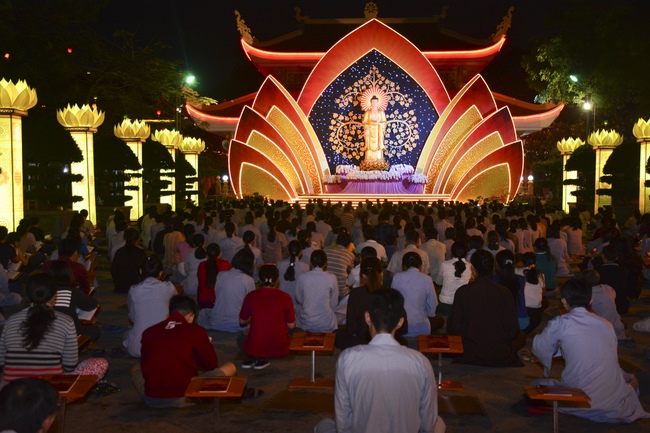
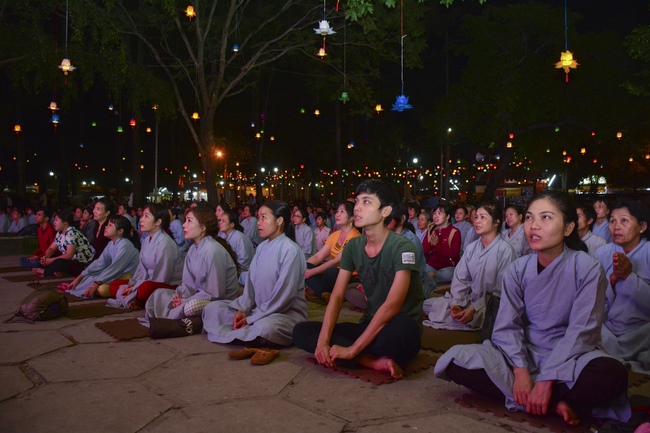
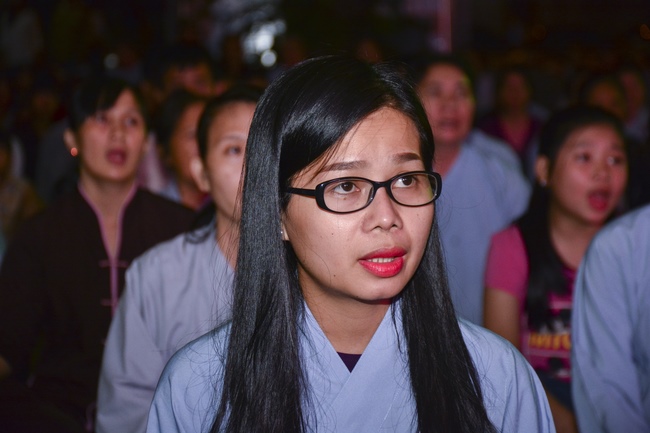
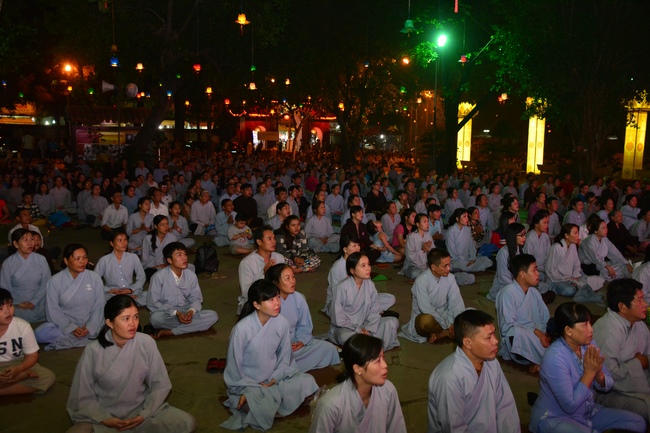
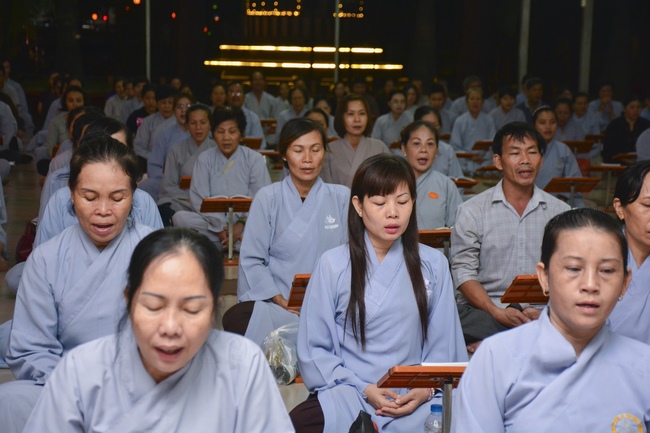
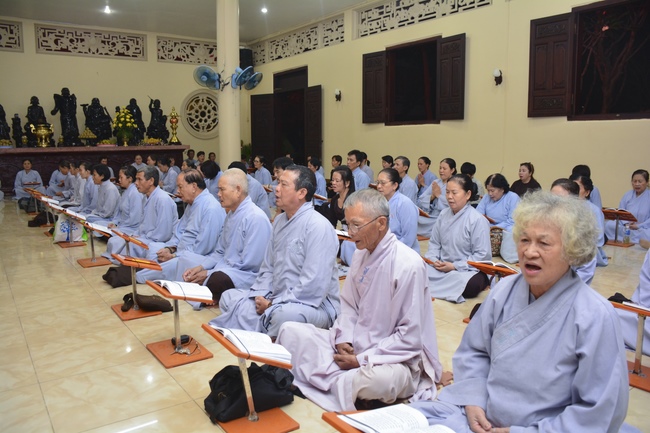
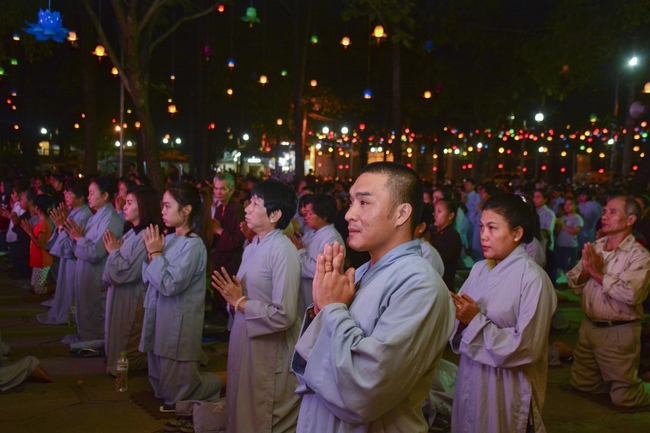
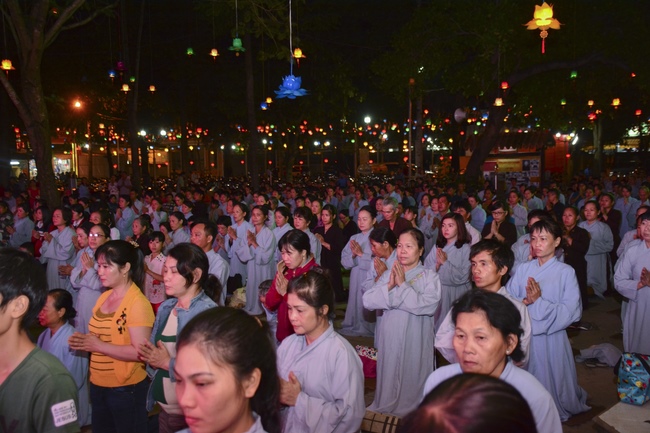
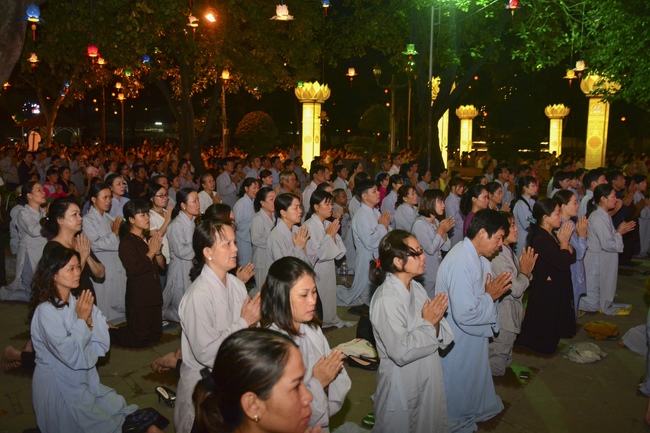
Before the main part of the course, the mass\r\nlistened to the Dharma talk from monk Thich Tam Dao, deputy abbot of Hoang Phap\r\npagoda, regarding happiness and suffering, two important aspects in daily life\r\nfor all of us in general and for each of practitioner in particular.
\r\n\r\n\r\n\r\n
These are also the two key themes that Buddha\r\nteaches us in the Noble Truth with sufferings, the cessation of suffering and\r\nthe path leading to the eternal happiness.
\r\n\r\n\r\n\r\n
Happiness and suffering seems to be the large topics\r\nthat take much time for us to discuss. However, within limited time of the talk,\r\nmonk Thich Tam Dao pointed out the key factors that have great influence on practitioners’\r\npractice and can help us erase suffering to achieve the true bliss.
\r\n\r\n\r\n\r\n
First, the lecturer shared about the worldly meaning\r\nof happiness, in which: happiness is love affair in young age, achievement in\r\nmiddle age, health in old age, and prosperity and success in the whole life. Buddha\r\ncalls it the six-sense pleasures, which people ignorantly misunderstand it the\r\neternal happiness and spend their whole lives searching for. In fact, these six\r\nsense pleasures are the cause of bad deeds and sufferings that we have to bear\r\nin future.
\r\n\r\n\r\n\r\n
Second, where is the true happiness? Via stories in\r\nBuddha’s teachings, funny/ practical examples and the suffering lessons from libertine indulgence, the lecturer pointed out\r\nthe meaning of eternal happiness as following:
\r\n\r\n\r\n\r\n
* Happiness is knowing how to cease the bondage of misery,\r\nbased on Buddha’s teachings.
\r\n\r\n\r\n\r\n
* Happiness is sowing good deeds for the sake of benefit\r\nto all sentient beings including us.
\r\n\r\n\r\n\r\n
* Happiness is letting go.
\r\n\r\n\r\n\r\n
These are the cores that Buddhist devotees should\r\ndiligently cultivate in mind to attain the true happiness within this life and\r\nthis moment for the sake of happiness for all. This is the practical way for\r\nBuddhist devotees to aim at instead of looking for any remote or unreal theory.
\r\n\r\n\r\n\r\n
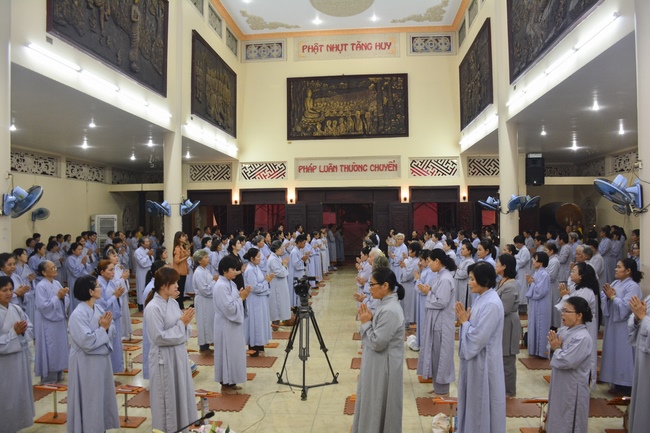
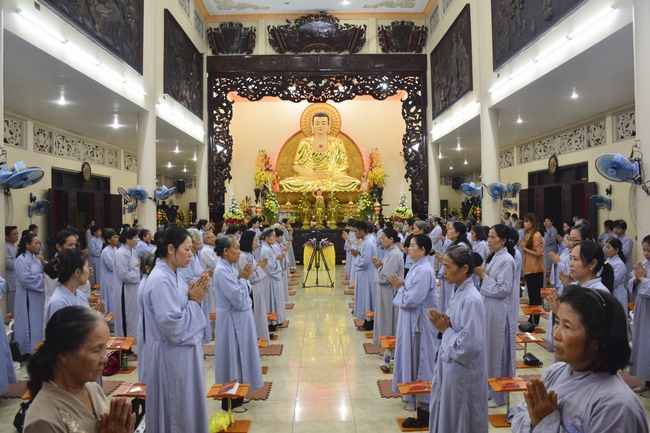
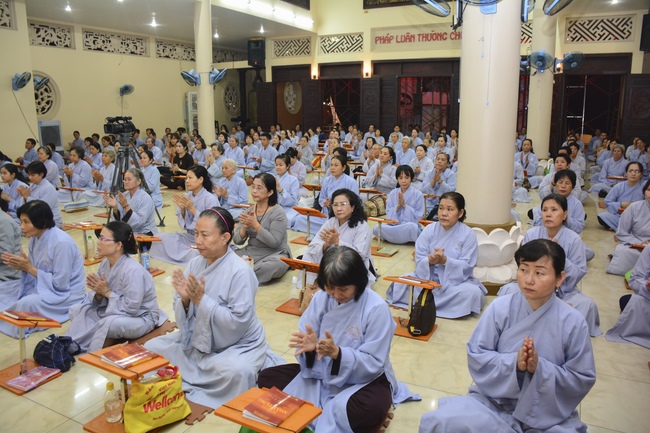
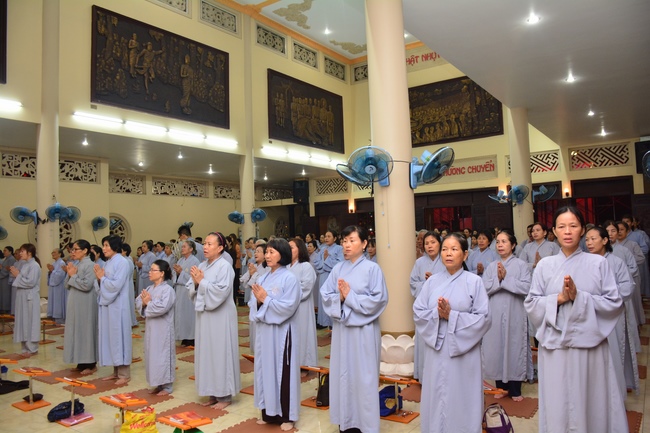
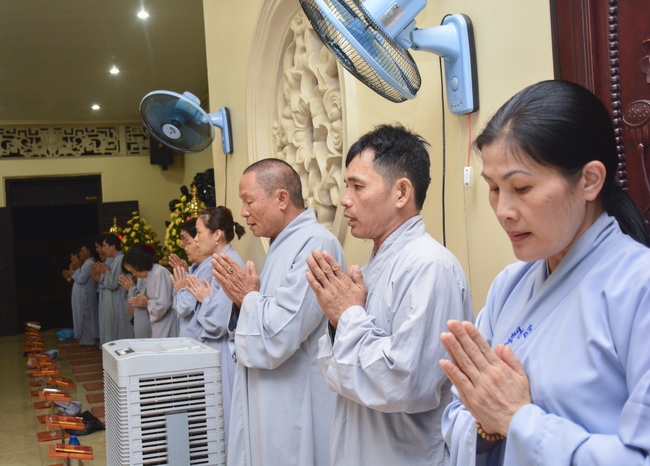
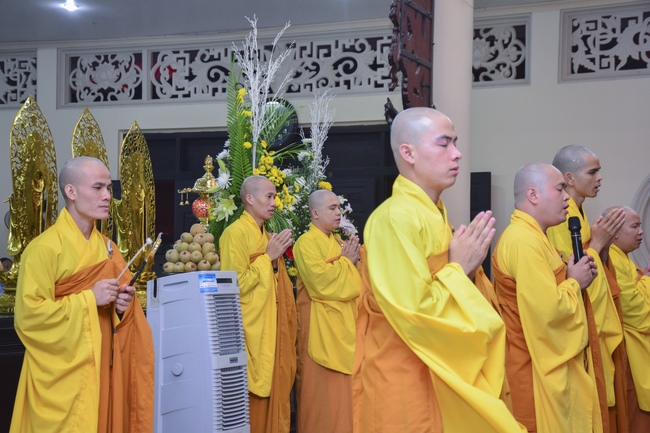
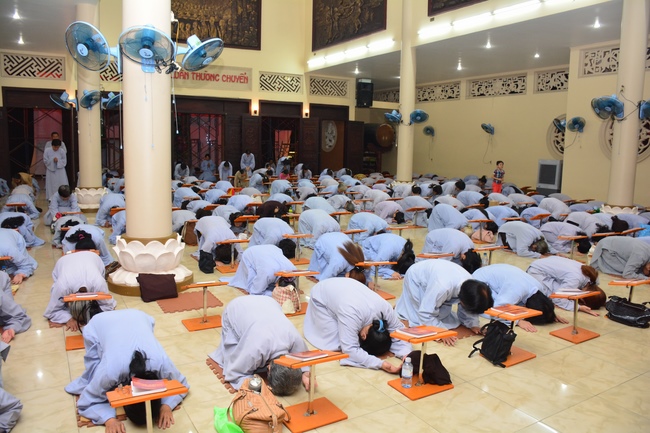
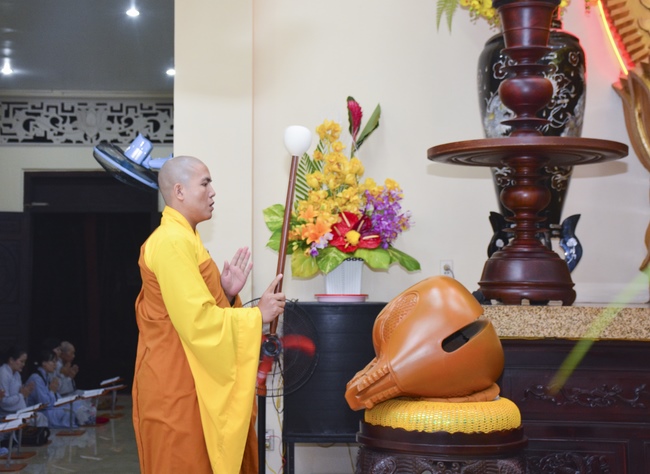
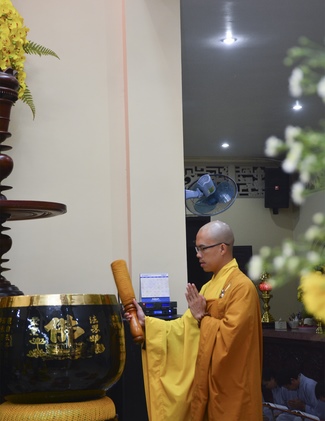
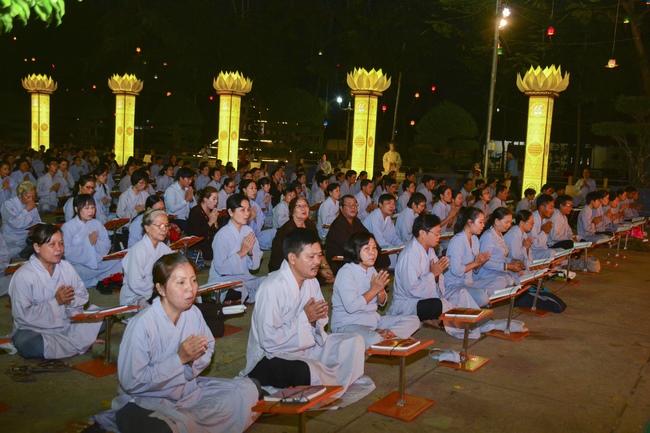
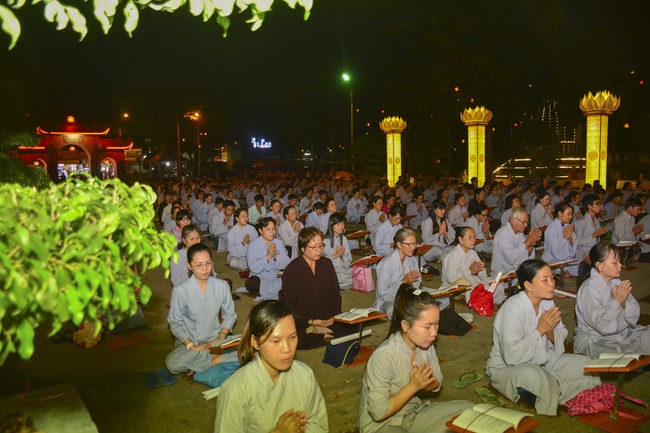
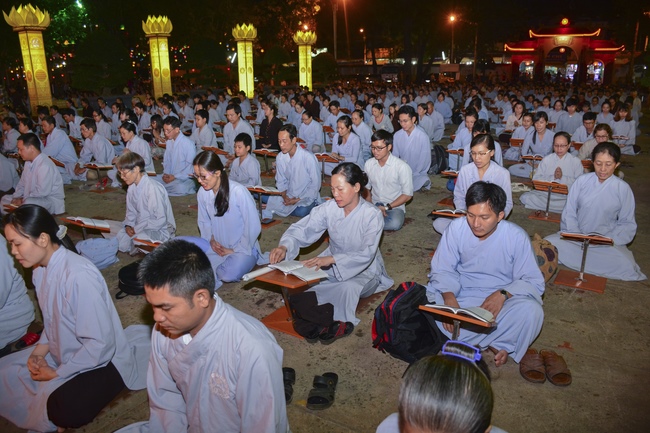
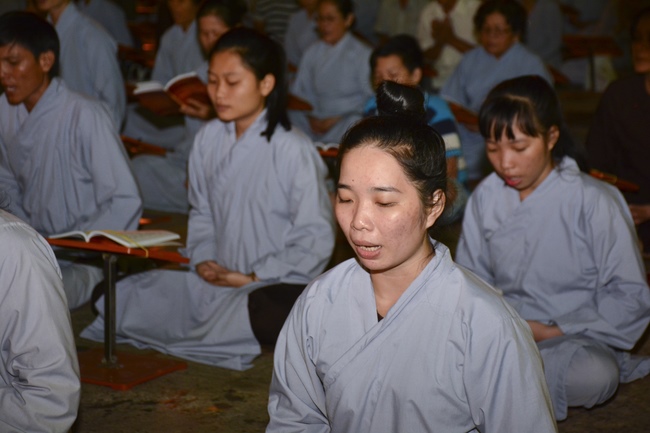
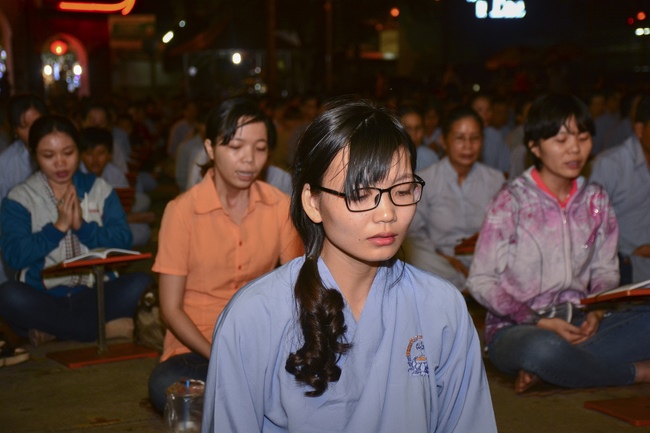
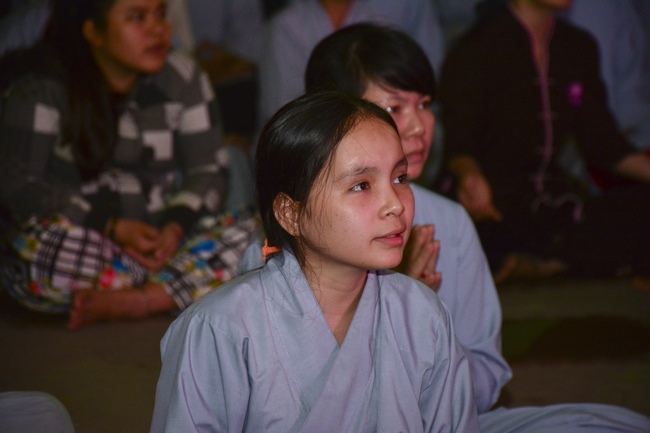
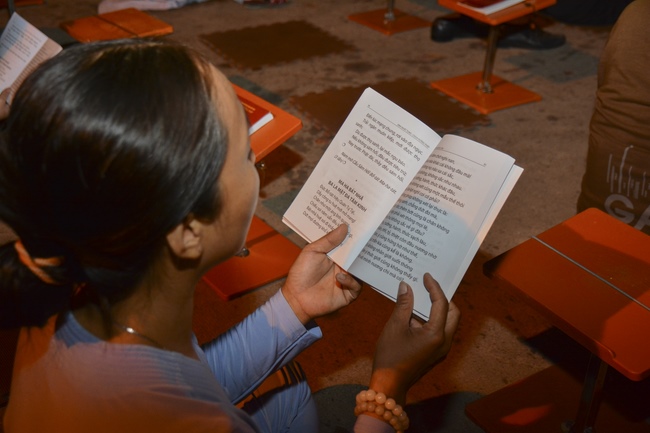
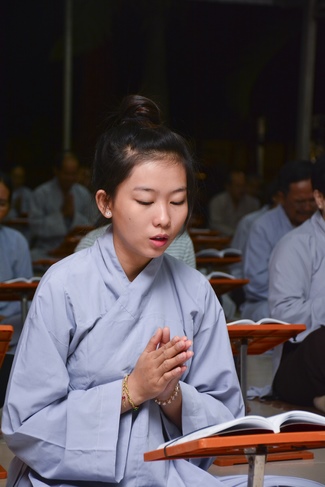
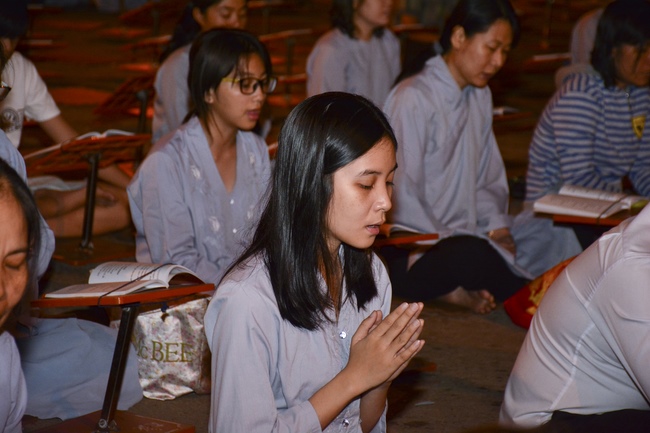
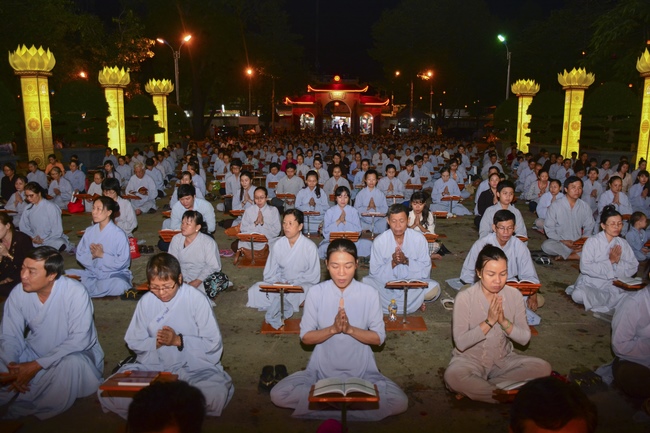
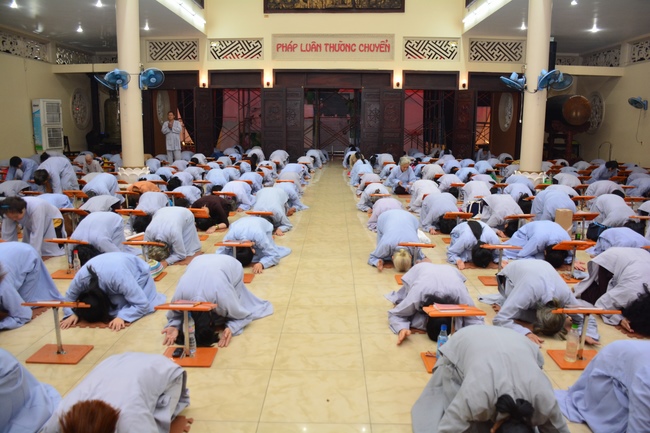
After the Dharma talk, the mass started the\r\nrepentant rite and listened to the Five-Precept statement as usual.
\r\n\r\n\r\n\r\n
BBT Website