Tuesday, 10/06/2026
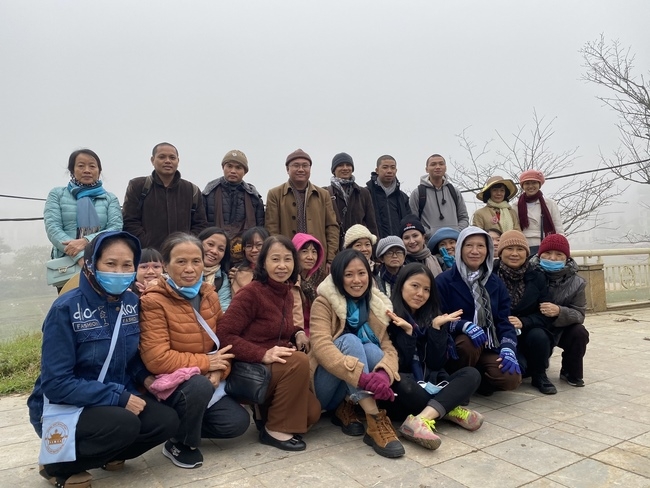
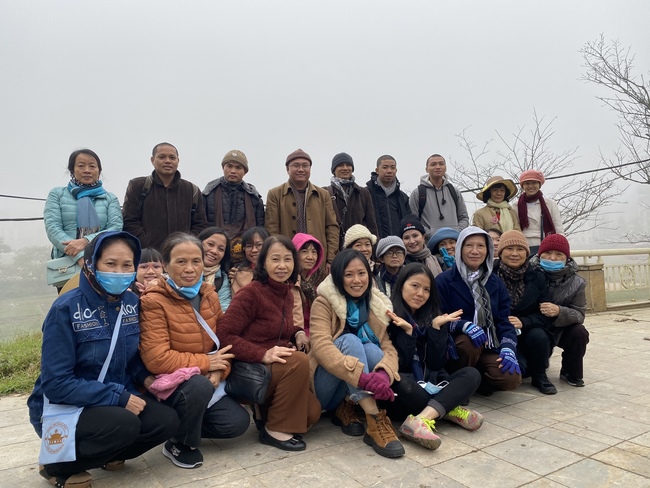
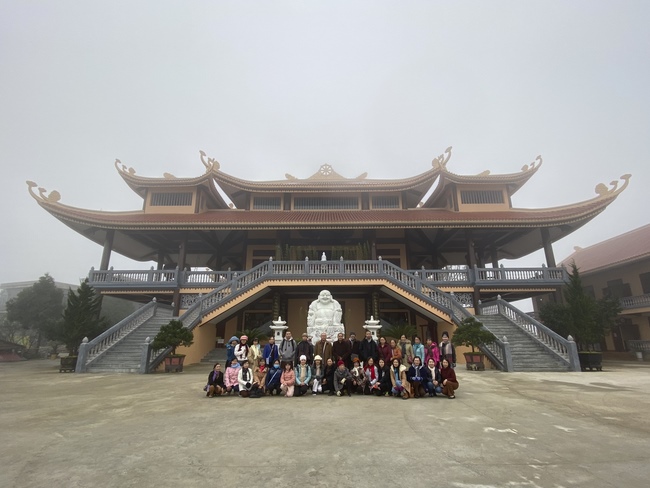
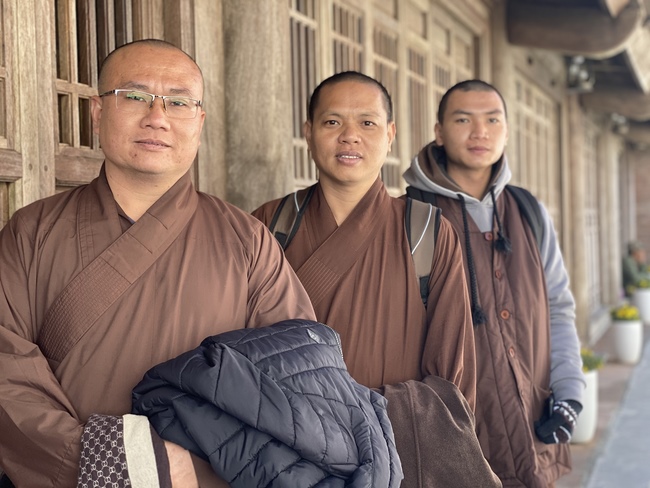
After taking a flight to Hanoi on the first day, the group visited Truc Lam Dai Giac Monastery in SaPa, Lao Cai Province. This is a Zen monastery of Truc Lam Yen Tu sect dominated by Venerable Thanh Tu, following the Vietnamese Zen path of Buddhism.
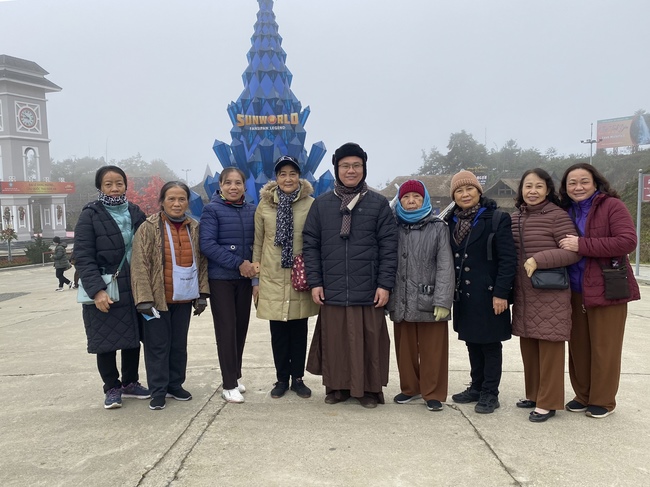
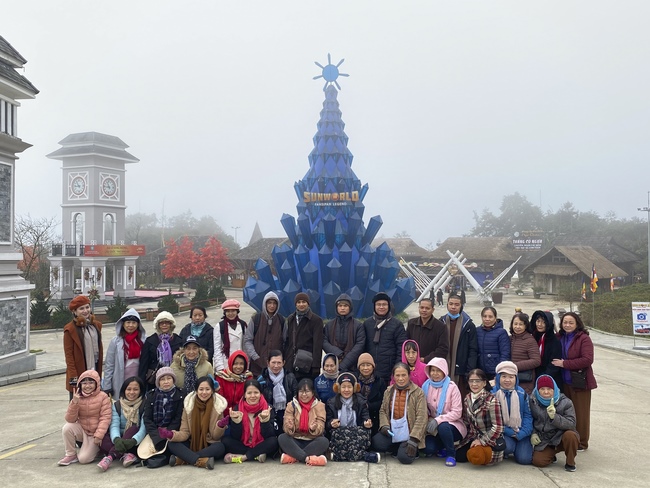
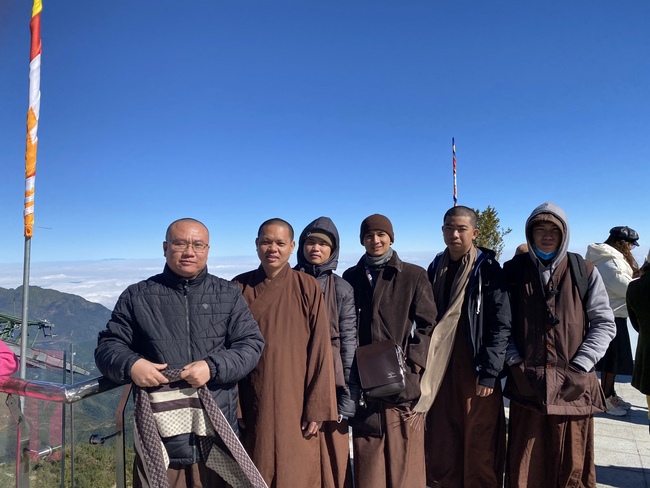
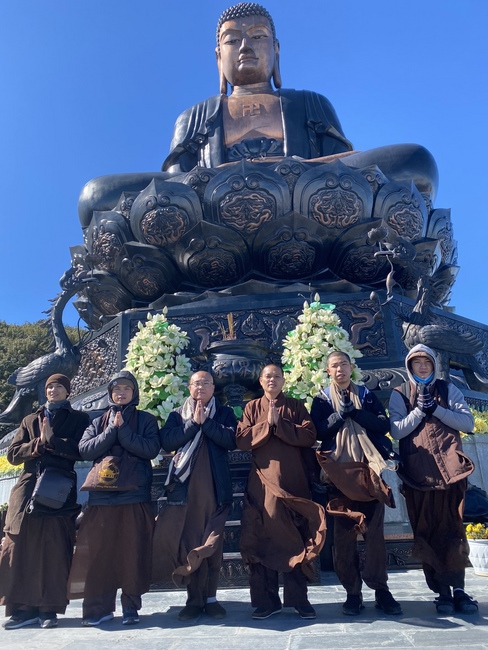
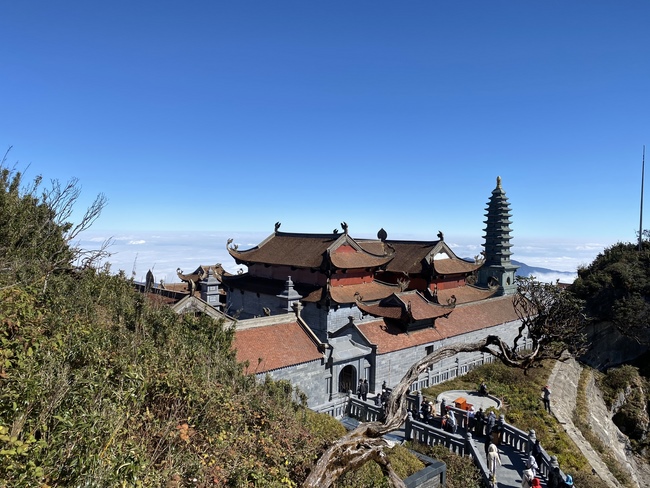
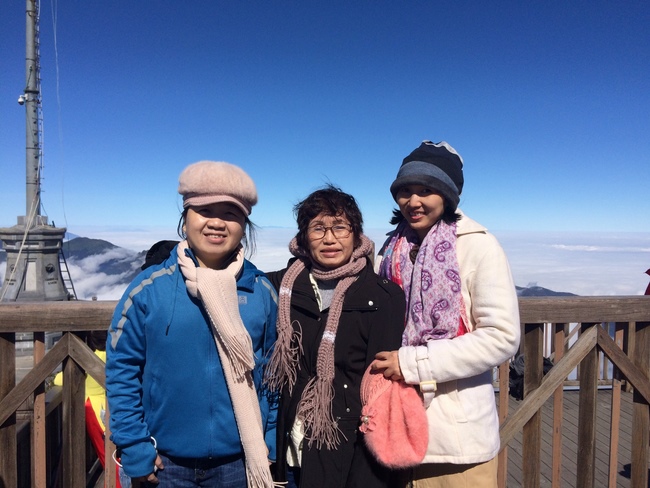
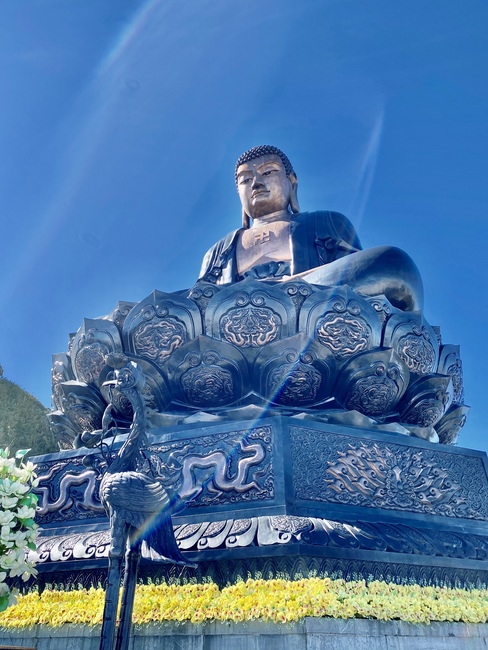
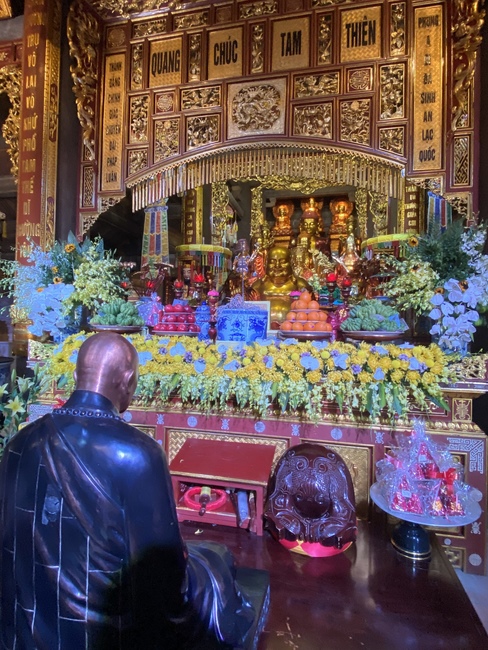
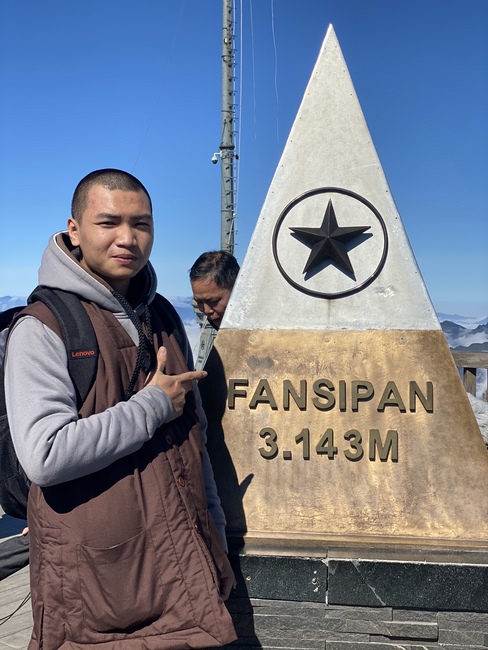
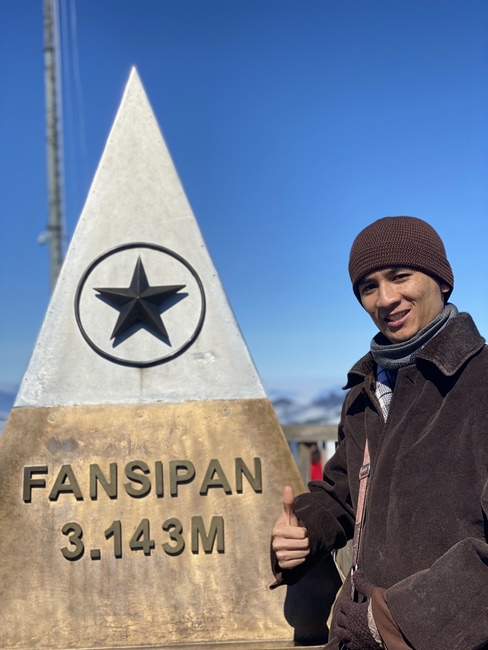
On the second day, the group arrived at Sun World Fansipan Legend which is a cultural tourism population. Here, the delegation went to spiritual places: worshiping the Buddha’s relics in the tallest Buddha statue in Vietnam, Bao An Thien pagoda (Trinh pagoda), Thanh Van Dac Lo, Bich Van Thien pagoda, the great bell, the great Buddha statue, 9-storey waterfall ...
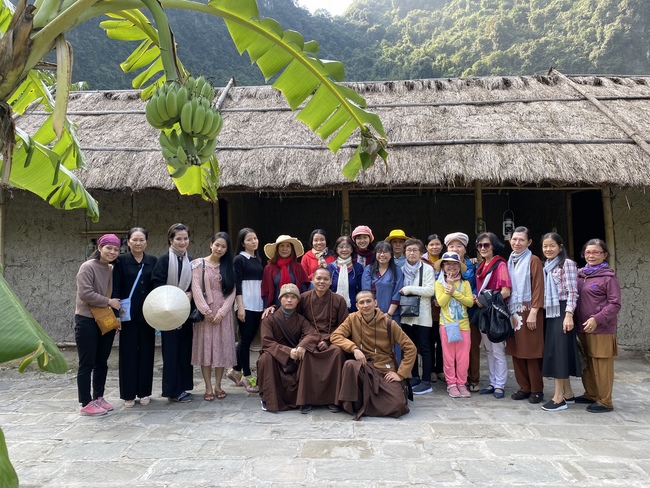
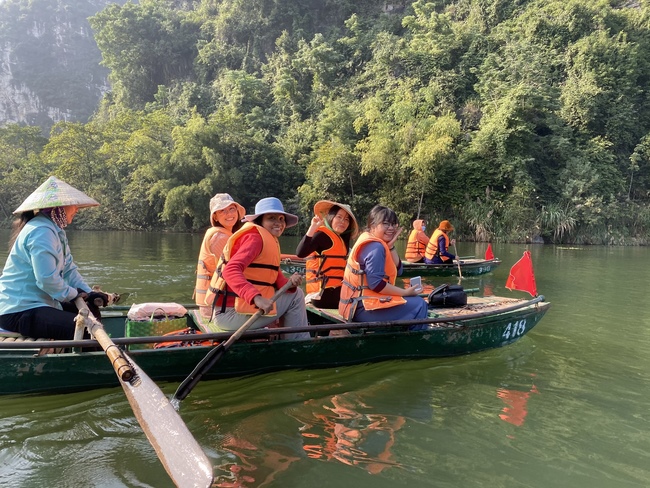
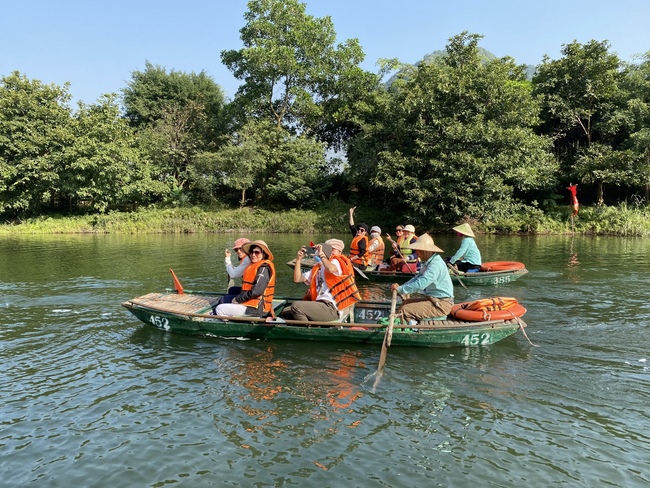
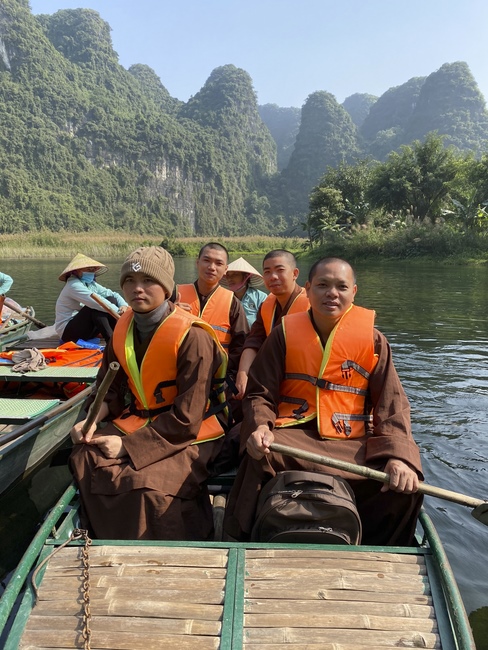
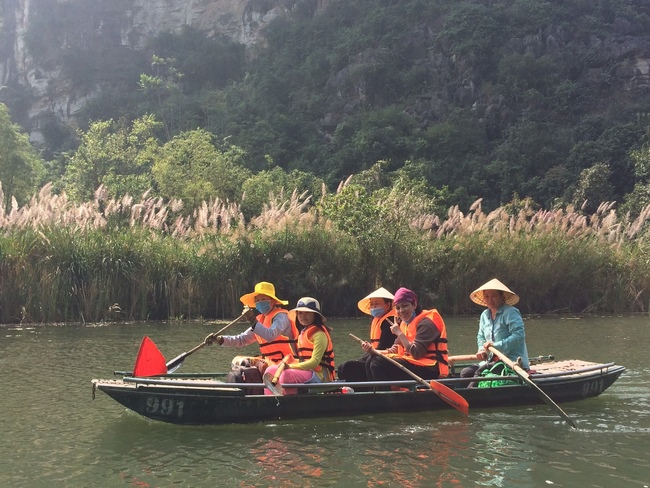
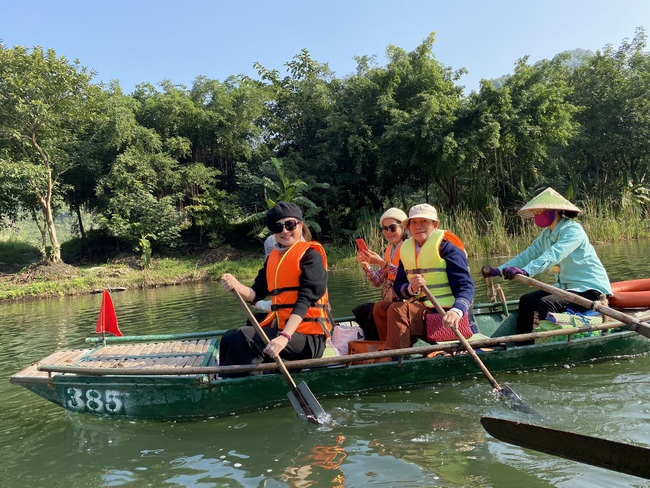
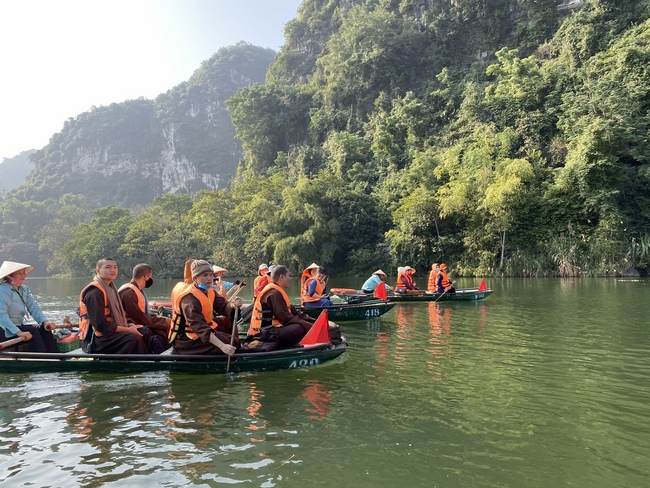
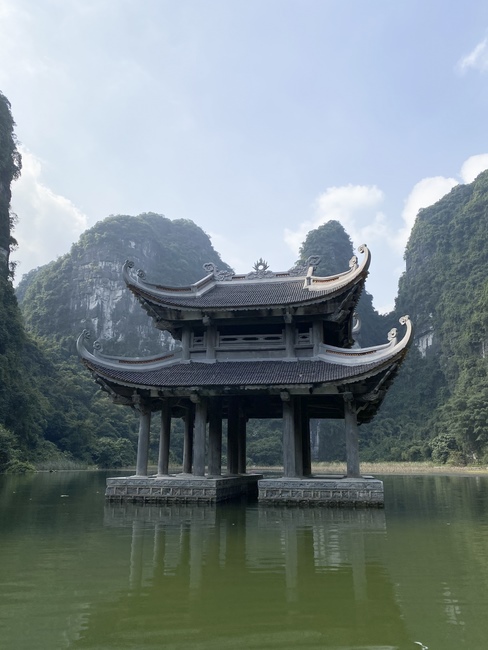
On the third day, the delegation went to the scenic tourist area of Trang An, Hoa Lu, Ninh Binh City. This is a charming landscape Eco-tourism area combining the pristine limestone mountains. The group chose a means of transportation by boat driven by local people. In the scenery of the clear blue water and the caves of all shapes and sizes, a small boat moving throughout the pilgrimage, admiring the scenic spots bearing national historical values as well as spiritual values.
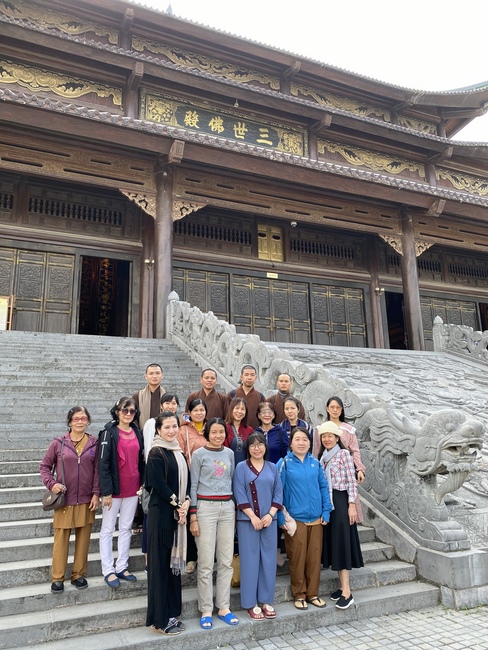
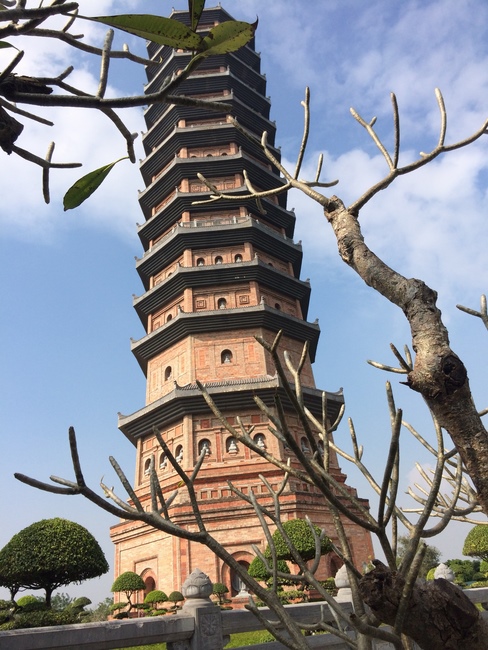
In the afternoon of the same day, the group visited Bai Dinh pagoda, one of the five spiritual tourism populations in Hoa Lu district, Ninh Binh city, which has a large architecture and owns many Asian and Vietnamese records the largest gold-plated bronze Buddha's statue in Asia, the largest bronze statue of Maitreya in Southeast Asia, the longest Arhat's corridor in Asia, the tallest stupa in Southeast Asia ...
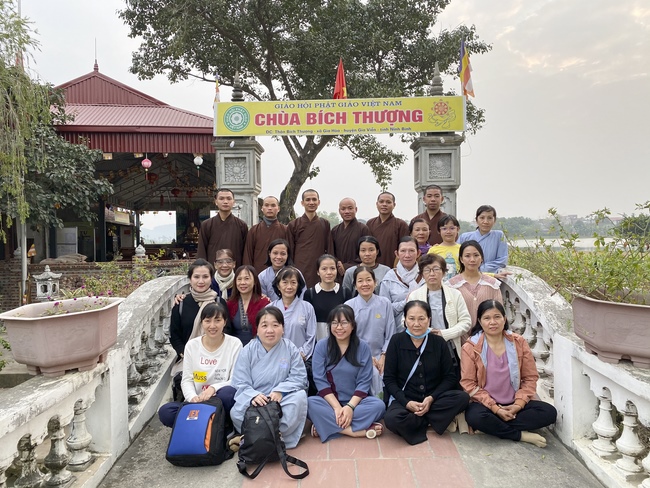
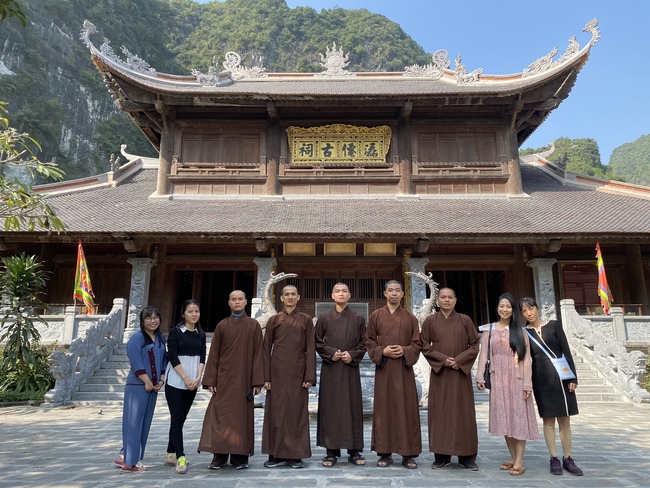
Next, the delegation also visited Bich Thuong pagoda, a branch of Hoang Phap pagoda in Gia Vien district, Ninh Binh province, led by Junior Thich Tam Giai as the abbot.
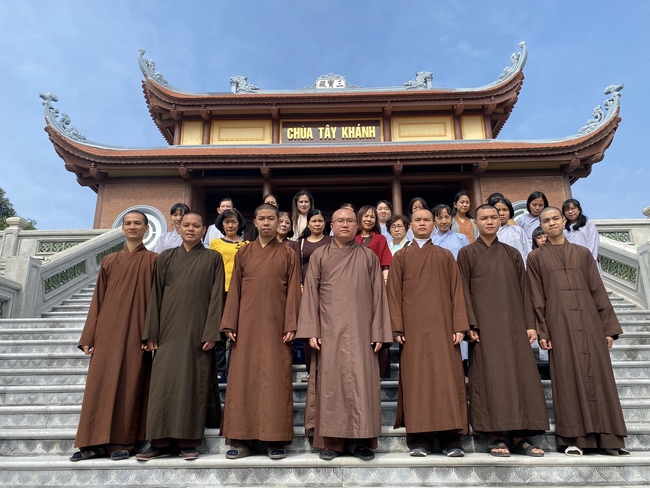
On the fourth day of the pilgrimage, the delegation visited Tay Khanh pagoda in Kien Xuong, Thai Binh managed by Junior Thich Tam Kinh as the abbot. This is the hometown Late Most Ven Ngo Chan Tu, the Founder of Hoang Phap Pagoda in HCM City.
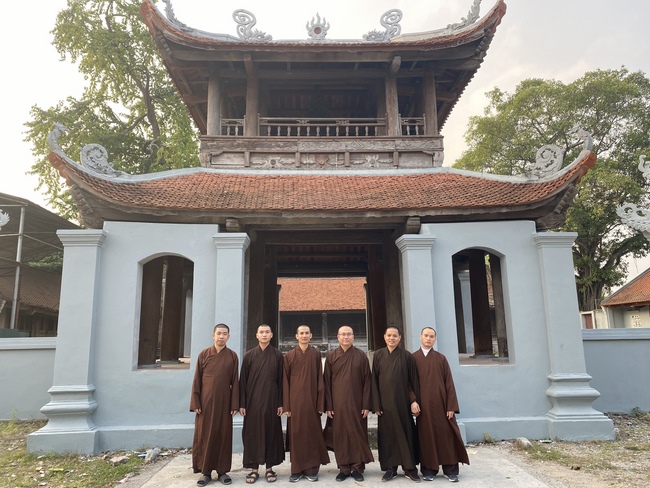
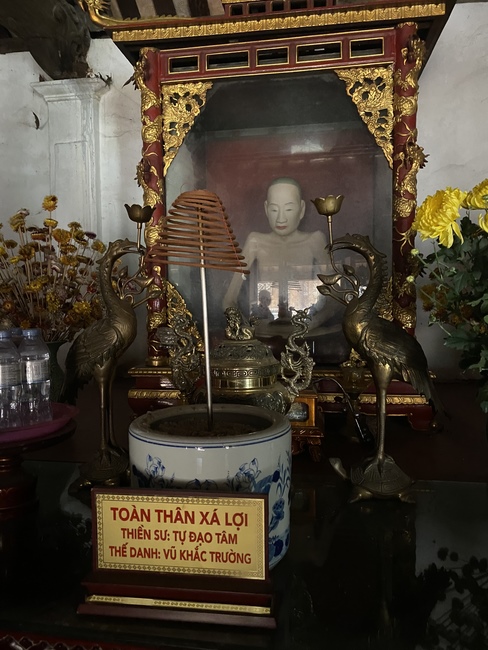
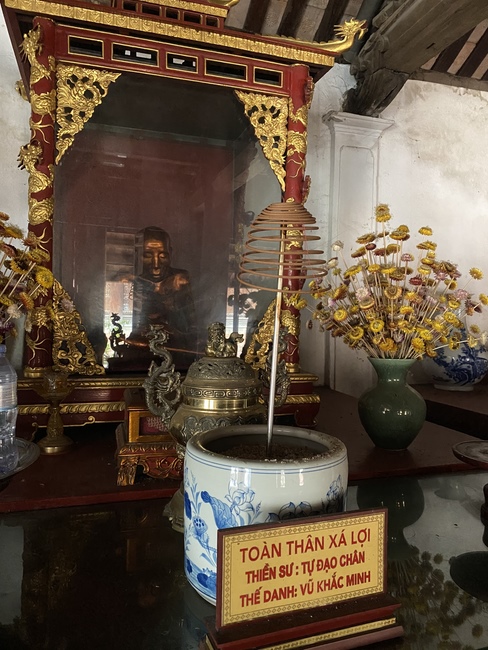
After that, the group moved to Dau pagoda in Gia Phuc village, Thuong Tin, Hanoi city. This is a temple built in the architecture of the Ly Dynasty, where two Zen monks Vu Khac Minh and Vu Khac Truong are worshiped and put in two small temples behind the pagoda. After passing away, two monks left their indestructible bodies. This place not only has the ancient beauty of Vietnamese architecture, but also has a lot of spiritual values in terms of practice.
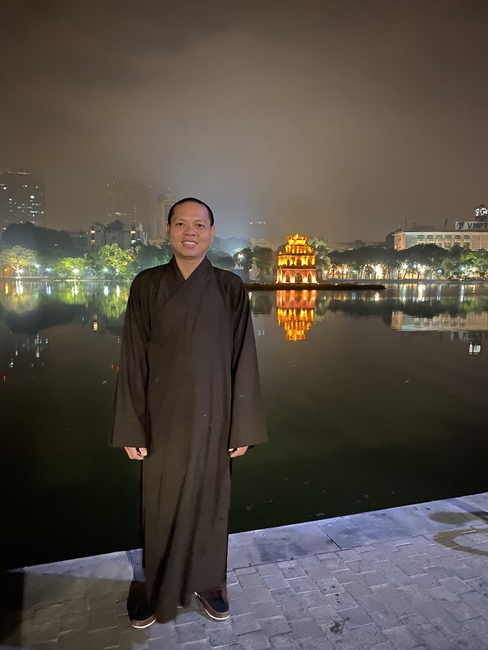
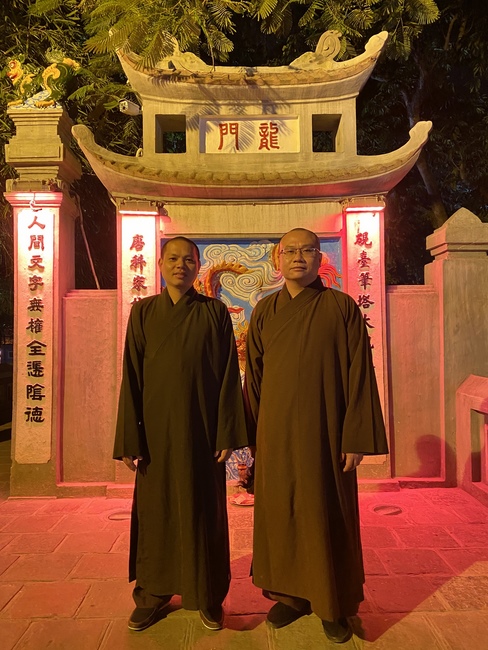
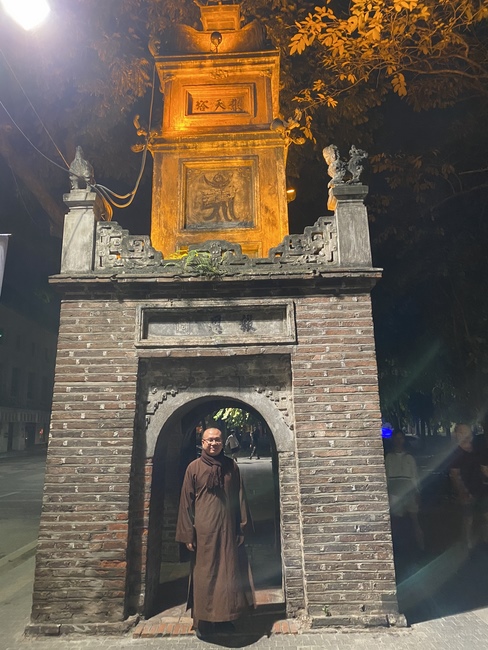
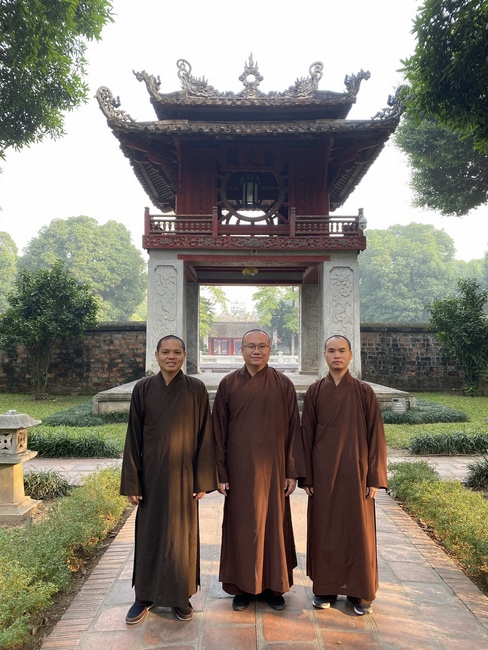
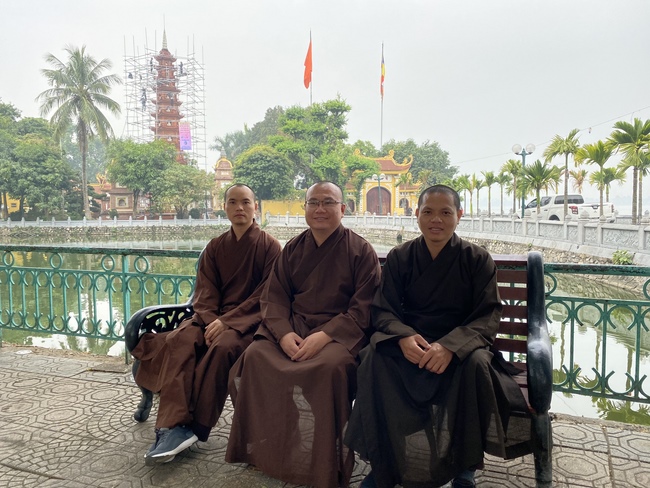
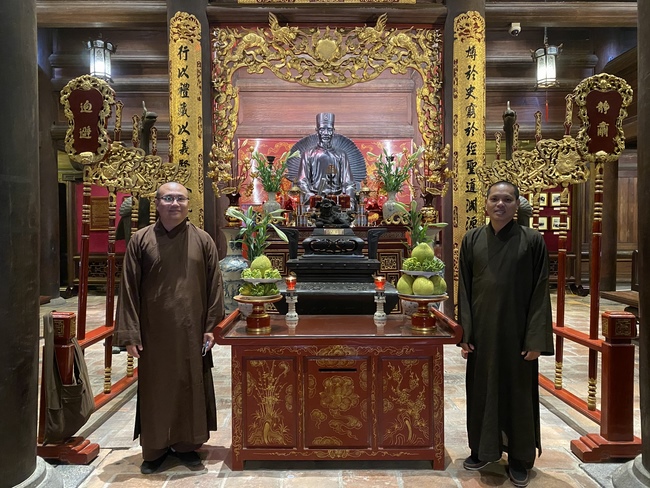
The last day of the trip, the group continued to visit some typical places of the capital such as Van Mieu Quoc Tu Giam, Tran Quoc Pagoda, One Pillar Pagoda, Hoan Kiem Lake, Bach Ma Temple, Quan Thanh Temple, ...
After that, the group moved to Thay Pagoda in Quoc Oai, Hanoi. The pagoda was built in the Dinh dynasty. It used to be the practice place of Zen Master Tu Dao Hanh, at that time, Thay mountain was also called Phat Tich mountain. Thay Pagoda is also one of the most famous temples in Hanoi. At first, Thay pagoda was a small temple called Huong Hai, where Zen monk Tu Dao Hanh abides. King Ly Nhan Tong rebuilt two clusters of pagodas: Cao pagoda (Dinh Son pagoda) on the mountain and Duoi pagoda (Ca pagoda, or Thien Phuc pagoda). In the 17th century, Dinh Quan Cong and the royal family took care of the restoration and construction of main hall, holy hall, the Founder's House, the stele house, the steeple ...
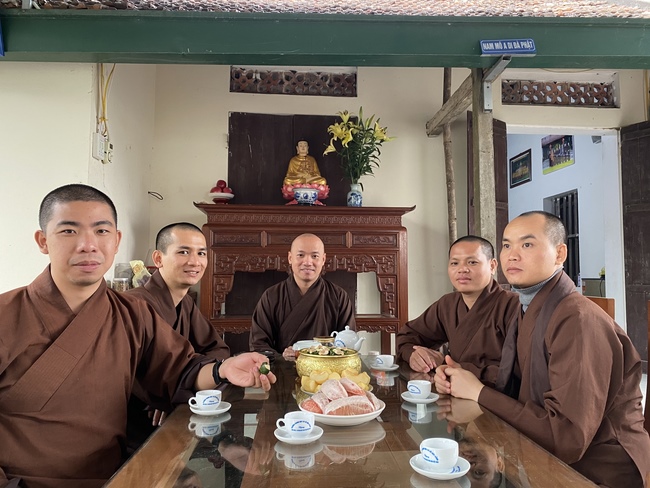
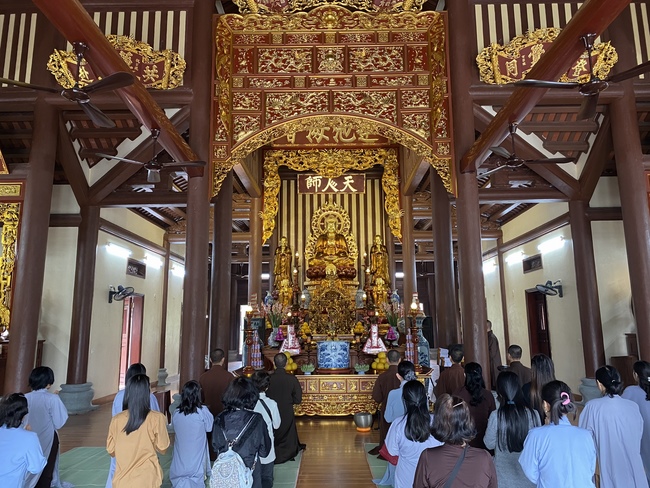
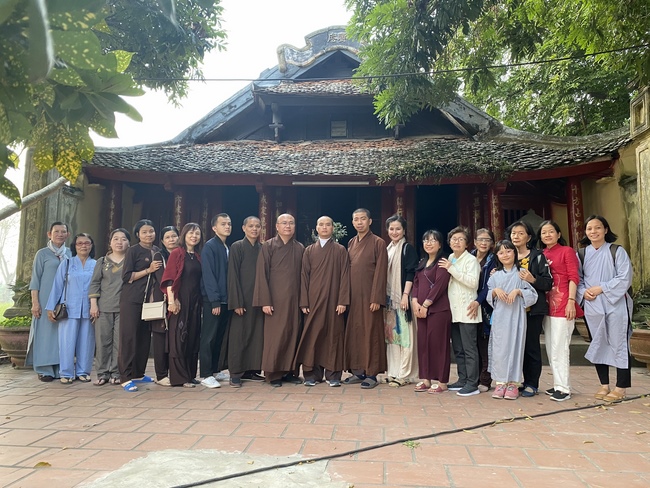
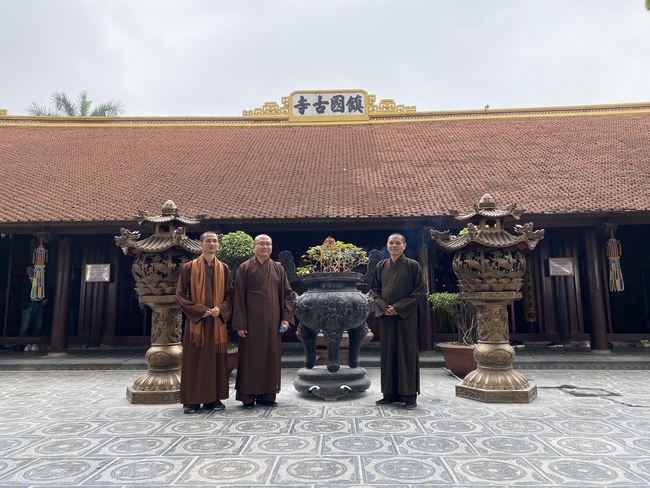
The final destination of the delegation is Hoa Phuc pagoda in Quoc Oai, Hanoi, led by Junior Thich Tam Hoa as the abbot. This is a branch belonging to Hoang Phap Pagoda in the North. At here, Junior Abbot Ven welcomed the delegation in joy and intimates with the brotherhood of Hoang Phap Pagoda.
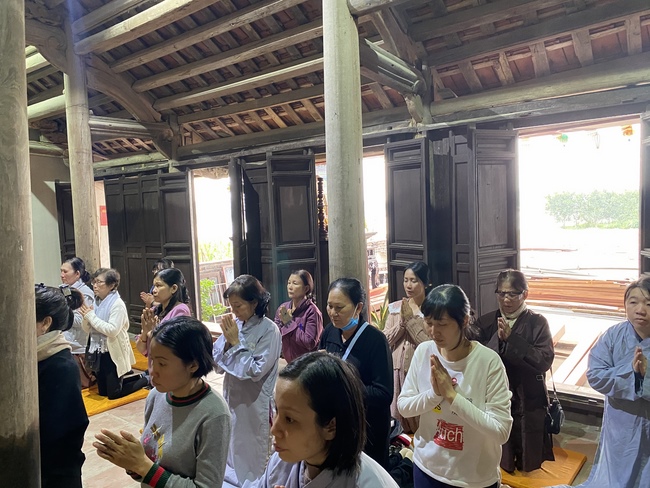
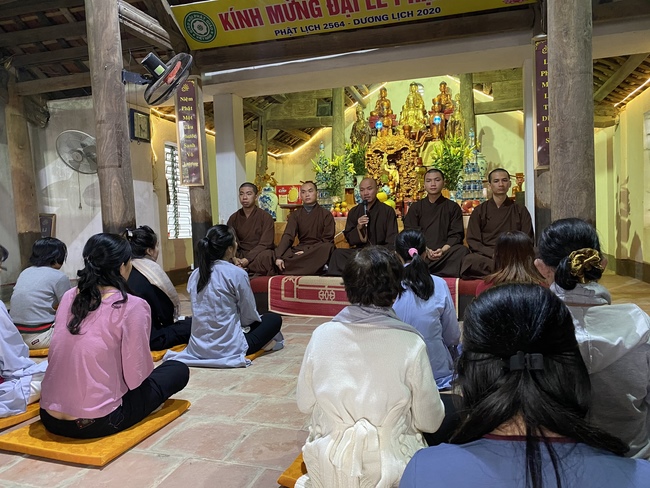
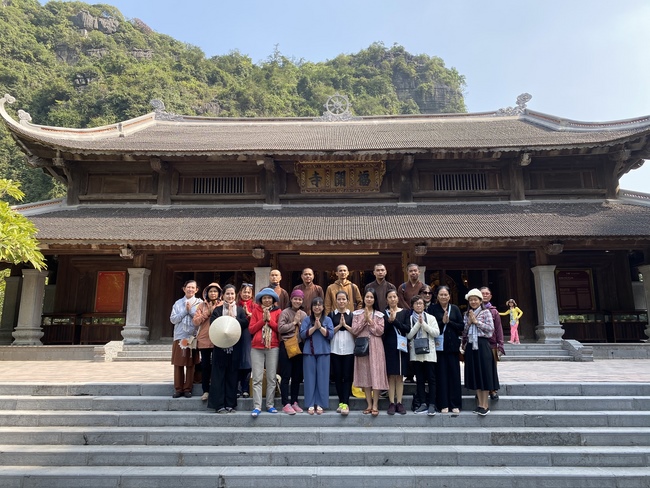
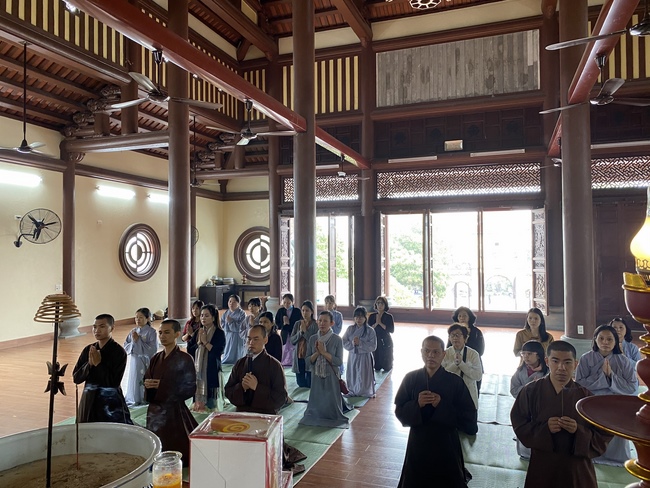
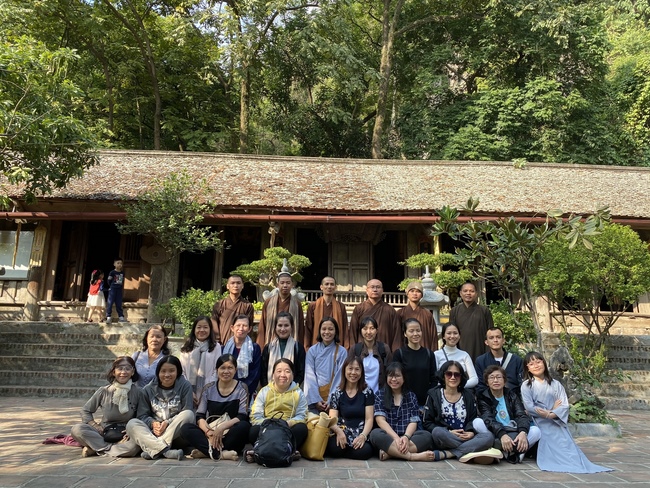
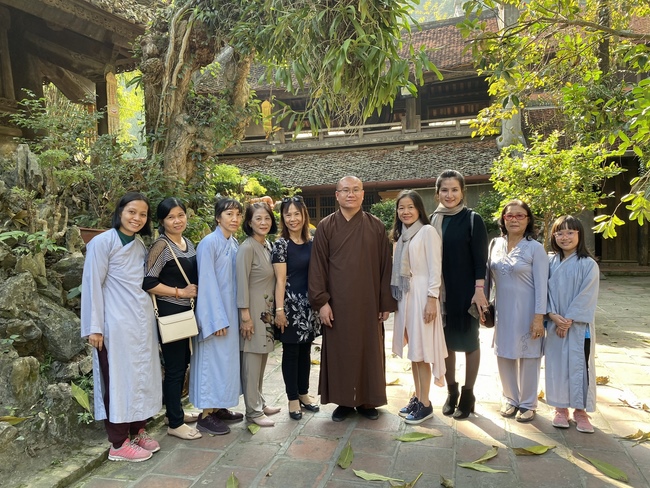
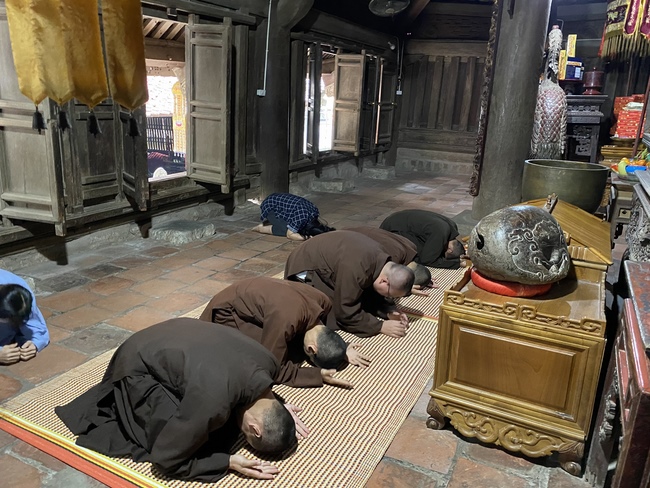
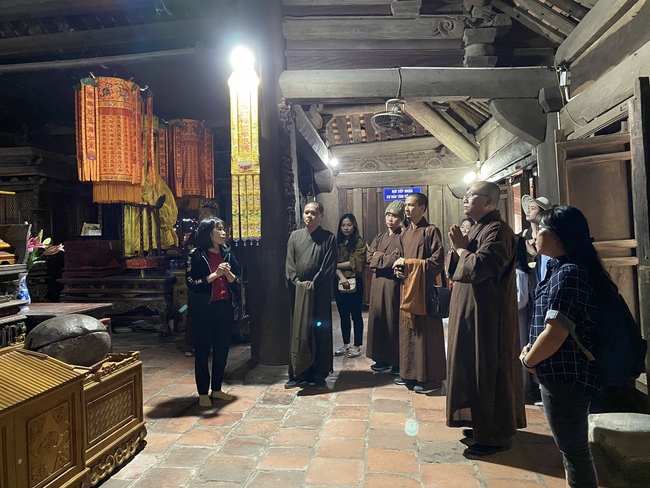
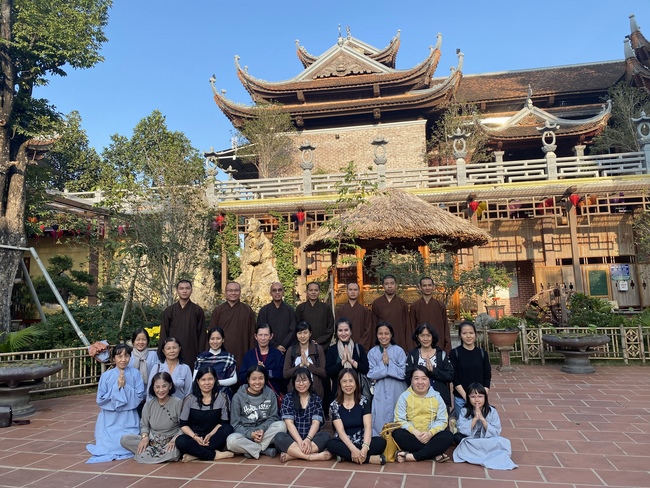
The pilgrimage to spiritual sites in the North ended in joy of the participants. On this trip, the group admired many beautiful landscapes, worshiped many great pagodas, thereby helping practitioners to understand more deeply about the long stages of the national history and accompanying it is the history of Vietnamese Buddhism. Since then, each of the Buddha's disciples followed the example of the ancient people to progress more on the spiritual path.
Some images recorded: