
Monday, 10/26/2026
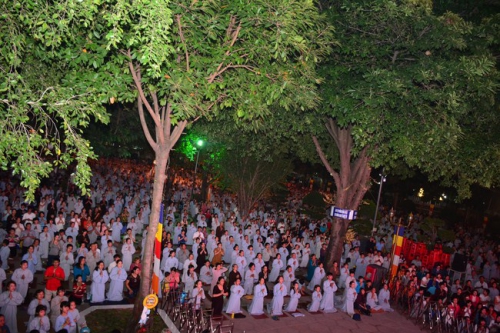
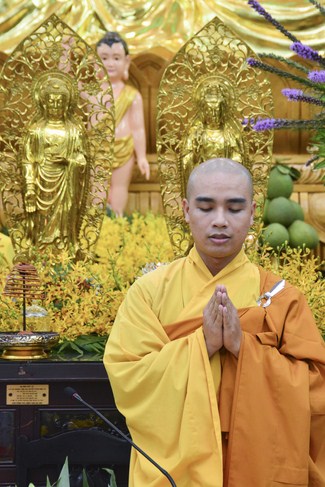
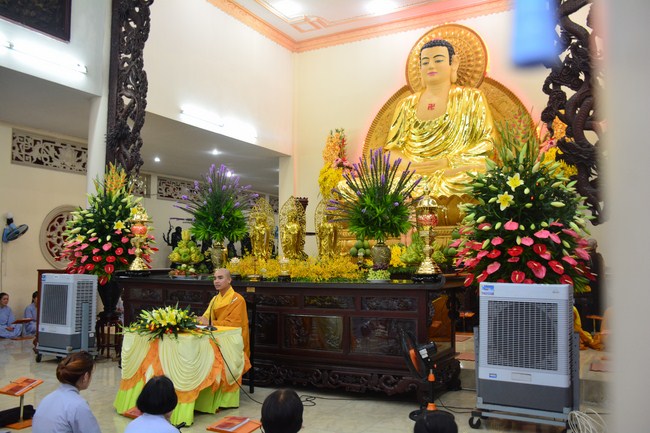
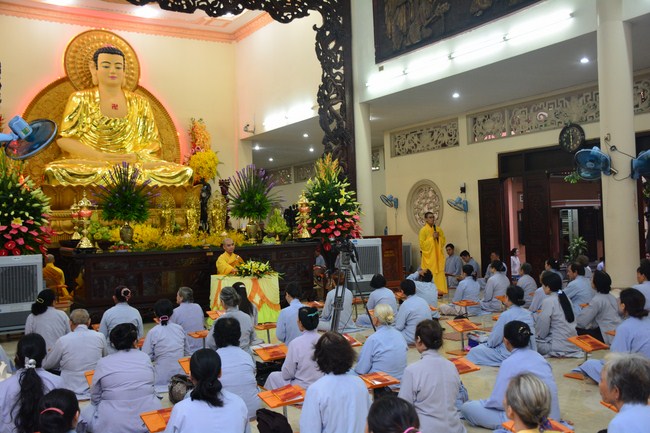
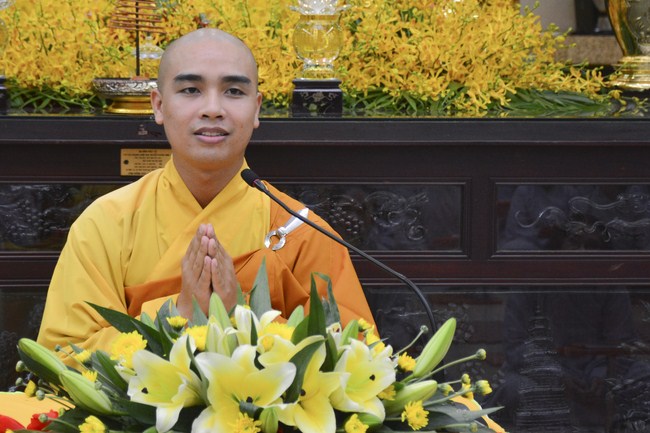
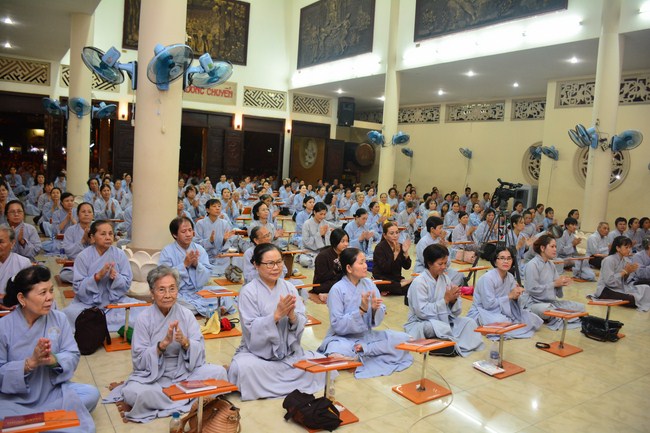
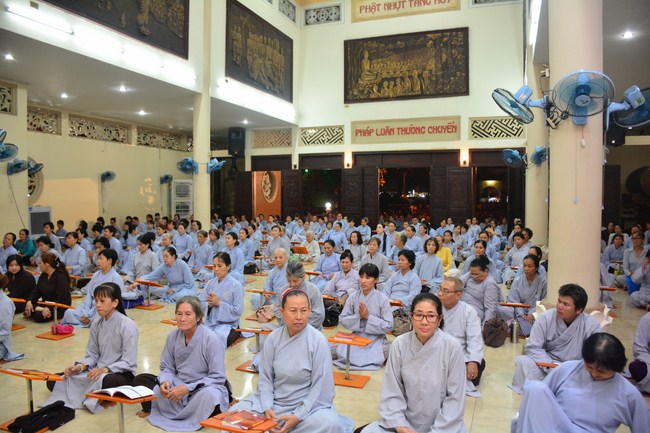
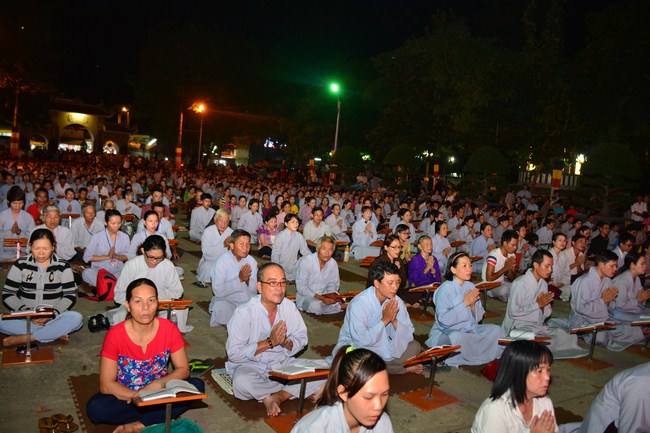
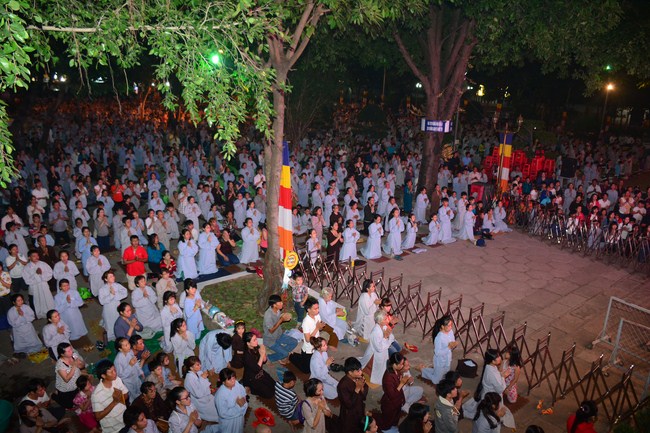
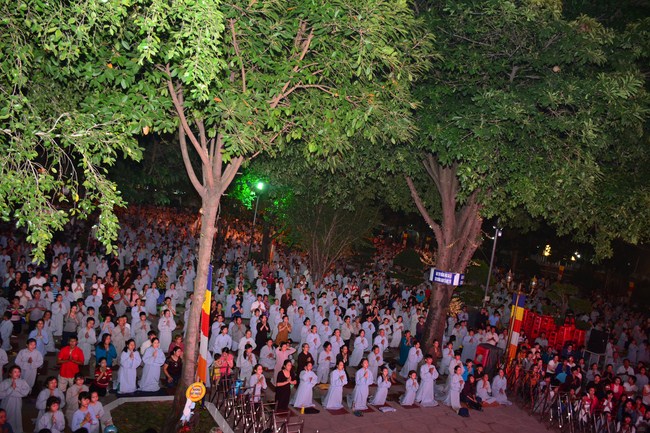
During this session, the monk Thich Tam Luyen of Hoang Phap pagoda had a Dharma talk before the main course.
From past to present, filial piety is something not only for Buddhists but it is also for a sacred duty for all mankind. Filial piety is considered to be the loftiest sacred one of all human emotion. Filial piety reflects a cultural and moral life and human perceptual ways. One special thing is that filial piety is gradually getting lost and not paid so much attention as before.
During his preach, the Venerable showed the mass why it is essential to honor their parents. This is clearly stated in the Ullumbana Sutra of Filial Piety, so He indicated three aspects:
1. In terms of hardship during pregnancy and birth-giving
2. In terms of children education
3. In terms of career guidance for children
Later, he presented five aspects for us to fulfill our filial duty:
1. Filial piety in terms of materials
2. Filial piety in terms of spiritual life and live right to the Buddhist teachings
3. Guide parents to Dharma when they are ignorant of Dharma
4. Protect and legacy assets
5. Get the parental funerals wholly and righteously held
Above are the important factors to fulfill a person’s filial piety. In fact, filial piety is not only meaningful in terms of culture and morality but also education. Those who are trying to fulfill filial piety to their ancestors deserve to become great examples for the next generations to follow, which is a national precious tradition called “When you drink water, think of the source from which that water flowsâ€. The Buddha once taught that filial piety is a good cause, a sages’ virtue, “I remember in many past incarnations, due to the merit of fulfilling filial piety by honoring their parents, they became Gods up in layers of heavens and Kings down to earth†(according to Hien Ngu Sutra).
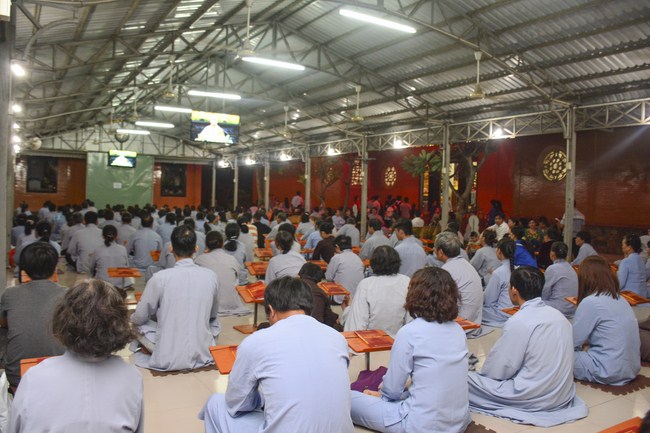
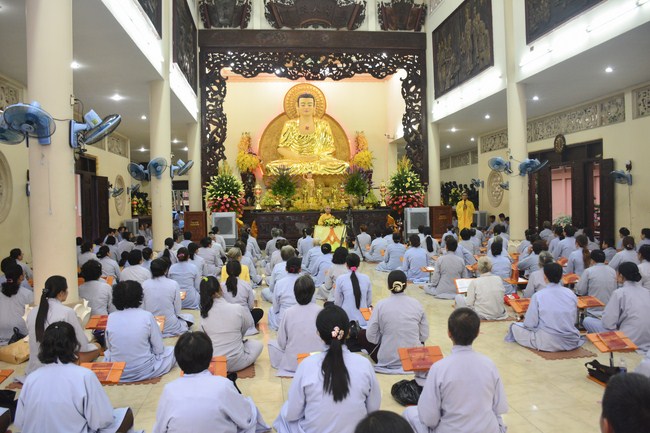
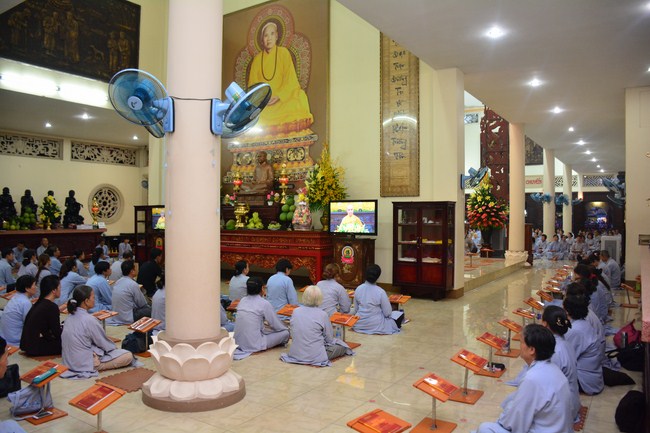
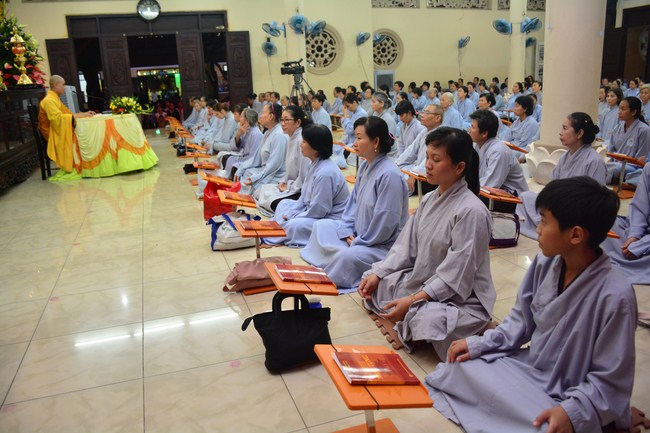
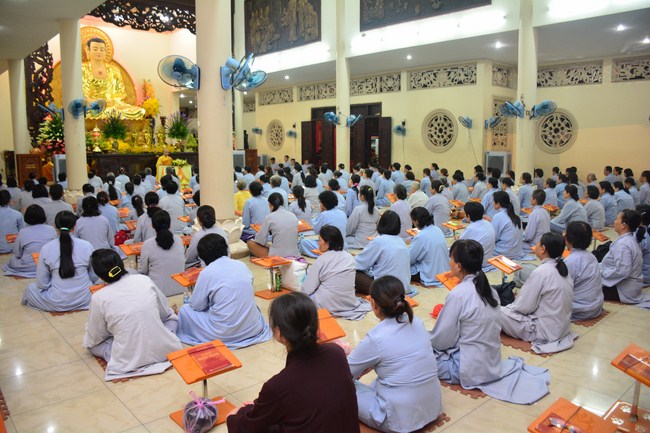
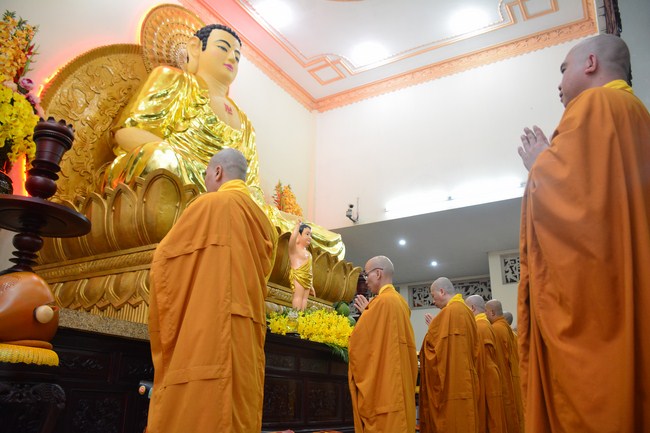
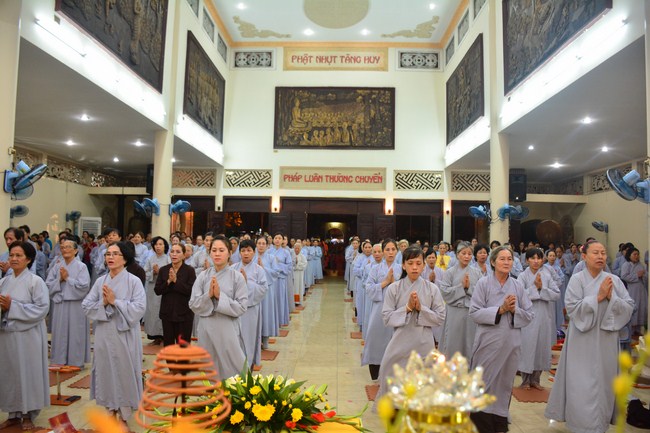
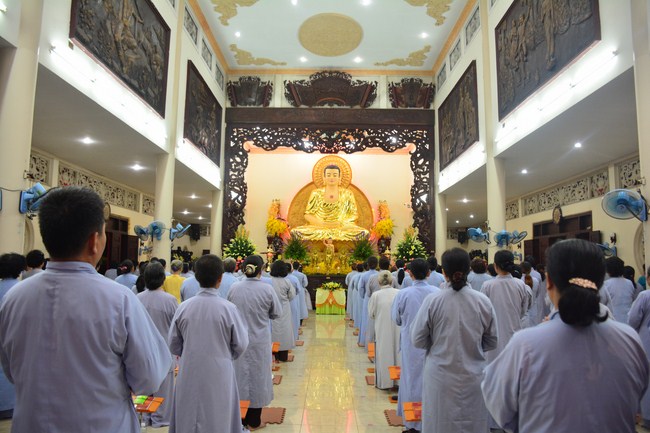
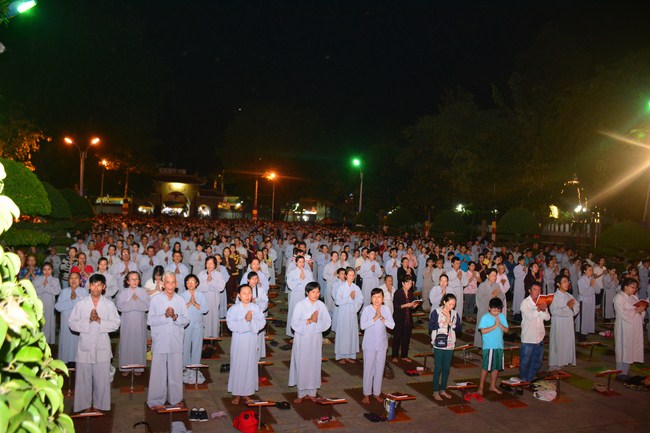
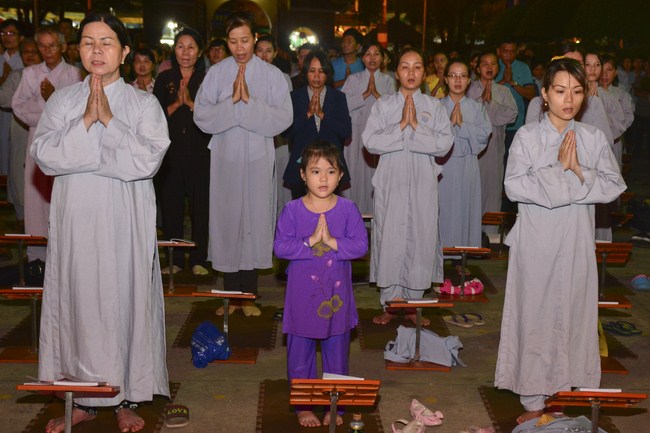
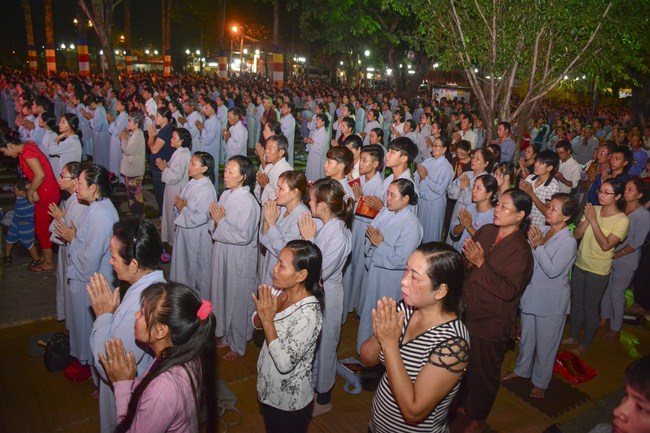
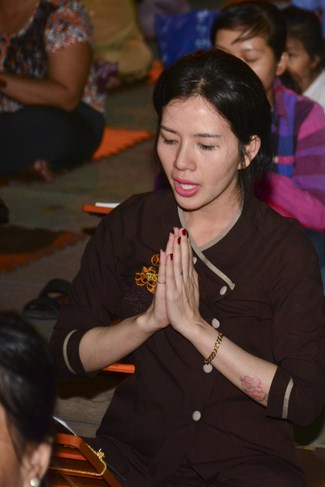
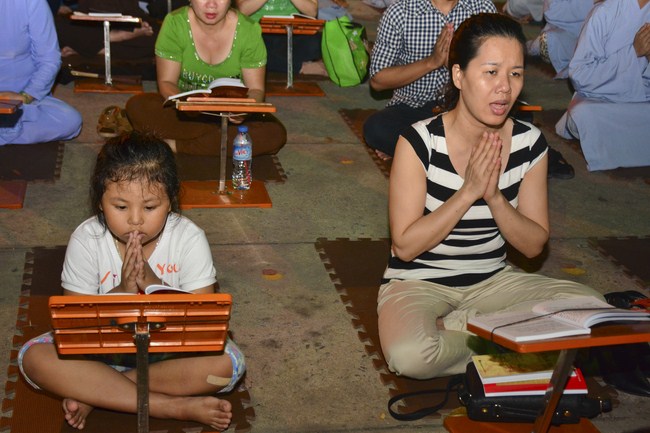
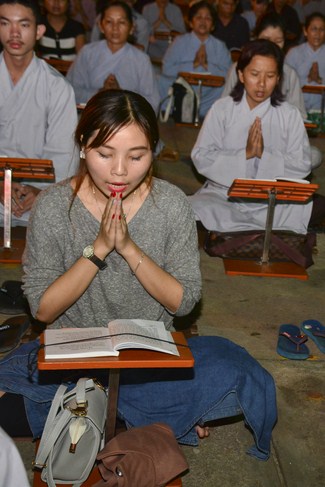
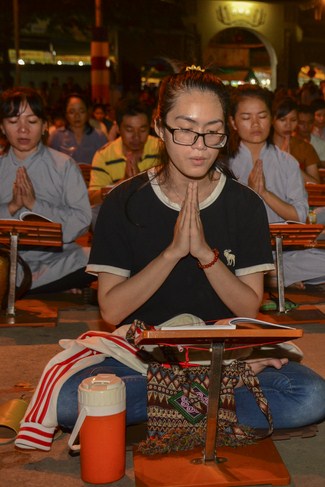
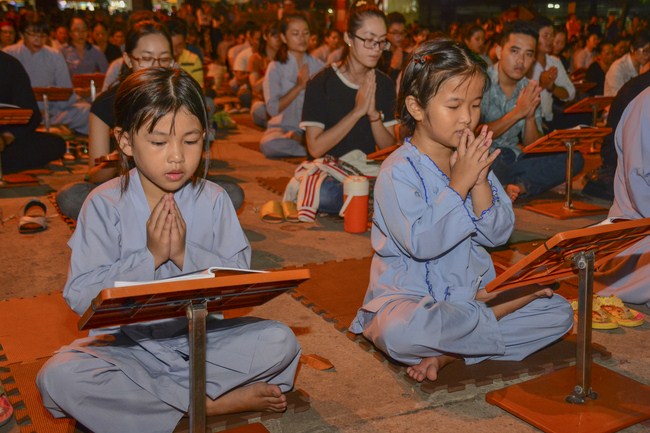
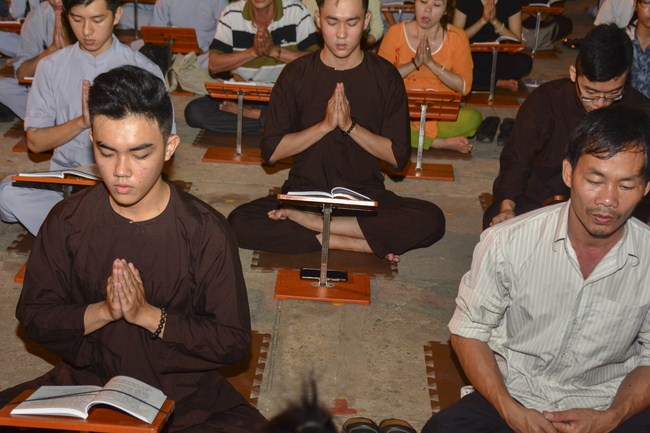
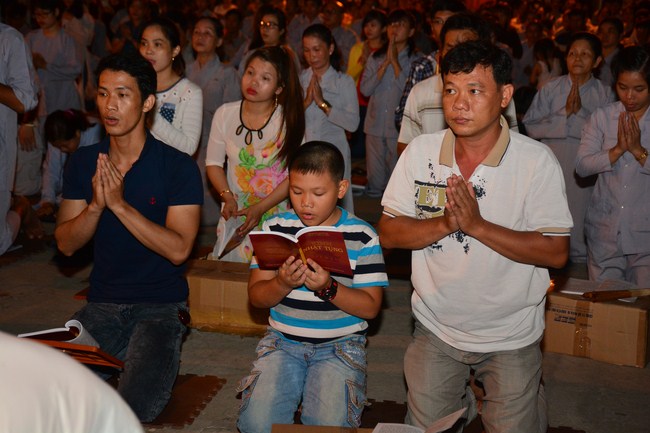
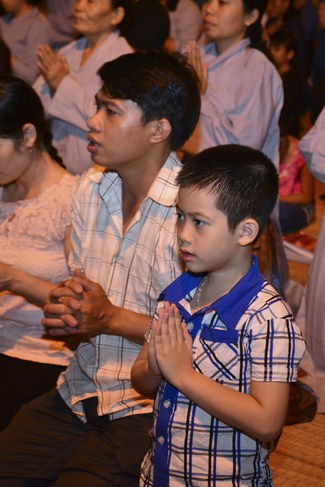
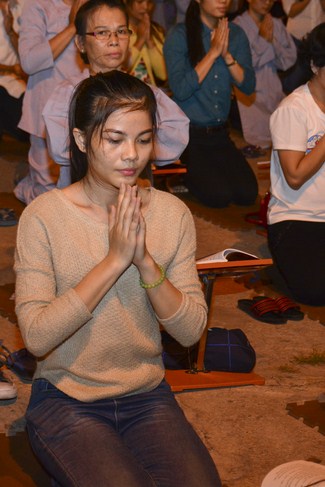
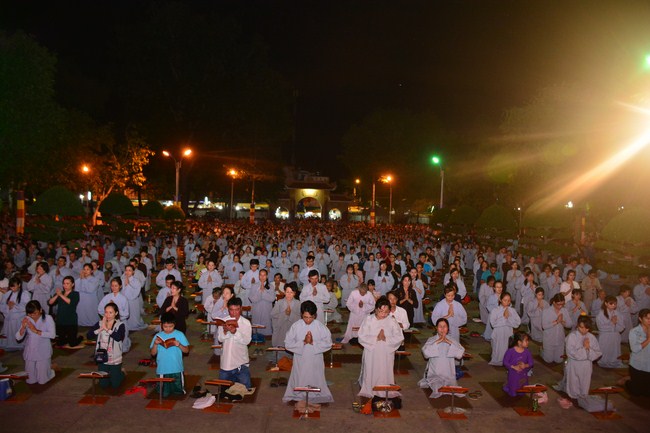
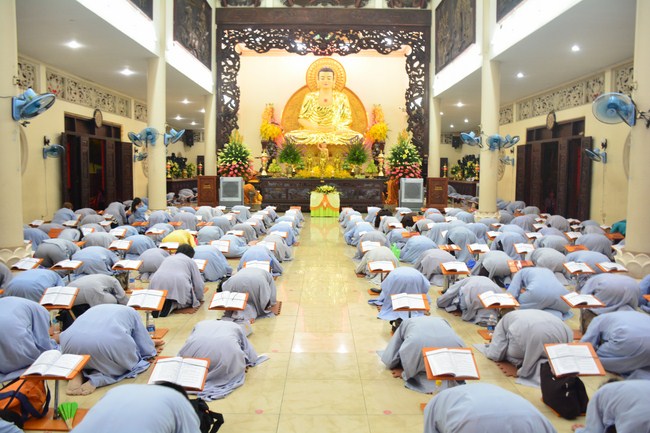
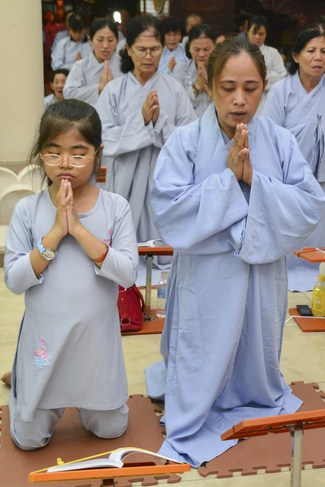
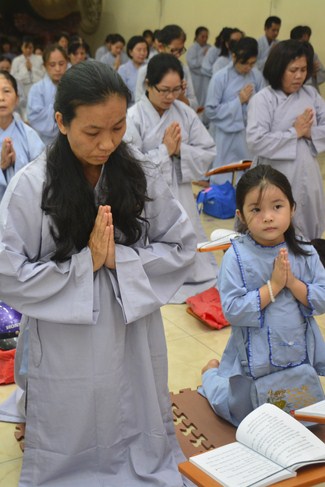
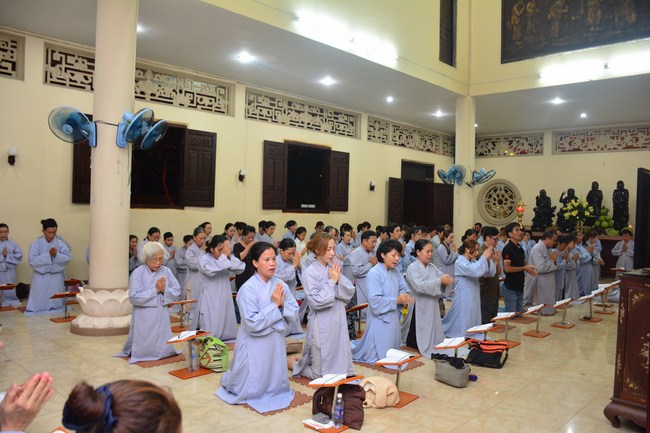
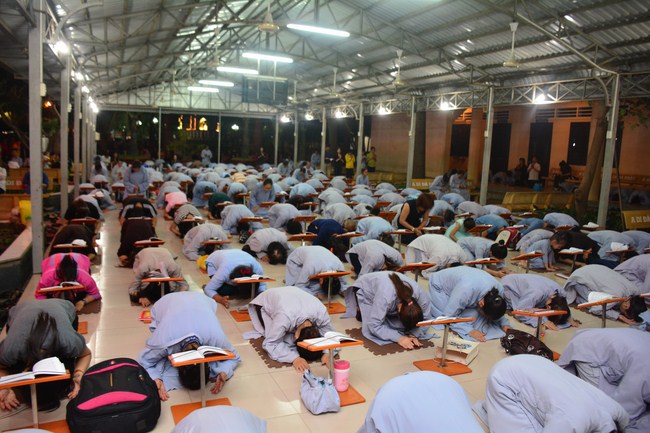
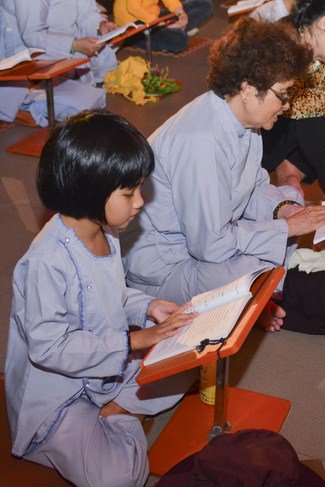
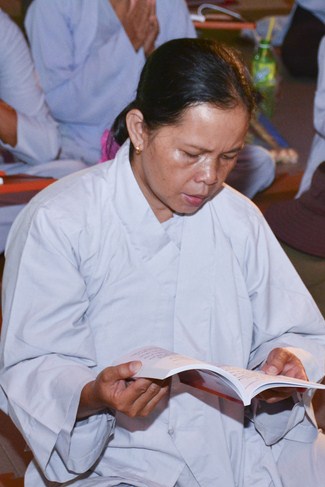
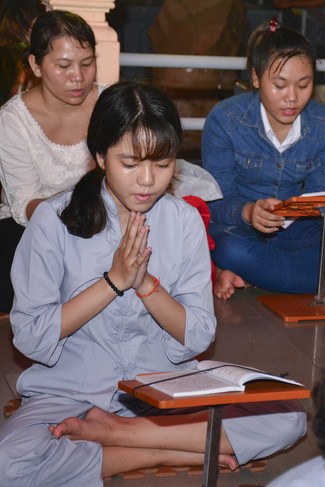
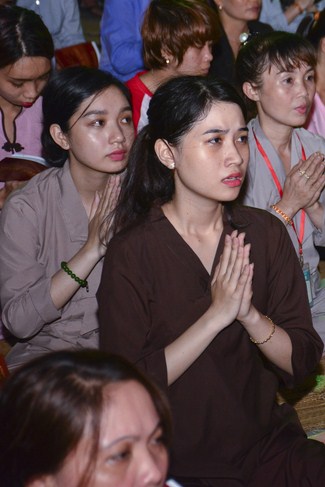
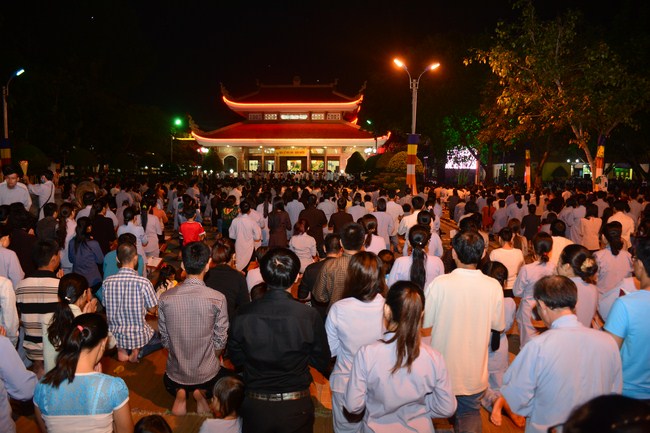
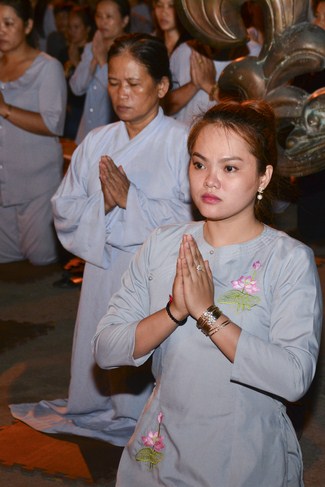
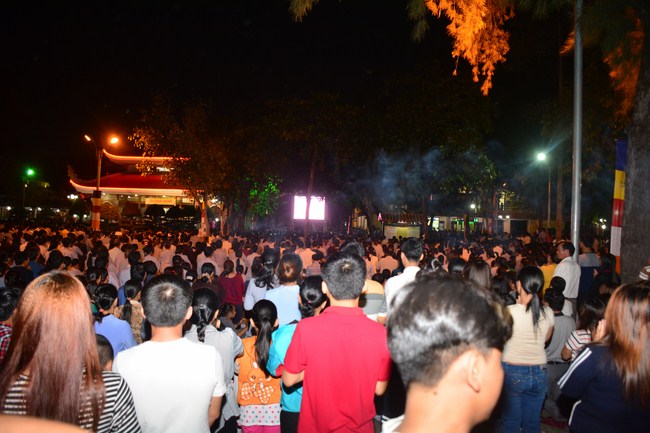
After the preaching, the mass all entered the penitence ceremony and chant the Buddhist Commandments as usual.
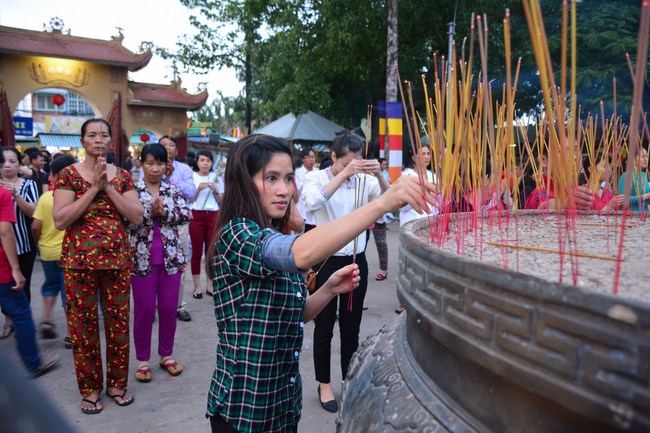
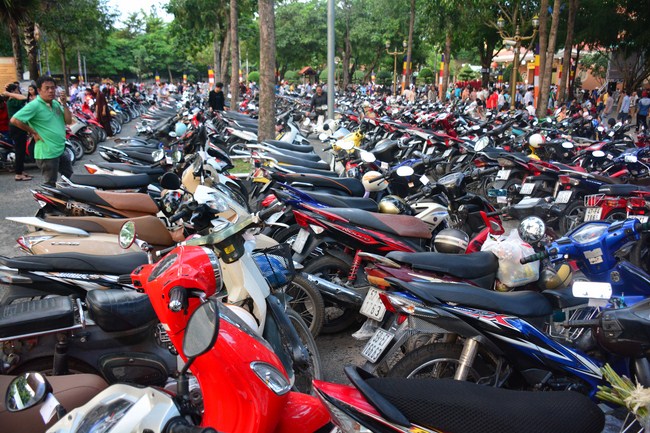
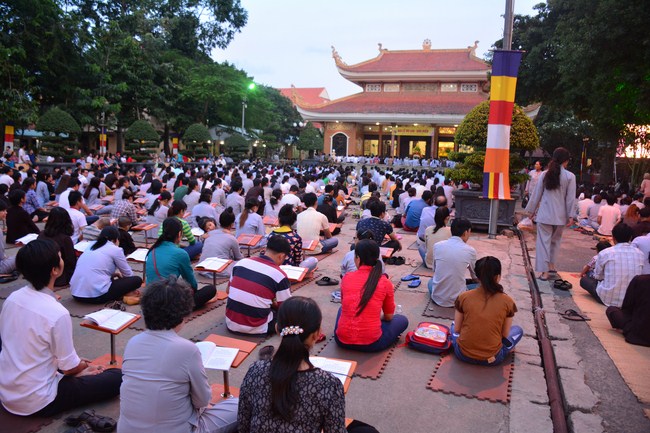
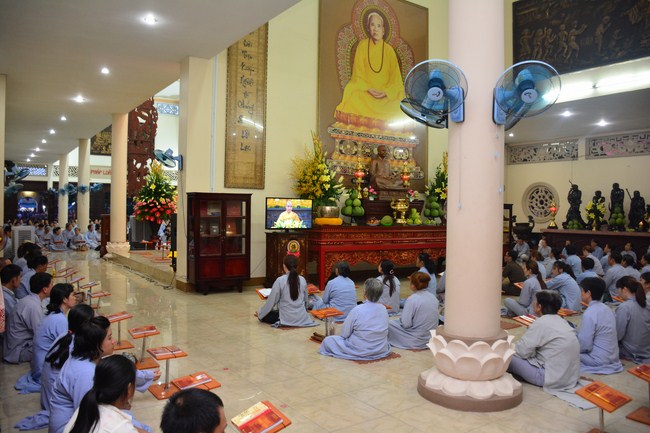
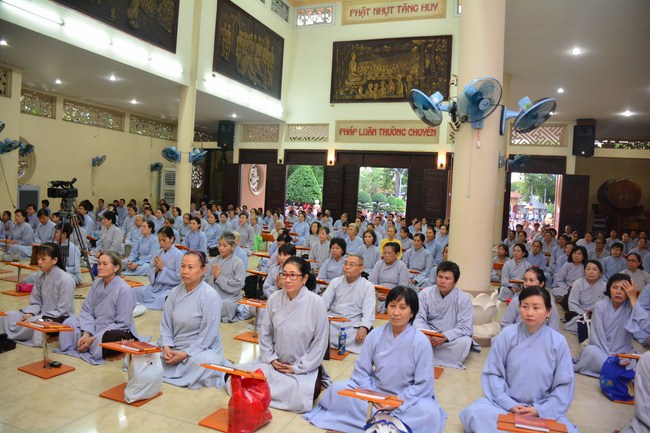
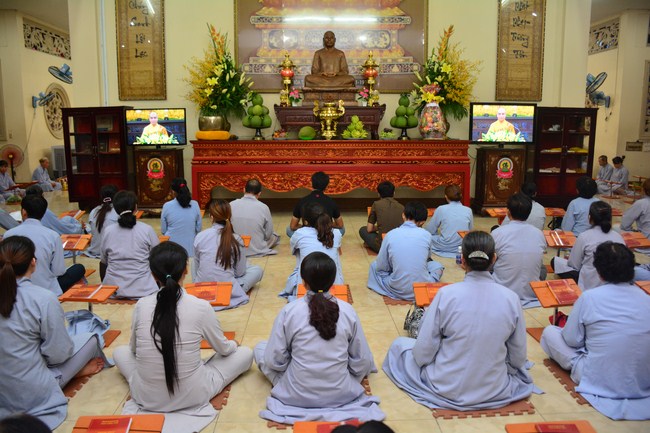
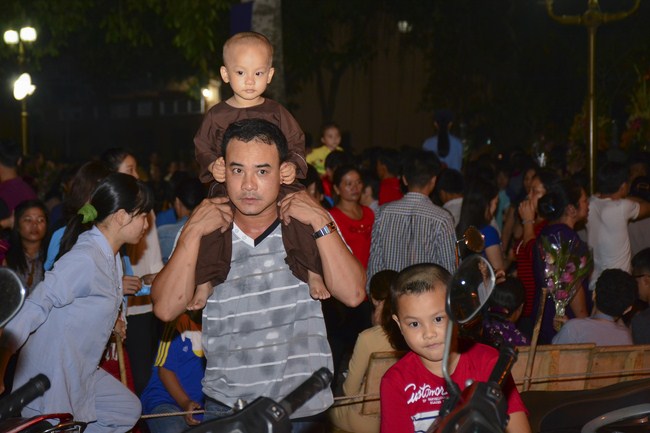
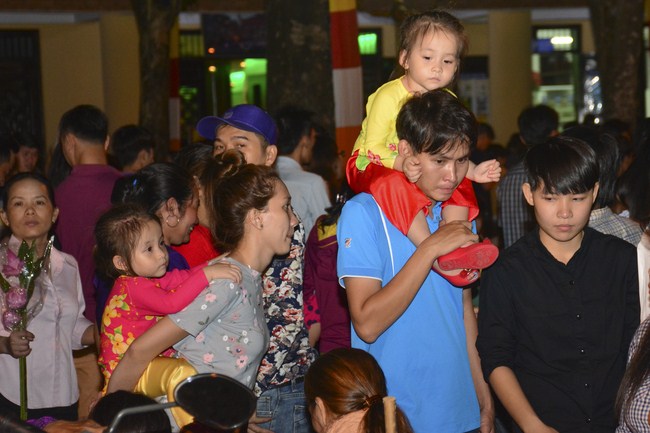
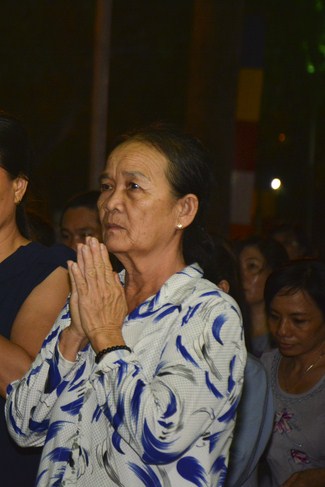
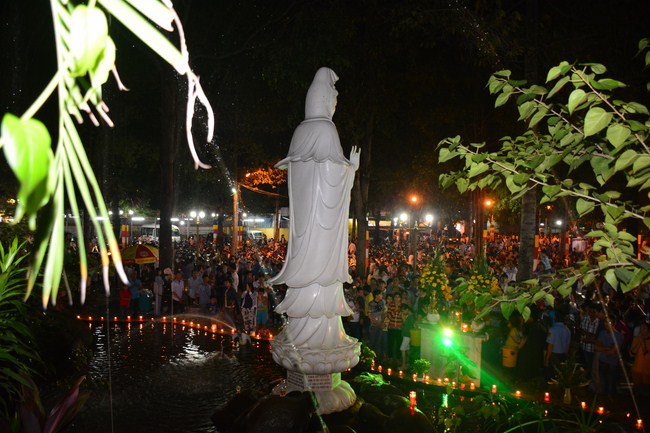
Below are the taken photographs:
Translated into English by Nguyen Minh Thuy Tien