
Wednesday, 10/21/2026
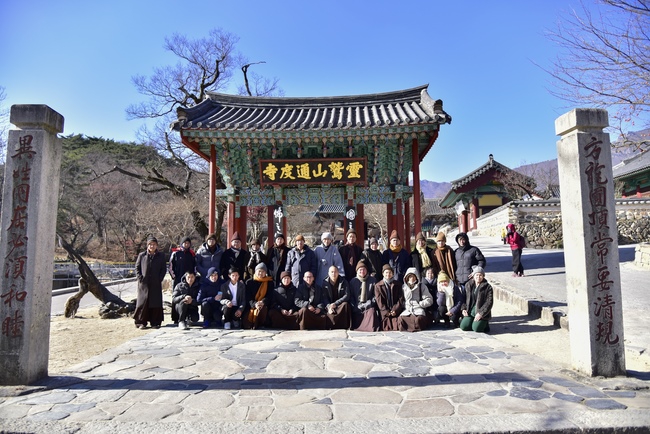
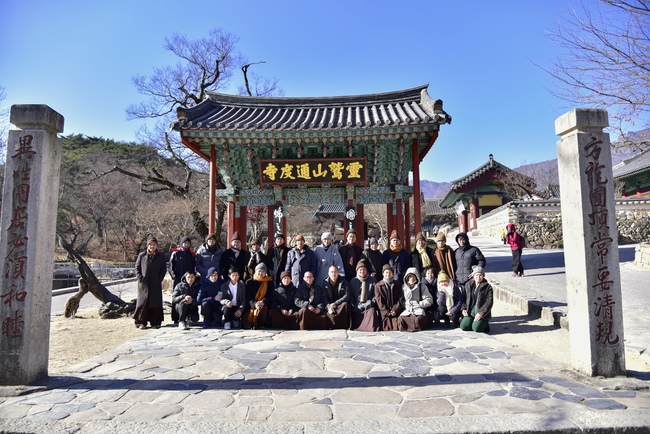
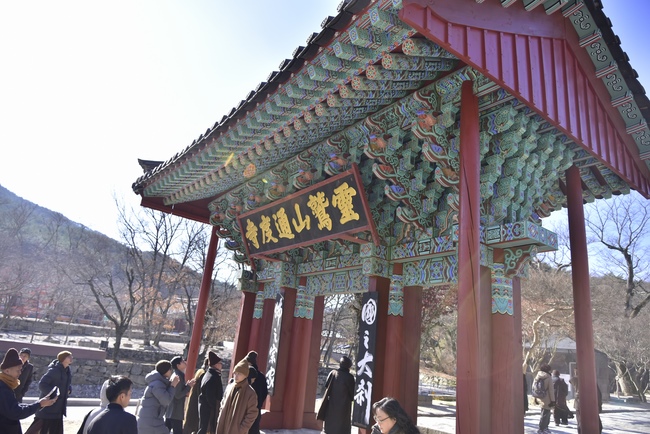
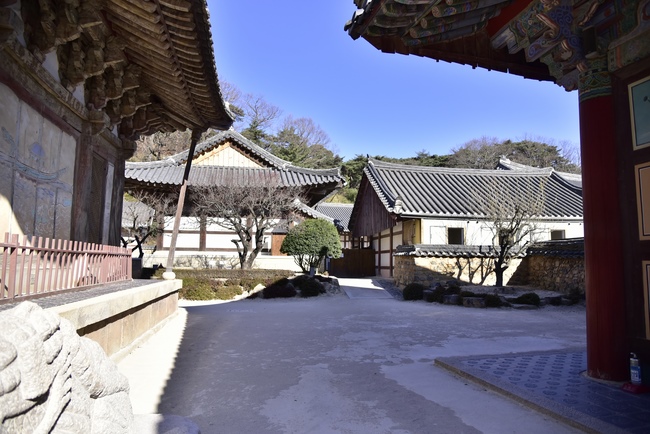
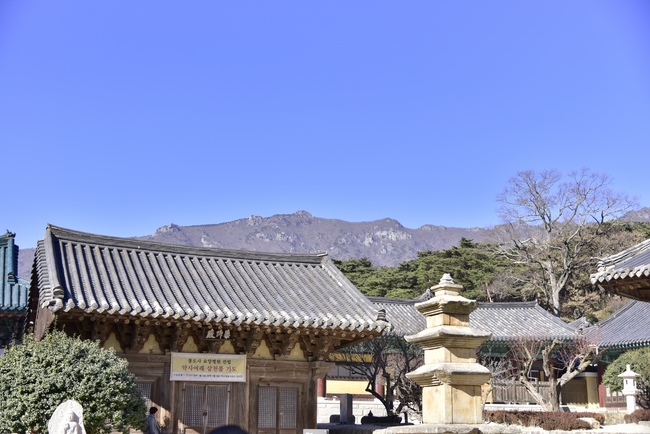
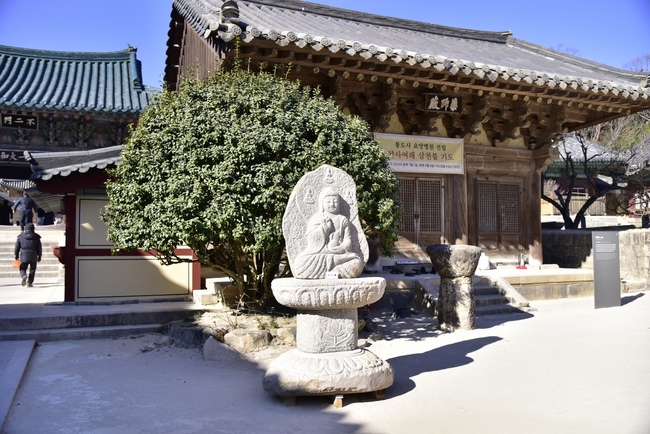
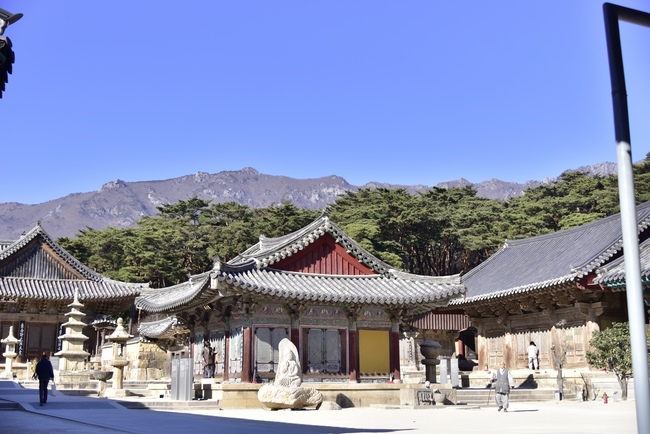
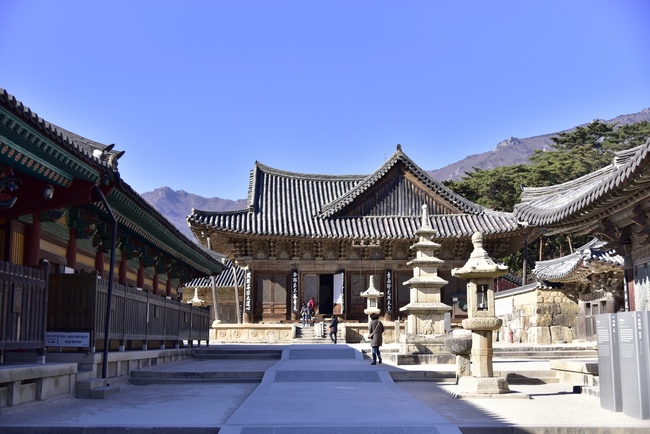
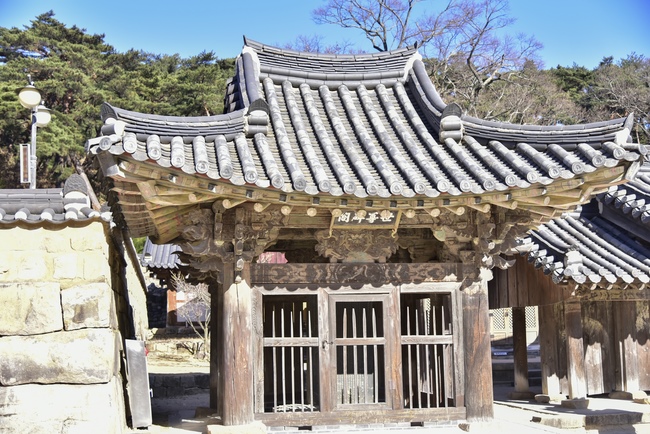
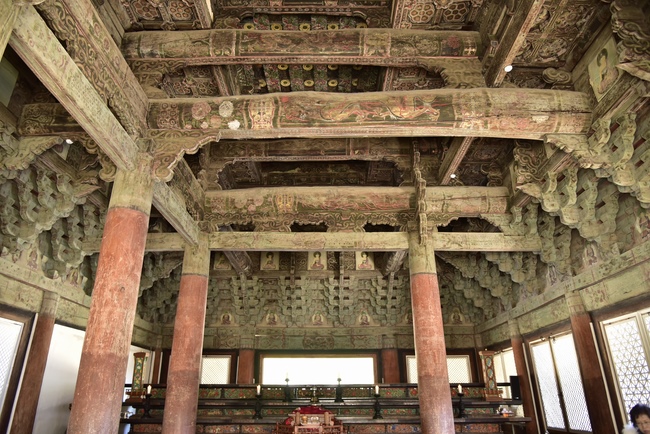
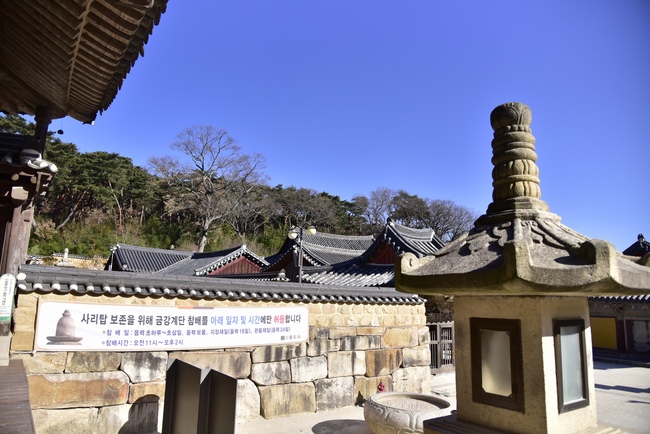
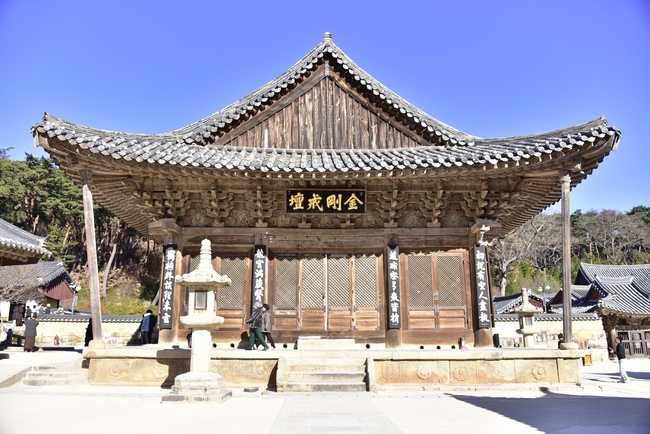
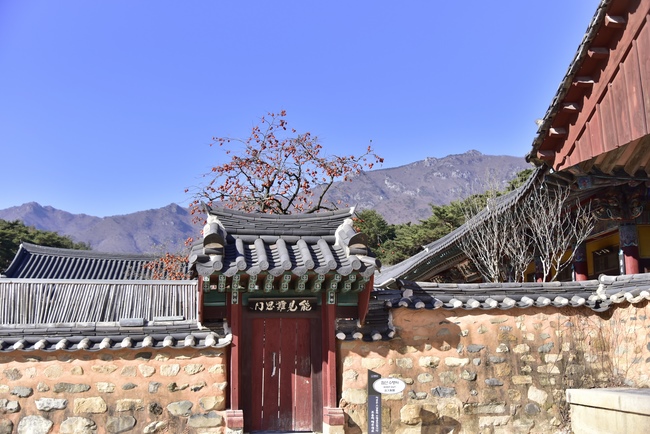
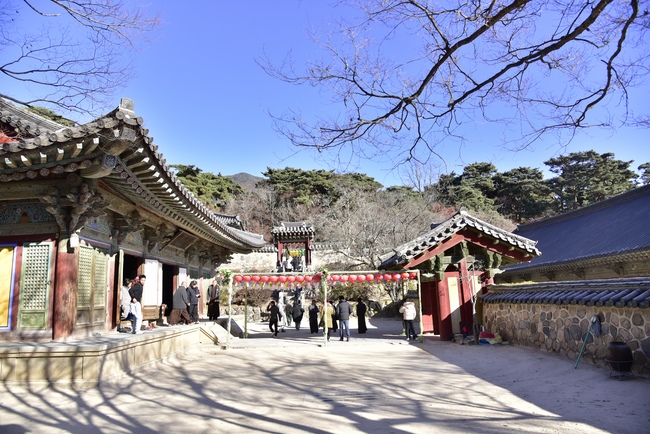
Thongdo-sa pagoda is located on Yang Mountain, South Gyeongsang Province. This is one of five temples preserving relics and being called jeokmyeonbogung. From Korean point of view, this is the center of faith where people can enjoy eternal peace. Particularly, this temple has relics in stupas instead of Buddha statues. Pagoda represents to Buddha, one in Three Jewels (Triratna).
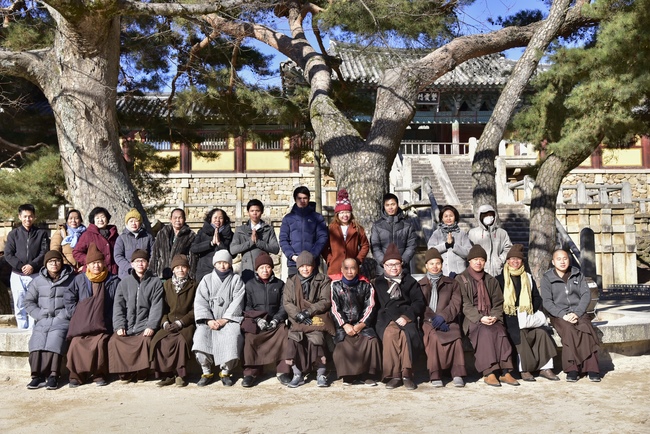
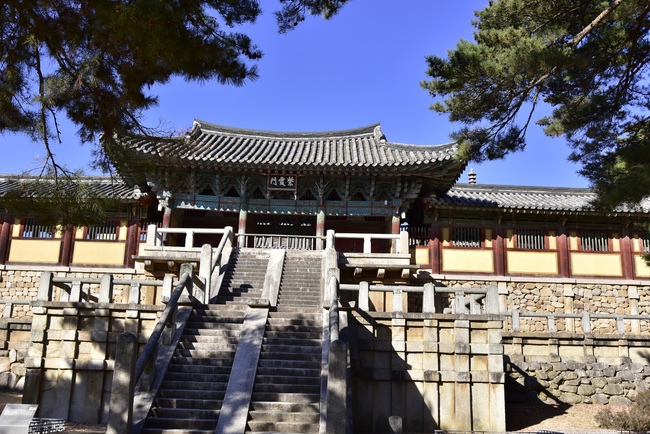
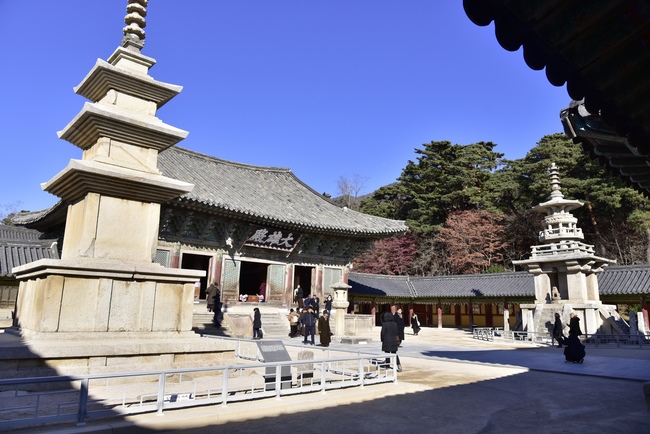
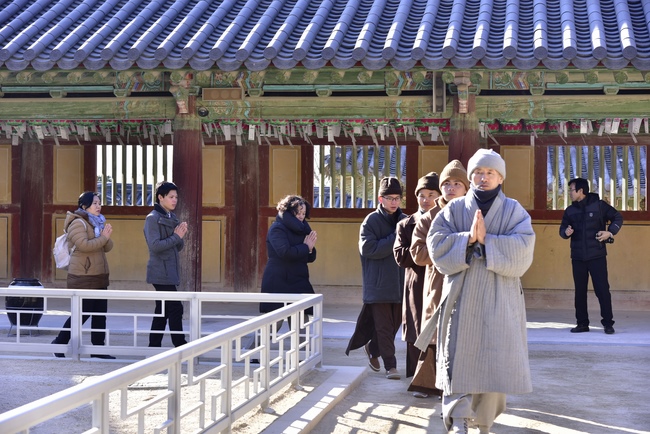
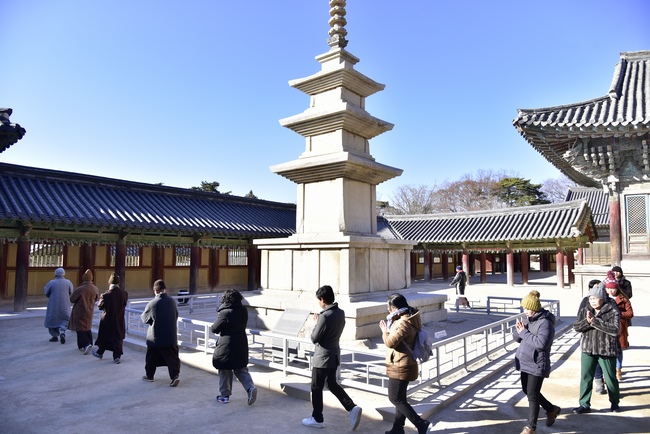
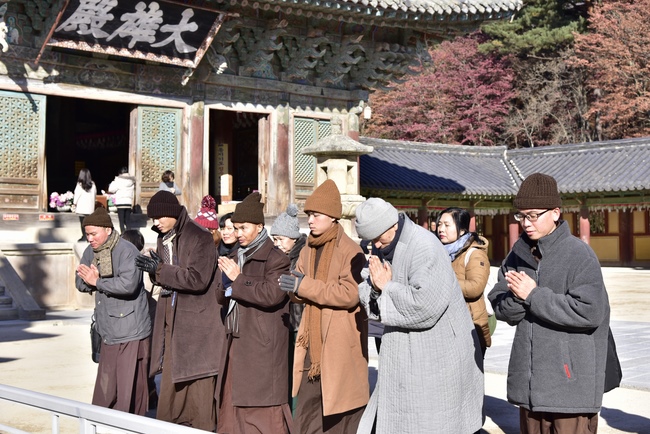
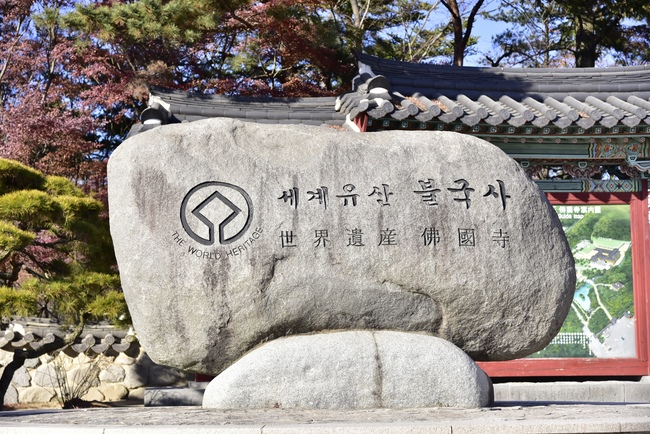
The next stop of the delegation was Bulguk-sa pagoda in North Gyeongsang Province. This temple has seven national treasures including stone stupas and golden Buddha statue. The curves and details of these stone works look soft and lively as if they were made by plaster. They have been built since the time of Sila Dynasty. In 1995, the pagoda was recognized by UNESCO as World Cultural Heritage.
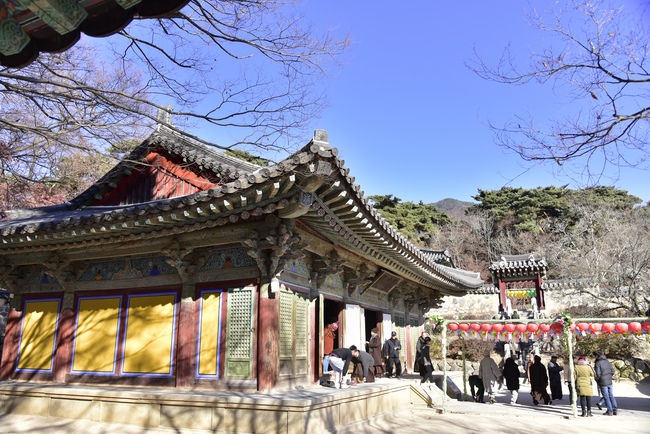
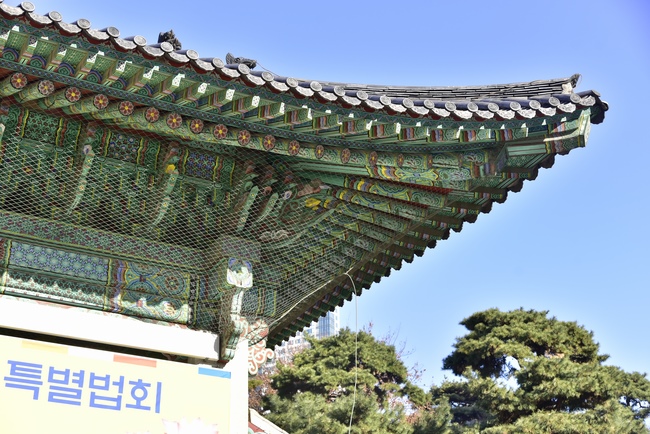
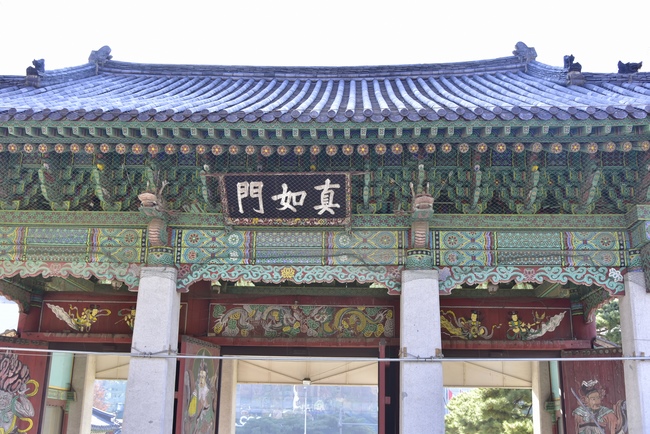
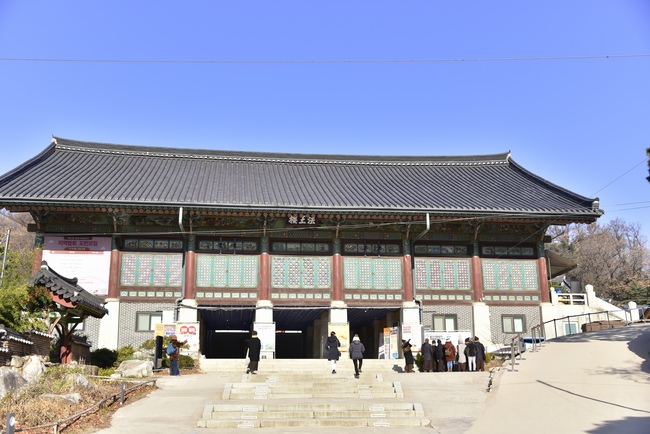
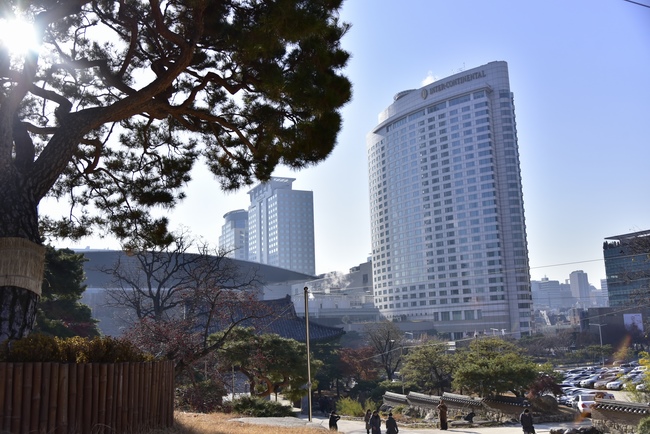
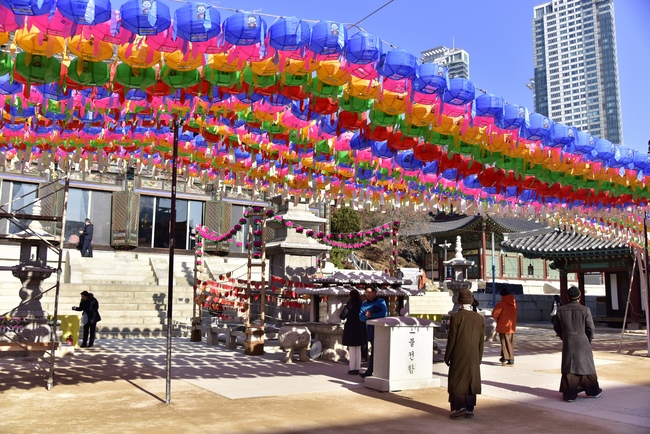
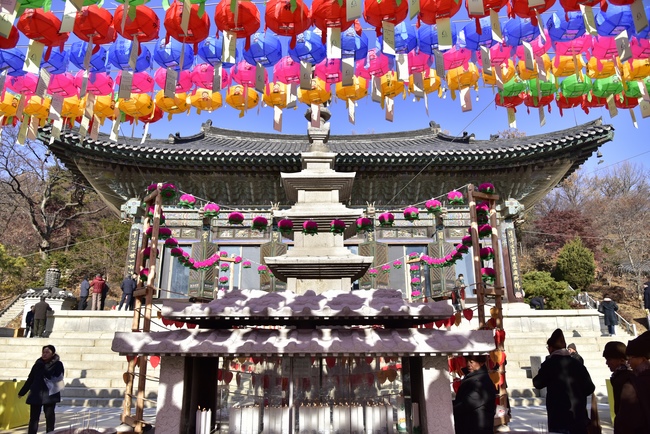
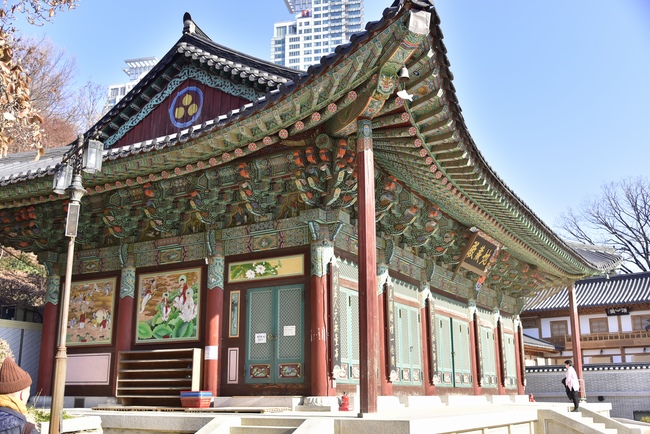
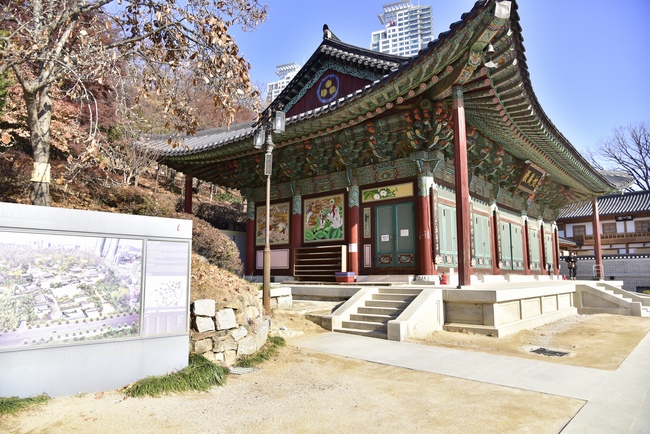
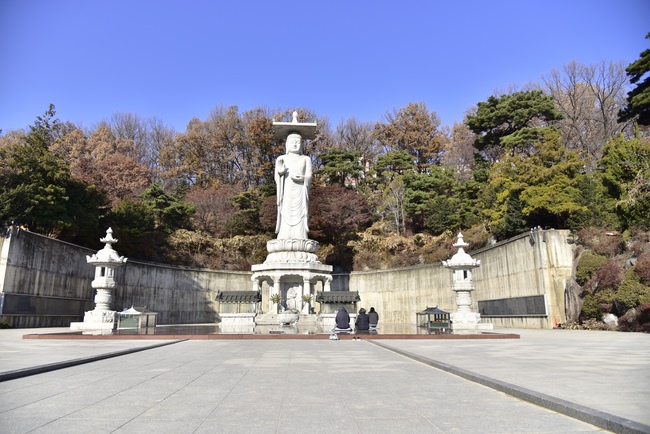
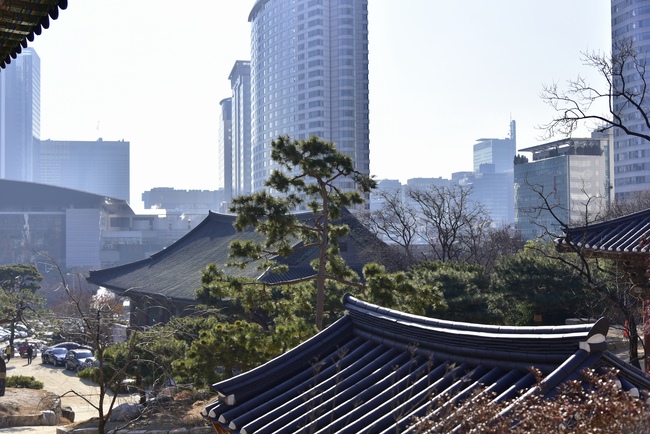
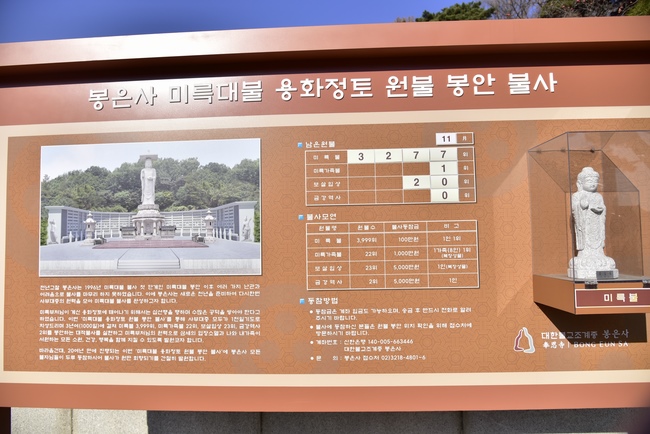
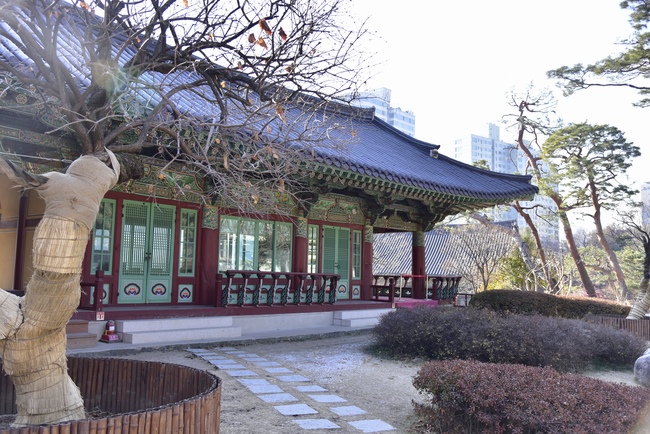
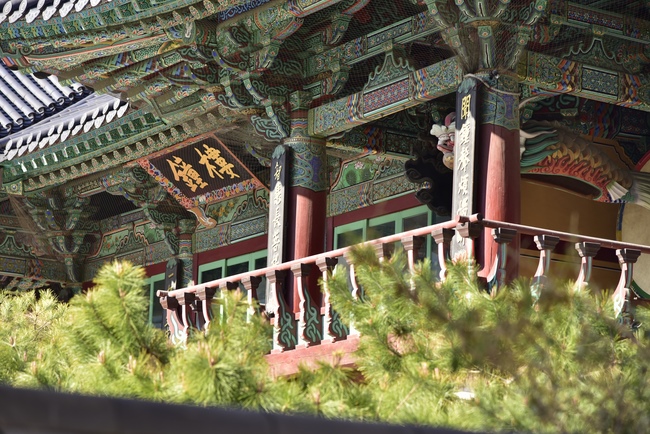
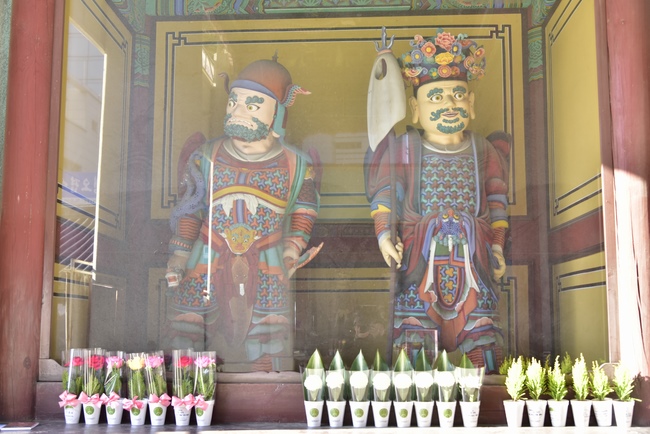
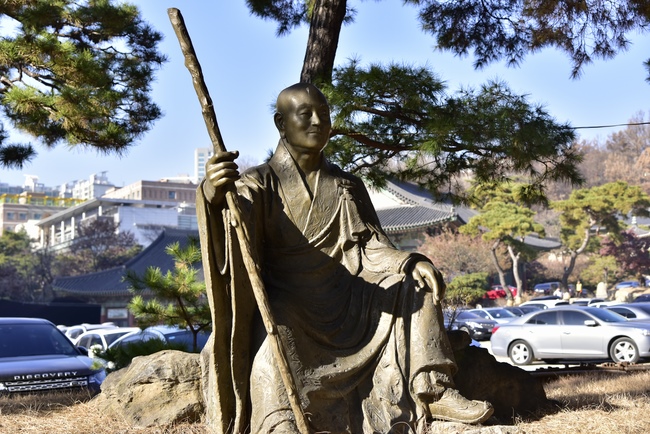
The third visiting place was Bongeun-sa temple in Gangnam District, Seoul. This is one of the great monasteries in Seoul, a Buddhism complex with harmonious group of constructions serving spiritual activities to local Buddhists. Originally, this pagoda had been called Gyeonseong-sa but was restored and renamed Bongeun-sa in 1498.
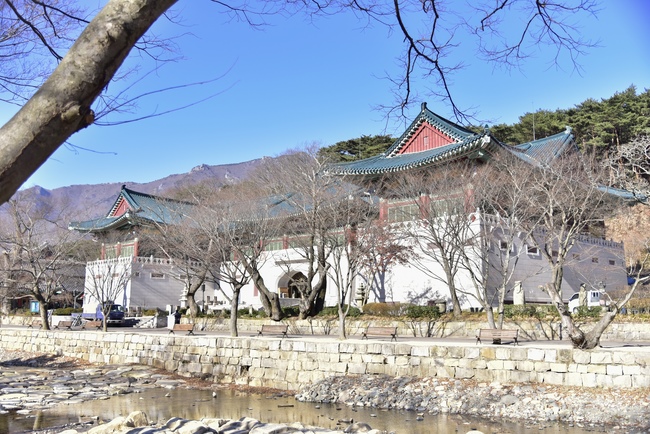
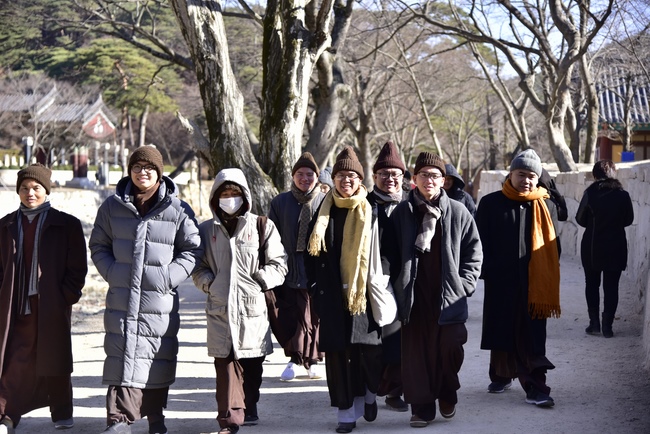
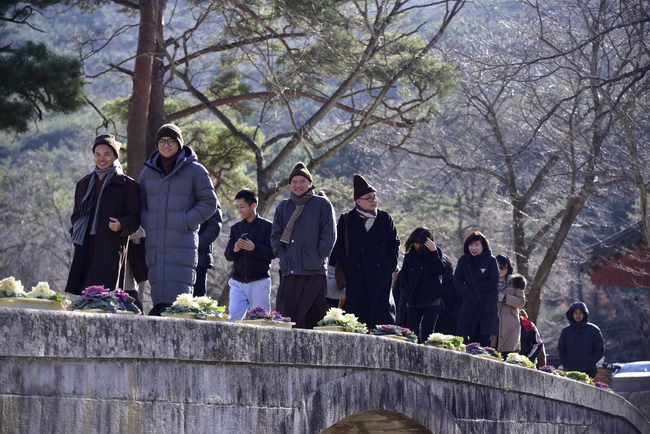
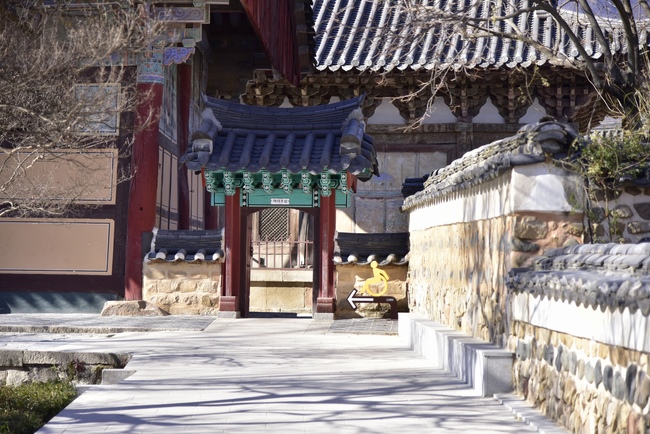
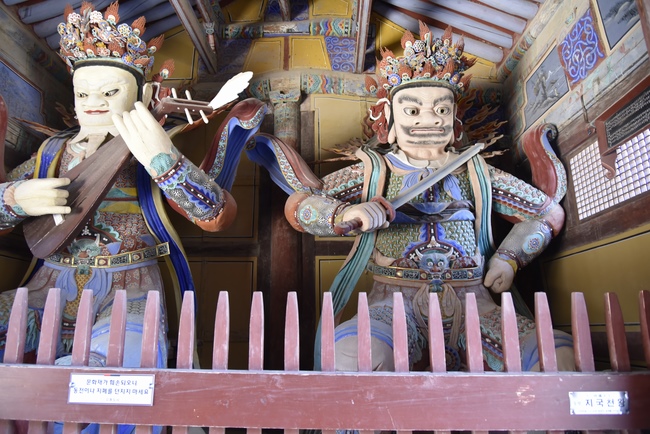
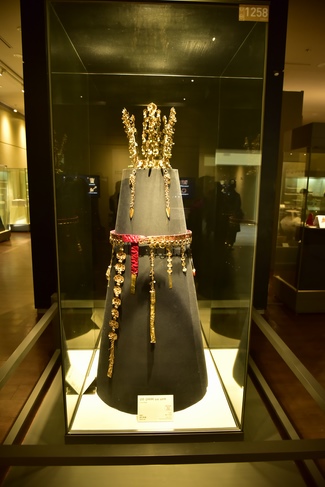
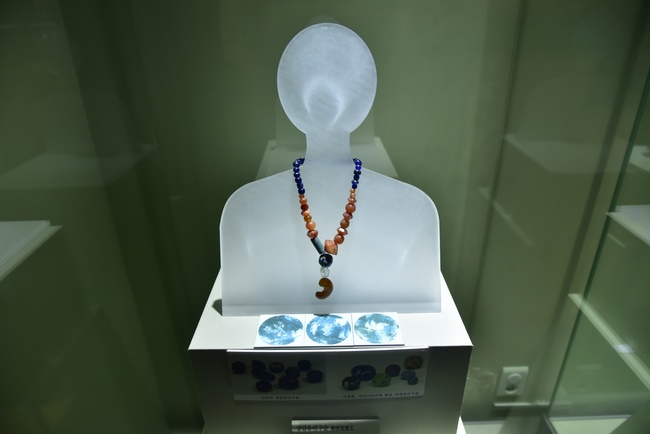
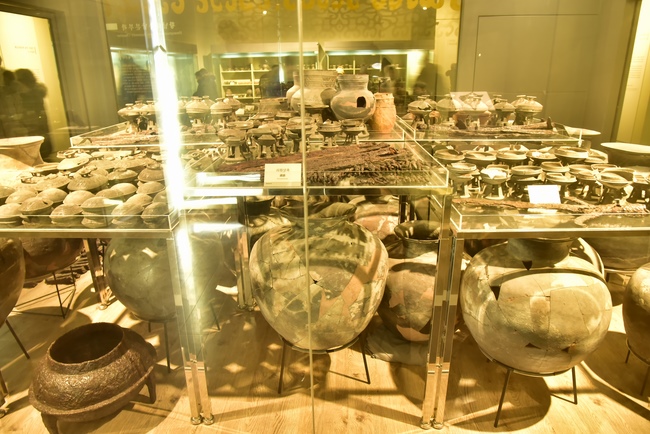
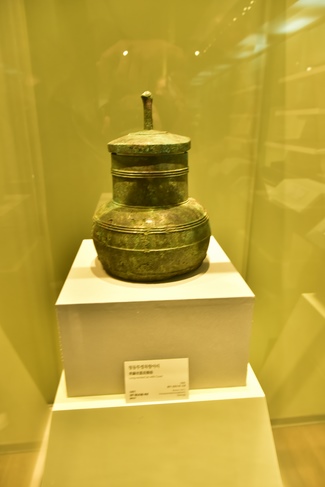
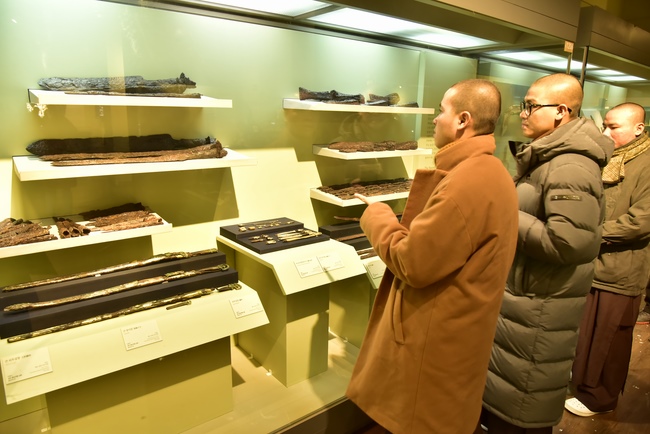
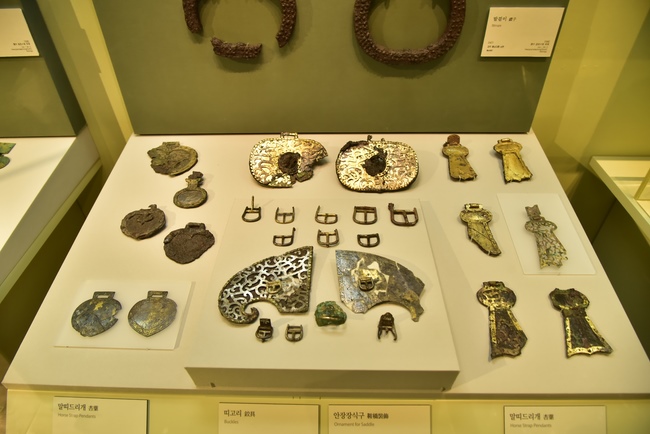
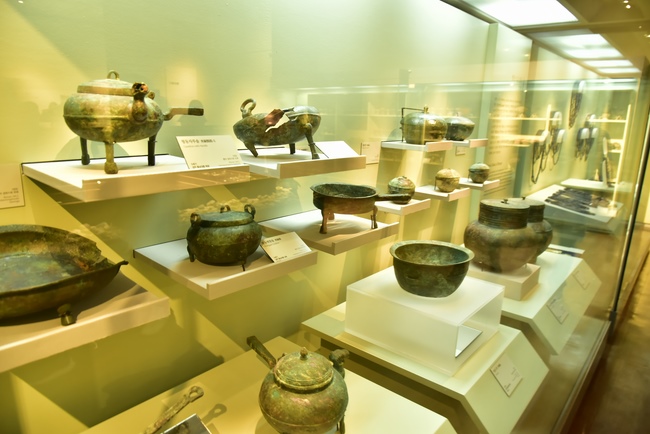
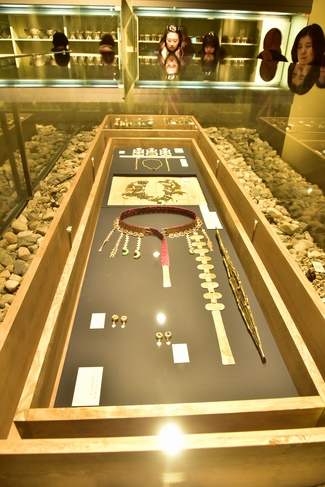
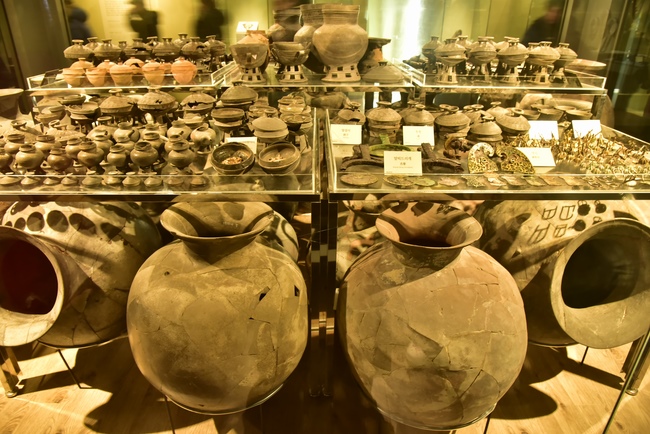
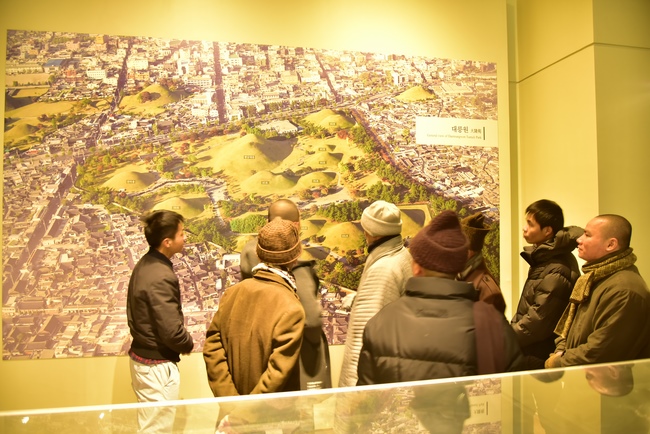
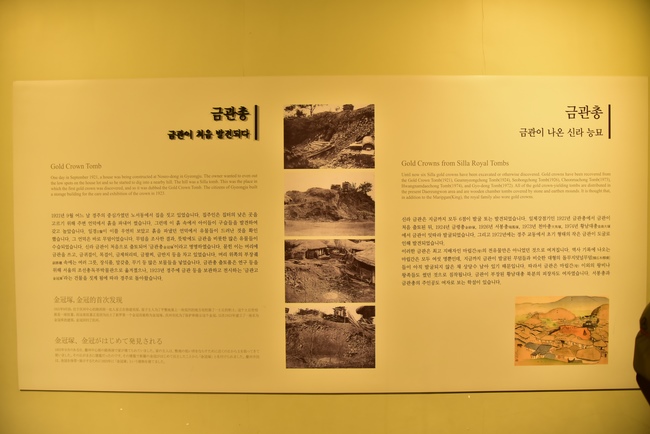
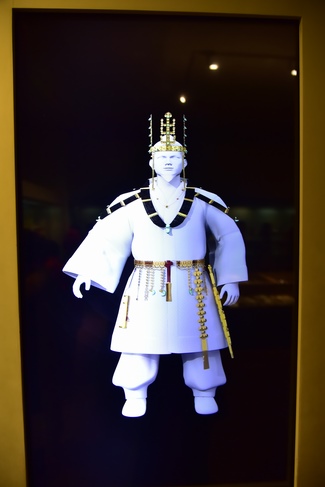
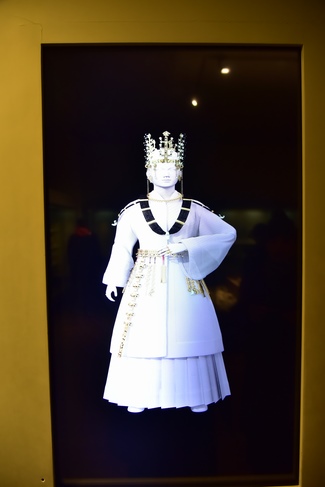
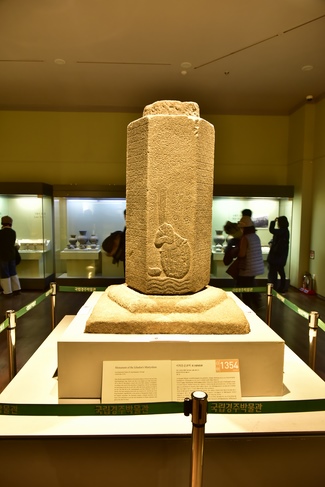
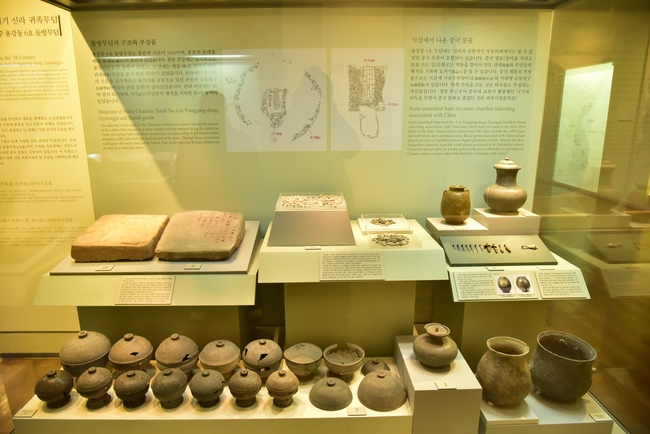
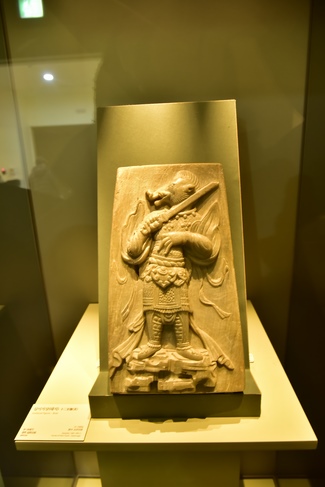
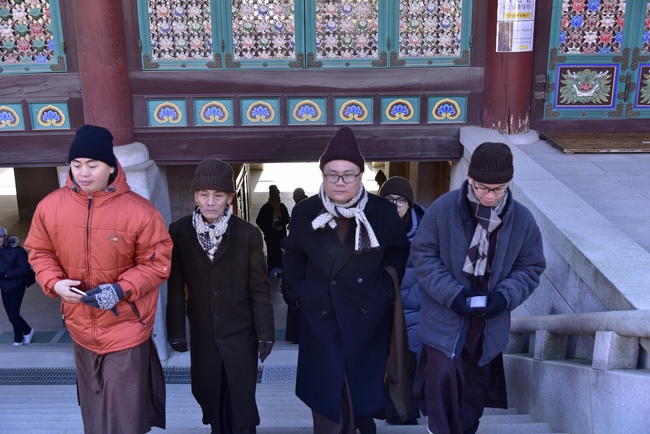
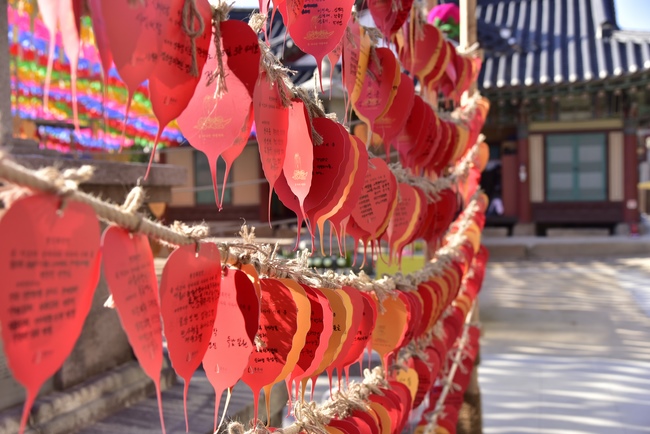
Following are recorded photographs:
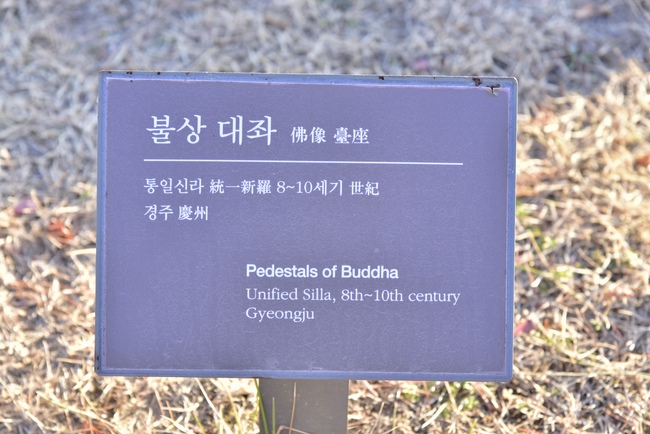
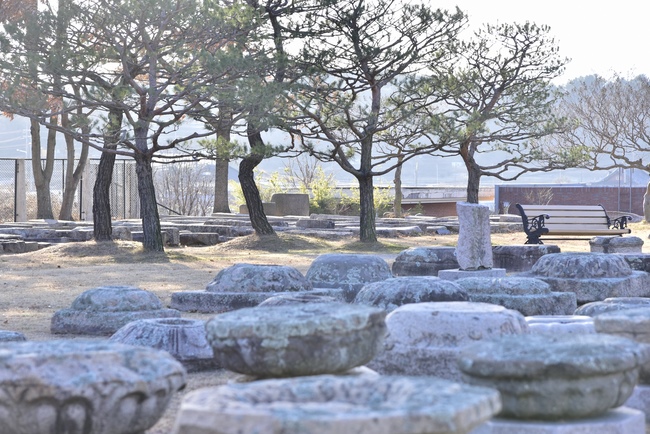
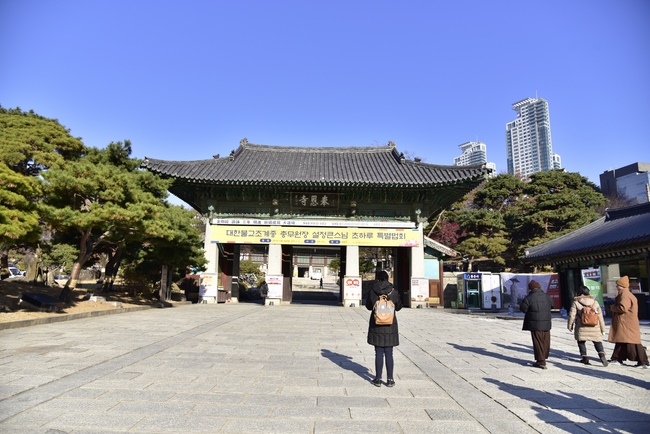
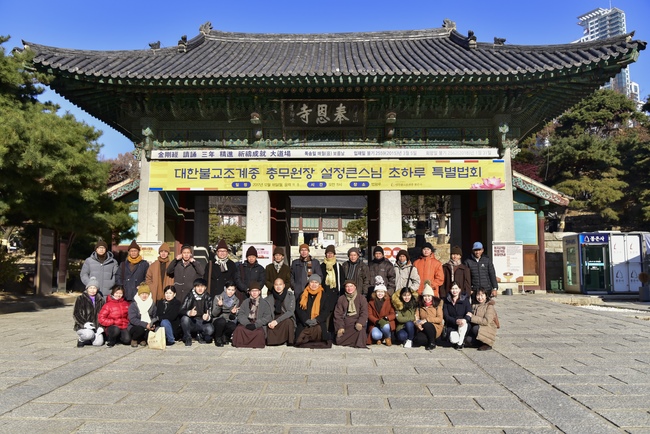
BBT Website